The guidelines propose infrastructure design solutions to make cycling safe and convenient, aiming to promote cycling as a daily mode of transportation suitable for all ages and serving various purposes.
On May 29th, in Hanoi, the Department of Technical Infrastructure ( Ministry of Construction ), with the support of the German International Cooperation Organization (GIZ), the World Resources Institute (WRI), and HealthBridge, announced guidelines for designing bicycle lanes in urban areas, hoping to contribute to building greener, safer, and more livable cities.
This demonstrates Vietnam's efforts in the context of a rapidly growing urban population, projected to reach 50% of the total population by 2025. The high rate of urbanization leads to increased pressure on the management and provision of urban public services, including issues related to urban transportation and the environment. The current urban road system is designed for motorized traffic, posing significant risks to vulnerable road users, including cyclists. Meanwhile, smaller streets lack sufficient space and infrastructure for cyclists and pedestrians.
The guidelines include broad recommendations focusing on five key areas of action: Design of bike lanes and paths, Design of intersections where bike traffic is permitted, Design to minimize conflicts, Traffic signals, road markings and signage, and Ancillary works.
“We encourage professionals in urban planning and design, road and urban management to use this guide as a reference when developing and implementing projects. This guide provides technical solutions, both theoretical and practical, for bicycle infrastructure issues, in accordance with the newly issued standard 13592:2022 Urban Roads - Design Requirements in Vietnam,” said Mr. Ta Quang Vinh, Director of the Department of Technical Infrastructure, Ministry of Construction.
20% of global emissions come from the transportation sector, while bicycles are an accessible, safe, healthy, environmentally friendly means of transport that contributes to reducing greenhouse gas emissions.
According to Daniel Herrmann, Chief Advisor of the "Supporting Vietnam in Implementing the Paris Agreement, Phase II" (VN-SIPA II - GIZ) project, prioritizing the use of bicycles as a daily means of transportation is an effective and low-cost strategy that helps cities achieve green growth goals and contributes to Vietnam's national commitment to achieving net-zero emissions by 2050.
Ms. Retno Wihanesta, Head of the Urban Transport Planning Program at the WRI Indonesia office, also highly appreciated the role of bicycles as a low-cost means of transportation that promotes health and is environmentally friendly. The technical guidance can inspire other cities in Asia, and around the world , to develop bicycle-friendly infrastructure, promoting sustainable urban development that is accessible to all citizens in the future.



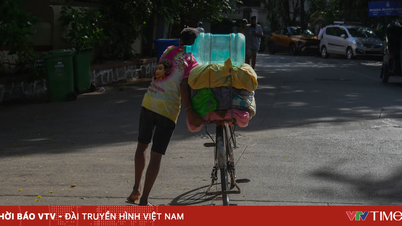
In Vietnam, bicycles were once the primary and most popular mode of transportation. In recent decades, the rapid increase in personal motor vehicle ownership has led to reduced bicycle use in urban areas, resulting in less attention being paid to bicycle transportation in policy development.
Source link