

The piloting of this model is a decisive step in implementing Resolution 72-NQ/TW of the Politburo , helping to relieve pressure on higher-level facilities and giving people the opportunity to receive the highest quality healthcare services right in their local area.
Double benefit
Hanoi Medical University Hospital and Vinh Hung Ward Health Station have announced a comprehensive cooperation agreement, opening up a new model in community health care. The "hospital-university" collaboration at the ward health station is a "double benefit" model that not only realizes Resolution No. 72-NQ/TW of the Politburo on "strengthening the protection, care, and improvement of people's health," but also implements Hanoi City's directive to bring high-quality medical services closer to the people. This is not only the right direction, strengthening the grassroots healthcare system, reducing pressure on hospitals, and improving the quality of life for people, but also provides an invaluable practical training environment...
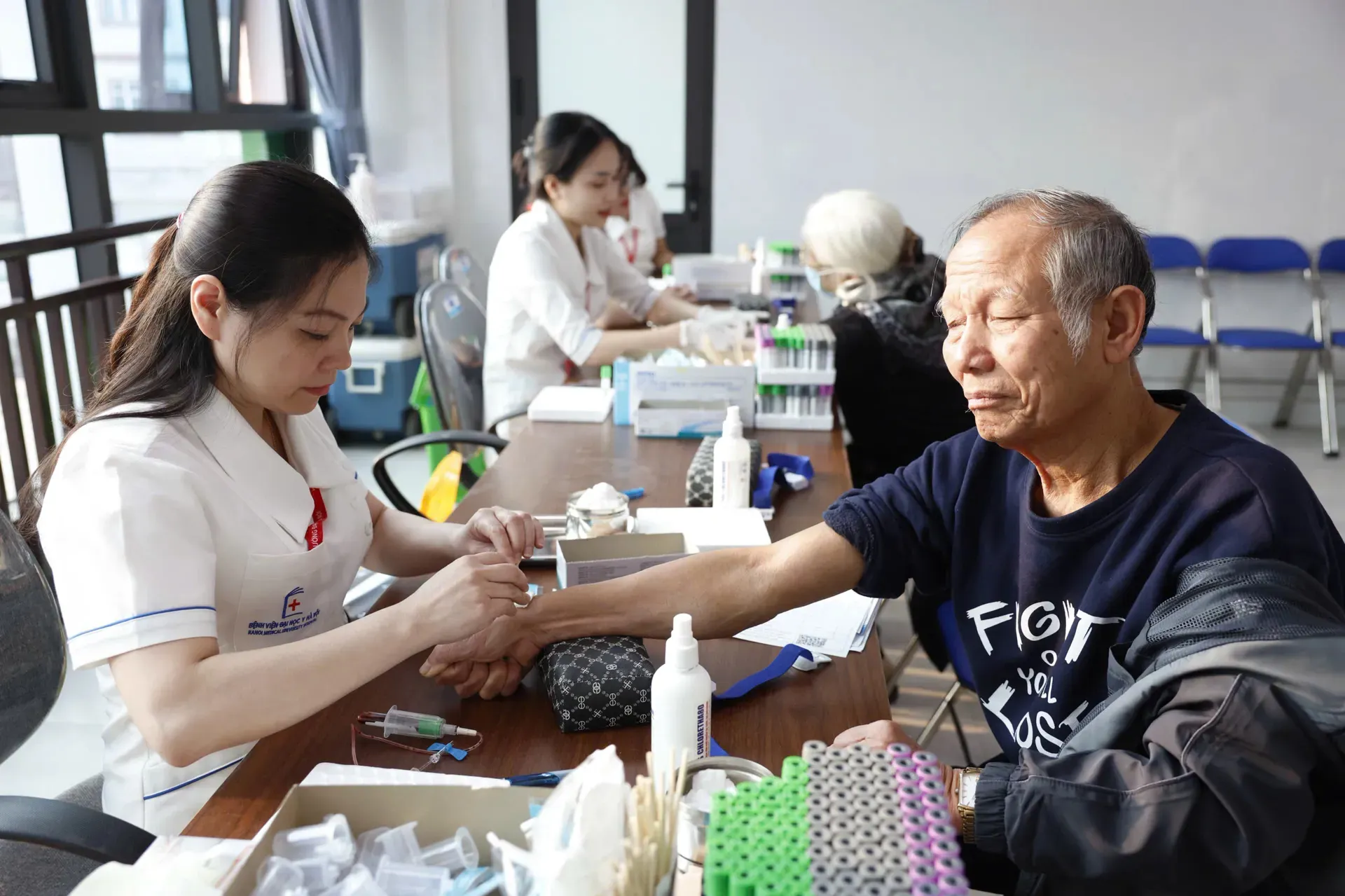
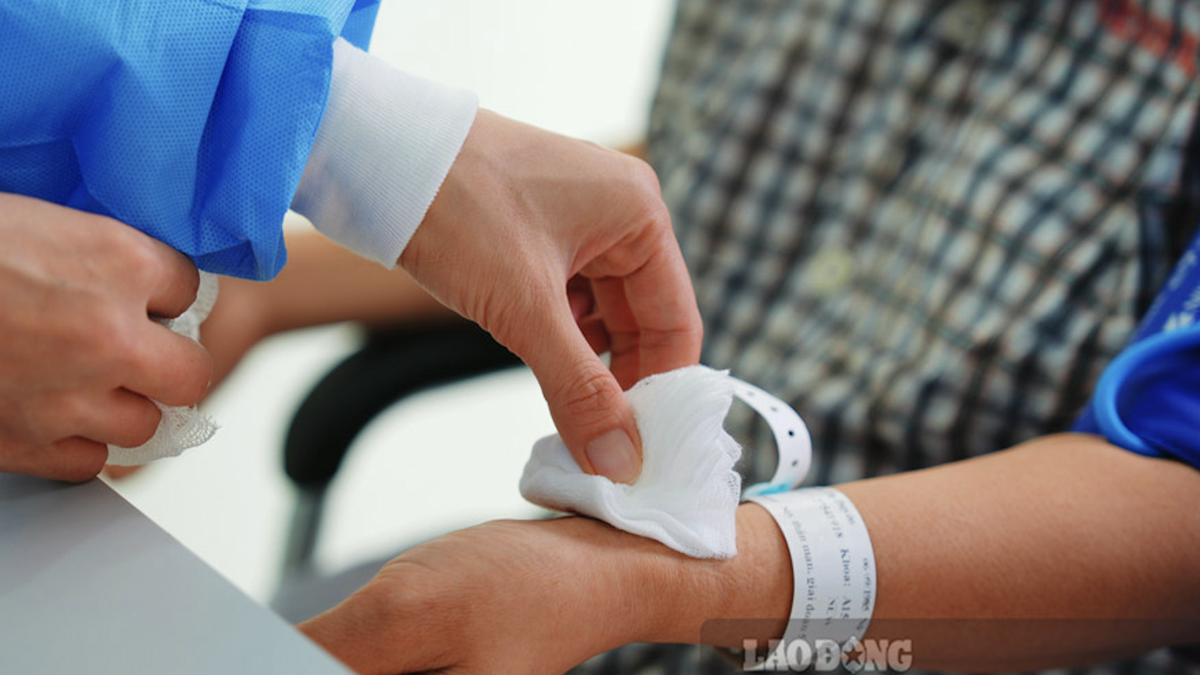
The program provided free health check-ups for 300 beneficiaries of social policies, retired ward officials, and children in Vinh Hung ward. Photo: Thanh Binh
Although his house is near the ward's health center, Mr. Nguyen Huu Nam (70 years old, Vinh Hung ward) used to have to go to higher-level hospitals for medical examinations. Now, knowing about the collaboration model between Hanoi Medical University Hospital and Vinh Hung ward's health center, specifically the fact that doctors from higher-level hospitals come to the ward to examine residents, Mr. Nam and many other residents are extremely excited. “Instead of having to queue from dawn at central-level hospitals, we can access leading experts and modern equipment right at the ward's health center. Here, we receive thorough and professional consultations and examinations from the doctors, who explain things clearly and thoughtfully, so we feel very reassured,” Mr. Nam shared.
Associate Professor Dr. Nguyen Lan Hieu believes that if health centers are strengthened with the right professional guidance, many diseases can be detected early and treated right in the community. Hanoi Medical University Hospital hopes to implement a model of ward/commune health centers combined with hospital clinics, allowing people to receive expert examinations right in their residential areas. This is the first time a central-level hospital has established a medical facility in a ward/commune, contributing to improved effectiveness in immunization, health communication, chronic disease management, and initial emergency care for local residents.
The Vĩnh Hưng branch of the Hanoi Medical University Hospital's Multi-specialty Clinic is scientifically planned with a system of examination rooms, laboratories, and enclosed functional areas, ensuring a smooth and convenient process from reception, diagnosis, testing, to treatment and post-examination follow-up. Clinical and paraclinical specialties are systematically organized to meet the diverse initial and advanced examination needs of the public. Key specialties include: Internal Medicine, Surgery, Obstetrics and Gynecology, Pediatrics, Otolaryngology, Dentistry, Ophthalmology, Dermatology, and Musculoskeletal. In addition, paraclinical services contribute to accurate diagnosis, effective treatment, and safe care for patients.
To scale up and maintain long-term effectiveness.
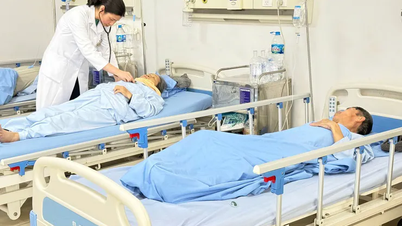
With clinics operating 24/7 and fully equipped with emergency facilities, treatment becomes faster. People can flexibly seek treatment for common health issues at the commune health station. If the illness becomes complicated, leading experts and modern equipment are readily available to provide timely support. “This is a new model that we hope will be implemented not only by Hanoi Medical University Hospital but also by many hospitals in Hanoi and across the country. Each hospital could potentially receive 3-4 commune health stations, thus completely covering all primary healthcare facilities,” Associate Professor Dr. Nguyen Lan Hieu stated.
“This collaborative activity aims to put the people at the center; serving the people is paramount. If we can bring values that serve the people in the area, that is the most practical action to implement the Resolution of the 18th Congress of the Hanoi City Party Committee, which is to bring happiness and health to all citizens,” emphasized Vice Chairman of the Hanoi City People's Committee Truong Viet Dung.
Dr. Nguyen Trong Dien, Director of the Hanoi Department of Health, assessed this as a modern healthcare model with high reach and a people-centered approach. This collaboration goes beyond professional support; it's a comprehensive partnership, encompassing human resources, equipment, and technology transfer. Hanoi Medical University Hospital has brought both high-quality medical personnel and services directly to residential areas, enabling residents of Vinh Hung ward to access specialized medical care right where they live. This comprehensive cooperation between commune and ward health stations and hospitals in Hanoi aims for a strategy where each commune or ward receives support from at least one hospital. With over 120 public and private hospitals, Hanoi has many advantages in implementing this model on a large scale.
In the future, Hanoi will expand this model to other areas with the goal of ensuring that people have access to specialized medical services right in their localities. Hanoi will utilize high-quality human resources from central hospitals, research institutes, and medical universities in the area to participate in people's healthcare. Building an information technology system connecting commune and ward health stations with hospitals and medical facilities in the area is crucial for implementing the new model. Hanoi is integrating shared medical data from the entire system to build electronic health records for its citizens.
Resolution No. 72-NQ/TW, as well as the documents to be presented at the upcoming Party Congress, emphasizes that grassroots healthcare is the backbone of the people's healthcare system. According to Associate Professor Dr. Nguyen Lan Hieu, unlike before, each locality will find a suitable direction depending on its economic conditions. Only then can the development of grassroots healthcare be sustainable and truly successful. "We must ensure that commune and ward health stations are truly effective; it's not enough to just have newly built buildings, but also to have practical equipment inside and qualified personnel," said Associate Professor Dr. Nguyen Lan Hieu.
To scale up and maintain long-term effectiveness, health experts believe that a change in mindset and operating methods is needed at higher-level hospitals to provide more active support to grassroots healthcare. Simultaneously, appropriate policies and mechanisms are required to attract and retain healthcare personnel at grassroots facilities. Members of Parliament and leaders in the healthcare sector should also offer specific proposals and recommendations to improve and develop this model in the future.
Source: https://kinhtedothi.vn/xoa-nhoa-khoang-cach-y-te.962645.html



















![[Photo] A vibrant celebration of generations of Nhan Dan Newspaper staff](https://vphoto.vietnam.vn/thumb/1200x675/vietnam/resource/IMAGE/2026/03/11/1773228432744_cb-75-nam-7-7034-jpg.webp)





























































Comment (0)