

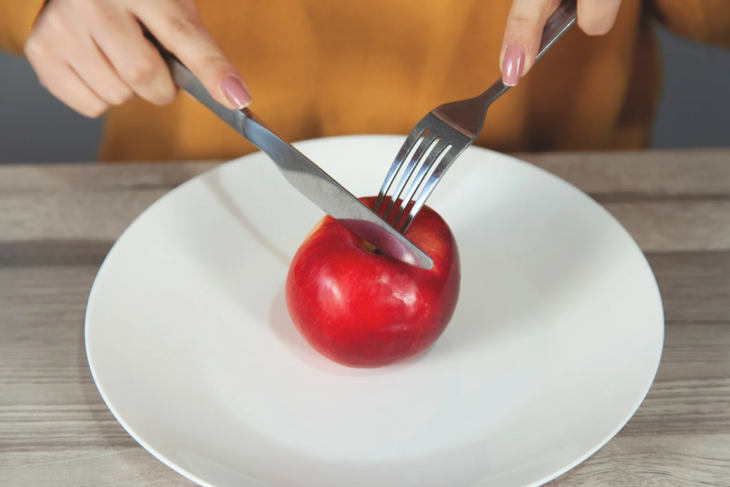
Trends like eat clean, detox, and intermittent fasting are becoming increasingly popular, but they are not always understood and applied correctly - Photo: AI
In recent years, the phrase "healthy eating" has become a popular trend, especially on social media. Beautifully presented meals, low in fat, high in vegetables and juices, or "starch-free" menus are often seen as the standard of health.
However, behind that attractive appearance lie many misconceptions, leading many people to apply it incorrectly and face unforeseen consequences.
- Natural sugars are better than refined sugar: Many people believe that honey or natural syrups are a healthier choice than white sugar.
However, in essence, they are all sugars and provide equivalent energy. Consuming too much, even in its "natural" form, still increases the risk of weight gain and metabolic disorders. The micronutrients in unrefined sugar are negligible and insufficient to offset the risks.
- Gluten-free foods (gluten-free is the main protein in wheat and other grains) are always better: The "gluten-free" trend is growing, but not everyone needs to avoid gluten.
Only those with gluten intolerance need to eliminate gluten completely. For most people, whole grains like oats, brown rice, or whole-wheat bread are good choices because they are high in fiber and beneficial for the digestive system. The important thing is not whether it contains gluten or not, but the overall nutritional value.
- Coconut oil is a healthy fat: Coconut oil is often touted as a "superfood," but in reality, it contains about 85% saturated fat. This type of fat can increase bad cholesterol and the risk of cardiovascular disease if consumed in large quantities.
Coconut oil can be used in small amounts, but it should not completely replace other vegetable oils rich in unsaturated fats such as olive oil or canola oil.
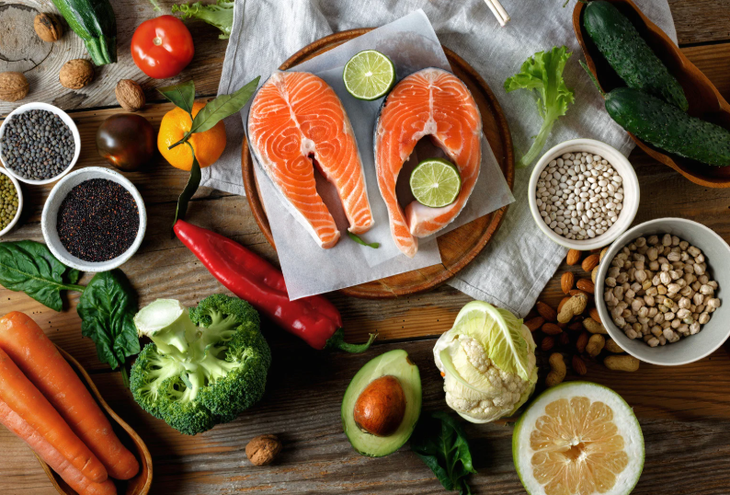
Instead of searching for a "perfect" diet, people should aim to build sustainable eating habits - Photo: AI
- Eggs are harmful to the cardiovascular system: Eggs were once "condemned" for containing cholesterol, but recent studies show that dietary cholesterol does not have as strong an impact on blood cholesterol as previously thought.
Instead, saturated fat is the more concerning factor. Eggs can still be part of a balanced diet, as long as they are prepared healthily, such as boiled or poached instead of fried in lots of oil.
- Cereal is the perfect breakfast: Cereals are often promoted as healthy foods, but in reality, many types contain high amounts of sugar and fat. This significantly increases total energy intake, making it unsuitable if you are trying to control your weight.
Options like oatmeal are generally better. If using cereal, pay attention to the serving size and ingredients on the label.
- Juicing is the best way to eat fruits and vegetables: Fruit and vegetable juices are convenient but not a "shortcut" to nutrition. When juiced, the amount of free sugar increases while the fiber decreases.
Therefore, juice should only be counted as one part of your daily fruit and vegetable intake and limited to around 150ml. Eating whole fruits and vegetables remains the healthier option.
- Fermented foods are always good: Fermented foods like kimchi or yogurt are believed to be beneficial for the gut. This is true to a certain extent, but not all of them are "unconditionally good."
Many products contain high amounts of salt or sugar, which can affect cardiovascular health if consumed in large quantities. The benefits of fermented foods are still being studied, so they should be used selectively.
- The body needs regular "detoxification": Detox regimens are heavily promoted with promises of cleansing the body. However, the human body already has a natural detoxification system through the liver, kidneys, and lungs.
Fasting or using detox products only provides a temporary feeling of "lightness" if you cut down on unhealthy foods, but it has no long-term effect if old habits return. A balanced lifestyle is the sustainable solution.
- Red meat is not always harmful: Red meat is often associated with increased risk of heart disease and cancer, but it doesn't need to be completely eliminated. It's still an important source of protein and iron. The problem lies in the amount consumed and how it's prepared.
Eating too much red meat or processed meat increases the risk of disease. Choosing lean meats and eating them in moderation is a sensible approach.
- Not all fats are bad: Not all fats are harmful. Unsaturated fats, found in vegetable oils, fatty fish, and nuts, are beneficial for cardiovascular health. Conversely, saturated fats should be limited. Therefore, instead of "avoiding fat," it's important to choose the right types of fat and maintain a balanced diet.
According to British nutritionist Hannah Elliott, nutritional misconceptions often stem from unverified or overly simplistic information. In reality, there are no "absolutely good" or "absolutely bad" foods.
A healthy diet requires balance, variety, and suitability to individual needs. Understanding the true nature of food will help each person make more informed choices for long-term health.
Source: https://tuoitre.vn/10-quan-niem-sai-lam-ve-an-lanh-manh-20260406103707193.htm

![[Image] Hanoi's urban life under the challenge of a "scorching hot" environment](https://vphoto.vietnam.vn/thumb/1200x675/vietnam/resource/IMAGE/2026/05/25/1779706979265_nang-nong-t5-2026-minh-duy-7-4636-jpg.webp)

![[Image] Close-up view of the interchange connecting the two expressways and Long Thanh Airport.](https://vphoto.vietnam.vn/thumb/1200x675/vietnam/resource/IMAGE/2026/05/25/1779703378210_ndo_br_z7863716673926-224453a31600126cce10622af6290afd-4549-jpg.webp)





































































































Comment (0)