

Rice exporters remain concerned about unfair competition.
According to data from the Ministry of Agriculture and Rural Development , in the first two months of 2024, rice exports reached US$708 million, an increase of 49.8%; the export price of rice increased by 32.2% compared to the same period.
Previously, according to the latest data from the General Department of Customs, from the beginning of the year to February 15, 2024, rice exports reached 663.2 thousand tons, earning nearly 466.6 million USD, an increase of 14.4% and 53.1% respectively compared to the same period last year.
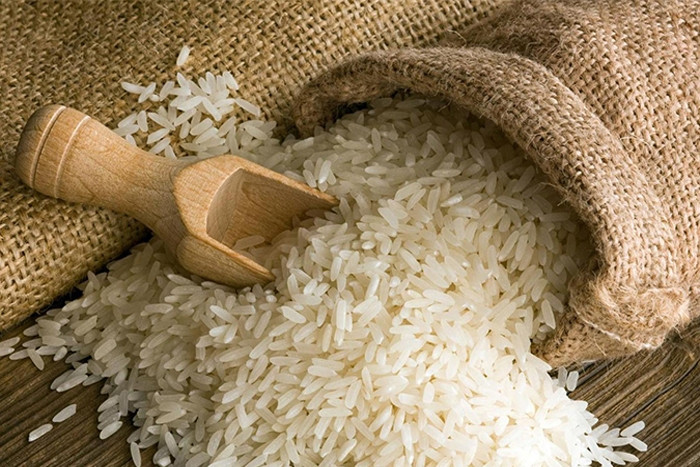 |
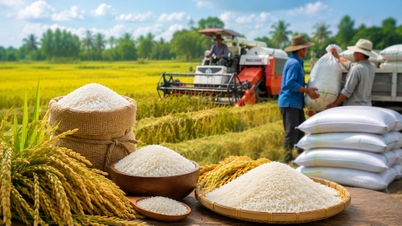
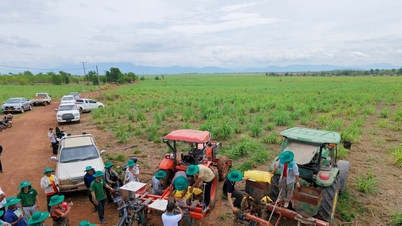
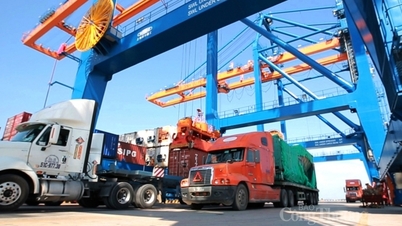
| Rice exports in the first two months of 2024 increased by nearly 50% (Illustrative image) |
According to Ms. Bui Thi Thanh Tam, Chairwoman of the Board of Members of the Northern Food Corporation, in January, Vietnam participated in a tender in Indonesia with a very large quantity. The total tendered quantity was 500,000 tons, but Vietnamese exporters won nearly 400,000 tons at high prices.
However, rice exports are currently facing difficulties due to falling prices, with some countries refusing to offer Vietnamese rice, and some traders abandoning deals to buy from farmers. “The corporation has offered rice to several importers, but they said they ‘will study it further and may discuss it later. ’ World market prices are currently undergoing adjustments,” Ms. Tâm shared.
According to Mr. Nguyen Van Don, Chairman of the Board of Members and Director of Viet Hung Company, after Tet, the rice harvest in the Mekong Delta region was in full swing, causing rice prices to drop slightly. Currently, rice prices have risen again, and the rice market continues to be vibrant.
According to experts, due to the effect of last year's January being the Lunar New Year month, rice exports have "broken through" this year, but the upward trend is still continuing, especially in terms of price. The outlook for rice exports in 2024 remains positive as major markets show many signs of increased imports. However, localities and businesses still express concerns about market information and how to closely monitor it to best take advantage of opportunities.
According to Mr. Nguyen Ngoc Nam, Chairman of the Vietnam Food Association, the projected rice production nationwide in 2024 is expected to remain at a level similar to 2023, provided the weather conditions are favorable. However, the volume of rice stocks carried over to 2024 has decreased significantly, therefore a close balance between rice harvests in each season and domestic consumption needs is necessary.
Rice exports are forecast to remain strong as demand from major Southeast Asian markets such as Indonesia, the Philippines, Malaysia, China, and Africa increases due to concerns that the El Nino hot weather will last until mid-2024. Domestic rice prices are also expected to remain stable at high levels and maintain an upward trend.
However, Mr. Nguyen Ngoc Nam suggested that the Ministry of Industry and Trade should strengthen the dissemination of export data to facilitate the balancing of supply and demand for rice among all relevant parties.
From a local perspective, Mr. Ha Vu Son, Director of the Can Tho Department of Industry and Trade, stated that some businesses are currently offering prices lower than the market rate. For example, one company offers $900 USD/ton for the same type of rice, while another offers only $800 USD, leading to unfair competition. Mr. Ha Vu Son also suggested that the Ministry of Industry and Trade provide a quick information channel on the rice import needs of other countries, enabling proactive negotiations for current and future exports.
We need to seize market opportunities to boost rice exports.
Currently, Vietnam's rice production accounts for approximately 15-18% of the world's total rice exports. Against the backdrop of a market with intertwined opportunities and challenges, and to continue implementing the tasks assigned by the Government and the Prime Minister, ensuring operational goals, taking advantage of opportunities to continue exporting to traditional markets, and accessing and increasing market share in countries with significant potential, thereby contributing to boosting rice exports in the coming period, Mr. Tran Quoc Toan, Deputy Director of the Import-Export Department, stated that the Ministry of Industry and Trade will urgently review and finalize the Decree amending and supplementing Government Decree No. 107/2018/ND-CP on rice export business. This aims to complete the legal framework for the rice export mechanism, creating a transparent, fair, and favorable business environment for rice exporters.
In addition, we will coordinate with the Ministry of Foreign Affairs and the Ministry of Agriculture and Rural Development to proactively negotiate to diversify export markets, seize opportunities to capture new, potential markets, and enhance the competitiveness of Vietnam's rice industry.
Continue to closely monitor the global rice trade market situation, the actions of major rice-producing and exporting countries, and promptly inform ministries, agencies, the Vietnam Food Association, and rice export businesses to proactively adjust rice production and export activities.
Continue to flexibly organize and implement trade promotion activities, combining traditional and online methods to strengthen cooperation in rice trade with traditional markets such as Indonesia, Africa, and China; exploit niche markets with fragrant rice and high-quality rice varieties that we have penetrated in recent years, such as the EU, South Korea, the United States, and North America... Effectively implement the tasks of the Strategy for the Development of Vietnam's Rice Export Market until 2030.
Regarding capacity building and supply chain development, Mr. Tran Quoc Toan said that the Ministry of Industry and Trade will guide and support rice export businesses in improving their production and business capabilities, market information, negotiation, signing and implementation of export contracts, and handling international trade disputes.
Continue to coordinate with relevant ministries, sectors, and agencies to gather information; support localities and traders in comprehensively improving the rice supply chain towards sustainability; and apply technology to ensure output, improve quality, and increase the value of rice products.
Continue to coordinate with the Vietnam Food Association to strengthen communication and raise awareness among traders about regulations in new generation free trade agreements and bilateral agreements to maximize the utilization of tariff quotas allocated to Vietnam.
Source




















































































Comment (0)