


 |
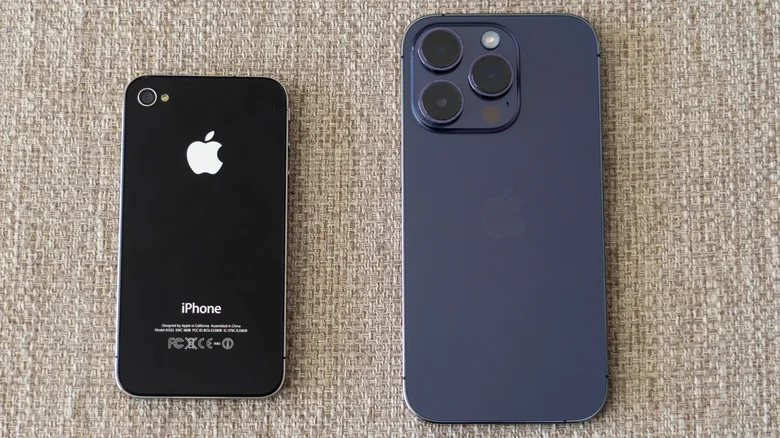
The first iPhone was a major turning point in the smartphone era, when Apple boldly removed the physical keyboard in favor of a completely touchscreen design. Over the years, the iPhone has continuously improved in performance, design, and camera. However, along with this development, some features that users once loved have gradually disappeared.
Some features are subtly changed over the years. But there are also sudden removals that leave users feeling regretful. Below are four features that were once iconic of the iPhone, but are no longer present on the newer models.
Physical home button
Since the iPhone's launch in 2007, the home button has been an unmistakable feature. Steve Jobs once succinctly described it: "It takes you back to the home screen, no matter where you are."
Over time, the home button has evolved beyond simply returning to the home screen or waking the device; it has also integrated various functions such as taking screenshots, accessing Siri, switching applications, or restarting the device when it freezes.
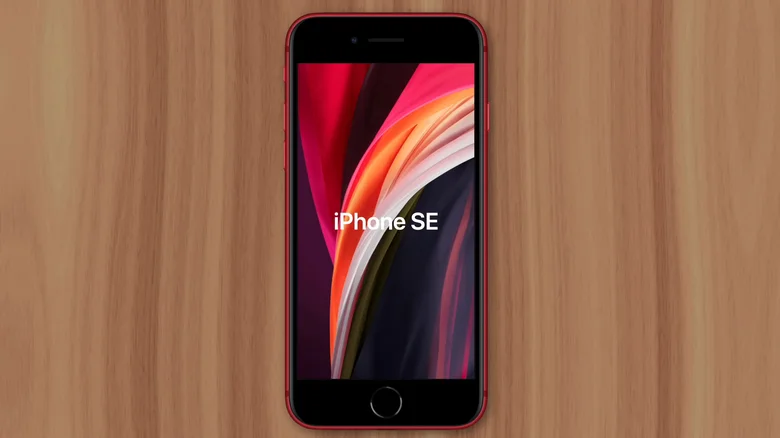 |
The physical home button has completely disappeared in the iPhone 16E version. Photo: Apple Explained/Youtube. |
In 2013, Apple added Touch ID, turning the home button into a fingerprint sensor – enabling device unlocking and Apple Pay payment authentication. However, when Apple removed the home button in favor of Face ID, screen space was expanded, bezels became thinner, and water resistance improved significantly.
The iPhone 8 and 8 Plus (released in 2017) were the last two models to retain the home button. The iPhone SE series extended the lifespan of this feature for a few more years, but with the iPhone 16E, the home button was officially removed.
The switch toggles the ring/silent mode.
From its earliest generations, the iPhone has always had a small toggle switch on the side to quickly switch between ring and silent mode. Without unlocking or going into settings, users can mute the device with a single tap – with clear haptic feedback. When the orange light comes on, everyone knows the phone is in silent mode.
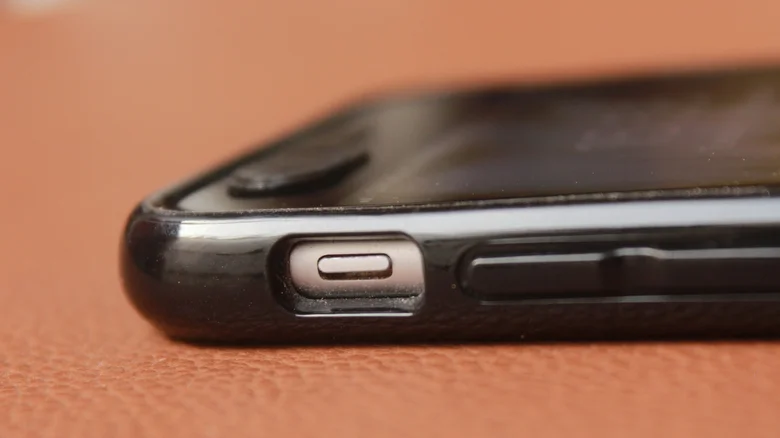 |
The silent switch has been replaced in the iPhone 15 Pro. Photo: Shutterstock. |
This feature was initially replaced by the “Action” button on the iPhone 15 Pro, and completely disappeared starting with the iPhone 16. Although the toggle switch is gone, users can still hold down the Action button to quickly switch between the two modes, and can also customize it for other tasks such as turning on the flashlight, opening apps, or activating Focus Mode.
Lightning charging port
Previously, iPhones used a rather bulky 30-pin connector. In 2012, Apple switched to the more compact Lightning connector, which is 80% smaller and can be plugged in both directions. This version then became the standard for many other devices such as iPads, AirPods, and Mac accessories.
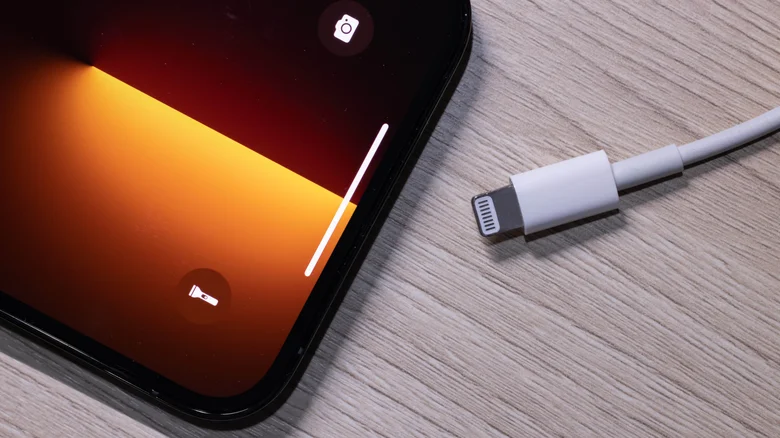 |
After many years, Apple users can now share charging cables with other devices. Photo: Shutterstock. |
However, since the iPhone 15 launched in 2023, Apple has officially switched to USB-C ports – partly due to requirements from the European Union. Even so, Apple had already started this trend with the iPad Pro in 2018.
The switch to USB-C not only allows users to charge both Apple and non-Apple devices interchangeably, but also provides faster charging speeds while maintaining the same voltage. Users can still use their old cables with the adapter, but Apple encourages reuse or recycling.
The "notch" on the screen
When Apple removed the home button, it needed a new way to house sensors like the front camera, earpiece speaker, ambient light sensor, proximity sensor, and components that support Face ID. The solution was the "notch"—a small, rectangular black area at the top of the screen, first seen on the iPhone X.
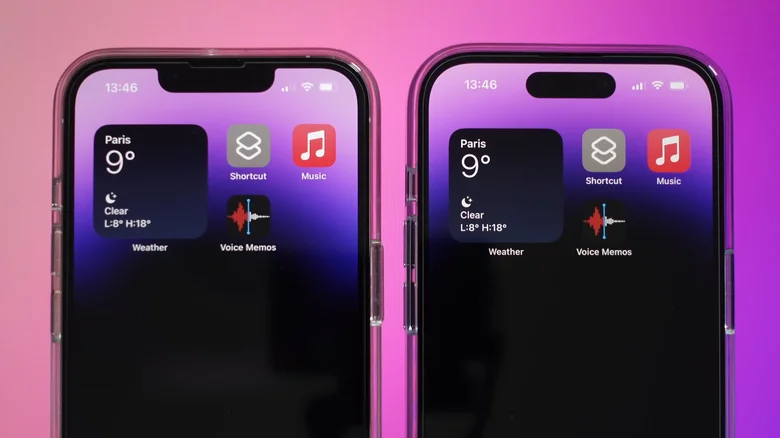 |
| Abandoning the "notch" bezel, newer iPhone models now feature a pill-shaped cutout at the top of the screen. Photo: Spott/Youtube. |
Although not the first smartphone with this design, the iPhone X popularized the "notch" design worldwide , to the point that many Android models later followed suit.
Apple gradually reduced the size of the notch on the iPhone 13, before completely replacing it with the "Dynamic Island" feature on the iPhone 14 Pro and newer models. This feature not only takes up less space but also interacts intelligently with the operating system: from displaying calls and currently playing music to navigating maps and quickly switching between applications.
Additionally, Apple has begun phasing out physical SIM slots in the US, switching entirely to eSIM. This trend is likely to become widespread in other markets soon.
Source: https://znews.vn/4-tinh-nang-da-bien-mat-cua-iphone-post1559779.html

![[Image] Current situation of houses precariously balanced due to road leveling in Dong Nai.](https://vphoto.vietnam.vn/thumb/1200x675/vietnam/resource/IMAGE/2026/03/02/1772455749144_ndo_br_z7579763955585-6e80a60471e75768fa835d035eba45ea-6979-jpg.webp)


![[Photo] Procession of a giant "pig" weighing over 200kg at the La Phu Village Festival](https://vphoto.vietnam.vn/thumb/1200x675/vietnam/resource/IMAGE/2026/03/02/1772444501339_anh-man-hinh-2026-03-02-luc-16-40-20.png)


























































![[Photo] National Assembly Chairman Tran Thanh Man receives the First Vice President of the Greek Parliament](https://vphoto.vietnam.vn/thumb/402x226/vietnam/resource/IMAGE/2026/03/02/1772444080600_anh-man-hinh-2026-03-02-luc-16-34-09.png)




































Comment (0)