

 |
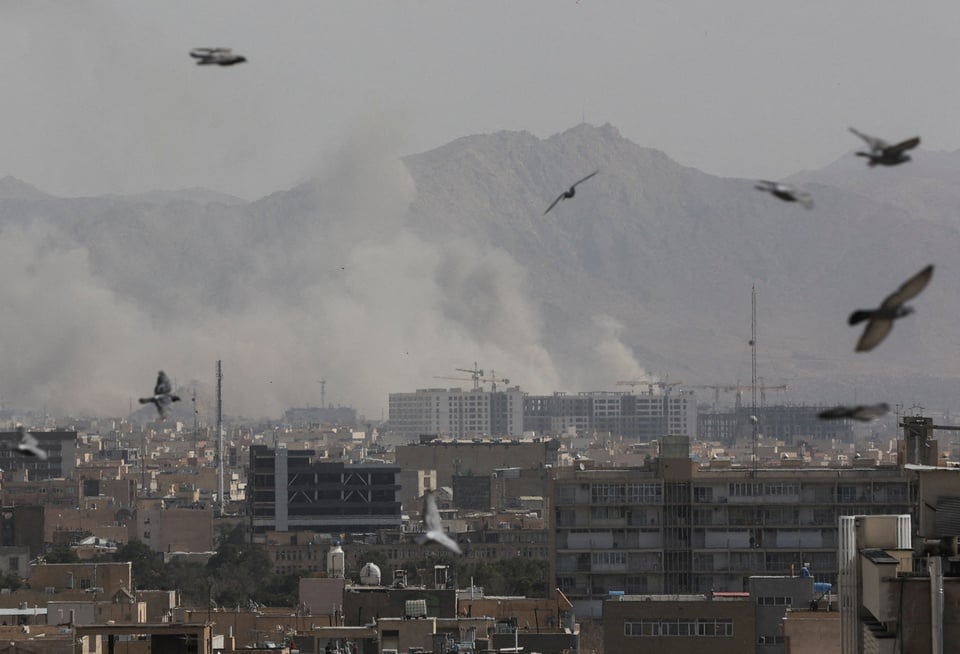
Impacts from both the Iranian government and external attacks have brought the country's internet to a near standstill. Photo: Reuters . |
Iran is experiencing a near-total internet outage. According to data released on the morning of March 2nd by the independent internet monitoring organization NetBlocks, nationwide connectivity is only about 1% of normal levels. This marks the second consecutive day this situation has persisted.
NetBlocks identified this as a network shutdown orchestrated by the Iranian government. This is a familiar strategy of the Iranian regime, NetBlocks stated.
Earlier, the country also blocked almost all internet access in January amid widespread protests.
Internet analyst Doug Madory commented on X that the remaining trickle of traffic may be coming from the government 's new whitelist system. This system creates connection exceptions for groups loyal to the government.
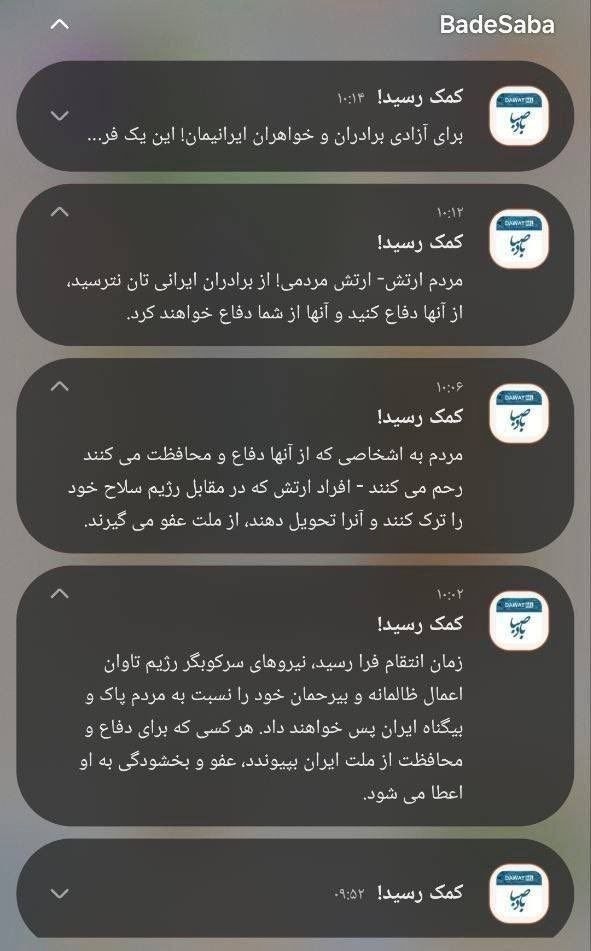 |
The BadeSaba prayer app was hacked, posting a series of calls for Iranians to surrender. Photo: Wired. |
However, reports indicate that the US and Israel also conducted cyberattacks in parallel with airstrikes targeting Iran's internet infrastructure.
According to Reuters , actors from the US and Israel targeted numerous pro-government Iranian news websites with hacks and cyberattacks. The BadeSaba religious calendar app, with over 5 million downloads, was also compromised. The attackers displayed messages calling on the armed forces to "lay down their arms and stand with the people."
The opposite is also being warned about. As Iran launches counterattacks with missiles and drones against US and allied targets in the Middle East, pro-Iranian groups could also open a cyber front.
Meyers also pointed out that in previous conflicts, Tehran's cyber actors often targeted energy, critical infrastructure, finance, telecommunications, and healthcare— areas where maximum pressure could be exerted on the opponent.
Source: https://znews.vn/internet-iran-chi-con-1-luu-luong-post1631593.html


![[Photo] National Assembly Chairman Tran Thanh Man working with the Standing Committee of the Law and Justice Committee](https://vphoto.vietnam.vn/thumb/1200x675/vietnam/resource/IMAGE/2026/05/21/1779378929214_ndo_br_1-4610-jpg.webp)
![[Photo] General Secretary and President To Lam presides over a working session with the Central Policy and Strategy Committee on the development of the materials industry.](https://vphoto.vietnam.vn/thumb/1200x675/vietnam/resource/IMAGE/2026/05/21/1779359935432_a3-bnd-3129-1412-jpg.webp)














































































Comment (0)