


The world's number one economy shows remarkable resilience.
A year ago, the American business community, especially executives, had high hopes for the prospect of low tax rates and a favorable business environment under President Donald Trump.
However, the reality has been volatile following the "Liberation Day" event, with market downturns, increased uncertainty, and heightened concerns about the cost of living. Simultaneously, the labor market has shown signs of weakening due to immigration restrictions hindering workforce growth. Despite this, the world's number one economy has demonstrated remarkable resilience. As 2025 draws to a close, the market has recorded growth exceeding 15%, along with an impressive 4.3% GDP growth in the third quarter. Looking ahead to 2026, observers have reason to remain optimistic based on concrete policy and market drivers.
The first impetus comes from an improvement in consumer purchasing power. Treasury Secretary Scott Bessent predicts that Americans will receive up to $150 billion in tax refunds early next year thanks to the budget bill passed this summer. The Congressional Budget Office (CBO) expects this policy to stimulate consumer demand and increase the labor supply.

The US economy still faces risks.
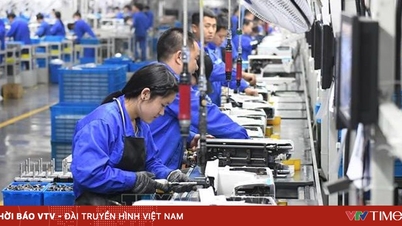
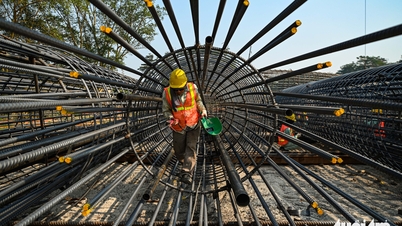
Secondly, there are incentives for the business sector. The regulation allowing companies to deduct 100% of equipment purchase costs in the same year of disbursement is considered a significant boost. Similar to the positive impact of the 2017 tax law on investment and GDP, this new regulation is expected to eliminate previous uncertainty, thereby strongly boosting capital spending and economic growth in the coming year.
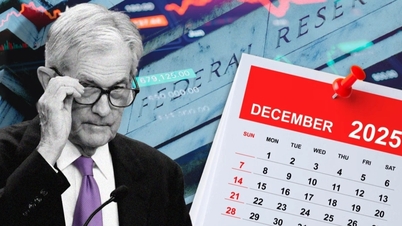
Thirdly, the interest rate and energy environment is more favorable. Regarding monetary policy, while the next steps of Federal Reserve Chairman Jerome Powell remain uncertain, his successor in May is likely to implement interest rate cuts, combined with increased Treasury bond purchases to ease credit.
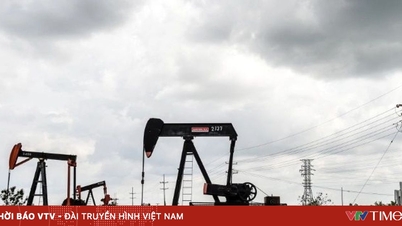
Fourth, the CBO forecasts that tax policies encouraging oil and gas production will help increase supply, which could reduce energy costs and contribute positively to GDP growth.
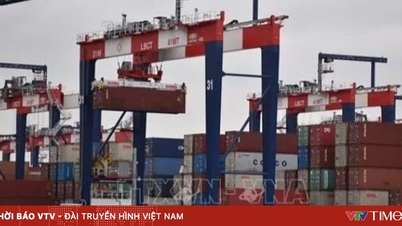
Fifth is greater stability in trade policy. After the shocks and uncertainty from the high tariffs announced in April – a factor that contributed to high inflation – trade agreements are beginning to take effect and legal issues are gradually being resolved. Clarity in tariff policy is expected to help businesses better formulate their business plans.
However, the US economy still faces risks. The simultaneous stimulus measures, from tax rebates and interest rate cuts to government spending, risk creating temporary euphoria and pushing inflation back. This would not only put pressure on households but also challenge the Fed's credibility in controlling inflation. Furthermore, rising public debt would burden long-term interest rates, negatively impacting future spending.
Source: https://vtv.vn/5-dong-luc-tang-truong-cho-kinh-te-my-2026-100251226214303807.htm






























































































Comment (0)