

Eating salty foods puts pressure on the kidneys.
The kidneys are responsible for filtering blood and removing excess water from the body. This process requires a balance of sodium and potassium to help water move through the kidney's filtration membrane.
When you consume too much salt (sodium), this balance is disrupted, causing the kidneys to retain water, increasing blood pressure and putting strain on the kidneys. If this continues, the kidneys' filtering function is impaired, leading to a risk of chronic kidney failure.
Eating too much salt increases protein in the urine.
High salt content in the diet can increase the amount of protein in the urine. This is an early warning sign of kidney damage and also a risk factor for cardiovascular disease.
Eating salty foods increases the risk of kidney stones.
Kidney stones are a fairly common condition that can cause severe pain, nausea, and difficulty urinating. A high-salt diet increases the amount of calcium excreted in the urine, leading to the formation of kidney stones.
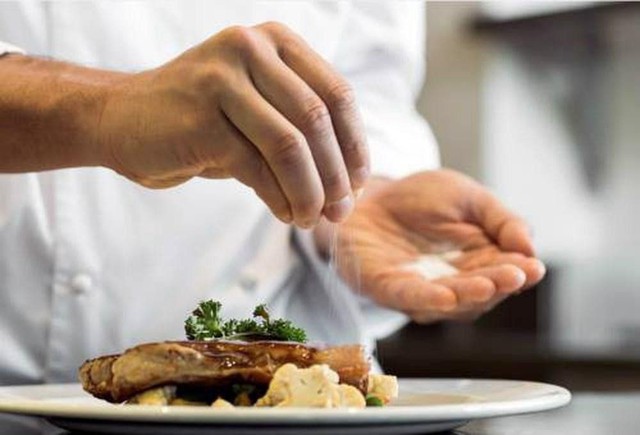
When you consume too much salt (sodium), this balance is disrupted, causing the kidneys to retain water, which increases blood pressure and puts strain on the kidneys.
Eating too much salt not only raises blood pressure but also harms the kidneys, impairing their filtering function and increasing the risk of kidney stones and kidney failure. Therefore, reduce your daily salt intake and maintain a healthy diet like the DASH diet (limit salt, increase fruits, vegetables, whole grains, and low-fat dairy) to protect your kidney health in the long term.
How much salt should we eat each day?
Many people consume more salt than they realize. According to the American Heart Association (AHA), the maximum recommended intake is 2,300 mg of sodium per day (equivalent to about one teaspoon of salt).
The ideal dose is 1,500 mg/day for most adults, especially those with heart disease, high blood pressure, or a risk of kidney disease.
Simply reducing sodium intake by about 1,000 mg per day can help improve blood pressure and provide better cardiovascular protection.
To protect your cardiovascular and kidney health, keep your salt intake below 2,300 mg per day and prioritize fresh, minimally processed foods.
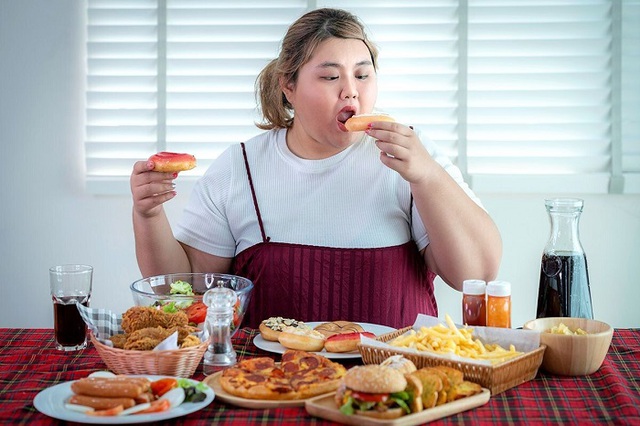
Eating salty foods not only raises blood pressure but also harms the kidneys, impairing their blood filtering function and increasing the risk of kidney stones and kidney failure.
Carefully reading nutrition labels and choosing low-salt products is an important step in making it easier to control sodium intake in your daily diet.
Ways to reduce your daily salt intake
Even if you don't add salt to your meals, your body can still absorb more sodium than necessary. This is because over 70% of the salt in your diet comes from processed, packaged foods and restaurant meals.
Controlling salt intake therefore becomes difficult. However, you can absolutely reduce your daily salt consumption with the simple methods below.
Make smart food choices when shopping.
Read food labels carefully: Compare similar products and choose the one with the lowest sodium content per serving.
Choose fresh meat instead of pre-marinated meat: For example, fresh or frozen meat that hasn't been brine-treated contains only about 100 mg of sodium per serving, while pre-marinated roast chicken can contain up to 400 mg.
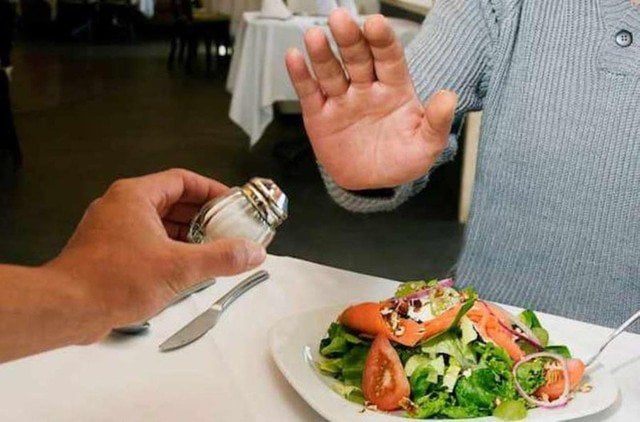
Controlling salt intake can be difficult. However, you can definitely reduce your daily salt consumption.
Be mindful of condiments: Soy sauces, dips, salad dressings, ketchup, pickles, and olives all contain high levels of sodium. Choose those labeled "low sodium" or "reduced sodium."
Reduce salt when cooking at home.
Here are some ways to reduce salt when cooking at home:
Enhance natural flavors: Replace salt with ingredients like onions, garlic, herbs, pepper, citrus juice, or vinegar to make dishes more flavorful.
Washing canned foods: Rinsing and draining canned beans or vegetables can reduce sodium intake by up to 40%.
Combine low-sodium and regular foods : If you're not used to the bland taste, mix low-sodium foods with regular foods in a 1:1 ratio.
Cooking without salt: When cooking noodles, rice, or cereals, you can skip the salt because the dish will still have flavor from the other ingredients.
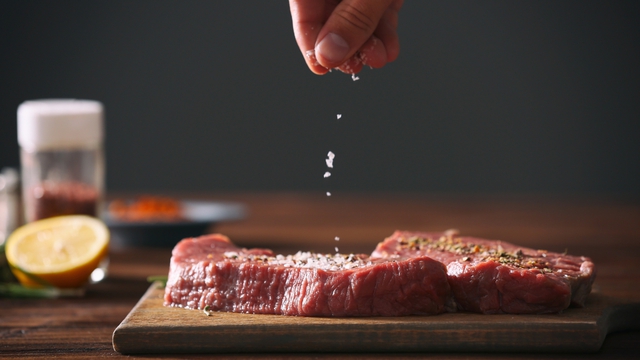
Eating salty foods not only increases blood pressure but also directly affects kidney function.
Choose healthy cooking methods: Techniques like baking, braising, roasting, or stir-frying help preserve natural flavors and reduce the need for added salt.
Eat plenty of potassium-rich foods.
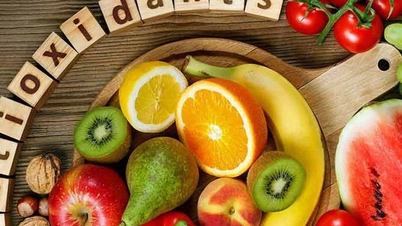
Potassium helps balance the effects of sodium and supports blood pressure reduction. Some potassium-rich foods include: potatoes, sweet potatoes, tomatoes, leafy greens; white beans, kidney beans; bananas, oranges, cantaloupe; non-fat yogurt, low-sodium tomato sauce.
Source: https://giadinh.suckhoedoisong.vn/an-man-co-suy-than-khong-172260401103232214.htm

![[Photo] General Secretary and President To Lam receives Amazon's Senior Vice President David Zapolsky](https://vphoto.vietnam.vn/thumb/1200x675/vietnam/resource/IMAGE/2026/05/22/1779466547770_a1-bnd-3513-6601-jpg.webp)
























































































Comment (0)