

1. Mushrooms are rich in micronutrients.
- 1. Mushrooms are rich in micronutrients.
- 2. Benefits of eating mushrooms
- 2.1 Eating mushrooms supports brain health.
- 2.2 Strengthening bone health with vitamin D
- 2.3 Improving the digestive system and gut microbiome
- 2.4 Immune System Support
- 3. Things to keep in mind when eating mushrooms every day
- 4. How should mushrooms be consumed to maximize their benefits?
Eating mushrooms is not only a culinary trend but also offers many health benefits. Mushrooms are a highly nutritious food. A serving of fresh mushrooms provides very few calories but contains many essential nutrients such as:
- Plant protein
- Fiber
- Potassium
- Folate (vitamin B9)
- Selen
- Vitamin D (especially in mushrooms treated with UV light)...
In addition, mushrooms contain beta-glucan – a type of soluble fiber that is beneficial for cardiovascular health and blood sugar control. Notably, mushrooms are one of the few plant-based foods that provide vitamin D – a crucial micronutrient for calcium absorption and maintaining bone health.
2. Benefits of eating mushrooms
2.1 Eating mushrooms supports brain health.
Recent studies suggest that regular mushroom consumption may be associated with better cognitive function in older adults. Several observational data points indicate that those who eat more mushrooms perform better on memory tests and information processing speed.
One compound of interest is ergothioneine (ERGO) – an amino acid with antioxidant properties. Low ERGO levels in the body have been linked to an increased risk of cognitive decline. However, it's important to emphasize that this is only an observed association. Brain benefits won't be apparent after just one week; long-term dietary support is necessary.

Mushrooms are a food with a high density of nutrients.
2.2 Strengthening bone health with vitamin D
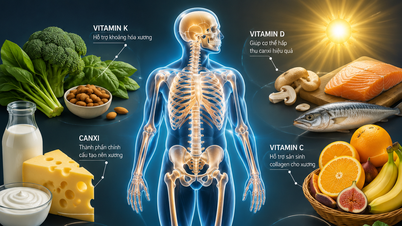
Vitamin D plays a crucial role in calcium absorption and maintaining bone density. A deficiency in vitamin D can increase the risk of osteoporosis, especially in older adults. Mushrooms are capable of synthesizing vitamin D when exposed to ultraviolet light. Some commercially available mushroom products are treated with UV light to increase their vitamin D content.
Regularly incorporating mushrooms into your diet is a way to supplement your vitamin D intake from plant sources, especially helpful for those who get little sun exposure or have diets that restrict animal products.
2.3 Improving the digestive system and gut microbiome
Mushrooms contain compounds that act as prebiotics – a source of "food" for beneficial bacteria in the gut. These substances are not digested in the stomach but travel down to the colon, where they stimulate the growth of beneficial microorganisms. When the gut microbiome is balanced, the body will:
- Better absorption of nutrients.
- Reduce inflammation.
- Strengthening the intestinal barrier...
This explains why many people find their digestion more stable when they eat mushrooms regularly.
2.4 Immune System Support
Mushrooms provide selenium – a mineral that plays a crucial role in the immune system and antioxidant activity. Selenium helps protect cells from damage caused by free radicals. In addition, beta-glucan in mushrooms can stimulate the activity of immune cells such as macrophages and natural killer cells. These cells help the body identify and eliminate pathogens.
Adding mushrooms to your diet may help boost your immune system, especially in an environment with many disease-causing factors.
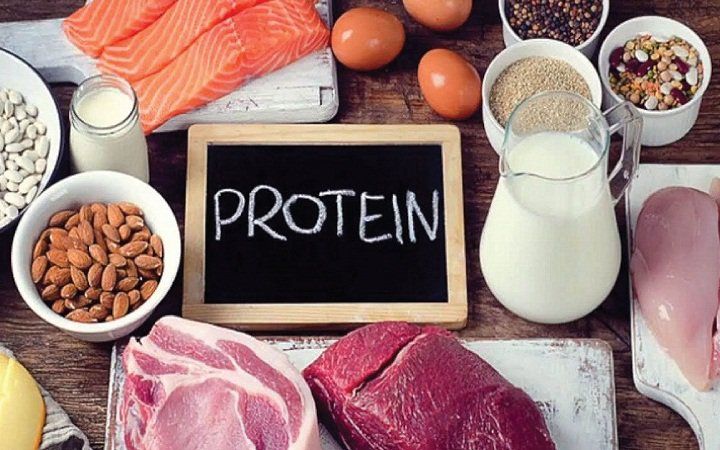
If using mushrooms as a meat substitute, you will need to supplement your protein intake.
3. Things to keep in mind when eating mushrooms every day
Despite their many benefits, mushrooms are not suitable for everyone. Some important considerations include:
Risk of protein deficiency if replacing meat entirely: Mushrooms have a texture similar to meat but a significantly lower protein content. If using mushrooms as a meat substitute, protein should be supplemented from other sources such as beans, eggs, and dairy.
Risk of allergies or indigestion: Some people may experience allergies or indigestion when eating mushrooms, especially raw mushrooms. Thorough cooking helps reduce this risk.
People with kidney disease should exercise caution: Mushrooms contain potassium. Those who need to restrict potassium intake due to medical conditions should consult their doctor before regular consumption.
Do not use wild mushrooms without consulting a doctor: Many poisonous mushrooms resemble edible ones. Picking and using mushrooms from the wild can lead to serious poisoning.
4. How should mushrooms be consumed to maximize their benefits?
To reap the benefits of mushrooms, you should:
- Eat a variety of mushrooms (shiitake mushrooms, oyster mushrooms, button mushrooms, enoki mushrooms, etc.).
- Combine it with other protein sources.
- Cook thoroughly before cooking.
- Maintaining consistency in the long-term diet...
Mushrooms are a highly nutritious food, suitable for inclusion in a daily diet. Eating mushrooms every day for a week may bring slight improvements in digestion, energy, and appetite. However, they need to be consumed in moderation and correctly to ensure effectiveness and safety for health. Important benefits such as supporting brain, bone, and immune systems take a long time to become apparent.
Please watch the video for more information:
Source: https://suckhoedoisong.vn/an-nam-moi-ngay-co-tac-dung-gi-169260326084543822.htm












































































































Comment (0)