

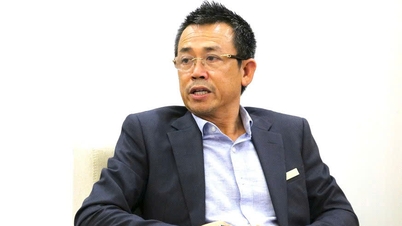
Mr. Mac Quoc Anh, Vice President and General Secretary of the Hanoi Small and Medium Enterprises Association (Hanoi SME), shared this with a reporter from TG&VN about the outstanding results that the Asia- Pacific Economic Cooperation (APEC) Forum has brought to Vietnam in general and the business community in particular.
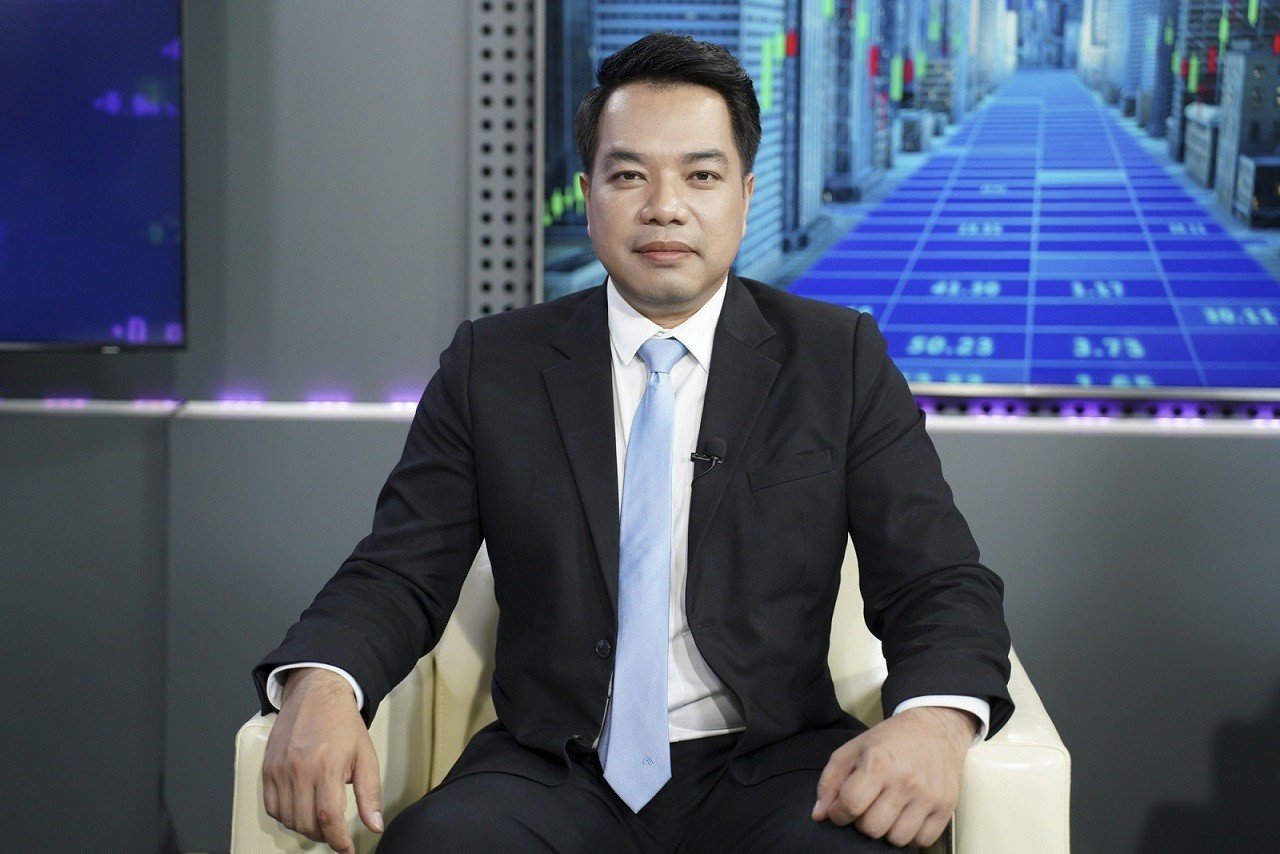 |
| Mr. Mac Quoc Anh, Vice President and General Secretary of the Hanoi Small and Medium Enterprises Association (Hanoi SME). (Source: Hanoisme) |
As the leading economic cooperation mechanism in the Asia- Pacific region, APEC offers enormous potential and opportunities for Vietnamese businesses. How do you assess the relationship between the Vietnamese business community and the APEC mechanism?
Over more than 30 years of formation and development, APEC continues to affirm its position as a leading regional economic integration mechanism, initiating and spearheading the trend of economic, trade, and investment liberalization in the region and globally, making significant contributions to economic growth and maintaining peace, stability, cooperation, and development in the Asia-Pacific.
APEC cooperation focuses on three main pillars: trade and investment liberalization, business facilitation, and economic and technical cooperation. The forum currently has 21 member economies, including leading global economies (the US, China, Japan, etc.), nine members of the Group of Twenty (G20), and many other dynamic emerging economies.
Vietnam's participation in APEC and its commitment to opening up trade and investment, and facilitating business, have contributed to creating momentum for domestic reforms and gradually improving institutional policies and regulations in line with international commitments.
Therefore, APEC lays the groundwork for Vietnam to participate in broader arenas with greater levels of commitment, such as the World Trade Organization (WTO) or new-generation FTAs.
APEC also supports businesses – especially small and medium-sized enterprises – in accessing markets, benefiting from a favorable investment and business environment and travel conditions, finding strategic investors, and accessing advanced technology and management expertise.
Therefore, this is an opportunity for businesses to innovate their corporate governance and enhance their competitiveness. This is reflected in the increasing import and export turnover and the growing list of import and export products; the trade balance is now aligned between exports and imports.
As a member of APEC, Vietnam benefits from support aimed at enhancing its capacity for international integration. One of APEC's three main pillars is economic and technical cooperation. APEC supports developing economies in improving their capacity for economic reform and regional integration, contributing to narrowing the development gap.
The implementation of commitments, policy synchronization, and APEC support projects have contributed to enhancing the international integration capacity of ministries, localities, and businesses, and strengthening the knowledge and experience of officials working on integration. Cooperation programs on enhancing student exchanges, promoting tourism, and people-to-people exchanges have brought many great opportunities for people, especially the younger generation.
What are the future prospects and opportunities for businesses in APEC member economies, sir?
Participating in APEC and fulfilling commitments on trade and investment liberalization and business facilitation contributes to creating momentum for domestic reforms, gradually improving institutional policies and regulations in line with international commitments.
APEC has laid the groundwork for Vietnam and its business community to participate in broader and more committed arenas such as the WTO and FTAs, including new-generation, high-standard FTAs.
Fulfilling international commitments also serves as a leverage to realize the determination to build an honest, constructive, and proactive government that serves the people and businesses. This mechanism also provides a foundation for businesses to attract investment and participate in global value chains, and is an opportunity for the government to enact policies that facilitate business development, especially in terms of capital, investment in transportation infrastructure, trade, and import-export.
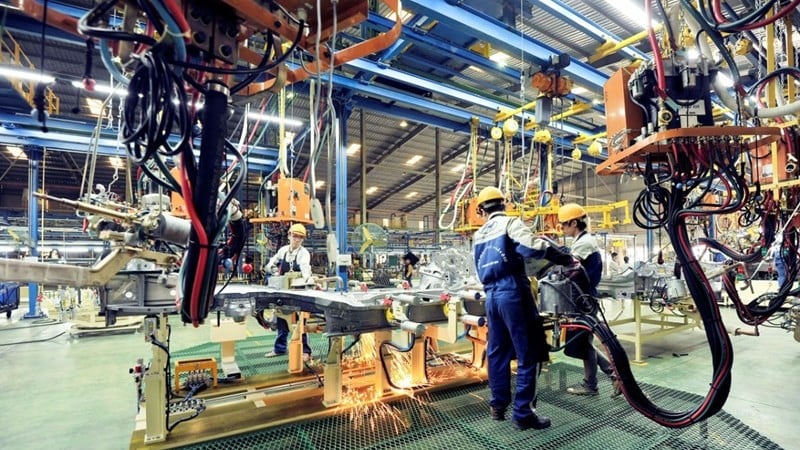 |
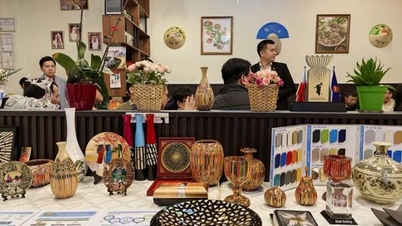
| Vietnamese businesses need to unite along the value chain to link industries and support each other's development. (Illustrative image. Source: VGP) |
In order to participate in and better utilize the opportunities from this cooperation mechanism, what, in your opinion, does the Vietnamese business community need to do?
In a hyper-connected world, the Asia-Pacific region continues to be a global hub of development. Entering its fourth decade of development, amidst rapid and profound changes in the global and regional landscape, and under the powerful impact of the Fourth Industrial Revolution, APEC is undergoing fundamental transformation, increasingly expanding the scope of cooperation towards more practical benefits for its people and businesses.
After more than 30 years of Doi Moi (Renovation) and international integration, Vietnam is entering a strategic development phase with a new position and stature, continuing comprehensive reforms, deep international integration, and elevating multilateral diplomacy. The Asia-Pacific region and APEC continue to be key areas in implementing our country's foreign policy in this new era.
To meet regional and global trends, in my view, Vietnamese businesses need to unite along the value chain to link industries and support each other's development. At the same time, it is necessary to strengthen national trade promotion and technology innovation programs, creating more technology fairs so that businesses can understand market demands and meet the requirements of exporters when they come to Vietnam.
From Hanoi SME's perspective, what has the Association done to support businesses in participating in, connecting with, and cooperating with businesses within APEC in particular and around the world in general?
Our association has signed cooperation agreements with associations in several countries around the world and in the region. We regularly coordinate with trade attachés of various countries in Vietnam, through the Ministry of Industry and Trade and the Ministry of Foreign Affairs, to learn about emerging markets, especially product specifications, consumer preferences, and cultural practices regarding product design. We also study regulations on technical barriers, thereby avoiding errors in the import and export process.
In addition, we organize online networking programs with countries where in-person visits are not possible. Through trade attachés from various countries, we gain insight into numerous orders, payment methods, and valuable business lessons.
Thank you, sir!
Source
![[Photo] Prime Minister Pham Minh Chinh presides over a meeting on private sector economic development.](/_next/image?url=https%3A%2F%2Fvphoto.vietnam.vn%2Fthumb%2F1200x675%2Fvietnam%2Fresource%2FIMAGE%2F2025%2F12%2F20%2F1766237501876_thiet-ke-chua-co-ten-40-png.webp&w=3840&q=75)

































































Comment (0)