

Apple recently issued an urgent warning about a sophisticated and organized wave of spyware attacks targeting specific individuals in 92 countries. According to The Economic Times, the company sent an email warning targeted individuals that they were "the target of a mercenary spyware attack attempting to remotely compromise iPhones."
The email explained that the attacks were specifically targeting individuals because of their particular identities and jobs. While the email stated that Apple couldn't be 100% certain such attacks existed, the company was confident in its findings and urged everyone to take them seriously.
On April 10th, Apple also updated its support page regarding threat alerts and "spyware" attacks. The page explains how spyware attacks work, how Apple will warn users if they are victims of such an attack, and what to do if you are the target of this type of attack.
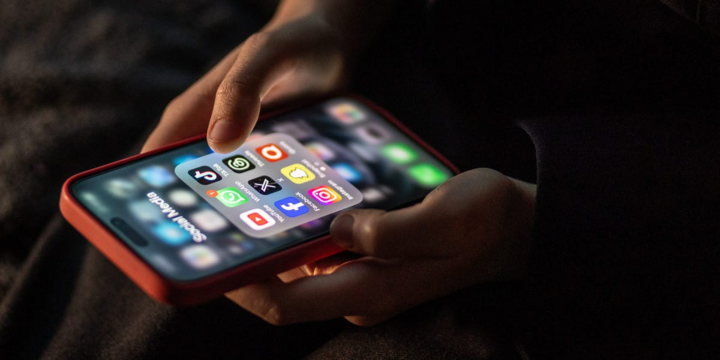
These software programs target specific individuals. (Image: Insider)
It's particularly important to note that this software doesn't randomly attack everyone globally. The individuals "targeted" are a small number of politicians , journalists, activists, and other influential figures in society.
What is a "mercenary spy" attack?
So what exactly is a mercenary spyware attack, and should iPhone users be worried? On the one hand, most iPhone users will never be targeted by these types of attacks because they are very expensive and sophisticated. However, this type of attack causes significant damage because the attacker can remotely control and steal sensitive data from the user's device.
According to ZDNet, the purpose of attacks is often to retaliate against someone for their statements or actions, especially if they "touch upon" the power behind the attacks.
More sophisticated and advanced than typical cybercrime, mercenary spyware attacks typically target a small number of people. According to Apple, these attacks can cost millions of dollars and often occur over short periods, posing a challenge to anyone attempting to detect and prevent them.
Although this type of behavior is rare, Apple has sent threat notifications multiple times each year since 2021, notifying users in over 150 countries to date.
Perhaps the most well-known spyware with this type of attack is Pegasus from NSO Group. This software is used in mercenary espionage campaigns against journalists, prominent politicians, and other individuals.
NSO typically evades responsibility, claiming that the company only sells Pegasus to intelligence or law enforcement agencies and that Pegasus can only be used to combat terrorism and crime.
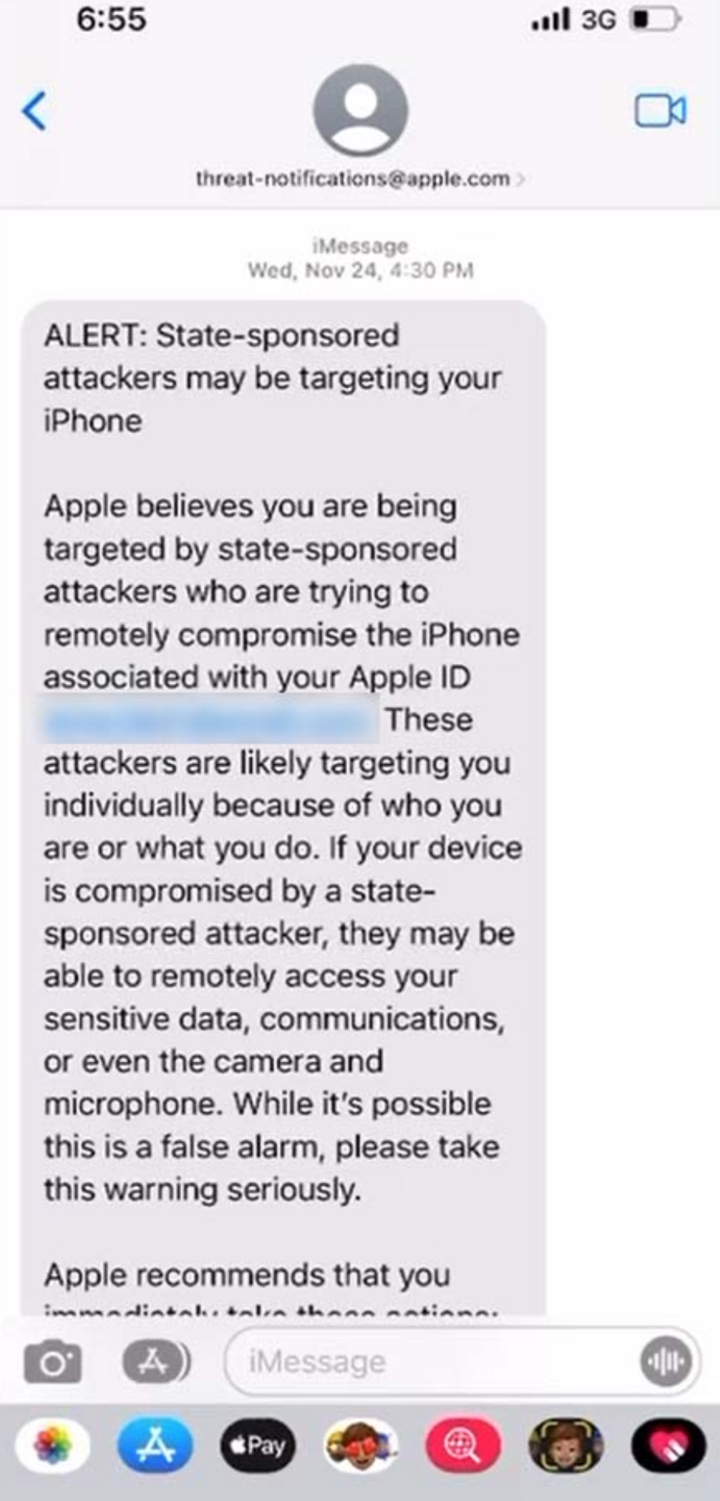
This is a sample message Apple sent out to warn some users about spyware. The company says the warning may still be false, but asks users to take it seriously. (Image: X)
However, Apple and other companies sued NSO for its role in previous attacks. Apple was also forced to build and deploy fixes for iPhones, iPads, Macs, and Apple Watches to address vulnerabilities exploited by Pegasus.
Apple typically notifies users of hacks multiple times a year in two ways: by displaying a warning at the top of the page after users log in to their Apple ID, or by sending emails and iMessage notifications to the email addresses and phone numbers associated with the user's account.
Apple stated that it could not provide further information about the reason for this notification because doing so could help attackers adjust their behavior to avoid detection in the future.
Source





































































































Comment (0)