

Targeting the export market
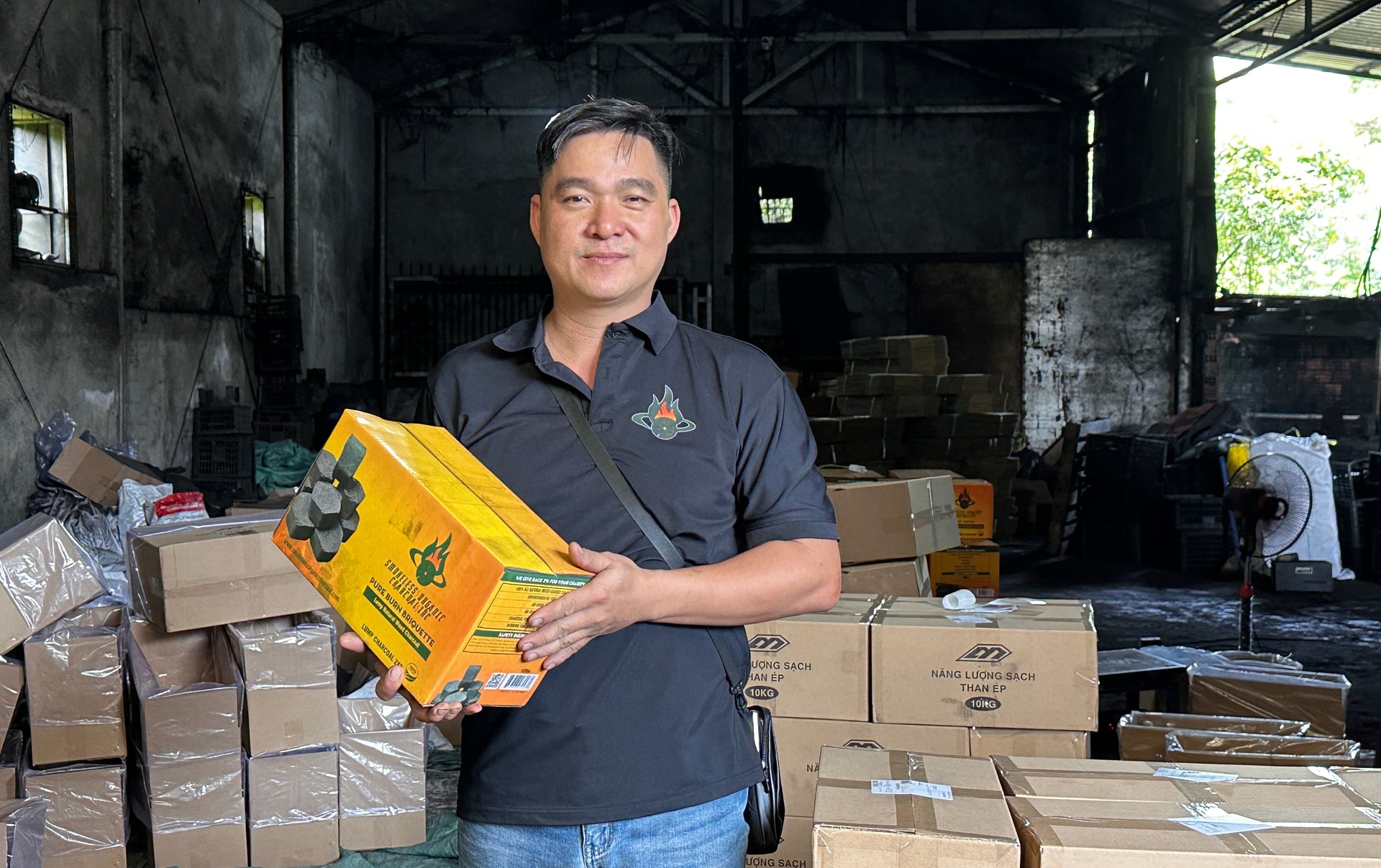
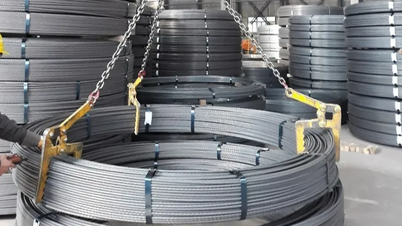
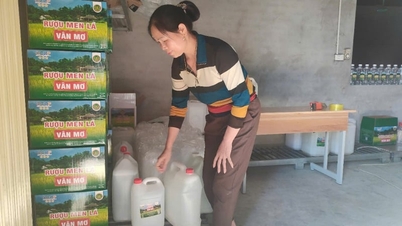
In An Tay village (Nui Thanh commune), a production facility spanning approximately 1,000 square meters , employing over 20 workers, operates continuously from raw material collection to finished product packaging, maintaining a steady export volume of around 40 tons of biomass charcoal, generating over 2.4 billion VND in foreign currency. While not large in scale and lacking sophisticated technology, the story of Quang Nam Clean Energy Co., Ltd. demonstrates a noteworthy shift in current entrepreneurial thinking.
According to Mr. Nguyen Quang Nam, the company's director, recognizing the wasted resources in local agricultural and industrial production such as sawdust, coffee husks, rice husks, and waste wood, while the demand for clean fuel in the international market is increasing, the company chose to recycle and produce biomass charcoal using screw press technology, aiming to meet stringent technical standards regarding calorific value, moisture content, and ash content.
“Locally, raw materials and labor are readily available, but if we only consume domestically, the product's value is very low. When we approached the international market, we realized that they evaluate products based on quality and standards. From there, the business determined that it had to expand its market early on, because that is the way for the product to be recognized for its true value,” Mr. Nam said.
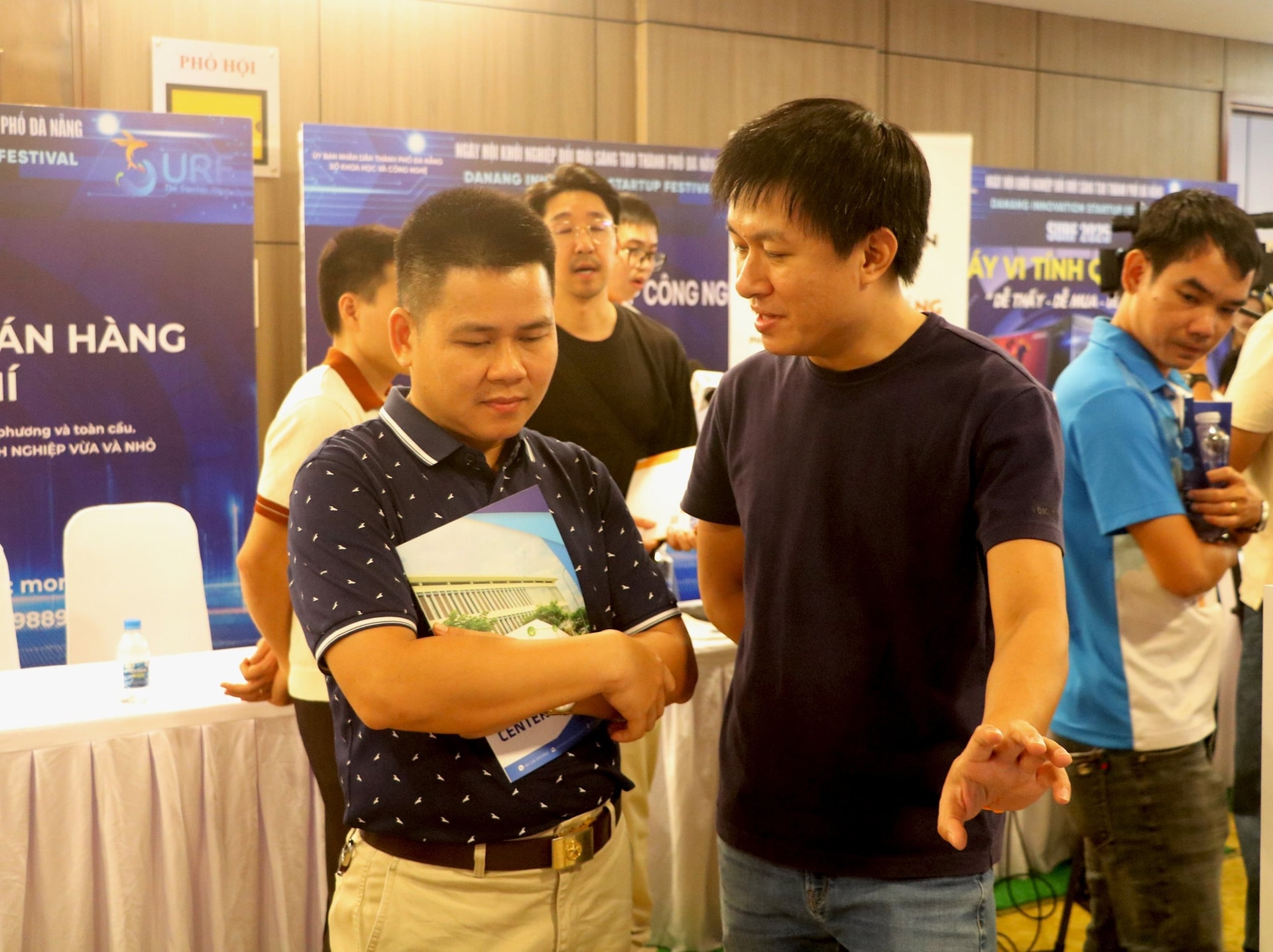
Since 2023, Quang Nam Clean Energy's first orders have come from B2B e-commerce platforms, through online connections and intermediaries. Small in scale and with short delivery times, these orders served as a test of operational capacity. From these trial shipments, the company gradually adjusted its production processes, quality control, and expanded its market to South Korea, Japan, and the Middle East.
In the realm of digital platforms, Skoolib's story of digital library management demonstrates a similar approach in the technology environment. From the very beginning, the development team positioned the product for multiple markets, languages, and library models.
Mr. Nguyen Tan Tien, CEO of Skoolib, said: “From the beginning, the system was designed according to international library standards such as MARC21, AACR2, and ISBD so that it could be used in many countries. When the product launched, reaching international users happened almost naturally through digital platforms.” Over time, Skoolib has gradually reached customers through digital channels, leveraging user data to adjust the product, while also relying on the experience accumulated from the Handy Library application to build initial trust with partners.
The shift in trends towards accessing foreign markets reflects a change in entrepreneurial thinking, as young businesses proactively seek out overseas markets while leveraging existing advantages, from local raw materials to digital platforms, which are factors that create competitiveness.
Leveraging local advantages
For manufacturing businesses like Quang Nam Clean Energy, all raw materials are collected from agricultural and industrial waste, creating a closed-loop, circular production chain. In the context of an international market increasingly concerned about environmental factors, this very story becomes an integral part of the product's value.
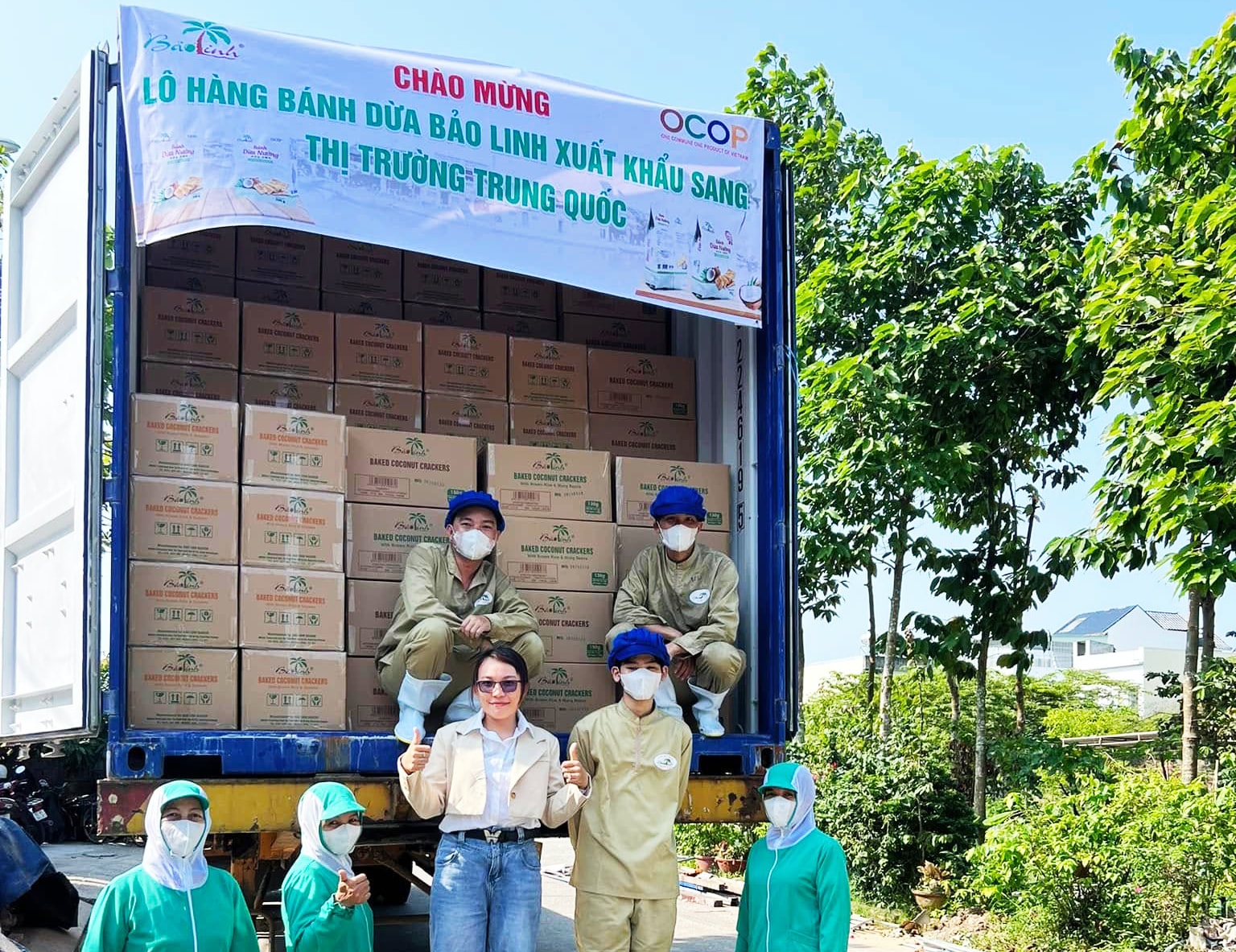
"Foreign customers are interested in quality consistency, delivery reliability, and the story behind the product. When we can demonstrate those factors, they are willing to cooperate long-term," said Nam.
Meanwhile, in the technology sector, digital platforms play a crucial role in bridging the gap between businesses and the market. Skoolib primarily reaches international customers through online channels such as Google Play, the App Store, websites, and search engines. With limited resources, this is a way to test market demand and expand reach without significant investment in a physical presence.
Tien stated: “Digital platforms help startups overcome geographical barriers. A good product can reach global users as soon as it launches. At the same time, user data helps businesses adjust products faster and more effectively to suit each market.”
In addition, cost advantages and adaptability are factors that help Vietnamese startups compete in niche markets. Product development costs and the cost of operating a technical team remain competitive compared to many countries, while deployment speed and flexible adjustments become strengths during the testing phase.
Conversely, the international market also imposes higher standards, forcing businesses to comprehensively upgrade from products to processes. Mr. Huynh Trung Trong, Director of Olivin Logistics, a company specializing in supporting the export of products from Vietnam to European countries, believes that the process of perfecting products to meet international standards contributes to the development of a startup's true capabilities, as each order not only generates revenue but also serves as a verification of quality and reputation.
“In recent years, young domestic businesses have been gradually developing their market approach, building competitive advantages from a combination of digital platforms and local resources. When the first inflows of foreign currency begin to come in from these models, it demonstrates the efforts of each business and also signals that a correct direction is gradually taking shape in the startup ecosystem,” Mr. Trong added.
Source: https://baodanang.vn/ba-do-tu-nen-tang-cong-nghe-3329866.html





![[Photo] General Secretary and President To Lam receives Amazon's Senior Vice President David Zapolsky](https://vphoto.vietnam.vn/thumb/1200x675/vietnam/resource/IMAGE/2026/05/22/1779466547770_a1-bnd-3513-6601-jpg.webp)






















































































Comment (0)