

Northern Vietnam's transportation infrastructure is developing rapidly with ring roads, expressways, metro lines, and inter-regional networks, paving the way for the trend of urban centers shifting from the capital to its suburbs. According to experts, the chain of satellite cities is an inevitable trend, contributing to population decentralization and expanding regional development space.
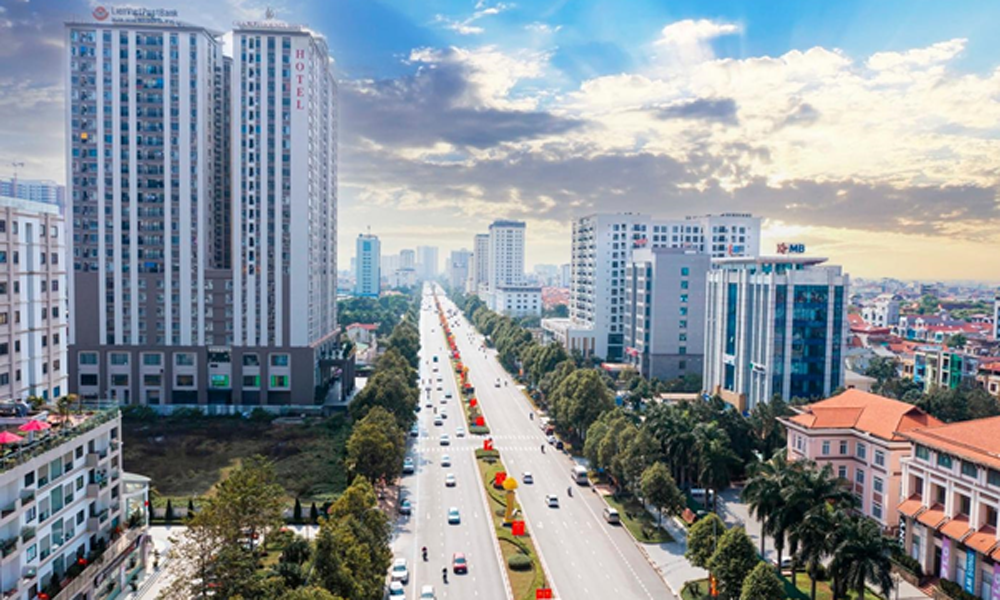 |
Bac Ninh is on the path of integration and development, aiming to become a centrally-governed city. |
Located in the heart of the Hanoi-Hai Phong-Quang Ninh economic triangle, with a strong industrial base and an attractive investment environment, Bac Ninh attracts FDI and high-quality residents, while also sharing the population pressure with Hanoi. The emergence of large-scale urban areas with complete infrastructure and integrated amenities not only meets housing needs but also creates momentum for sustainable development.
Planning for a future centrally-governed city.
In 2024, the Hanoi area and eight neighboring provinces attracted over $12 billion in FDI, accounting for nearly one-third of the national total. Among them, Bac Ninh and Bac Giang emerged as two prominent investment destinations, attracting a large number of experts and engineers.
The decision to merge the two provinces has opened up tremendous development opportunities for the key industrial center in the North. According to the Bac Ninh planning 2021-2030, with a vision to 2050, the goal is for the province to become a centrally-governed city by 2030, developing according to the model of a "Smart City - Industry - Services - Culture".
Bac Ninh currently ranks among the top provinces nationwide in attracting FDI, home to major corporations such as Samsung, Canon, Foxconn, and JA Solar. The large number of experts and highly skilled workers creates significant demand for high-end housing and services. The province is also collaborating on the construction of several universities, welcoming tens of thousands of students annually, fostering a young intellectual workforce and a driving force for sustainable development.
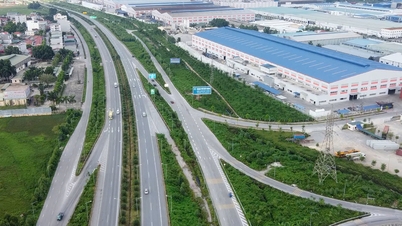
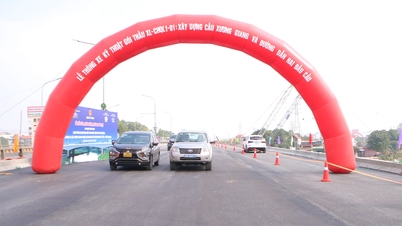
The region's infrastructure has received significant investment, including the Hanoi - Bac Giang - Lang Son expressway, Ring Road 4, along with the planned Gia Binh airport, inter-provincial metro system, and two international railway lines, Dong Dang - Hanoi and Lao Cai - Hanoi, creating a springboard for Bac Ninh to move towards becoming a modern industrial city.
The intersection offers many new and attractive local features.
Within that infrastructure network, the new administrative center's six-way intersection stands out as the province's thriving hub. It's the junction of six major thoroughfares: Vo Van Kiet, Hung Vuong - Tay Yen Tu, Hung Vuong Extension, Mai Thi Vu Trang, Tran Quoc Hoan, and a key planned route.
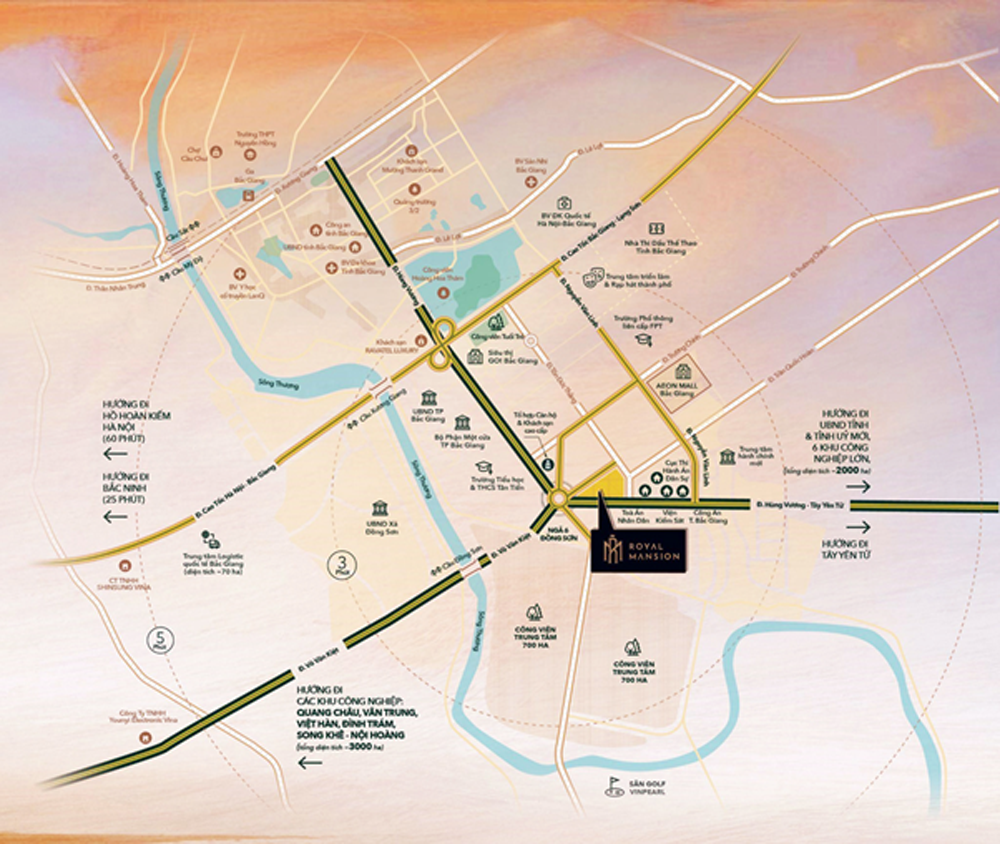 |
| The Six-Way Intersection is a key point connecting the province's transportation, commercial, and administrative routes. |
The area, adjacent to the southern industrial zone, the administrative center, the central park, and numerous international amenities, creates a dynamic space. Land around the six-way intersection is being developed for projects such as the high-end mixed-use urban and entertainment complex Royal Mansion, Thien An Central, along with a complex of apartments, hotels, and shopping centers.
With its modern architectural design, the new administrative center of the province is gradually changing its appearance, attracting tourism and trade, promoting socio-economic development, and becoming a destination for investment capital.
Source: https://baobacninhtv.vn/bac-ninh-quy-hoach-giup-but-pha-vung-ve-tinh-postid430367.bbg


![[Photo] Prime Minister Pham Minh Chinh presides over a meeting on private sector economic development.](/_next/image?url=https%3A%2F%2Fvphoto.vietnam.vn%2Fthumb%2F1200x675%2Fvietnam%2Fresource%2FIMAGE%2F2025%2F12%2F20%2F1766237501876_thiet-ke-chua-co-ten-40-png.webp&w=3840&q=75)






















































Comment (0)