

 |
Trash covers the beaches of Kuta in Bali, Indonesia, on January 23. Photo: SCMP . |
In the capital city of Denpasar, the vibrant flower arrangements displayed in front of Yuvita Anggi Prinanda's shop cannot mask the stench of garbage accumulating everywhere. The paradox between the beauty of tourism and the increasingly alarming environmental situation is striking.
Since the beginning of April, authorities in Bali, Indonesia, have banned the entry of organic waste into Suwung Island's largest landfill, enforcing a long-standing ban on open-air landfills, according to Reuters . Operating since 1984, Suwung processes approximately 1,000-1,200 tons of waste daily, sometimes reaching 1,800 tons, far exceeding its designed capacity. Authorities plan to completely close the landfill by August 1st.
However, the lack of an immediate alternative has resulted in garbage accumulating on the streets, attracting rats or being burned by residents, creating toxic fumes that raise health concerns.
"As a businesswoman, this is really annoying. Some customers probably didn't buy anything because of the smell," said Yuvita, 34. She has to use a portion of her meager profits to hire a private company to clean up the trash near her store. Her store alone generates about four large bags of trash a day, mostly leaves and flower stems.
In many areas, people have resorted to burning trash or illegally dumping it along roadsides and canals. "One out of every three or four houses on my street burns trash. It's on a small scale, but it adds up to a lot," a Denpasar resident told Bloomberg .
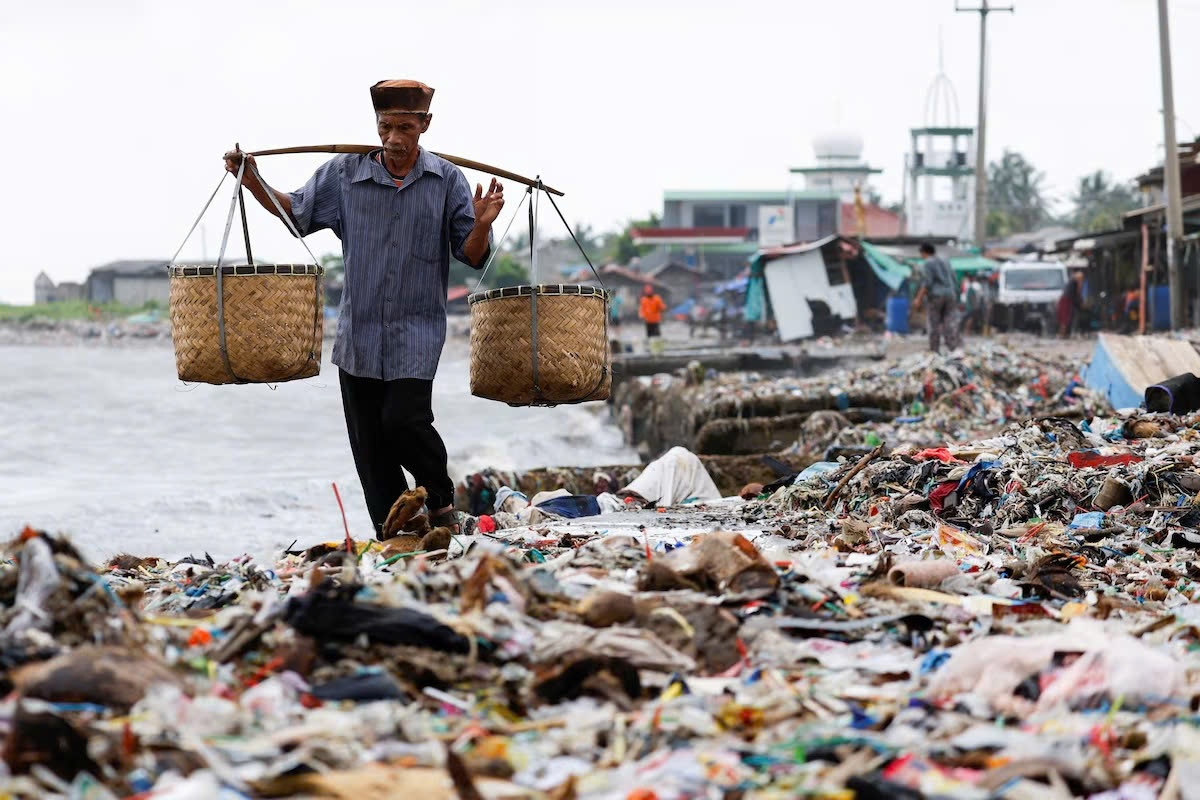 |
People walk past piles of garbage, mostly plastic and household waste, on a beach in a fishing village in Banten province, Indonesia. Photo: Reuters. |
Every day, Bali generates approximately 3,400 tons of waste. Across Indonesia, this figure exceeds 40 million tons annually, but only about one-third is officially processed, with the rest often dumped into the environment. In Bali, about 52% of the waste is not properly disposed of, and there are as many as 1,000 illegal dumpsites operating on the island.
The consequences have spread to key areas of the tourism industry. At Kuta, one of the most popular beaches, litter is piled high in public spaces and near hotels, while cleanup efforts are not keeping pace. The Kuta Beach management says they have collected some of the trash but lack the resources to handle it all.
Last year, Bali welcomed approximately 7 million tourists, far exceeding its population of 4.4 million, putting immense pressure on its already overloaded waste management system. Images of litter appearing at resorts have raised concerns about the tourist experience.
"There are a lot of rats at night, the smell is terrible, and it doesn't look nice at all," said an Australian tourist in Kuta.
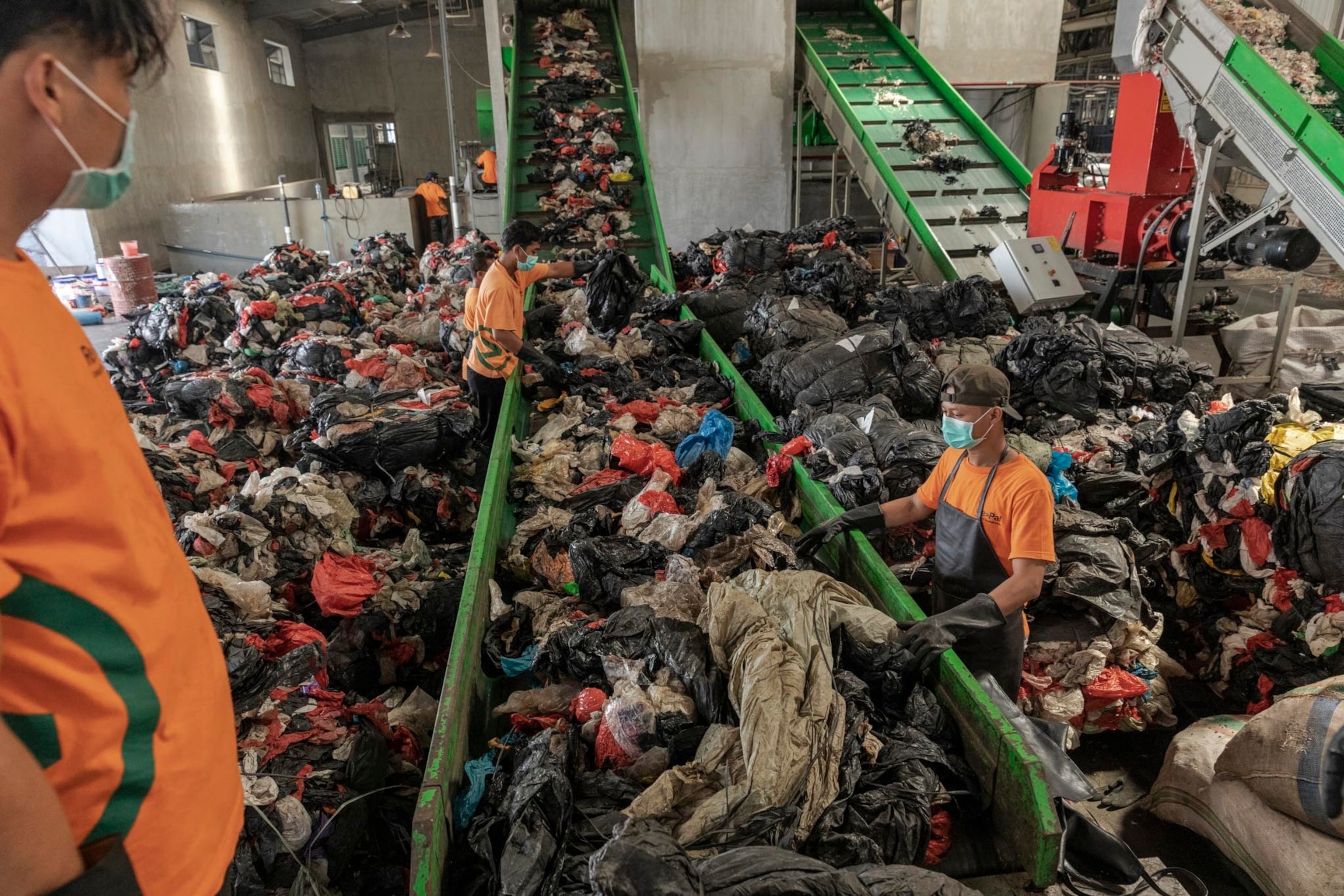 |
Workers load plastic materials onto trucks for washing and crushing at a recycling facility in Pasuruan, East Java. Photo: National Geographic. |
Indonesian officials acknowledge that the environmental situation in Bali directly impacts the country's image.
"Bali is the window to Indonesia. If the beaches are clean, the country will be seen as environmentally friendly," an environmental official once remarked, noting that the amount of trash in Suwung far exceeds estimates based on the local population, highlighting the significant role of commercial activity.
The governor of Bali said that a waste-to-energy plant in Denpasar, with a capacity of about 1,200 tons per day, is expected to begin construction at the end of June, but it could take many years to become operational.
In the meantime, penalties have been tightened. Those who dump or burn garbage could face up to three months in prison and fines of around £2,100. However, authorities acknowledge that enforcement remains difficult due to a lack of alternative options for residents.
In addition to internal problems, Bali also faces a seasonal influx of trash from Java, Indonesia's most populous island, which washes ashore during the monsoon season, creating a recurring "tide of trash" phenomenon every year.
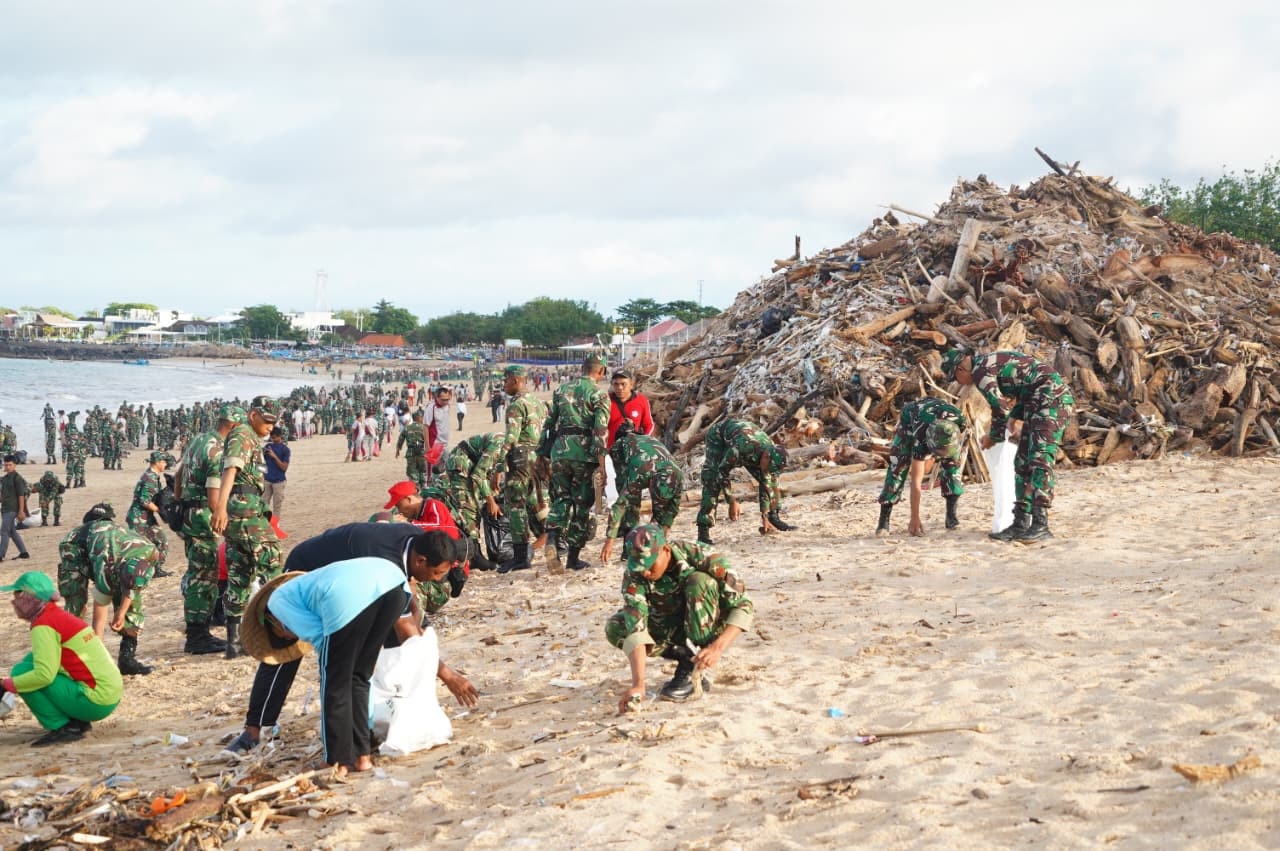 |
Dozens of Indonesian soldiers and military volunteers clean up Kedonganan beach in Badung district on January 3. Photo: Udayana Military District Command. |
Source: https://znews.vn/bali-chim-trong-rac-post1649220.html




















































































Comment (0)