

Preserving cultural "essence" within the urban flow.
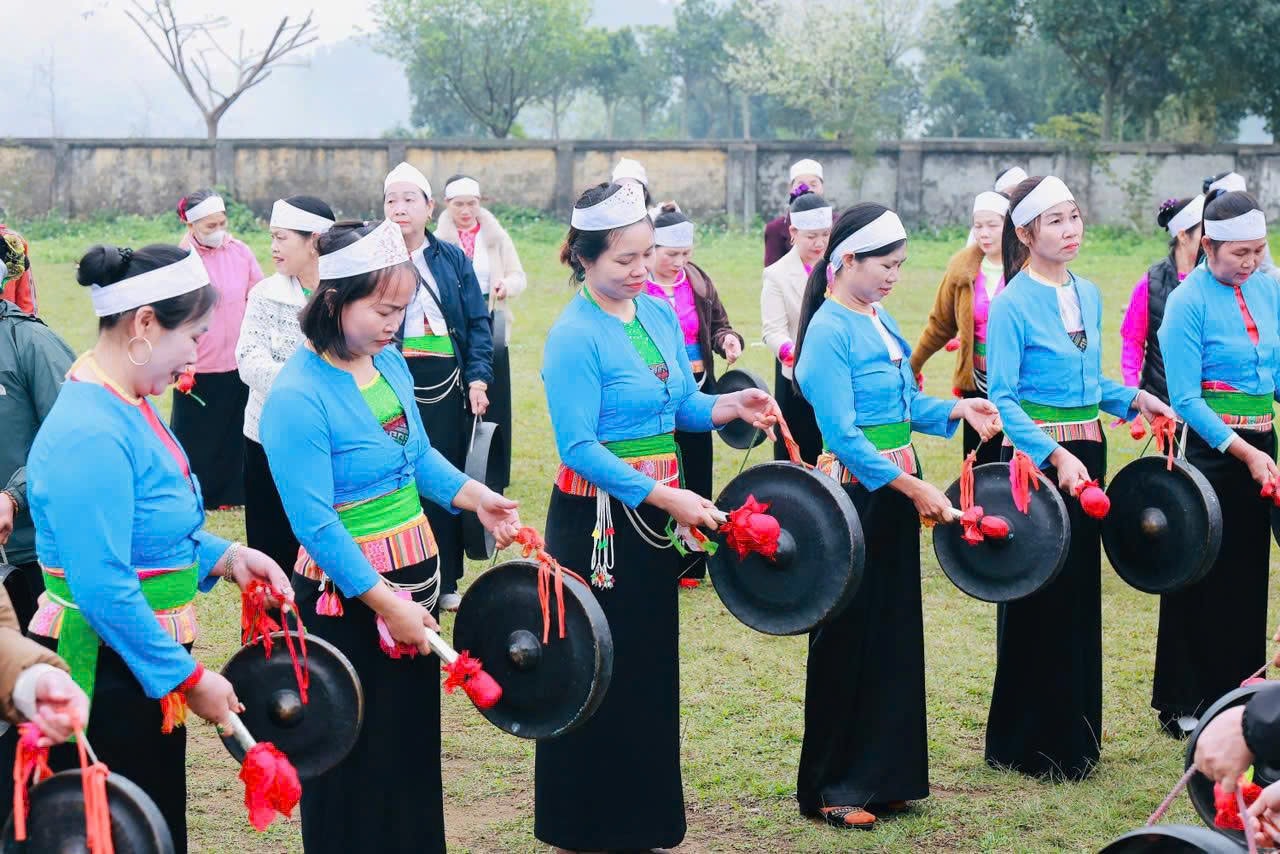
Hanoi currently has over 109,000 ethnic minority people, accounting for approximately 1.3% of the population, representing 48 out of 53 ethnic groups nationwide. This is not just a statistic but also a vivid testament to the cultural diversity in the heart of the capital – a place where many traditional values converge and intertwine.
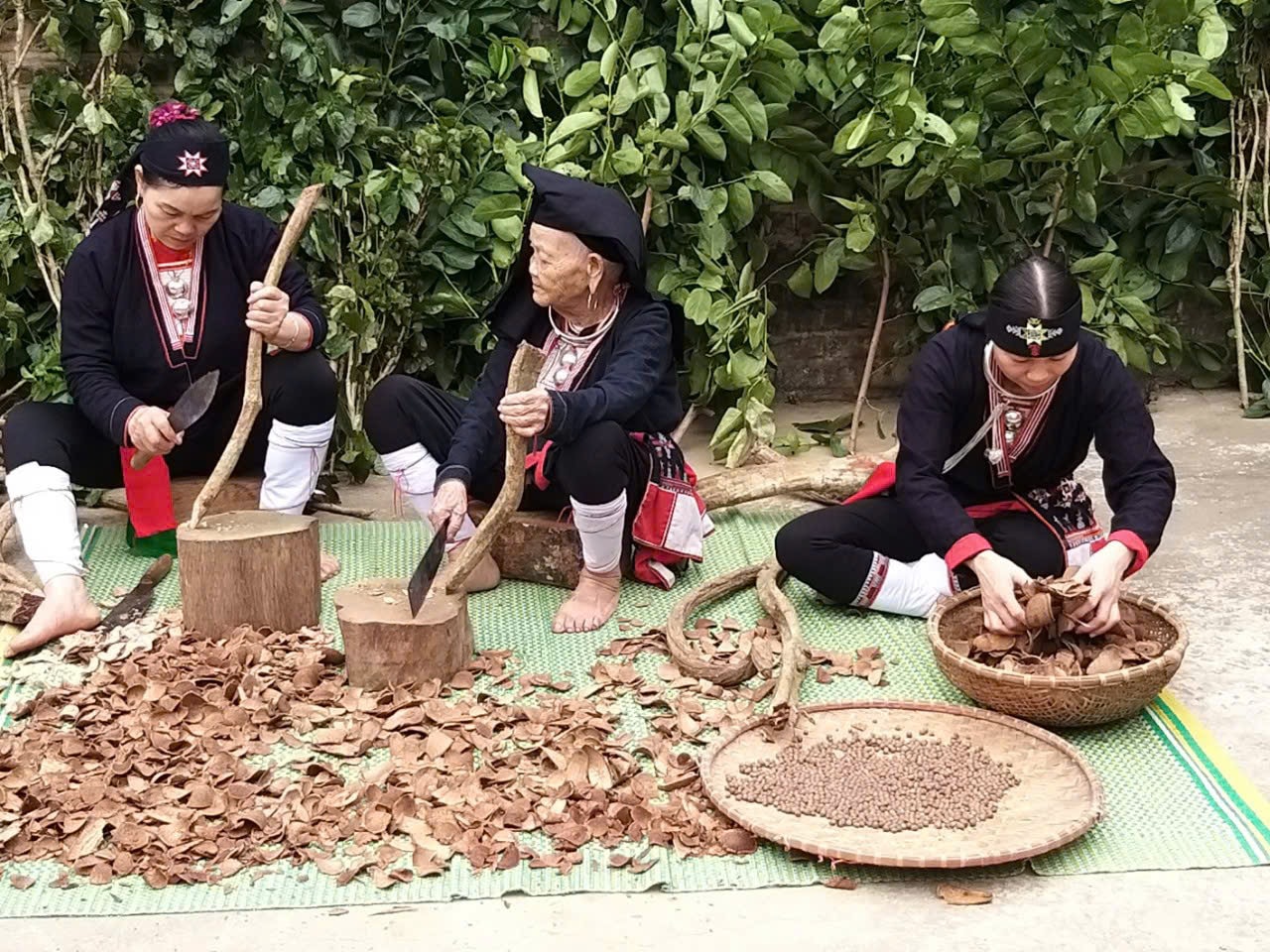
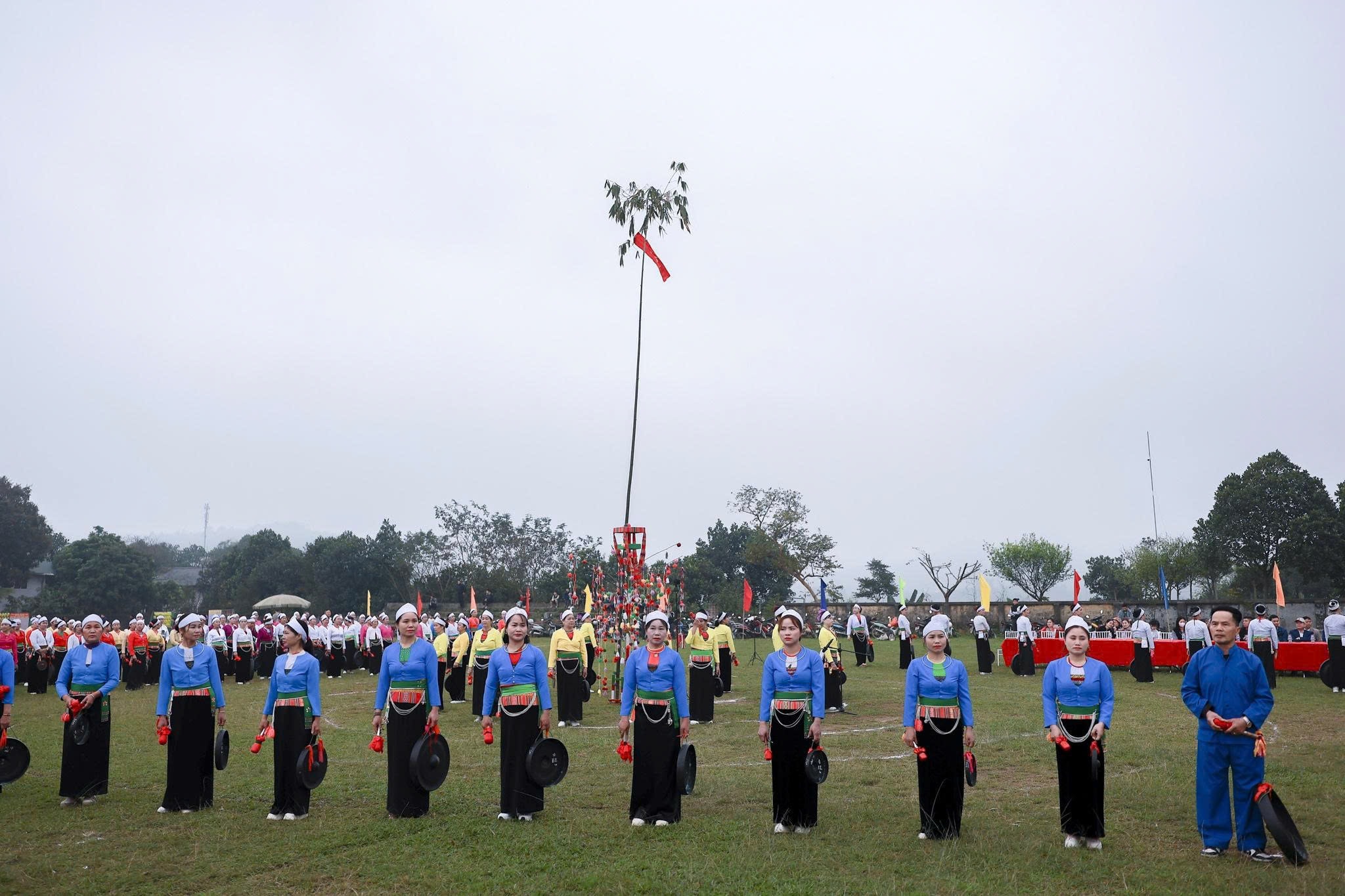
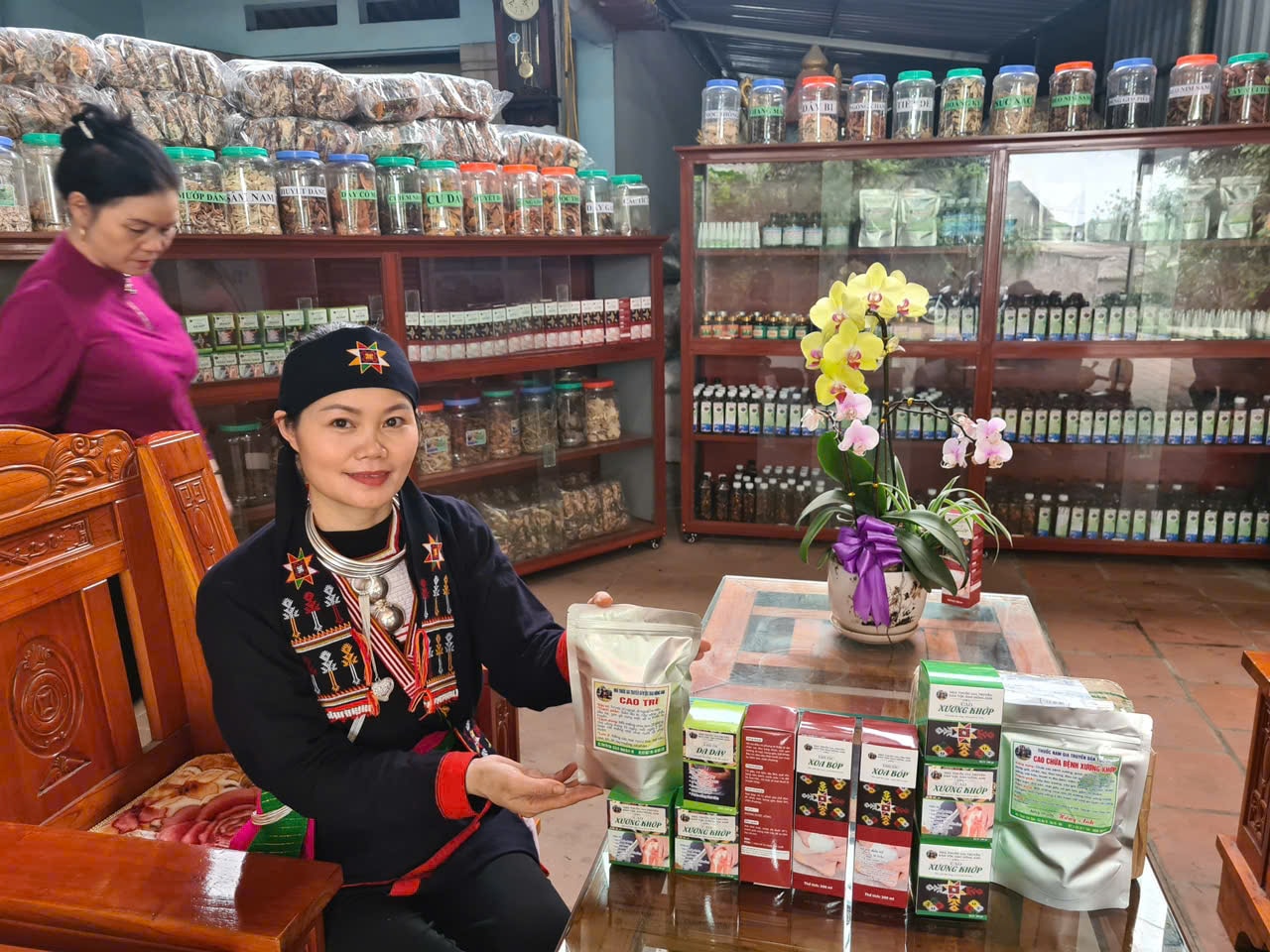
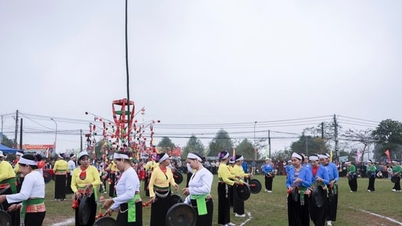
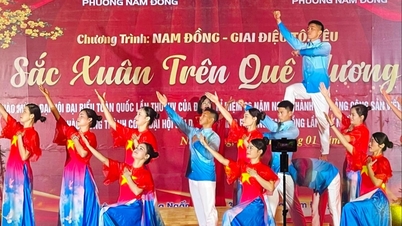
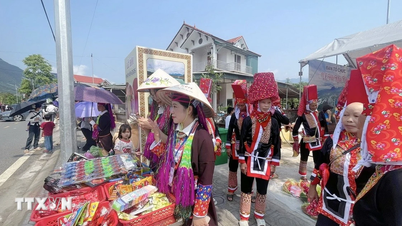
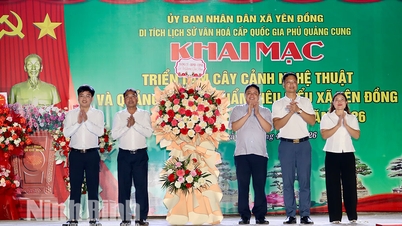
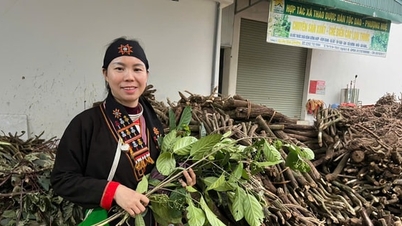
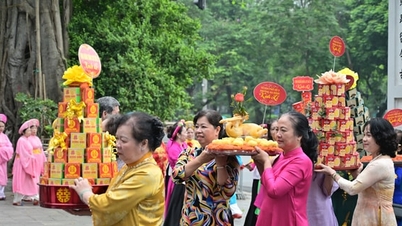
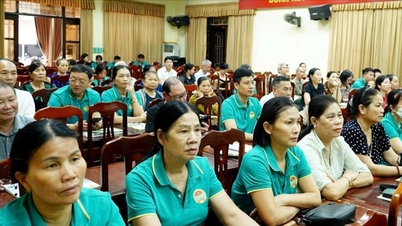
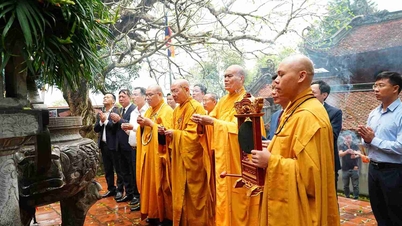
In mountainous and semi-mountainous communes such as Ba Vi, Yen Xuan, Phu Cat, and My Duc, the Muong, Dao, and many other ethnic communities still maintain their distinctive cultural lifestyles. The resounding gongs in festivals, the traditional herbal remedies of the Dao people, folk songs, and traditional costumes are still present not only in performances but also in daily life. For example, in Phu Man (Phu Cat commune) and Dong Xuan (Yen Xuan commune), annual classes are held to teach folk culture, revive festivals, and organize community activities. Through these efforts, cultural values are not only "preserved" but also "practiced," contributing to the continued vitality of the heritage.
However, under the impact of urbanization, traditional cultural spaces are gradually shrinking. Much of the land used for production and community activities is being converted to other uses; modern buildings are gradually replacing traditional architecture. Labor migration, especially of young people leaving their hometowns for work elsewhere, disrupts the transmission of culture. Furthermore, the strong influx of foreign cultures and modern lifestyles is also affecting the perceptions of some people. Some customs and traditions are gradually being forgotten; traditional clothing is less frequently used in daily life; and ethnic languages face the risk of extinction.
According to Mr. Bui Duy Quang, Deputy Director of the Hanoi Department of Ethnic Minorities and Religions, ethnic minorities are an inseparable part of the cultural life of the capital city. "Not only do they contribute to enriching cultural identity, but they are also the creative subjects who directly preserve and promote traditional values," Mr. Quang emphasized.
This shows that, in the context of urbanization, cultural preservation cannot rely solely on top-down policies, but must originate from the community itself – where culture is born, nurtured, and developed.
Awakening cultural resources
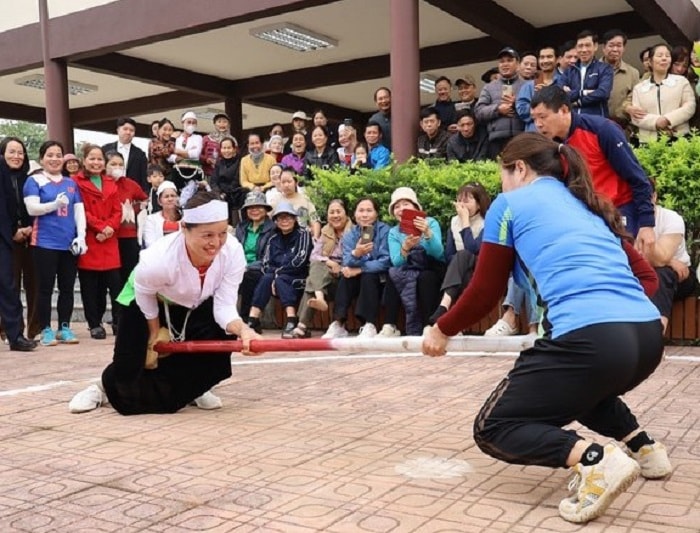
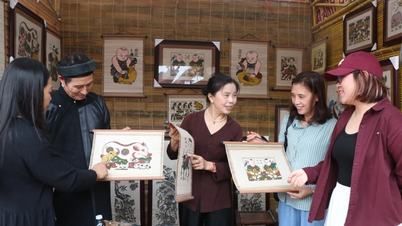
Recognizing the challenges, Hanoi has implemented many comprehensive solutions to preserve and promote the culture of ethnic minorities. The focus is on the National Target Program for Socio-Economic Development in Ethnic Minority Areas for the period 2021–2030, along with the concretization of major orientations for cultural development. The city has prioritized investment in grassroots cultural institutions, from village cultural centers to community spaces. Many traditional craft villages have been restored; festivals have been systematically revived; and intangible cultural forms have been documented and submitted for recognition.
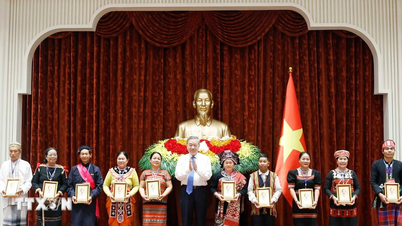
In particular, policies supporting artisans have been effectively implemented, creating conditions for these "living treasures" to continue passing on their heritage. Many folk culture clubs have been established, attracting the participation of a large number of people, especially the younger generation.
Mr. Bui Duy Quang stated that the greatest effectiveness of the policies lies not only in the construction projects, but also in the revival of culture within the community. When people proudly wear traditional clothing, use their ethnic language, and organize rituals in their daily lives, that is a clear manifestation of successful preservation.
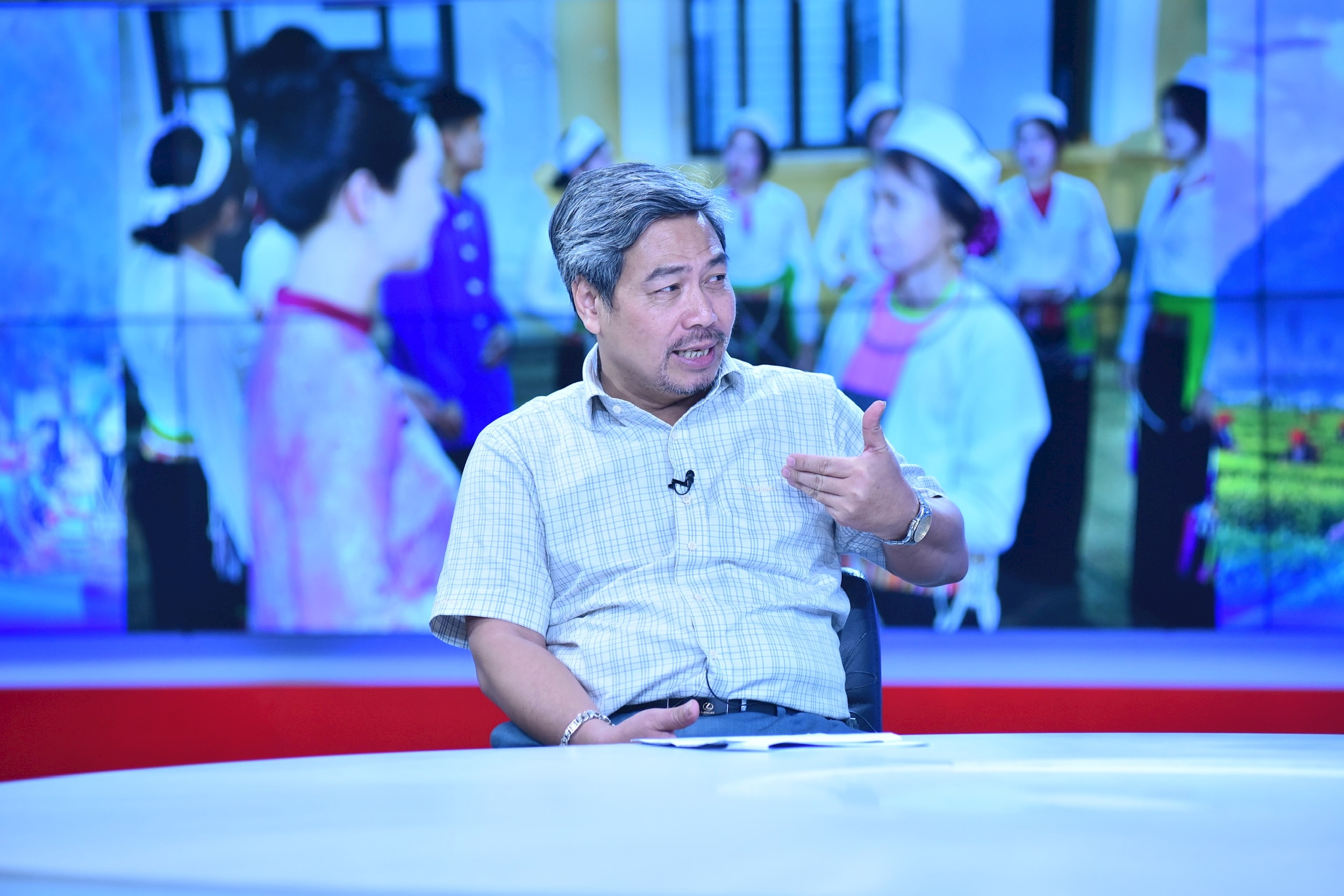
From a research perspective, Dr. Nguyen Anh Cuong, Head of the Community Tourism Management Department at the Faculty of Tourism Management and International Languages (Hanoi University of Culture), highly appreciates the city's approach of linking cultural preservation with economic development. According to him, this is an inevitable direction in the current context.
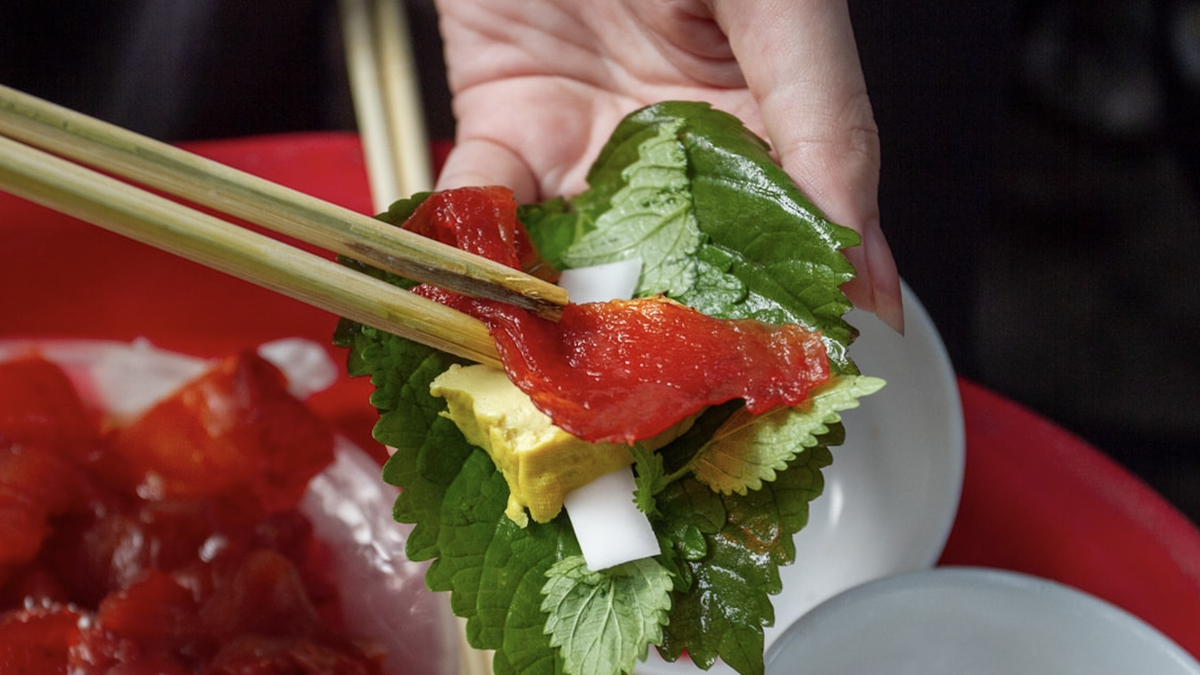
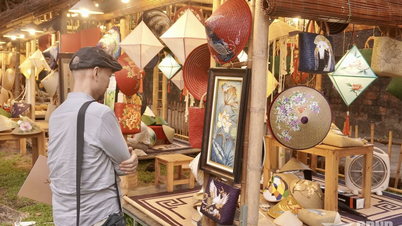
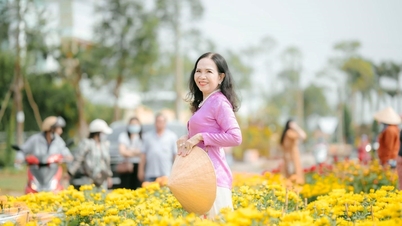
In reality, many localities have begun to effectively exploit cultural values to develop community tourism. Tourists come not only to visit but also to experience the life, cuisine, and customs of the local people. The people become the main promoters of culture, while also directly benefiting from these activities. This model not only generates additional income but also contributes to raising awareness of cultural preservation. When culture is linked to livelihoods, people will have a stronger motivation to preserve and promote traditional values.
However, this process also presents numerous challenges. Some areas show signs of commercialization and "theatricalization" of culture, leading to a loss of authenticity. Unmanaged tourism development can lead to overexploitation, impacting the environment and community life. Furthermore, investment in cultural preservation remains limited; the workforce of cultural workers at the grassroots level is uneven; and the transmission of culture is not truly sustainable. These are issues that need to be frankly acknowledged in order to find appropriate solutions.
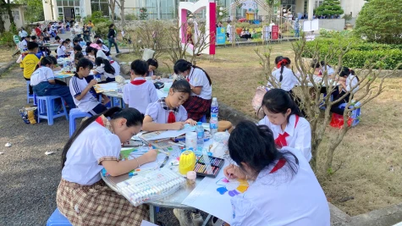
According to experts, effective cultural preservation requires further improvement of policy mechanisms, increased investment resources, and enhanced public awareness. Most importantly, it is crucial to empower the community – those who directly create and benefit from culture. In the long term, Hanoi needs to develop a cultural preservation strategy integrated with urban planning, ensuring space for traditional values to thrive. Simultaneously, cultural education in schools should be promoted, encouraging the younger generation to participate in preserving heritage.
Urbanization is an inevitable trend, but it does not mean losing one's identity. When culture is placed in its proper position – both as a spiritual foundation and a resource for development – traditional values will continue to be preserved and disseminated. Therefore, preserving the culture of ethnic minorities in Hanoi is not just a matter of today, but also a responsibility for the future, ensuring that the capital city not only develops into a modern metropolis but also retains its cultural depth and unique identity amidst the flow of integration.
Source: https://hanoimoi.vn/bao-ton-ban-sac-van-hoa-dan-toc-thieu-so-745781.html


![[Photo] National Assembly Chairman Tran Thanh Man successfully concludes his participation in IPU-152](https://vphoto.vietnam.vn/thumb/1200x675/vietnam/resource/IMAGE/2026/04/18/1776502638199_vna-potal-chu-tich-quoc-hoi-ket-thuc-tot-dep-chuong-trinh-tham-du-ipu-152-8709975-jpg.webp)













![[Podcast] News April 18th: Prosecution recommended for fake milk production ring that profited over 39.5 billion VND.](https://vphoto.vietnam.vn/thumb/402x226/vietnam/resource/IMAGE/2026/04/18/1776529373899_hnm-1cdn-vn-2026-04-18-7f25856c3e-_suagia-1776297813538-1776319789174-1776392501457-17763925017911244622126.jpeg)





































Comment (0)