

Tourism linked to traditional craft villages paves the way for heritage to "live" alongside modern life.
From a research and teaching perspective, Dr. Nguyen Anh Cuong, Head of the Community Tourism Management Department, Faculty of Tourism Management and International Languages, Hanoi University of Culture, believes that developing livelihoods based on cultural heritage, especially tourism models linked to traditional craft villages, is opening up an effective and sustainable path for ethnic minority communities.
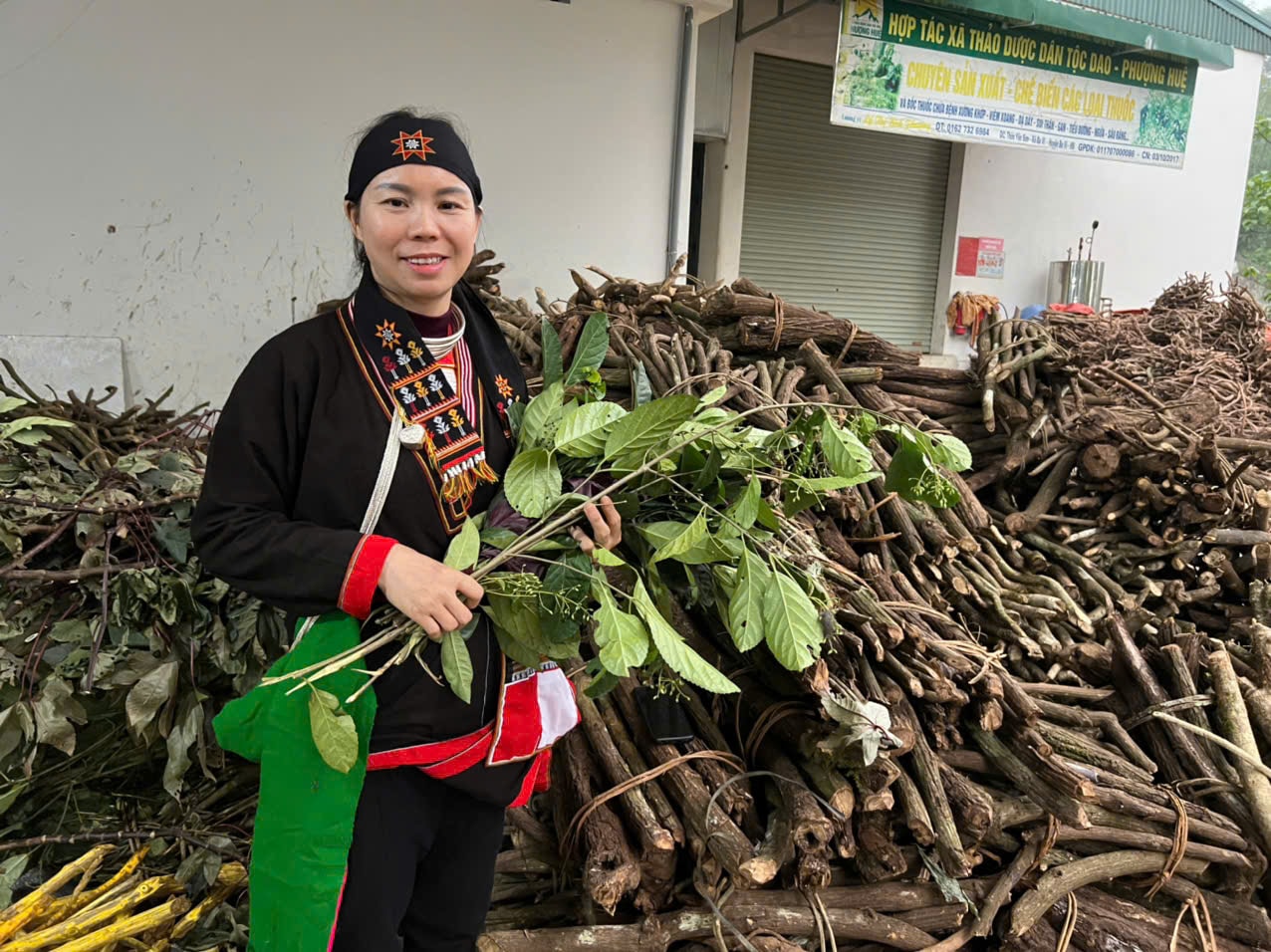
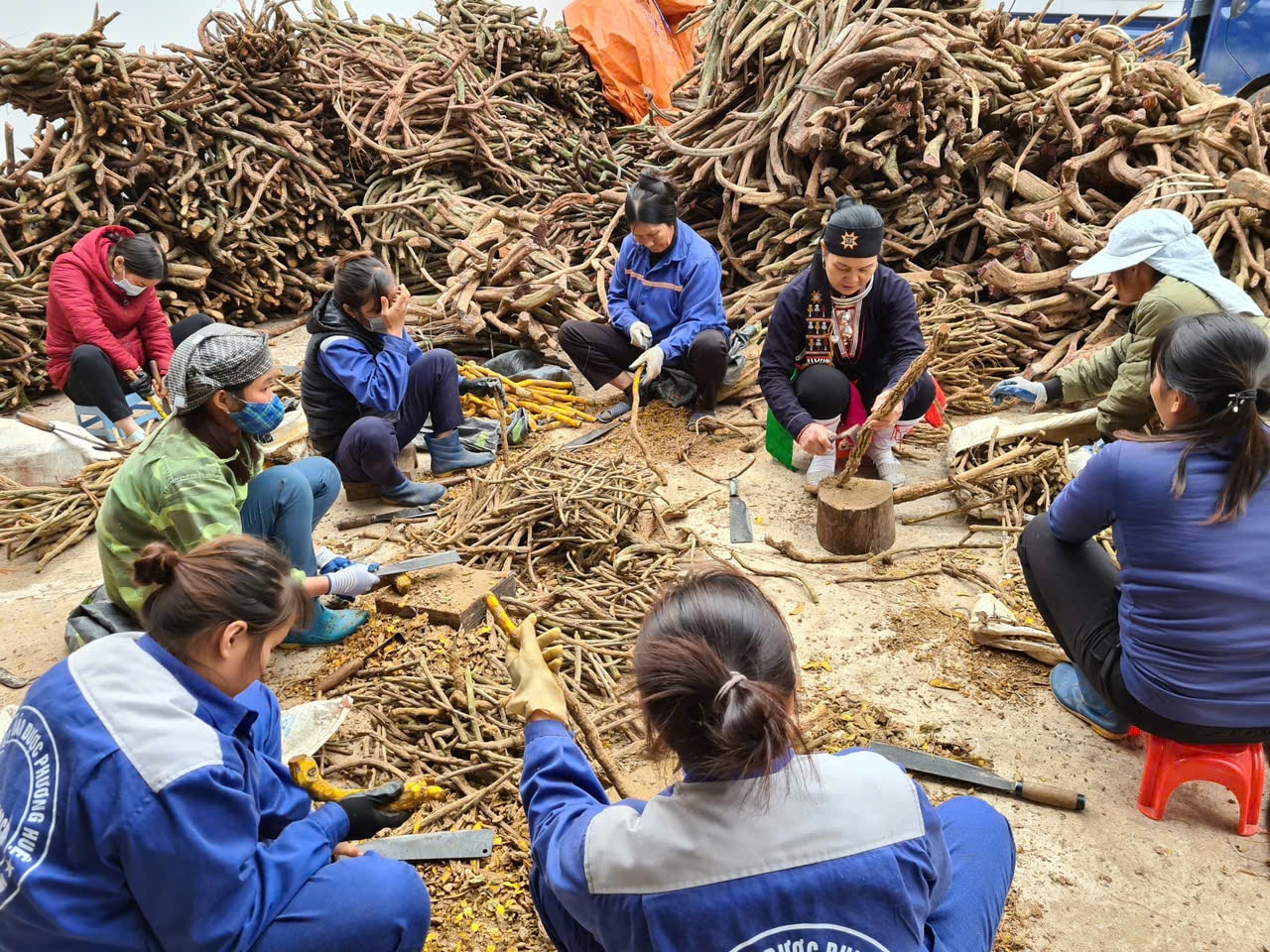
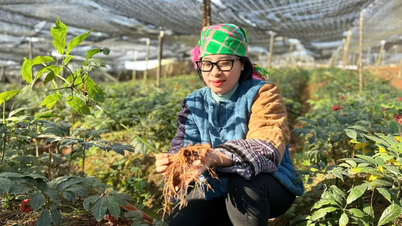
One prime example is the traditional medicine-making craft of the Dao people in Ba Vi. According to Dr. Nguyen Anh Cuong, the value of this craft lies not only in the medicinal products themselves but also in the folk knowledge, healing experiences, and cultural space connected to community life. When integrated into tourism, these elements become unique "resources," creating a distinct appeal.
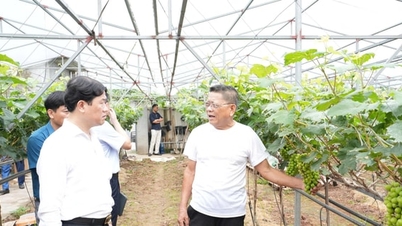
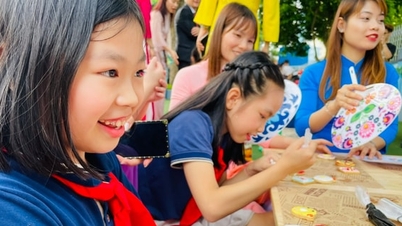
In reality, when tourism develops in conjunction with traditional craft villages, people not only gain additional income from selling products but also from experiential services such as introducing production processes, providing health care using traditional remedies, or recounting the cultural stories of their ethnic group. This not only enhances the value of the products but also contributes to preserving knowledge and inherent identity.
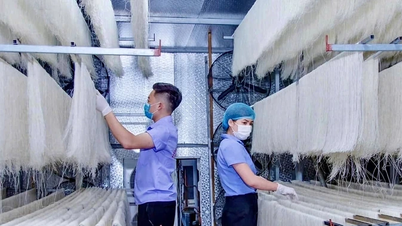
Not limited to traditional medicine, many other craft villages of ethnic minorities can also develop in this direction. When products are linked to cultural stories and integrated into the tourism value chain, their economic value increases, creating motivation for people to maintain and develop traditional crafts.

More importantly, this model helps to harmoniously resolve the relationship between conservation and development. People no longer have to choose between "preserving their craft" or "abandoning it," but can make a living from their heritage. At the same time, through tourism, cultural identity is widely promoted, contributing to enhancing the cultural status of the locality.
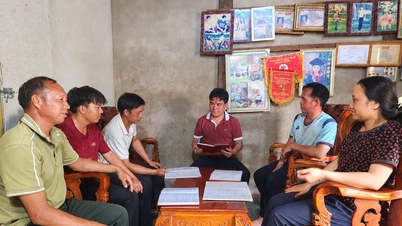
From a state management perspective, Mr. Bui Duy Quang – Deputy Director of the Hanoi Department of Ethnic Minorities and Religions – stated that many localities with ethnic minority populations, such as Ba Vi, Suoi Hai, Yen Bai, Yen Xuan, and My Duc, have been developing livelihood models based on cultural heritage. These models are quite diverse, ranging from community tourism and cultural experiences to the development of unique products such as the traditional medicine of the Dao people. Notably, in 2024, Hanoi announced the "Community Tourism Destination of Mien Village" model in Ba Vi commune, contributing to the preservation and promotion of the traditional cultural values of the ethnic minority communities.
However, Mr. Bui Duy Quang also frankly acknowledged that not all models achieve the expected results. According to him, truly successful models are those where people can still preserve their cultural essence, avoid excessive commercialization, and have a systematic connection with the market.
In reality, some localities are still developing based on trends, lacking long-term direction, leading to low efficiency and failure to fully exploit endogenous resources from the community. If not properly controlled, the risk of "distorting" heritage is entirely possible.
Therefore, the requirement is to have clear direction, avoiding the pursuit of short-term gains that would lead to the loss of the core values of the culture. The development of livelihood models from heritage needs to be placed within an overall strategy, ensuring both effective exploitation and long-term preservation of cultural identity.
Make culture a pillar of development, avoid the risk of commercialization.
According to Dr. Nguyen Anh Cuong, for cultural preservation and promotion models to operate effectively, the key factor is the right orientation. Resolution 80 is considered a crucial foundation, creating a basis for linking cultural preservation with economic development. He emphasized that in this orientation, people play a central role, being both creators and beneficiaries, and simultaneously determining the sustainability of cultural values.
Another crucial factor is the need for close ties with the local community. The community is the environment that nurtures and disseminates traditional cultural values. Therefore, preservation cannot be separated from real life, but must be linked to economic development through the rational exploitation of cultural values.
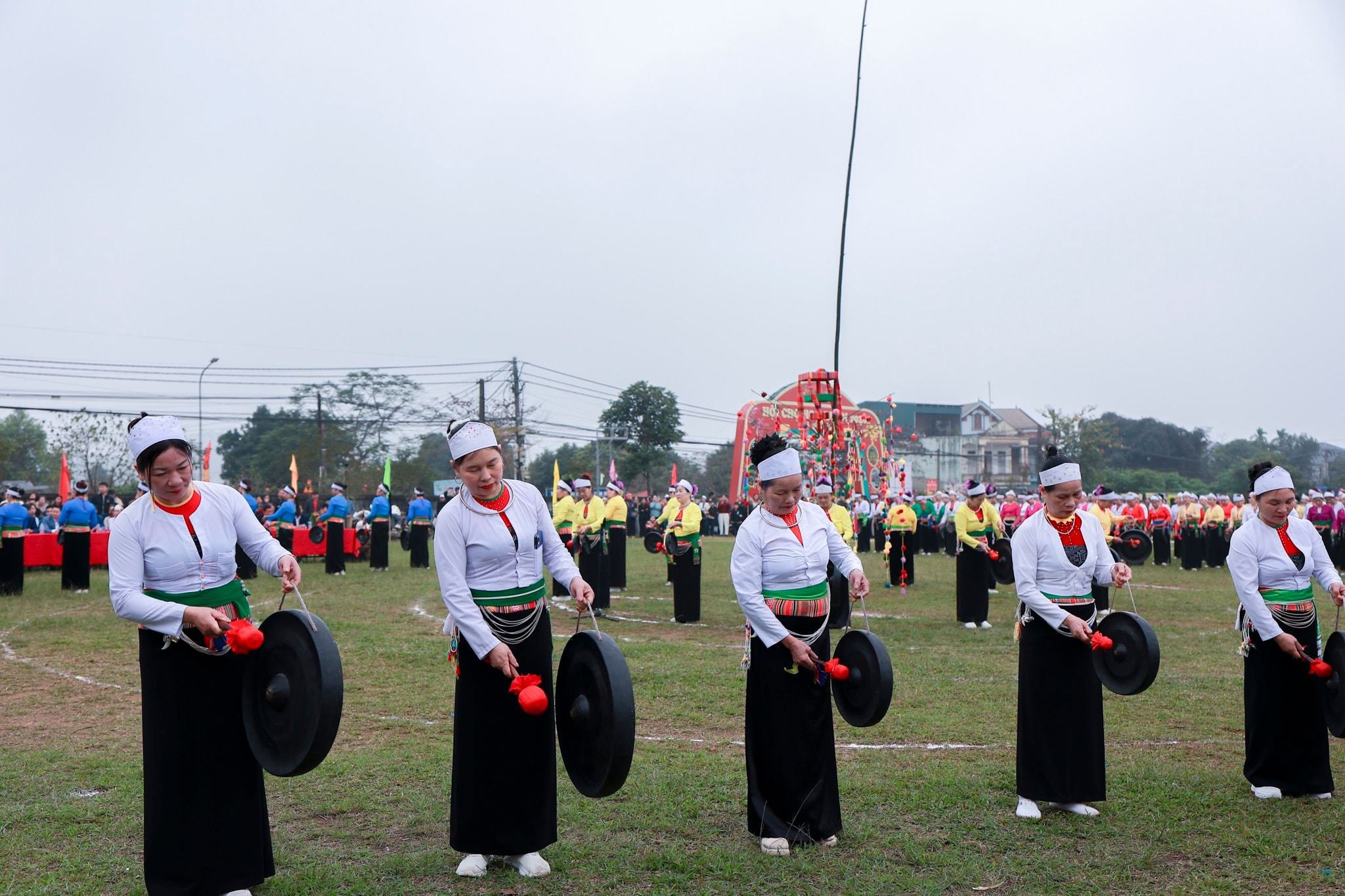
However, exploitation needs to be selective, avoiding a scattered approach. It's necessary to clearly identify content that can be implemented immediately and that requires long-term investment. At the same time, focus should be placed on building cultural products linked to brands, aiming towards the development of the cultural industry. Dr. Nguyen Anh Cuong also believes that, in the current context, digitizing cultural values is an inevitable trend. Digitization not only helps preserve them for the long term but also expands the ability to promote them to audiences both domestically and internationally. However, to achieve effectiveness, a suitable environment and space for this process need to be created.
Furthermore, the human factor remains crucial. A team of knowledgeable and dedicated officials is needed, along with the active participation of the people. Without consensus and proactive participation from the community, even sound policies will struggle to be implemented. According to him, balancing preservation and promotion is a constant requirement. Focusing solely on preservation will lead to a lack of resources for development, while focusing only on development could easily lead to the erosion of cultural identity. Therefore, close cooperation between managers, researchers, and the community itself is essential to find appropriate solutions.
From a management perspective, Mr. Bui Duy Quang affirmed that Resolution 80-NQ/TW has created a fundamental change in development thinking, as culture is identified as the spiritual foundation and an important endogenous resource for sustainable development. To realize this orientation, the Hanoi Department of Ethnic Minorities and Religions is focusing on concretizing it into programs and projects suitable to the specific characteristics of ethnic minority areas. The focus is on developing distinctive cultural products and gradually forming cultural industries.
One of the major orientations is to develop tourism in conjunction with heritage preservation. Hanoi will build mechanisms and policies to attract investment in tourism infrastructure in mountainous areas, while ensuring a balance between cultural preservation, environmental protection, and maintaining security and order. Notably, the Project on Preserving and Promoting the Cultural Identity of Ethnic Minorities in conjunction with Tourism Development for the period 2025–2030 is being implemented with the goal of creating effective and scalable models. Through this, not only will heritage be preserved, but livelihoods will be created and living standards improved for the people.
Alongside this, special attention is paid to training and developing cadres working in ethnic affairs, especially at the grassroots level, in order to enhance their capacity for organizing and implementing policies. According to Mr. Bui Duy Quang, the development of ethnic minority areas should not only focus on economic goals but also aim to build unique cultural spaces where traditional values are preserved and promoted in contemporary life. This is also a way for ethnic minority communities to contribute more significantly to the image of a cultured, civilized, and modern Hanoi.
Source: https://hanoimoi.vn/van-hoa-dan-toc-thieu-so-o-thu-do-tu-bao-ton-den-tao-sinh-ke-ben-vung-745782.html





![[Photo] Delegation attending the 14th Congress of the Vietnam Trade Union visits the Mausoleum of President Ho Chi Minh.](https://vphoto.vietnam.vn/thumb/1200x675/vietnam/resource/IMAGE/2026/06/03/1780451842301_ndo_br_img-3824-jpg.webp)






































































Comment (0)