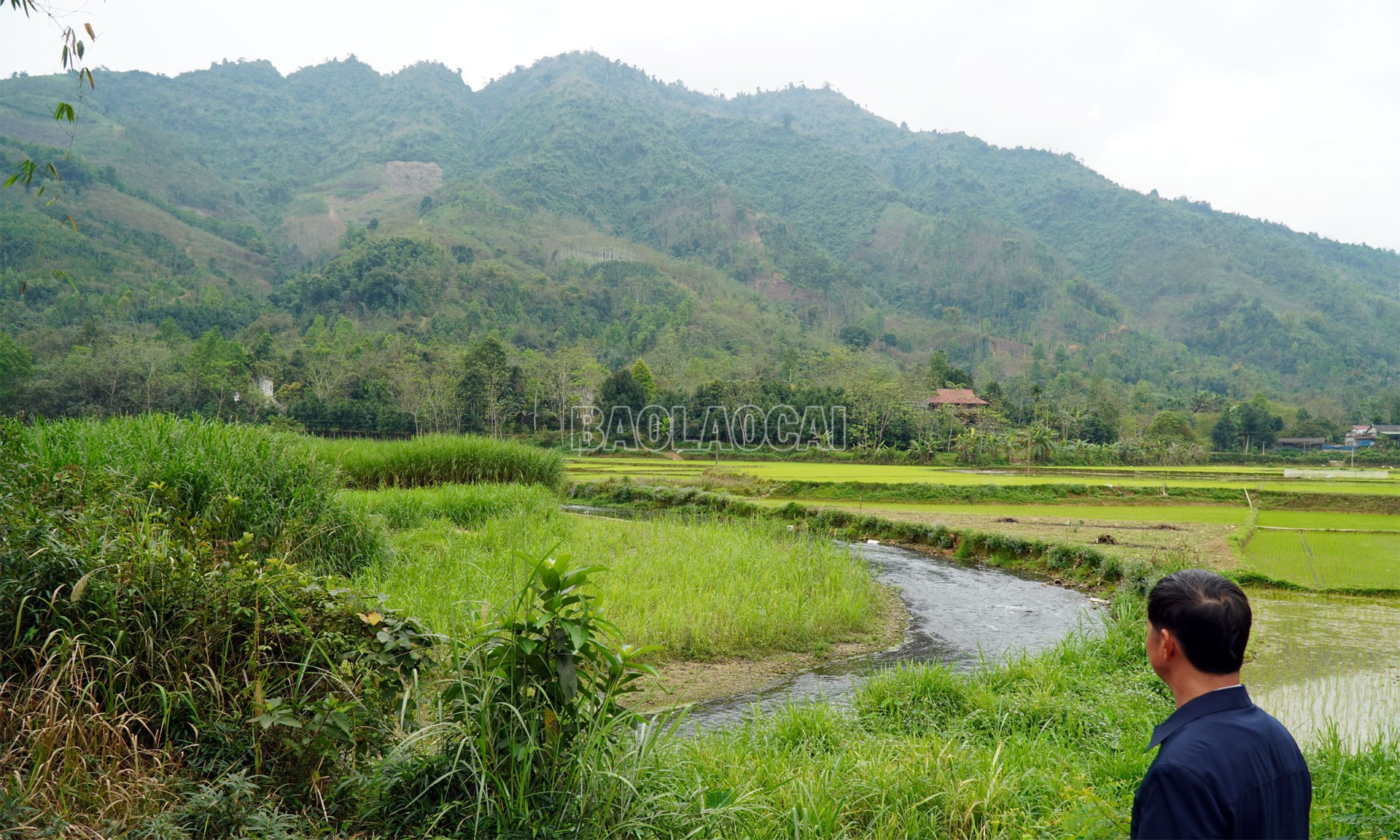
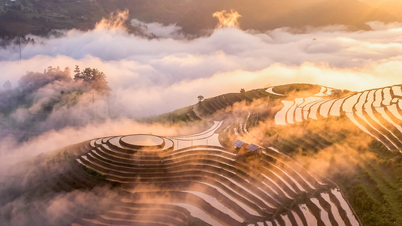
As one of the 23 villages in Thuong Bang La commune, Han village is home to 198 households with nearly 670 inhabitants, mainly Tay ethnic people. Located in the Thuong Bang La valley, the village has a relatively flat terrain, surrounded by Yen Hung, Vam, and Cuom villages, and bordering Tan An village of the newly established Nghia Tam commune. Discussing the local economic situation, Mr. Hoang Van Dung, the head of Han village, said: "Of the village's total land area of 352 hectares, 60 hectares are hilly forest land and 38 hectares are rice paddies. Therefore, our people mainly focus on the capital from this land. In addition, households have also focused on developing livestock farming, and some have switched to providing services."
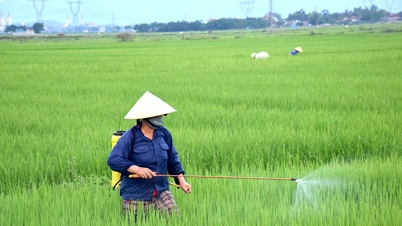
It is noteworthy that the local people have quickly shifted their production mindset, ensuring that most of the rice paddy land is cultivated for three crops per year. Water from the Han stream is channeled through the Dong Thac weir into the irrigation system, guaranteeing 100% of the area is cultivated with two rice crops, yielding over 12 tons per year. For the third crop, the farmers flexibly plant corn, potatoes, and various vegetables. Taking advantage of the remaining rows to plant sweet potatoes in time for the season, Ms. Ha Thi Nam shared: "This plot is 360 square meters . Some years I plant corn, other years potatoes and vegetables. The whole family has 2,000 square meters, and even with limited labor, we must strive to cultivate everything; we can't let the land go to waste."
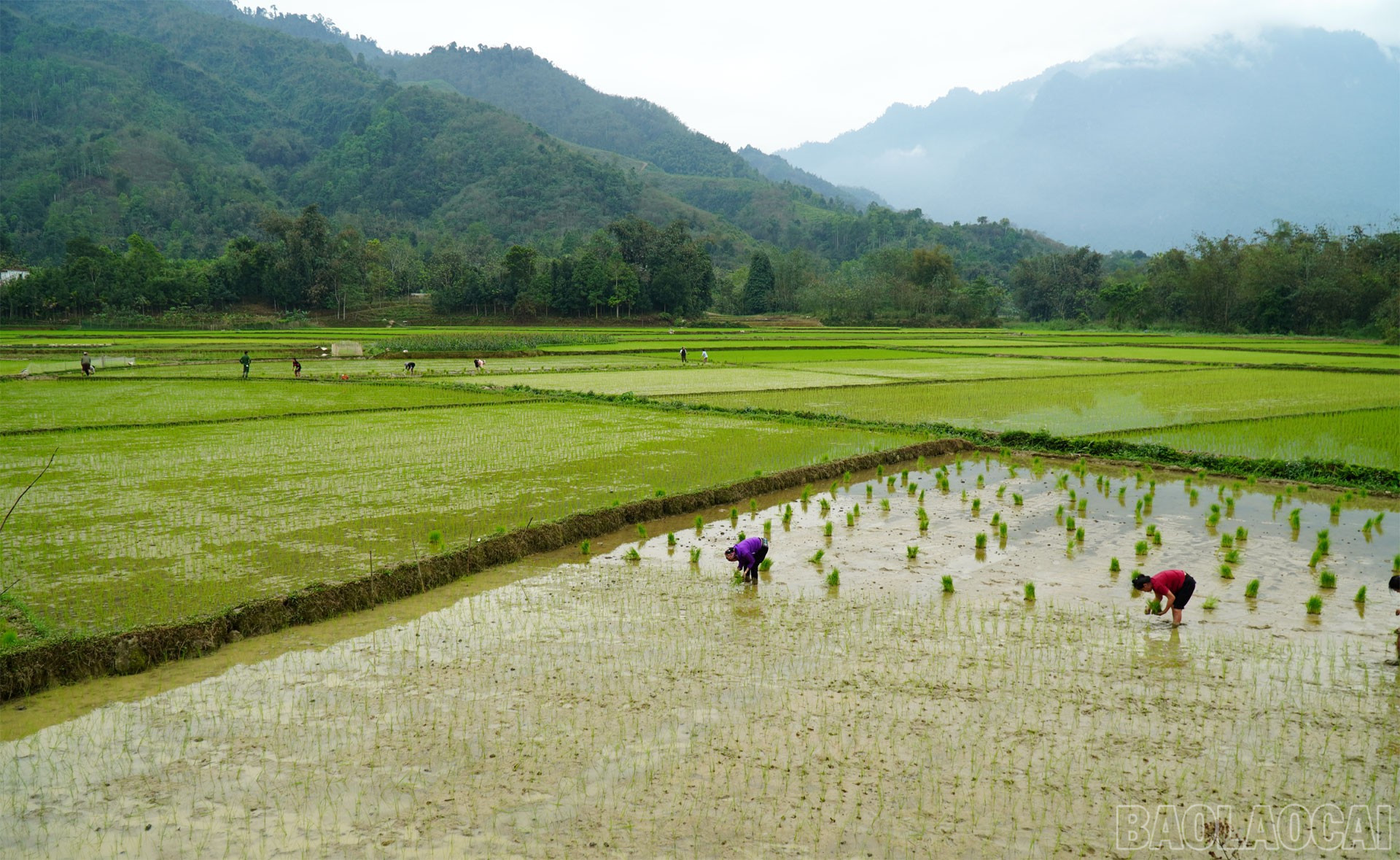
After completing the planting, taking advantage of the rainy days, the villagers continued to bring Bodhi, cinnamon, and tallow tree saplings to the hills to replant in the newly cleared areas. Although the village doesn't have a lot of forest, the area concentrated around Mount Han has been basically reforested. The people follow the principle of replanting wherever they clear land; thanks to this, some households have become more prosperous by owning a few hectares of forest.
Owning 3.7 hectares of forest, Mr. Hoang Van Hoan happily talked about the hills of bodhi trees, acacia trees, and the area of pine trees that are beginning to be harvested, along with preparing seedlings for the spring planting season. Besides the forest economy, his family also raises 5-6 pairs of bamboo rats and two batches of pigs each year, averaging about 4 tons of pork sold. “I will rebuild this house in 2027,” Mr. Hoan said, pointing to his current house and excitedly sharing his family's goal.
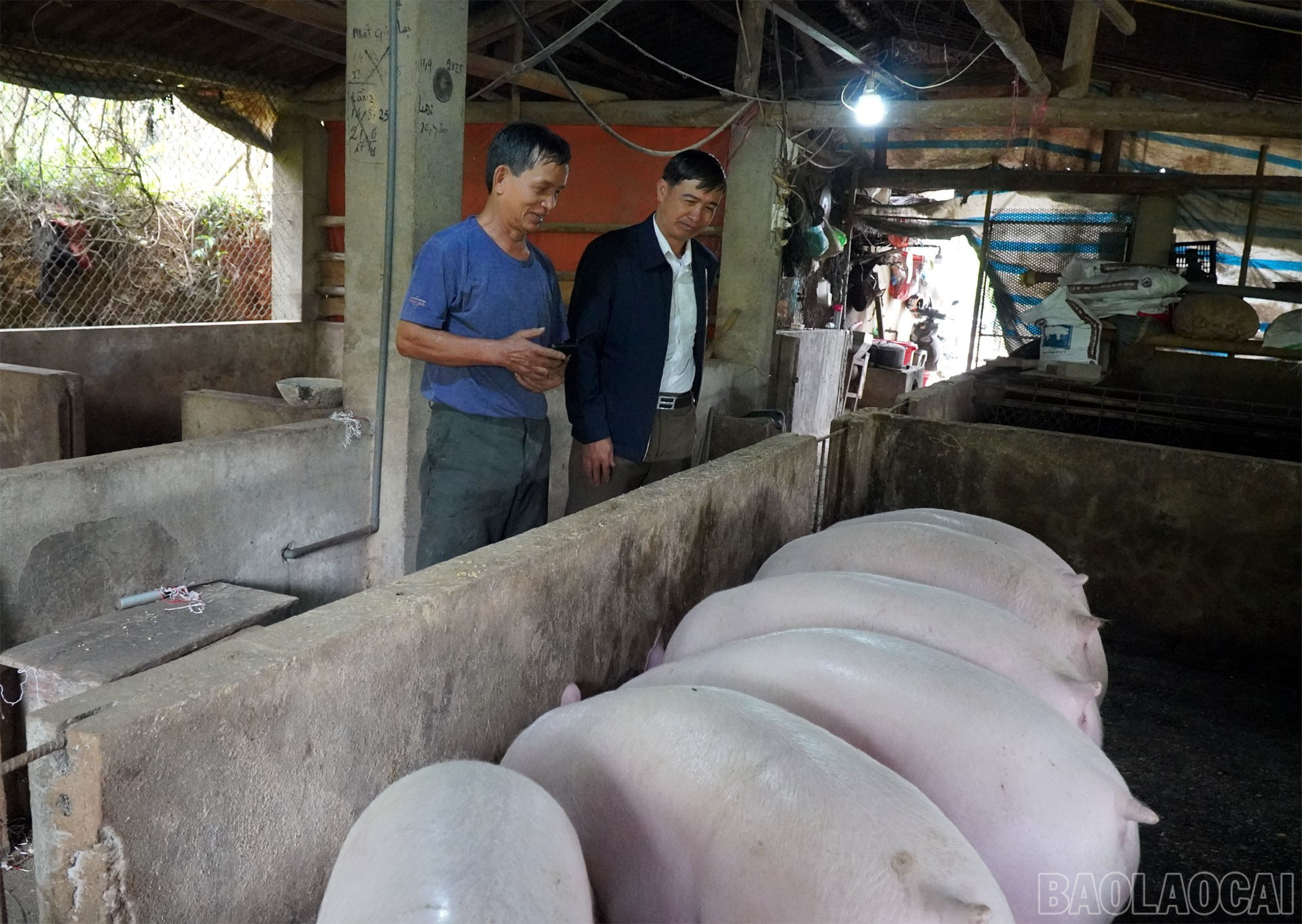
With effective business practices, Mr. Hoan's family, as well as many other households in the village, have achieved their goals. Currently, over 65% of households in Han village own built houses, with only 4 poor households and 2 near-poor households remaining. Even more commendable, the Tay people here still preserve more than a dozen traditional stilt houses. Although the Ben Rin suspension bridge connecting Han village to the commune center is only for pedestrians and motorbikes, 5 households have boldly purchased cars for transportation and business purposes. This clearly demonstrates the prosperity of the villagers, as well as the positive results in building a new rural area and the cultural village title that the village has maintained for many years.
To date, the rice in the fields of Cham, Han, Dong Thac, Khoang, and Dinh has taken root and grown strong, promising a successful spring harvest. The joy of a bountiful planting season is evident in every family as people both sow and plant within the warm season and participate in the Harvest Festival organized by Thuong Bang La commune.
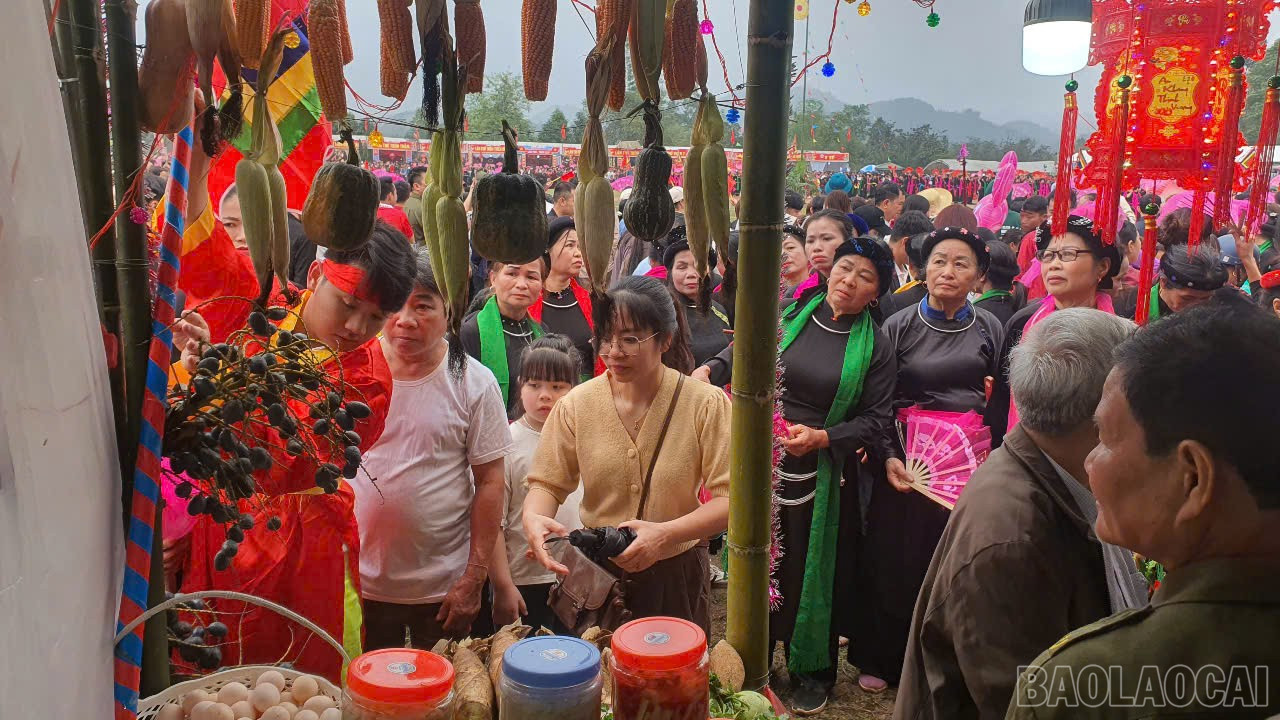
At the festival, traditional rituals were reenacted with the participation of all 23 villages of Thuong Bang La commune. The people of Han village also contributed many Xoe dance performances, and the cultural and sports teams actively participated in competitions and performances, creating a vibrant atmosphere for the harvest festival. At the end of the festival, the villagers returned to their fields and gardens in a spirit of excitement and pride in their ethnic cultural traditions, yet some concerns remained.
The biggest concern today is how to ensure that future generations preserve the Tay language. Because a written language is not yet widely available, preserving the Tay language depends entirely on the lifestyle of each family. In reality, grandparents still communicate in Tay and teach their children to speak it, but getting the younger generation to listen to and deeply understand their ancestral language remains a major challenge. The pressures of daily work and school leave children with little time to spend with their grandparents and parents; the lack of communication in their ethnic language in daily life is the biggest obstacle.
Ms. Ha Thi Lan, a Tay ethnic folk artist from Thuong Bang La commune, believes that preserving the language must begin with regular practice within the family. Ms. Lan proposes solutions to spread the Tay language widely to villages and schools. At the very least, there should be designated time slots for children to learn and communicate in Tay, thereby expanding and restoring this valuable cultural heritage.”
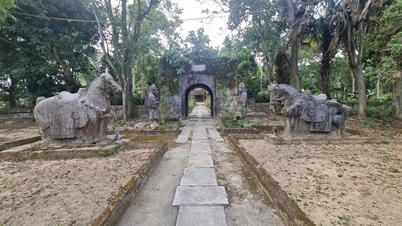
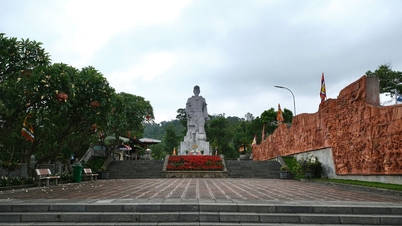
Another aspiration of the people, especially the elders, is the desire to restore the Thượng Bằng La communal house, temple, and pagoda complex in Hán village. According to records, the communal house was built during the Lê dynasty (around the 16th-17th centuries), closely associated with the process of founding and establishing villages and communities by the Tày people along with some Kinh, Mường, and Thái people from ancient times.
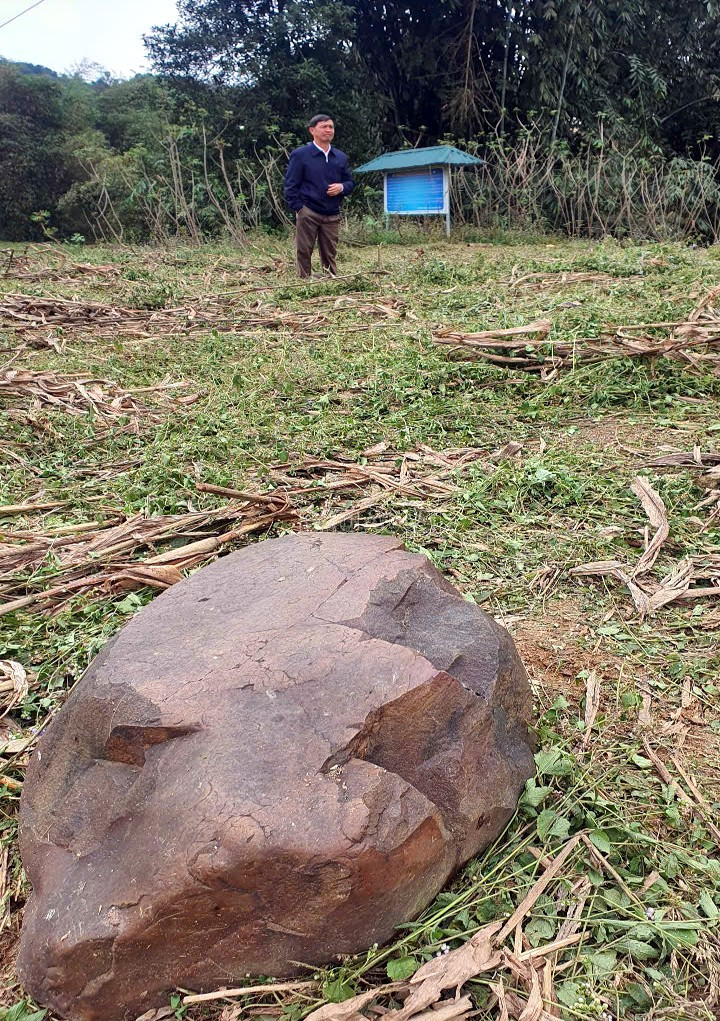
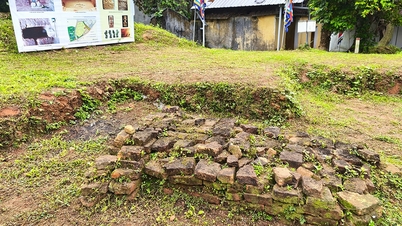
The temple is located next to the Han stream and has been recognized as a provincial-level historical and cultural relic. Although only a plot of land with the original stone bases of the temple's pillars remains, the sacred atmosphere of the site continues to exist in the consciousness of every villager. Village head Hoang Van Dung reflected: The people hope that the State will plan the area around the Han temple and the road leading to it, and also provide funding to restore the temple. This is the aspiration of the people of Han village and the entire Thuong Bang La commune.


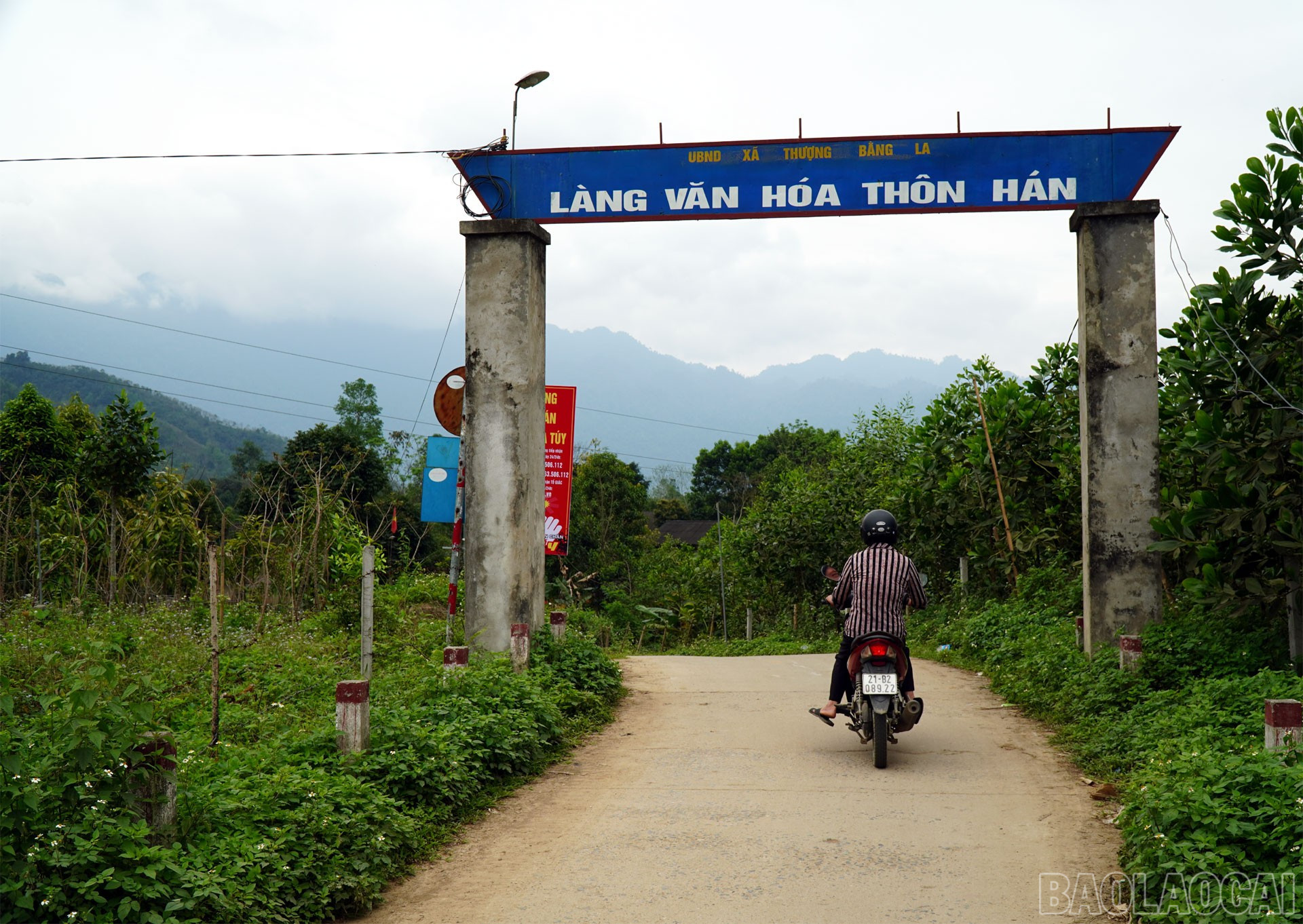
Our homeland has entered a new chapter in its history. After countless historical upheavals and the ravages of nature, the Han stream still flows, irrigating the fields and nurturing the ancient cultural heritage of the Muong Han people and the wider Thuong Bang La commune. Maintaining this flow, ensuring that its identity does not fade and enriching its cultural and spiritual life is the responsibility of the present generation and future generations.
Source: https://baolaocai.vn/ben-dong-suoi-han-post895275.html


























































![[Photo Gallery] Exciting Cosplay Festival at Vincom Plaza Bien Hoa](https://vphoto.vietnam.vn/thumb/402x226/vietnam/resource/IMAGE/2026/07/05/1783255268158_img_1441_20260705161627_20260705193040.jpeg)