

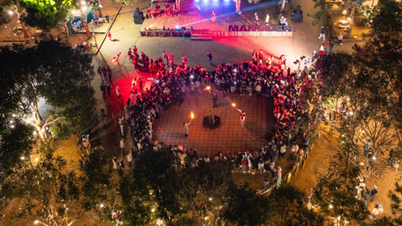
The Ministry of Culture, Sports and Tourism has just issued Decision No. 546/QD-BVHTTDL recognizing the traditional festival of Nhat Tan communal house in Tay Ho district, Hanoi, as a national intangible cultural heritage. The Ministry of Culture, Sports and Tourism requests that the Chairmen of the People's Committees at all levels where the intangible cultural heritage is included in the list, within their duties and powers, implement state management in accordance with the law on cultural heritage.
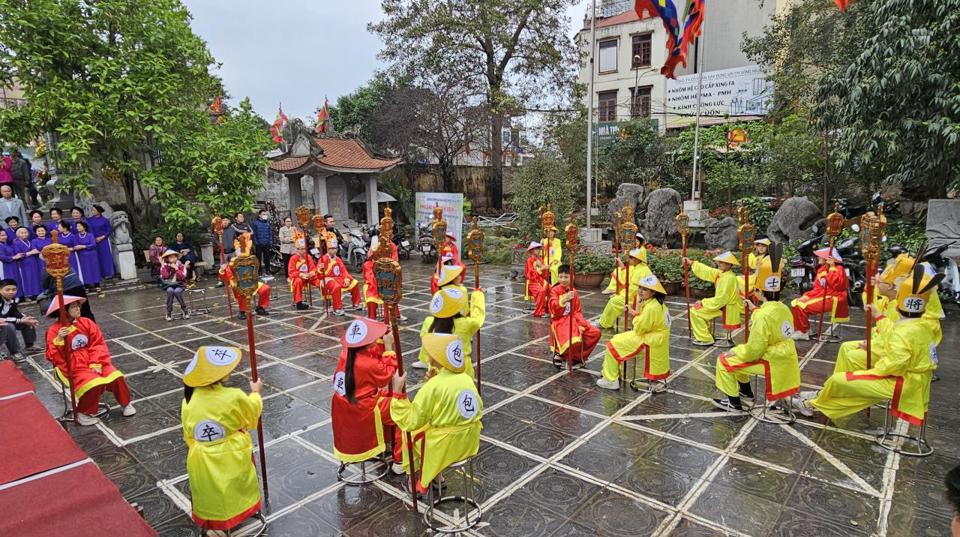
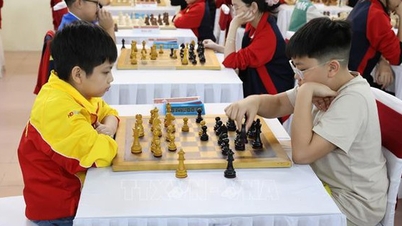
Human chess game at the Nhat Tan village festival, Tay Ho district. Photo: Tay Ho District Culture, Sports and Tourism Center.
Nhat Tan Temple is dedicated to the revered Saint Uy Do Dai Vuong Tran Linh Lang (Uy Linh Lang), the son of Empress Minh Duc. Uy Linh Lang was renowned for his intelligence and mastery of both literature and martial arts, his fame known far and wide. To commemorate Uy Linh Lang's contributions, the people of Nhat Tan village hold a ceremony on the 10th day of the 2nd lunar month every year. The traditional festival at Nhat Tan Temple is a deeply rooted cultural feature of Vietnamese folk culture.
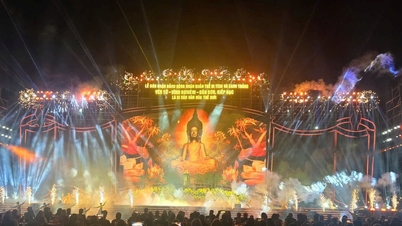
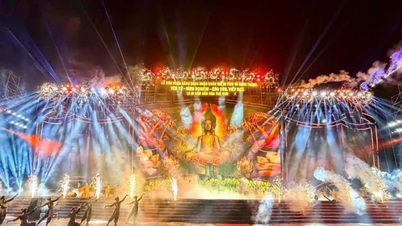
The Ministry of Culture, Sports and Tourism also issued Decision No. 547/QD-BVHTTDL recognizing the traditional Chrôi Rum Chếk Festival (Phước Biển Festival) of the Khmer people in Vĩnh Châu town, Sóc Trăng province, as a national intangible cultural heritage.
The Phuoc Bien Festival is a folk festival of the Khmer people in Vinh Chau town that has been around for over 300 years. It carries the meaning of praying for national peace and prosperity, favorable weather, and commemorating the contributions of the ancestors who pioneered and established the land.
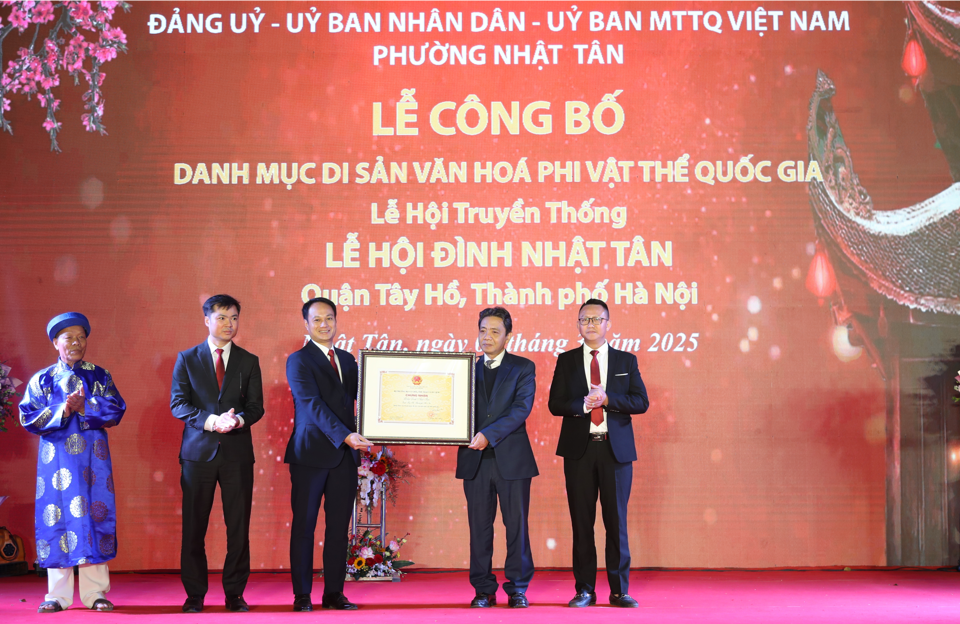
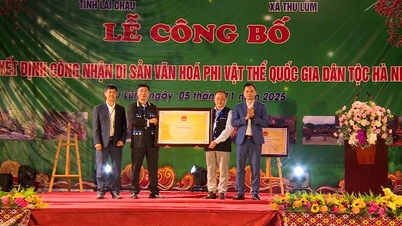
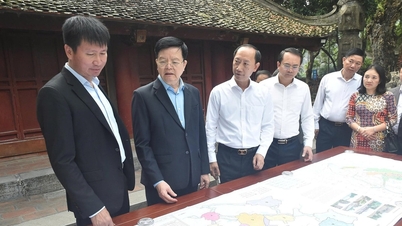
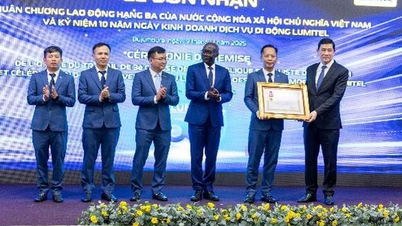
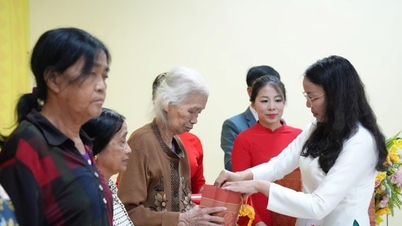
Deputy Minister of Culture, Sports and Tourism Hoang Dao Cuong presents the certificate recognizing Nhat Tan Temple Festival as a national intangible cultural heritage to the leaders and people of Nhat Tan ward. Photo: Ngoc Tu
The Phuoc Bien Festival is a long-standing form of cultural and spiritual activity, becoming an important traditional cultural heritage in the lives of the ethnic communities in the area.
Along with the traditional festival of Nhat Tan communal house, and the traditional Chroi Rum Chek festival, the Ministry of Culture, Sports and Tourism has just issued Decision No. 548/QD-BVHTTDL recognizing the folk knowledge of coffee cultivation and processing in Dak Lak as a national intangible cultural heritage.
Knowledge of coffee cultivation and processing is found in almost all districts of Dak Lak province, primarily concentrated in Buon Ma Thuot city and the districts of Cu M'gar, Krong Pac, Ea H'leo, Cu Kuin, and Buon Ho town. The cultural custodians of this knowledge are individuals and families who possess this expertise, passed down through generations, and continuously inherited, innovated, and developed over time.
Currently, Dak Lak province has approximately 210,000 hectares of coffee plantations with an annual production of over 520,000 tons, accounting for more than 30% of the national coffee production. To date, coffee products from Dak Lak province have been exported to more than 70 countries and territories worldwide.
2024 was a landmark year for Vietnam's cultural heritage. Vietnam added two more UNESCO-listed heritage sites: the relief castings on the nine bronze cauldrons at the Hue Imperial Palace were included in the Asia-Pacific Documentary Heritage List, and the Via Ba Chua Xu Festival at Sam Mountain (An Giang province) was added to the Intangible Cultural Heritage of Humanity.
In addition, in 2024, the Ministry of Culture, Sports and Tourism added 86 intangible cultural heritage items to the National List of Intangible Cultural Heritage. This increased the total number of national intangible cultural heritage items in the country to 620.
Source: https://kinhtedothi.vn/bo-vhttdl-ghi-danh-them-3-di-san-van-hoa-phi-vat-the-quoc-gia.html
























































Comment (0)