

Do people with heart disease need to give up coffee?
I'm a cardiologist with quite a few years of experience. And like many others, I drink coffee. Not to "cope" with work, but simply because I feel better after a moderate cup of coffee in the morning. In my daily practice, I've often encountered patients with the same question: "Doctor, I have heart disease, should I give up coffee?" That question shows that coffee may have been heavily "condemned" in the minds of many people.
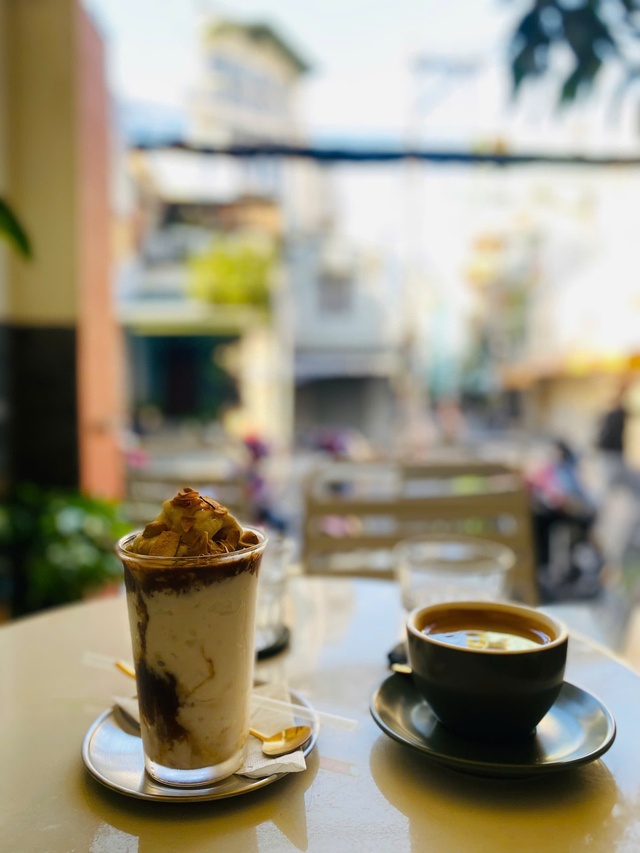
Reactions to caffeine vary from person to person, depending on individual physiology, underlying health conditions, and medications being used.
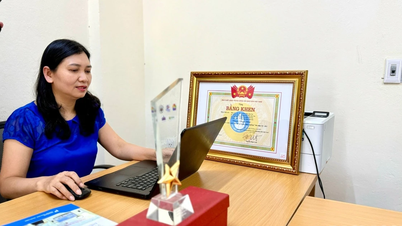
PHOTO: PHUONG AN
For most healthy adults, moderate coffee consumption is safe for the heart. However, reactions to caffeine vary from person to person, depending on individual physiology, underlying health conditions, and medications being taken.
The most frequently mentioned ingredient in coffee is caffeine. This is a central nervous system stimulant that helps increase alertness and reduce fatigue. However, because it is a stimulant, caffeine can cause rapid heartbeat, nervousness, restlessness, or difficulty sleeping in some people.
From a cardiovascular perspective, it's important to distinguish between short-term physiological effects and long-term cardiovascular disease risks. The American Heart Association (AHA) states that for most healthy adults, moderate coffee consumption is safe for the heart. However, responses to caffeine vary from person to person, depending on individual physiology, underlying conditions, and medications being used.
Is it okay for people with high blood pressure to drink coffee?
A common concern is that coffee raises blood pressure. In reality, caffeine can cause a slight, short-term increase in blood pressure, especially in those who don't drink much coffee. But in regular drinkers, the body usually adapts somewhat, and this increase doesn't last long. In clinical practice, I often remind patients not to judge their blood pressure based solely on a single measurement taken immediately after drinking coffee.

Reactions to caffeine vary from person to person, depending on individual physiology, underlying health conditions, and medications being used.
PHOTO: PHUONG AN
However, some groups require more caution: people with uncontrolled hypertension, those who are highly sensitive to caffeine, or those who experience noticeable symptoms such as nervousness, rapid heartbeat, or discomfort after drinking coffee. In these cases, patients should reduce their dosage, monitor their symptoms, and discuss their condition directly with their doctor, rather than self-treating based on general advice found online.
How to drink coffee in a way that's "heart-friendly".
For many years, coffee was considered a "heart rhythm disruptor." People with palpitations or atrial fibrillation were often advised to abstain from coffee. However, large studies in recent decades have shown the opposite.
Numerous observational studies involving hundreds of thousands of people have shown that moderate coffee consumption does not increase the risk of arrhythmias, and may even be associated with a lower risk. In particular, a randomized clinical trial called DECAF, recently presented at the American Heart Association in late 2025, showed that in individuals who already drank coffee and developed atrial fibrillation, the group that continued to drink an average of about one cup of coffee per day after treatment had a lower rate of atrial fibrillation recurrence compared to the group that completely abstained from coffee.
As a cardiologist, I view these results with the necessary caution, but it's enough to confirm one thing: Coffee can no longer be considered the "default culprit" for heart rhythm disorders.
Based on scientific evidence and professional experience, I often summarize a few simple coffee-drinking guidelines for my patients: drink in moderation, about 2-3 cups per day. For most adults, the recommended daily intake should not exceed approximately 400 mg of caffeine (no more than 6 standard cups of pure espresso).
It's best to drink it in the morning or early afternoon, avoiding late-night consumption which can disrupt sleep. Limit sugar, cream, and other added ingredients. Pay attention to your body's reactions.
Source: https://thanhnien.vn/ca-phe-va-suc-khoe-tim-mach-18526022418591092.htm


![[Video] Sunset at Lap An Lagoon – Where the sun sets over the fishing nets](https://vphoto.vietnam.vn/thumb/1200x675/vietnam/resource/IMAGE/2026/05/31/1780192137701_beach-landscape-sea-water-nature-grass-745871-pxhere-com.jpeg)

















![[Video] Sunset at Lap An Lagoon – Where the sun sets over the fishing nets](https://vphoto.vietnam.vn/thumb/800x450/vietnam/resource/IMAGE/2026/05/31/1780192137701_beach-landscape-sea-water-nature-grass-745871-pxhere-com.jpeg)














































![[Video] Sunset at Lap An Lagoon – Where the sun sets over the fishing nets](https://vphoto.vietnam.vn/thumb/402x226/vietnam/resource/IMAGE/2026/05/31/1780192137701_beach-landscape-sea-water-nature-grass-745871-pxhere-com.jpeg)





























Comment (0)