

Skin and nail diseases caused by fungi and bacteria, such as ringworm, nail fungus, interdigital tinea, impetigo, irritant dermatitis, folliculitis, etc., increase by about 30% during periods of alternating rain and sunshine compared to the dry season months.
Vietnam is a tropical country, with the southern region experiencing hot weather year-round. From May to November, the rainy season increases humidity, creating favorable conditions for the growth of fungi and bacteria in the environment.
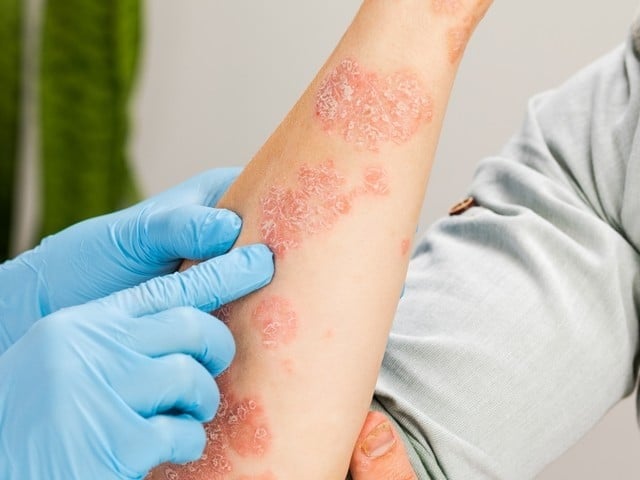 |
| Illustrative image. |
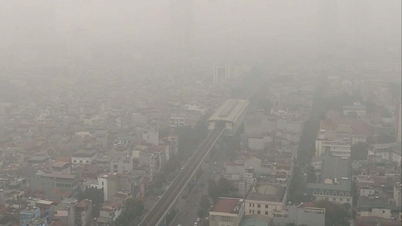
Intense heat followed by sudden heavy rain, and abrupt temperature changes from hot to cold in a short period, is a relatively harsh climate that is harmful to the skin, making it more sensitive. Heavy rains, coupled with flooding, cause waste, garbage, and dirt to mix and accumulate, increasing the risk of the skin being exposed to pathogens.
In hot weather, the body sweats a lot to regulate body temperature, but the sweat remains on the skin for a long time, causing prolonged dampness. Poor hygiene, combined with a risk-laden environment, increases the risk of fungal infections and dermatitis.
Sanitation workers, motorbike taxi drivers, construction workers, street vendors, farmers, the elderly, children, overweight or obese individuals, and those with pre-existing chronic skin conditions are most susceptible to skin diseases at this time.
Young children sweat excessively, causing areas like the groin, buttocks, armpits, neck folds, and behind the knees to become poorly ventilated and damp, making them more susceptible to fungal infections, heat rash, pimples, impetigo, and dermatitis. These conditions are particularly itchy, and children find it difficult to control the itching, leading them to scratch and worsen the condition.
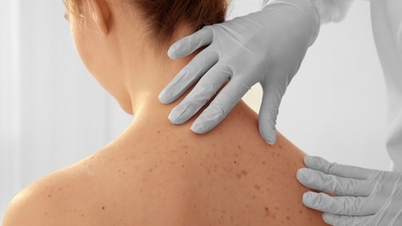
Every day, the dermatology and cosmetic skin department of a multi-specialty medical facility in Ho Chi Minh City receives 25-30 cases of skin and nail diseases caused by fungi and bacteria, especially during erratic weather patterns like rain and sunshine, and flooding.
According to Dr. Dang Thi Ngoc Bich, head of the Dermatology and Cosmetic Dermatology department at Tam Anh General Hospital in Ho Chi Minh City, if left untreated, children's skin can become swollen, red, develop pus, ooze fluid, become secondarily infected (with additional bacteria or viruses), necrotic, easily scar, and develop hyperpigmentation. More severe cases can affect the entire body, leading to infections, blood poisoning, and glomerulonephritis.
While fungal skin infections and dermatitis are not life-threatening, the symptoms include intense itching and patchy skin. If left untreated, the lesions can spread, potentially leading to eczema (chronic atopic dermatitis), affecting the patient's mental health and quality of life.
Depending on each patient's condition, the dermatologist will prescribe the appropriate topical or systemic medication based on the type of fungus or bacteria the patient is infected with.
Patients need to schedule follow-up appointments with their doctor to adjust medication according to each stage of the disease. If unusual skin symptoms appear (especially after exposure to rain or flooding), such as red patches, pimples, dry and itchy skin; or thickened, discolored fingernails and toenails; peeling skin and itching between fingers, toes, palms, and soles of feet, etc., they should go to a medical facility with a dermatology specialist for proper diagnosis and treatment.
Patients should not self-diagnose, self-medicate, use prescriptions from others, apply herbal remedies, or perform acne treatments, as these can worsen the condition or even lead to complications due to incorrect medication use.
Fungal skin infections and dermatitis are prone to recurrence due to tropical climate conditions. Therefore, Dr. Bich advises patients to avoid contact with contaminated water, soil, and chemicals, and to keep their skin and nails dry and well-ventilated.
People in flood-prone areas should wear rubber boots and gloves when in contact with contaminated water. If they have to wade through rainwater, they should wash their bodies immediately upon returning home with antibacterial body wash, dry their hands and feet thoroughly, and dry their shoes, raincoats, and other footwear before reusing them.
People with fungal skin infections or dermatitis should wash their clothes and bedding separately; regularly clean their masks and helmets; and dry their clothes in the sun so that the ultraviolet rays kill the fungi and fungal spores. Nail clippers used by people with fungal infections should also be used separately and cleaned with soap.
Sometimes, fungal skin infections in humans are transmitted from pets such as dogs and cats through direct contact. Treating the fungal infection in pets helps prevent further infection.
For children, especially infants, in addition to keeping their skin dry and airy, parents can use creams and powders containing zinc to prevent diaper rash and fungal infections.
In Hanoi , according to Dr. Pham Thi Minh Phuong, Head of the Outpatient Department at the Central Dermatology Hospital, the hospital has recently received a significant number of cases of athlete's foot, toenail fungus, groin fungus, and infectious dermatitis. The number of patients has increased by 30% compared to the dry season.
A concerning issue is that patients often self-treat, following advice from friends to use various medications. However, skin conditions are diverse, and each type requires different treatments. Therefore, many people treat themselves incorrectly by applying or soaking leaves, or seek medical attention only when complications arise due to using medications of unknown origin.
In addition, some people like to soak or apply leaves to their skin without knowing that this can cause irritation, dryness, cracking, and even ulcers. If left untreated, the condition will worsen, leading to complications such as itching, ulcers, discharge, swelling, and redness.
Regarding treatment, Dr. Phuong emphasized that when experiencing skin problems, people should seek early treatment from a dermatologist. People need to change their habits during the rainy season, such as avoiding wearing damp socks and shoes, which can cause intertrigo due to fungi and bacteria; they must maintain good personal hygiene daily; and they should not seek treatment indiscriminately but instead seek proper diagnosis and treatment.
To prevent skin diseases, people in flood-affected areas need to pay attention to maintaining a clean environment, ensuring disinfection of hands and body, and using protective equipment such as boots and rubber gloves when in contact with contaminated water sources to avoid contact with disease-causing agents.
If you have to wade through rainwater, you must clean yourself thoroughly when you get home, dry the spaces between your toes and fingers, and let your shoes and sandals dry completely before using them again.
Source: https://baodautu.vn/cac-benh-ve-da-tang-do-thoi-tiet-d223358.html
![[Photo] First session of the 14th Congress of the Vietnam Trade Union](https://vphoto.vietnam.vn/thumb/1200x675/vietnam/resource/IMAGE/2026/06/03/1780465947883_ndo_br_img-3852-jpg.webp)
![[Photo] General Secretary and President To Lam presides over a meeting with the Central Organizing Committee.](https://vphoto.vietnam.vn/thumb/1200x675/vietnam/resource/IMAGE/2026/06/03/1780482764658_a1-bnd-4741-3342-jpg.webp)


![[Photo] Secretary of the National Assembly Party Committee, Chairman of the National Assembly presides over the meeting of the Standing Committee and Executive Committee of the National Assembly Party Committee.](https://vphoto.vietnam.vn/thumb/1200x675/vietnam/resource/IMAGE/2026/06/03/1780480353201_ndo_br_bnd-2585-jpg.webp)












































![[Video] Sunset at Lap An Lagoon – Where the sun sets over the fishing nets](https://vphoto.vietnam.vn/thumb/1200x675/vietnam/resource/IMAGE/2026/05/31/1780192137701_beach-landscape-sea-water-nature-grass-745871-pxhere-com.jpeg)








































Comment (0)