

Medical news update August 4th: Be cautious of skin diseases during the rainy season and floods.
Heavy rains lasting nearly two weeks in northern provinces and cities pose potential health hazards, with skin problems considered particularly serious.
Skin diseases are rampant during the rainy season and floods.
According to Dr. Pham Thi Minh Phuong, Head of the Outpatient Department at the Central Dermatology Hospital, when the weather changes, with frequent rain and high humidity, and many areas experience flooding, people are more susceptible to skin diseases.
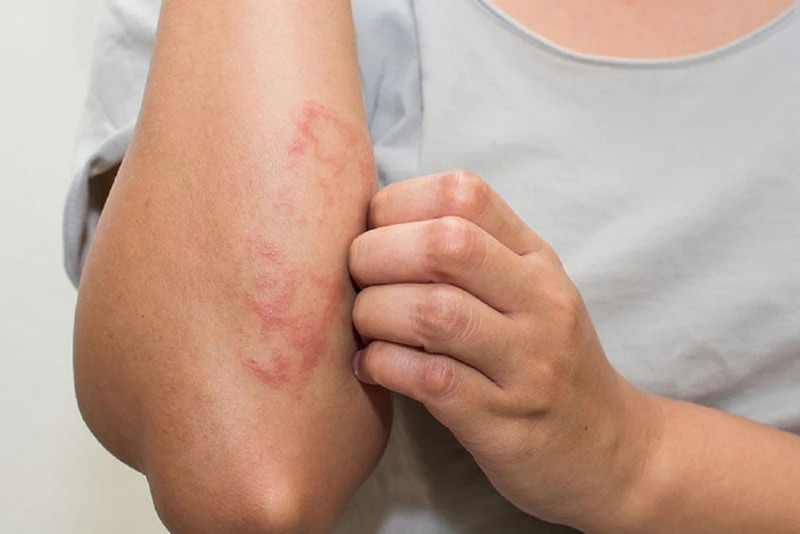 |
| When the weather changes, with frequent rain and high humidity, and many areas experiencing flooding, people are more susceptible to skin diseases. |
Especially during periods of heavy rain and flooding, the most common skin diseases are those caused by bacterial and fungal infections.
The most common fungal skin diseases are athlete's foot and toenail fungus. The main cause is frequent exposure to water, which softens the skin and reduces its protective barrier against the environment, making it easier for external agents like fungi to penetrate. Fungi thrive in warm, humid environments, so during the rainy season and floods, people are more susceptible to athlete's foot, athlete's foot, and toenail fungus.
In addition, bacterial dermatitis is common in humid, rainy weather, when the skin loses its elasticity and is more susceptible to invasion by bacteria and fungi, leading to conditions like impetigo, boils, and folliculitis.
Additionally, when people wade through water frequently, the water can contain many allergens and irritants, leading to irritant contact dermatitis or allergic contact dermatitis on the feet.
According to this expert, the Central Dermatology Hospital has recently received quite a number of cases of athlete's foot, toenail fungus, groin fungus, and infectious dermatitis. The number of patients has increased by 30% compared to the dry season.
A concerning issue is that patients often self-treat, following advice from friends to use various medications. However, skin conditions are diverse, and each type requires different treatments. Therefore, many people treat themselves incorrectly by applying or soaking leaves, or seek medical attention only when complications arise due to using medications of unknown origin.
In addition, some people like to soak or apply leaves to their skin without knowing that this can cause irritation, dryness, cracking, and even ulcers. If left untreated, the condition will worsen, leading to complications such as itching, ulcers, discharge, swelling, and redness.
Regarding treatment, Dr. Phuong emphasized that when experiencing skin problems, people should seek early treatment from a dermatologist. People need to change their habits during the rainy season, such as avoiding wearing damp socks and shoes, which can cause intertrigo due to fungi and bacteria; they must maintain good personal hygiene daily; and they should not seek treatment indiscriminately but instead seek proper diagnosis and treatment.
To prevent skin diseases, people in flood-affected areas need to pay attention to maintaining a clean environment, ensuring disinfection of hands and body, and using protective equipment such as boots and rubber gloves when in contact with contaminated water sources to avoid contact with disease-causing agents.
If you have to wade through rainwater, you must clean yourself thoroughly when you get home, dry the spaces between your toes and fingers, and let your shoes and sandals dry completely before using them again.
Warning: Children may swallow small magnets found in toys.
The Vietnam-Sweden Uong Bi Hospital ( Quang Ninh province) recently admitted a 5-year-old child from Hong Thai Dong commune, Dong Trieu district, who had swallowed a magnet from a toy.
According to the family, while playing at home, a magnet from a toy accidentally fell out, and the child picked it up and swallowed it. The family quickly took the child to the hospital.
At the hospital, the child was examined, and an abdominal X-ray revealed a foreign object in the digestive tract located in the right iliac fossa. The child is currently being cared for and monitored at the hospital.
According to Dr. Vuong Thi Hao, Head of the Pediatrics Department at the hospital, some foreign objects accidentally swallowed by children can be passed out through the digestive tract, but some foreign objects require surgery or endoscopy to remove.
In the case of pediatric patients, they will be closely monitored, and if complications arise or the foreign object cannot be expelled through the digestive tract, doctors will order intervention to remove the foreign object.
If a child swallows a foreign object and it is not detected and treated promptly, it can lead to dangerous complications such as: abrasions of the intestinal and stomach lining, intestinal perforation, stomach perforation, bleeding, and most dangerously, the risk of death.
Therefore, parents need to be vigilant when children are playing with toys. If a child accidentally swallows a foreign object, they should be taken to the hospital immediately for examination and timely treatment.
Especially after swallowing, if the child shows signs such as vomiting, vomiting blood, abdominal pain, fussiness, pale skin, cold hands and feet, immediate emergency care is necessary. At the hospital, the child will be diagnosed, their condition determined, and different treatment options will be provided.
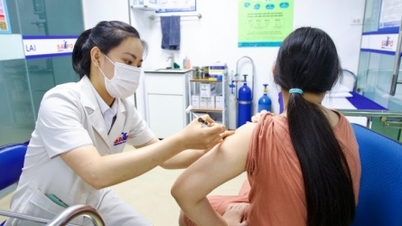
Opening of the Vaccination Unit to serve the public.
The Vietnam-Cuba Friendship Hospital has just inaugurated a vaccination unit to serve the public.
With a team of dedicated and highly qualified doctors and nurses, fully equipped facilities and equipment, and support from the hospital's specialized departments such as Pediatrics, Internal Medicine, and others, people coming to the hospital for vaccinations will receive professional, attentive, and thoughtful service.
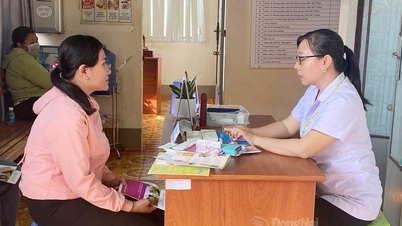
In particular, when registering for vaccinations at the hospital, in addition to the vaccination service, people also receive health care advice and treatment if needed.
The hospital's immunization unit has a full range of essential vaccines for all ages, including meningococcal meningitis BC vaccine, pneumococcal vaccine (Synflorix, Prevenar 13), influenza vaccine (Vaxigrip, Influvac Tetra), and cervical cancer vaccine (Gardasil 4, Gardasil 9)...
In addition, the hospital always provides a sufficient supply of tetanus vaccines and tetanus antitoxin serum to meet the needs of patients in the maxillofacial plastic surgery department and the general public.
The vaccine storage process adheres strictly to regulations, with a cold chain system that meets international standards, ensuring the quality of the vaccines is always maintained.
The hospital also utilizes information technology systems to help people easily register for vaccinations, proactively receive vaccination reminders, maintain vaccination history, easily search for information, and offers preferential programs for people who register for vaccine packages for children of different age groups.


![[Photo] Prime Minister Pham Minh Chinh presides over a meeting on private sector economic development.](/_next/image?url=https%3A%2F%2Fvphoto.vietnam.vn%2Fthumb%2F1200x675%2Fvietnam%2Fresource%2FIMAGE%2F2025%2F12%2F20%2F1766237501876_thiet-ke-chua-co-ten-40-png.webp&w=3840&q=75)























































































Comment (0)