

1. Ginger – a familiar spice with great potential for cardiovascular health.
- 1. Ginger – a familiar spice with great potential for cardiovascular health.
- 2. How can ginger help lower bad cholesterol (LDL)?
- 2.1. Ginger has powerful anti-inflammatory properties.
- 2.2. Supports the reduction of cholesterol synthesis in the liver.
- 2.3. Antioxidant properties, reducing oxidized LDL.
- 3. Scientific evidence that ginger lowers blood fat.
- 4. Who can benefit from using ginger?
- 5. People who need to be cautious when using ginger.
- 6. How to incorporate ginger into your daily diet
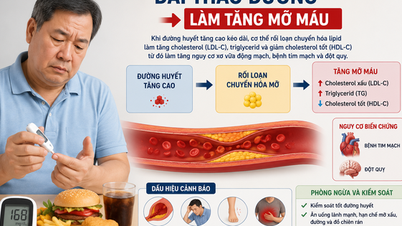
In the context of rising cardiovascular disease, controlling blood cholesterol, especially LDL, has become a top priority. Lowering blood lipids not only helps prevent plaque buildup in arteries but also significantly reduces the risk of heart attack and stroke.
Besides prescribed medication, a healthy diet and supplementary natural remedies are increasingly gaining attention. Among these, ginger – a familiar spice in the kitchen – has been documented in many studies to help improve blood lipid levels and reduce blood fat.
2. How can ginger help lower bad cholesterol (LDL)?
2.1. Ginger has powerful anti-inflammatory properties.
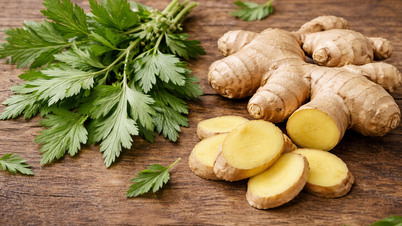
According to information published on the TOI website, chronic inflammation is one of the factors that promote vascular damage and disrupt lipid metabolism. Ginger contains many bioactive compounds, most notably gingerol and shogaol, which have the following effects:
- Inhibits inflammatory mediators.
- Reduce stress on blood vessels.
- Supports the stable functioning of vascular endothelial cells...
When inflammation subsides, the process of cholesterol plaque formation slows down, indirectly improving LDL levels and reducing blood lipids.

Ginger, a familiar spice in the kitchen, has been shown in numerous studies to help improve lipid levels and reduce blood fat.
2.2. Supports reduced cholesterol synthesis in the liver and lowers blood lipid levels.
Several in vitro studies and human trials suggest that ginger may:
- Inhibits certain enzymes involved in cholesterol synthesis.
- Increased bile acid secretion
- Reduces cholesterol absorption in the intestines…
As a result, the total amount of cholesterol that the body produces or reabsorbs can be slightly reduced, contributing to improved LDL and sometimes HDL levels.
2.3. Antioxidant properties, reducing oxidized LDL.
Oxidized LDL cholesterol is the most dangerous form because it easily adheres to blood vessel walls and promotes plaque formation. Ginger, rich in natural antioxidants, helps:
- Neutralize free radicals.
- Protects LDL from oxidation.
- Slowing the progression of atherosclerosis…
This is why ginger is highly valued in the prevention of cardiovascular disease.
3. Scientific evidence that ginger lowers blood fat.
Studies on the effects of ginger on blood lipids are not yet widespread, but the results are generally quite consistent in a positive direction. A randomized study published on PubMed showed that participants who took 3g of ginger powder per day for 45 days experienced significant reductions in LDL and triglycerides compared to the control group.
A meta-analysis of patients with hyperlipidemia also noted that ginger supplementation for 4–12 weeks reduced LDL, total cholesterol, and triglycerides, while slightly increasing HDL.
Animal studies have also shown that ginger lowers cholesterol by inhibiting lipid synthesis in the liver.
However, ginger cannot replace statins or other lipid-lowering medications. Its effectiveness is supportive, suitable as a supplement to a healthy diet and lifestyle.
4. Who can benefit from using ginger?
Ginger is suitable for:
- People with mild dyslipidemia
- People at high risk for cardiovascular disease (high blood pressure, overweight, smoking, etc.)
- For those who want to boost their natural anti-inflammatory and antioxidant properties.
- People who are maintaining a heart-healthy diet.
However, not everyone can consume ginger regularly.
5. People who need to be cautious when using ginger.
- People who are taking anticoagulants (warfarin, high-dose aspirin)
- People with stomach and duodenal diseases
- People with bleeding disorders
- Women in the last three months of pregnancy
- The person preparing for surgery...
In these cases, it is necessary to consult a doctor before consuming large amounts of ginger or using it in supplement form.
6. How to incorporate ginger into your daily diet

Ginger is easy to use and can be added to many dishes.
To support cardiovascular health, the following can be applied:
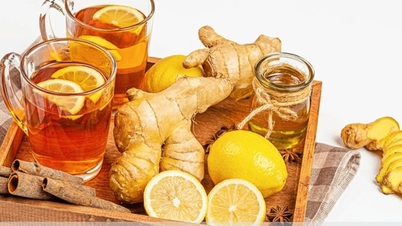
6.1. Ginger tea (should be drunk in the morning)
- 1-2 slices of fresh ginger
- Steep in hot water for 5-10 minutes.
- You can add lemon or a few drops of honey.
6.2. Ginger in dishes
- Add fresh ginger to soups, stews, and stir-fries.
- Use chopped ginger in steamed dishes or sauces.
- Combining turmeric with stews is good for fighting inflammation.
6.3. Smoothies or juices containing ginger
- Add 1-2 slices of ginger to your apple, pineapple, or orange smoothie.
- It provides a warm, spicy flavor while also boosting antioxidant properties.
6.4. Ginger powder
- Use in tea, cakes, or mix with warm water.
- The suggested dose in studies is typically 2–3g/day.
6.5. Ginger supplement tablets
- Use as directed by the manufacturer.
- Do not self-administer high doses if you have underlying medical conditions or are taking other medications.
Important note : Ginger should only be used in moderation, as excessive use can cause burning sensations, reflux, or diarrhea. Ginger plays only a supportive role, especially when combined with: a diet low in saturated fat (reducing red meat and fried foods); increased intake of green vegetables and soluble fiber (oats, beans, flaxseed); at least 150 minutes of exercise per week; sufficient sleep; and stress management.
For individuals with very high LDL levels, a family history of heart disease, or a history of heart attack, lipid-lowering medication is the cornerstone of treatment and is absolutely irreplaceable.
Ginger is a safe, natural spice rich in anti-inflammatory and antioxidant properties that can help lower LDL cholesterol and improve cardiovascular health when used correctly. While not as effective as medication, ginger offers significant benefits when combined with a balanced diet and a healthy lifestyle.
Adding ginger to daily meals is a simple, economical, and suitable choice for Vietnamese people. However, to effectively control cholesterol and prevent cardiovascular disease, people need to have regular health checkups, follow their doctor's treatment instructions, and maintain a healthy lifestyle.
Readers are invited to read more:
Source: https://suckhoedoisong.vn/cach-dung-gung-giam-mo-mau-169251127135336871.htm


















![[Video] Sunset at Lap An Lagoon – Where the sun sets over the fishing nets](https://vphoto.vietnam.vn/thumb/340x192/vietnam/resource/IMAGE/2026/05/31/1780192137701_beach-landscape-sea-water-nature-grass-745871-pxhere-com.jpeg)




![[Photo] The General Secretary, President and his wife lay flowers at the Ho Chi Minh Monument in Manila.](https://vphoto.vietnam.vn/thumb/1200x675/vietnam/resource/IMAGE/2026/05/31/1780219759477_anh-man-hinh-2026-05-31-luc-16-29-07.png)







































































Comment (0)