

Streamlining the administrative apparatus is an urgent task; it's not just about administrative reform, but more importantly, it's a strategy that will determine the country's development.
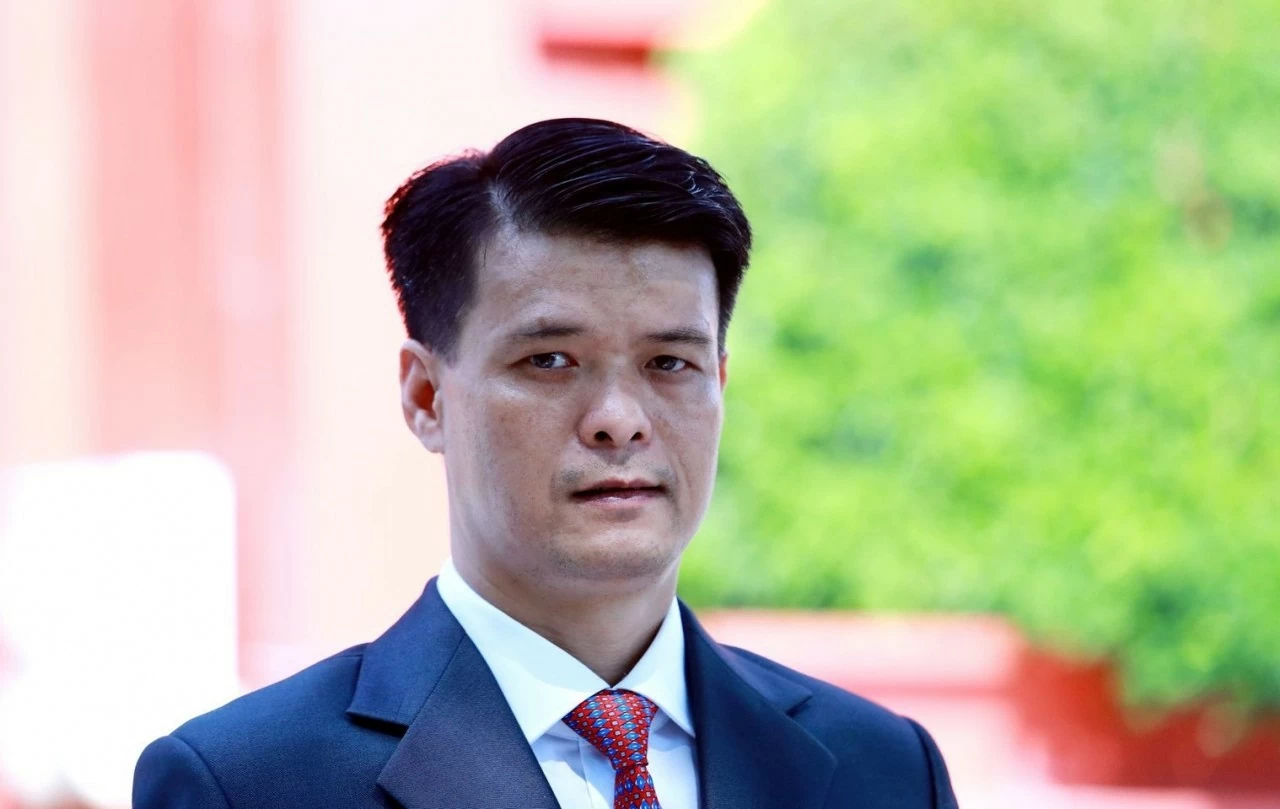 |
| Dr. Nguyen Van Dang believes that streamlining the administrative apparatus is an urgent task, not only as an administrative reform, but more importantly, as a strategy that determines the country's development. |
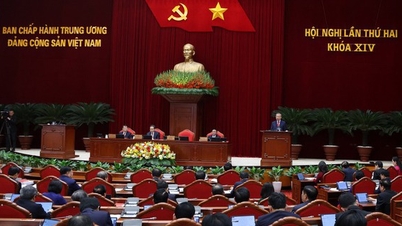
Recently, two articles and numerous statements by General Secretary To Lam on continuing to innovate the Party's leadership methods and streamlining the organizational structure of the political system have attracted much attention and discussion; expectations are high for even more decisive actions to create positive and thorough changes in the coming period.
The General Secretary pointed out a long-standing issue: the organizational structure of the political system in our country remains overly cumbersome, with many layers, levels, and points of contact. The authority and functions of some entities, and the relationships between them, are not clearly defined, and in some cases, the legal status of certain levels is unclear.
The current situation has led to many consequences. Most notably, there is the phenomenon of "overstepping boundaries and taking over responsibilities," where leadership bodies may encroach upon the functions of state management agencies, along with issues of inefficiency, inefficiency, and lack of flexibility in the operations of units within the state management system. According to the General Secretary, all of the above issues highlight the urgent need for revolutionary changes related to the political system.
In recent statements, the General Secretary has been very frank, emphasizing that formalism is no longer necessary; we must continue to streamline the apparatus, reduce staffing levels, and cut recurrent expenditures to allocate resources for development investment... Streamlining the apparatus is an urgent task, not only as an administrative reform, but more importantly, as a strategy that will determine the country's development.
The correct guiding principles of the General Secretary have strengthened confidence and expectations for decisive action throughout the political system, especially from central agencies, in the coming period. The people certainly expect that the decisiveness in the awareness and views of high-level leaders will be translated into action throughout the political system, manifested in concrete results that have a clear and positive impact on the quality of the system's operation.
According to the General Secretary, the key criteria used as a yardstick for organizational system changes are: Lean, Efficient, Strong, Effective, and Efficient. Along with ensuring the Party's leadership role, all adjustments should also aim to end the practice of overstepping boundaries and taking over the functions of state agencies.
It can be said that the resolute implementation of the revolution to build a political system according to modern criteria, as guided by the General Secretary, will play a decisive role in the effective implementation of policies, guidelines, and strategic leadership goals as the country enters a new era, an era of national progress, as affirmed by high-ranking leaders.
To implement revolutionary changes to the political system, one of the most urgent tasks is to decisively implement the policy outlined in Resolution No. 18-NQ/TW (2017) on continuing to reform and reorganize the political system's apparatus. Accordingly, by 2030, the research and implementation of a comprehensive organizational model for the political system that suits the specific requirements and conditions of our country in the new period should be completed.
Source


















































































Comment (0)