However, the initial progress, albeit small, was encouraging. On the very first day of negotiations, both sides reached an agreement on the roadmap for the entire 60-day period and on the establishment of working groups to address the relevant technical issues. This immediately highlighted three distinctive features of this negotiation process.
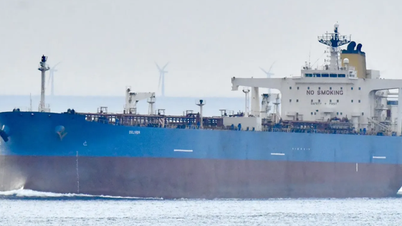
Firstly, this peace process will be very difficult. This is due to Israel's continued attacks on Lebanon despite the temporary peace agreement between the US and Iran (specifically, a ceasefire applicable to Lebanon), President Donald Trump's continued "maximum pressure" on Iran, and Tehran's continued control of the Strait of Hormuz. If Donald Trump fails to intimidate Israel, and if the US and Iran do not de-escalate, this peace process risks failing to achieve the desired results within the 60-day deadline.
Secondly, the recent rocky start shows that the US and Iran are forced to negotiate peace talks without much common ground. Both sides currently need a genuine peace agreement to end the war and satisfactorily resolve related issues, but they are conducting peace talks while constantly being prepared to respond if the dialogue fails.
Thirdly, both sides appeared unhurried, even though in reality they were both racing against time. Both understood that the deadline was only 60 days and negotiations would be difficult. However, both sides expressed a dismissive attitude towards the process. It seems that the most intense bargaining and fundamental concessions between the two sides from the beginning of the peace talks were intentionally reserved for the final days, before the 60-day deadline expired.
The most difficult and sensitive issues facing the negotiations between the US and Iran are Iran's nuclear program and the opening of the Strait of Hormuz to the US. For Tehran, the key issues are the lifting of US sanctions and embargoes, the lifting of freezes on Iranian assets abroad, the reconstruction of Iran, and ensuring Israel ends its war in Lebanon. After months of deadly and devastating war on both sides, the start of negotiations in Geneva is a significant and encouraging step with positive consequences.
At the very least, this opens up a certain chance for a genuine peace agreement between the two sides. The biggest risk to this peace process is that both sides are pursuing very ambitious goals, and without a willingness to compromise, neither side will achieve those goals. The US and Iran have demonstrated that they are capable of sitting down together.
What both sides need now is to demonstrate that they can compromise on a genuine, fundamental, and lasting peace treaty.

Source: https://hanoimoi.vn/can-mot-hoa-uoc-thuc-thu-ben-vung-1208653.html
![[Image] Ho Chi Minh City: Ma Lang area, Chicken-Rice Market about to change its appearance](https://vphoto.vietnam.vn/thumb/1200x675/vietnam/resource/IMAGE/2026/06/25/1782377698627_ndo_br_m1-jpg.webp)


![[Image] Schools organize meetings and introduce teaching models to students admitted to grade 10.](https://vphoto.vietnam.vn/thumb/1200x675/vietnam/resource/IMAGE/2026/06/25/1782368077271_ndo_br_z7970052192242-1ec8daeb77a6eed1a4e9f58c564ddd3e-jpg.webp)






























![[Photo] General Secretary and President To Lam receives Palestinian Ambassador Saadi Salama](https://vphoto.vietnam.vn/thumb/1200x675/vietnam/resource/IMAGE/2026/06/25/1782365384740_a1-bnd-9423-8322-jpg.webp)