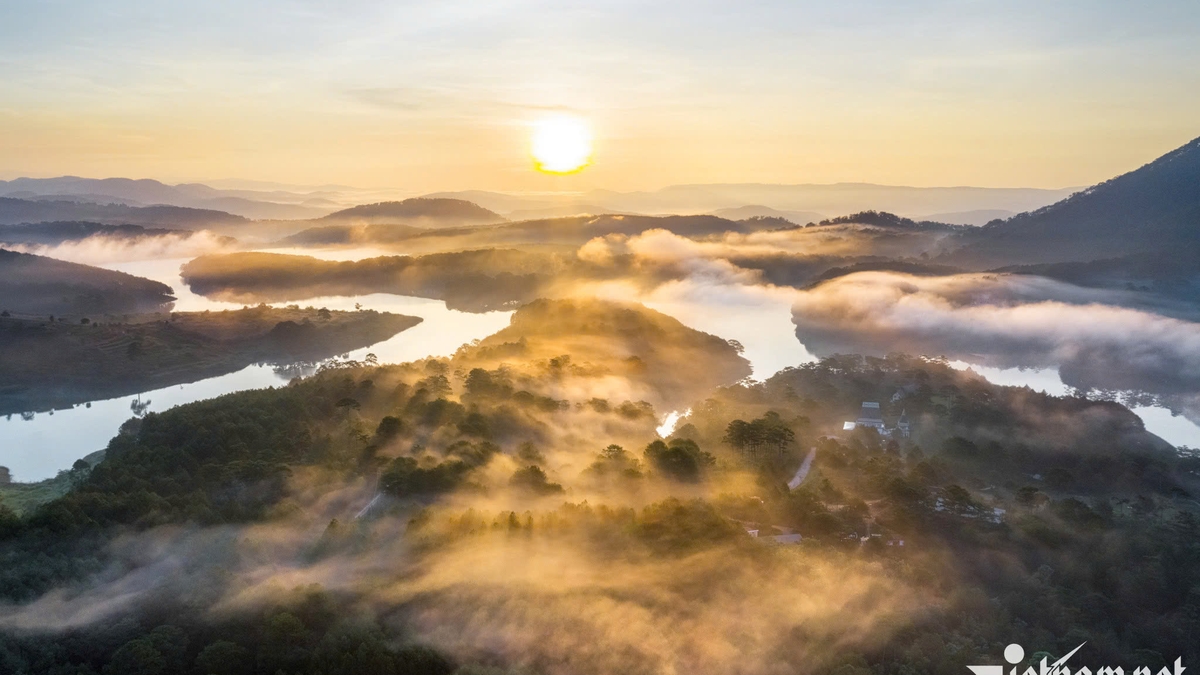
To reach Bản Thái, visitors can drive themselves, immersing themselves in the breezy roads, feeling both familiar and new, as if it were their first time here. The atmosphere here seems to gently slow down. In the early morning, smoke from cooking fires drifts with the thin mist, dissolving into the crisp air. The sounds of children calling to each other, the rustling of rice plants in the wind… All intertwine into a gentle symphony, leading us into the slow and peaceful rhythm of life in the Northwest mountains.
Thai Village is situated in a particularly advantageous location, right in the center of Mu Cang Chai commune. The village is nestled firmly against the sacred mountain range. Unlike other remote villages hidden deep within the mountains, the journey to Thai Village is easier and more accessible.
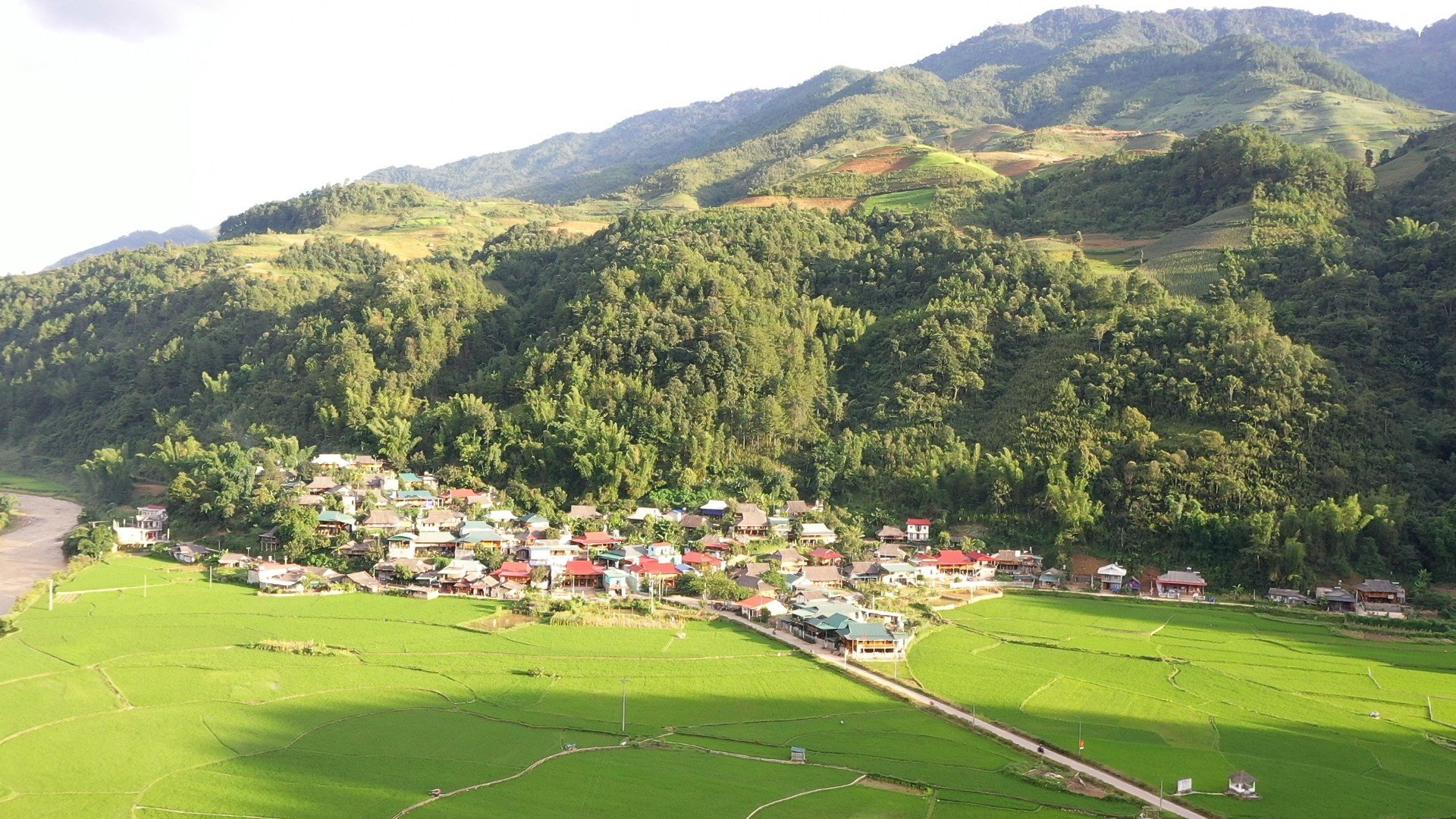
What makes Thai villages so attractive is not only their natural scenery, but also the name itself, which bears the imprint of the culture and the community that lives there.
Although the population is predominantly Hmong, accounting for about 90%, this place is called Thai village because it is home to the Thai people of Muong Lo.
This is no coincidence, but a testament to a history of migration, linked to a group of Thai people who have long settled in this land. They brought with them their traditional stilt houses, unique customs and practices, and preserved their distinctly Thai way of life amidst a multi-ethnic environment.
The presence of the Thai community among the Hmong population does not create a distance or cause them to be assimilated. On the contrary, it is a unique touch, adding color to the diverse cultural landscape of the Mu Cang Chai highlands.
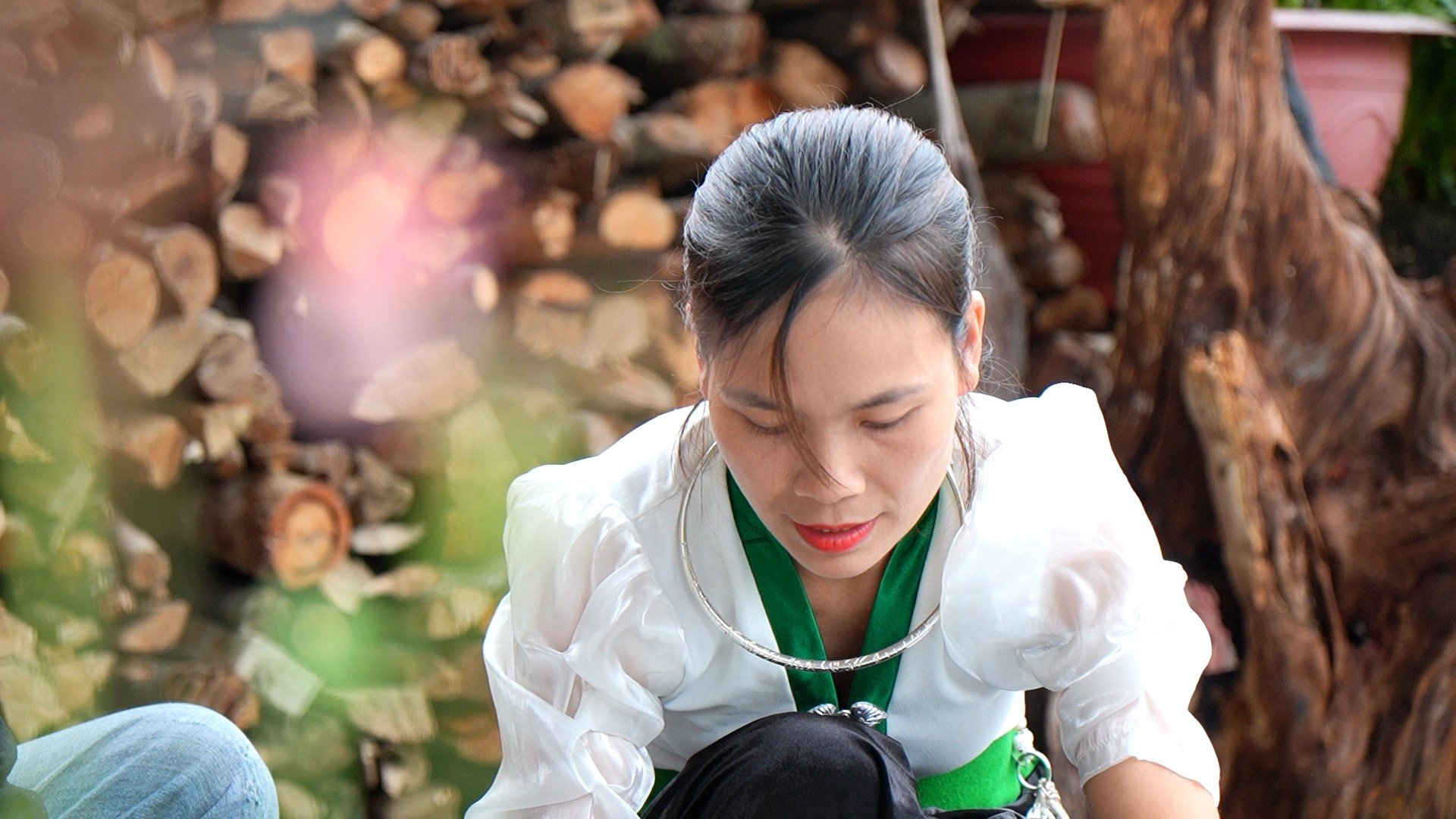
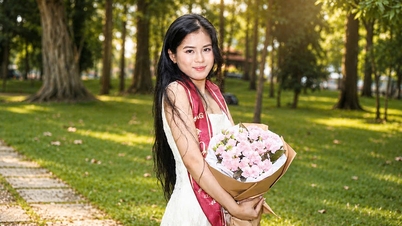
A Thai girl in traditional attire.
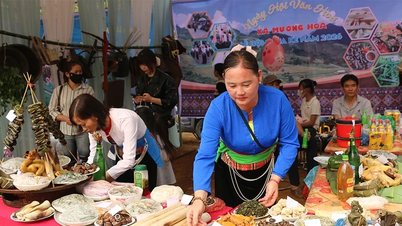
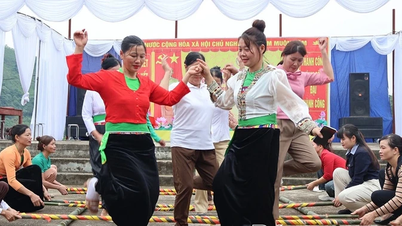
In Thai villages, it's easy to spot women wearing black skirts embroidered with silver threads, their soft hands nimbly weaving silk into vibrant brocade fabrics. The hearths here glow red every morning and evening, not only for warmth or cooking, but also as a place connecting generations, the starting point of countless stories.
Each season, the Thai village takes on a new appearance. In May and June, the first rains of the season pour down the mountain slopes, and the cool, refreshing water flows along small streams to the terraced fields, transforming the entire landscape into a shimmering mirror reflecting the sky. The villagers begin their new planting season, diligently leaving their footprints in the wet earth as if imprinting them on the village's memory.
You may also like
Tinh Khe "reawakens" the Bai Choi heritage to attract tourists.VHO - From classes teaching folk art to guiding community tourism development, Tinh Khe is gradually transforming the Bai Choi heritage into a cultural product to serve tourists. This is considered a direction that both preserves identity and increases the attractiveness of Quang Ngai as a tourist destination. 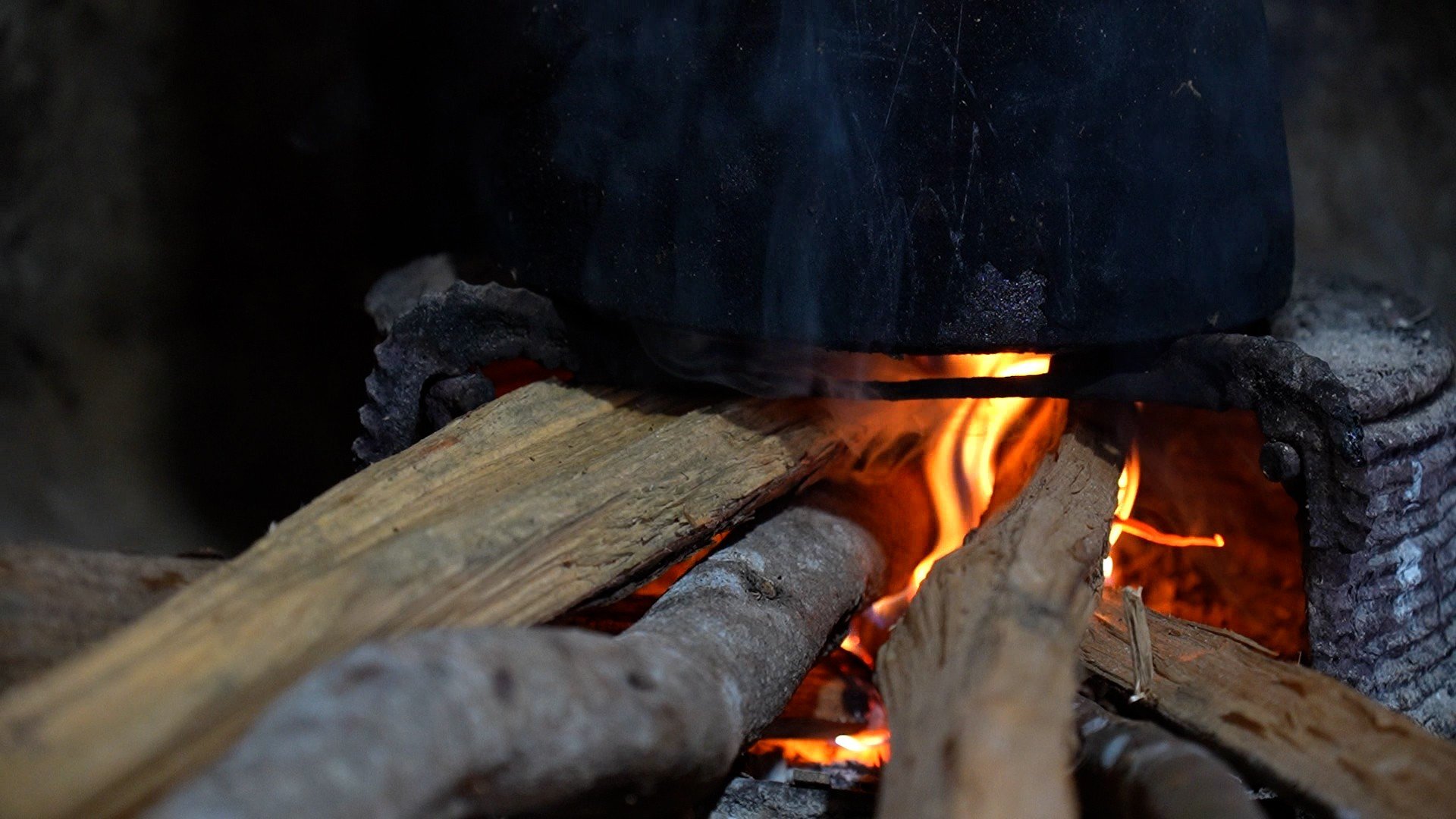
By the fireplace of the villagers in Bản Thái.
In autumn, around September and October, the Thai villages seem to burst into a radiant golden hue. The terraced rice fields ripen, layer upon layer like waves of rice crashing against the mountainside. A gentle autumn breeze sweeps by, carrying the simple, fragrant scent of rice. This is the season when the Thai and Hmong people come down to the fields to harvest, a season of reunion, a season of abundance.
As winter arrives, the village is shrouded in early morning mist. The dirt roads are silently covered in a hazy haze. When spring comes, the entire Thai village seems to awaken. Plum blossoms bloom white at the edge of the village, and peach blossoms paint the stilt houses, which have withstood the cold winds of the season, pink.
The beauty of the Thai ethnic minority lies not only in its scenery, but also in the way its people live in harmony with nature and the heavens. The rice paddies are not simply places for cultivation, but the roots of their survival, the place where farming techniques are passed down from father to son through generations. The terraced rice fields here are not only a symbol of livelihood, but also a "living museum" of the highlanders, preserving both the labor values and the soul of the mountain dwellers.
Since the beginning of 2010, the Thai ethnic minority people have started engaging in community tourism . They welcome guests in their own homes, with warm meals of sticky rice and smoked meat, cozy places to sleep in their breezy stilt houses, and everyday stories told by the flickering firelight in the kitchen.
Ms. Vi Thi Phuong shared: "I borrowed 100 million VND from the Social Policy Bank when I first started my homestay. At first, I was very worried, wondering if city dwellers would like it, but then I realized what they needed was sincerity. I cooked traditional dishes, told them about the village, about weaving, about the rice harvests. Simplicity and sincerity are the characteristics that create the unique identity of Thai village tourism."
Along with proactive community efforts, practical support policies from the province and localities have further motivated the transformation of the Thai ethnic minority community. Over the years, the Social Policy Bank has implemented preferential credit programs, helping people confidently invest in community tourism. Not only do people have easy access to capital, but they are also guided on how to use the capital effectively, linking livelihood investments with the preservation of traditional culture.
Mr. Lo Van Quy, a business owner providing services in Thai village, shared: “With access to preferential loans, the villagers have the opportunity to purchase more household items to serve the needs of tourists, thereby increasing their income while preserving the old village and its traditions.” For Mr. Quy, “preserving the old village” is not just about keeping the house, but also about preserving the entire cultural ecosystem.
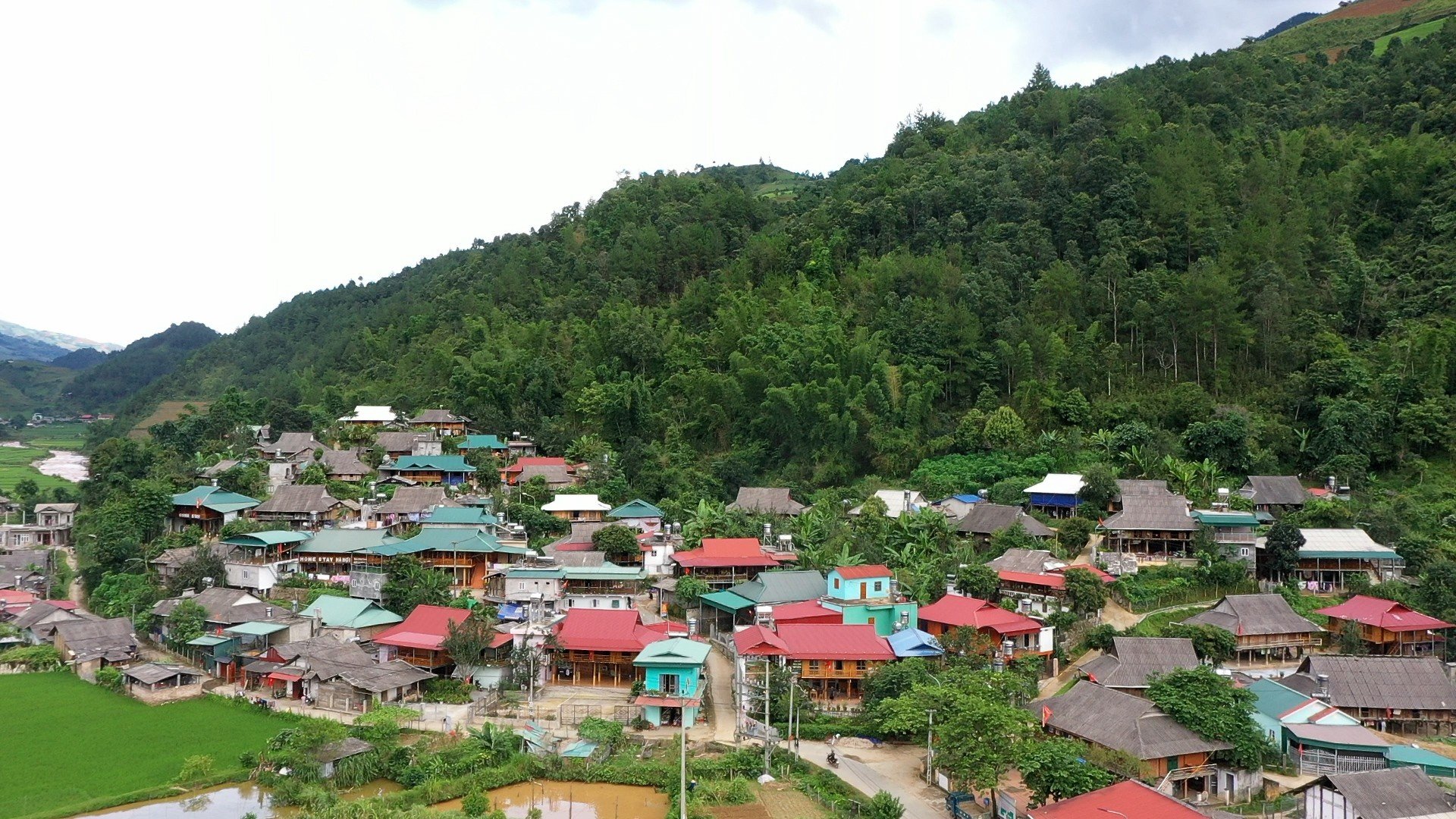
The stilt houses in Bản Thái village.
Strengthening the friendship between Vietnam and the United States.On July 3rd, as part of the Pacific Partnership - Friends of the Pacific 2026 program, the U.S. Army Pacific delegation, led by Lieutenant General Joel Vowell, Deputy Commander of the U.S. Army Pacific, paid a courtesy visit to the Quang Tri Provincial Military Command. Each homestay in the Thai ethnic minority village is not simply an accommodation facility, but also a "cultural stopover" amidst the journey of modernization. Beyond providing a new source of income, this community-based tourism model also helps retain the younger generation, encouraging them to continue contributing to the development of their homeland. Instead of leaving their hometowns for work, many young people have now become guides, interpreters, chefs, and media professionals right in their native land.
In a place once known only for its rice harvest season, the Thai ethnic minority villages are now becoming year-round destinations, preserving their unique identity while integrating with the modern world without being assimilated. This region is being developed into a year-round tourist destination – each season offering a different atmosphere and experience. Spring brings village festivals, the sounds of flutes and gongs. Summer allows visitors to plant rice in the fields, experiencing the scent of fresh earth. Autumn brings golden ripe rice, and winter brings mist, creating a hazy, ethereal scene reminiscent of a gentle, profound ink painting.
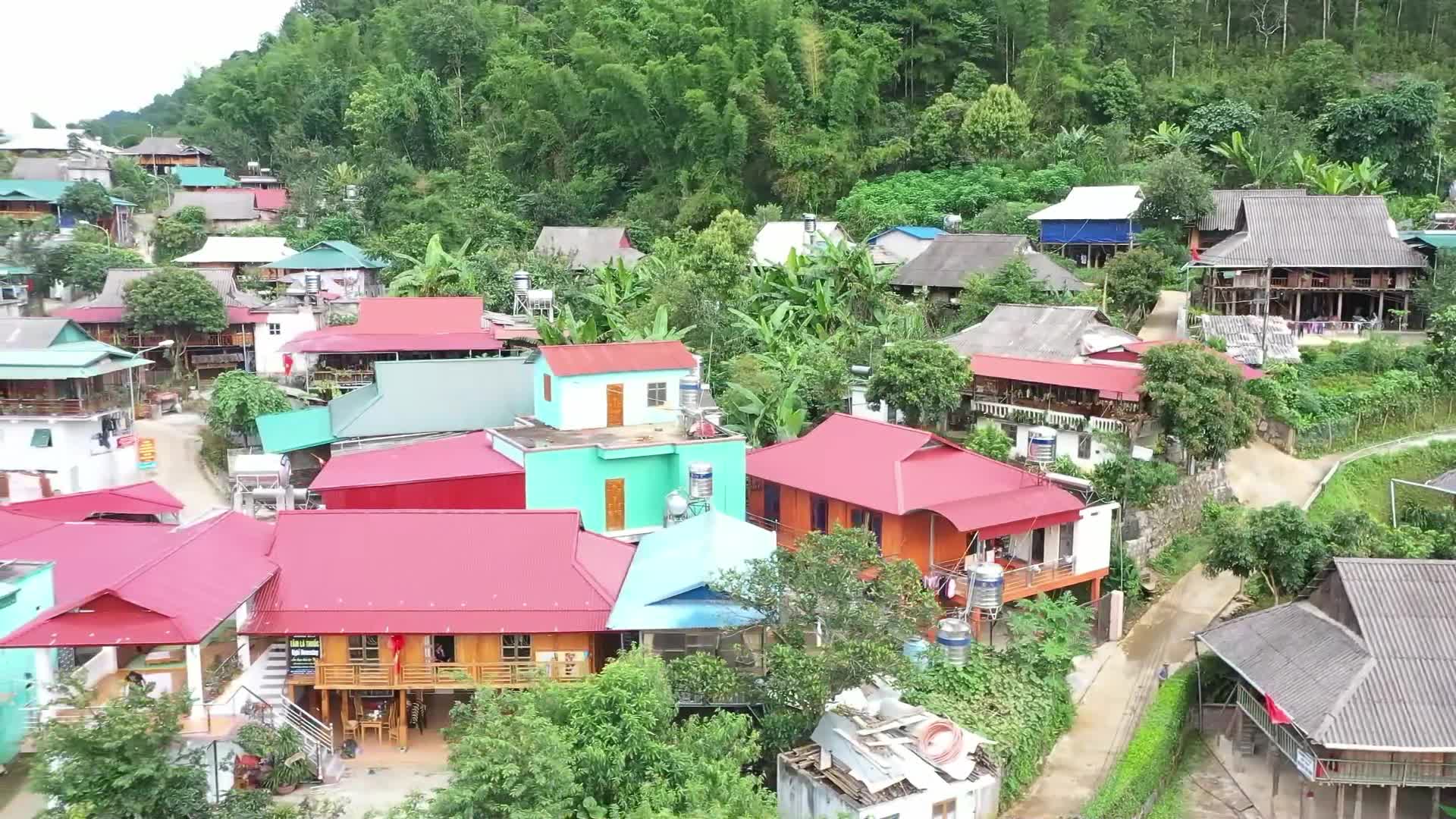
Stilt houses are being developed for tourism in Thai villages.
Located in a central position and blessed with both natural beauty and rich culture, the Thai ethnic minority villages have become an indispensable stop on the journey to explore Northwest Vietnam. Once you set foot here, you'll realize that it possesses a beauty that stirs the heart: from terraced rice fields reflecting the clouds, to crystal-clear streams gurgling along the mountainside, to tranquil stilt houses with smoke rising in the evening. Above all is the hospitality of the local people – simple, warm, and always welcoming to strangers as if they were family returning home.
"Touching the Thai spirit" - this is not just the title of the article, but also a reminder of an experience that reason cannot define, only the heart can understand. Because once you set foot in this place, it is difficult to leave without carrying a flutter in your heart.
In a Thai village, you're no longer a guest, but become a familiar face in the affectionate gaze, the simple invitation to a meal, and the stories told by the fire. There are no grandiose structures to show off, only gentle memories that hold you back. It's the stilt houses fragrant with the scent of new wood, the village meals wafting with the aroma of evening smoke, the honest smiles tinged with shyness. If I ever have to leave, I will still carry with me the firelight from the Thai kitchen and the feeling of having just touched a homeland that has belonged to me for so long.
Source: https://baolaocai.vn/cham-vao-ban-thai-post648183.html