

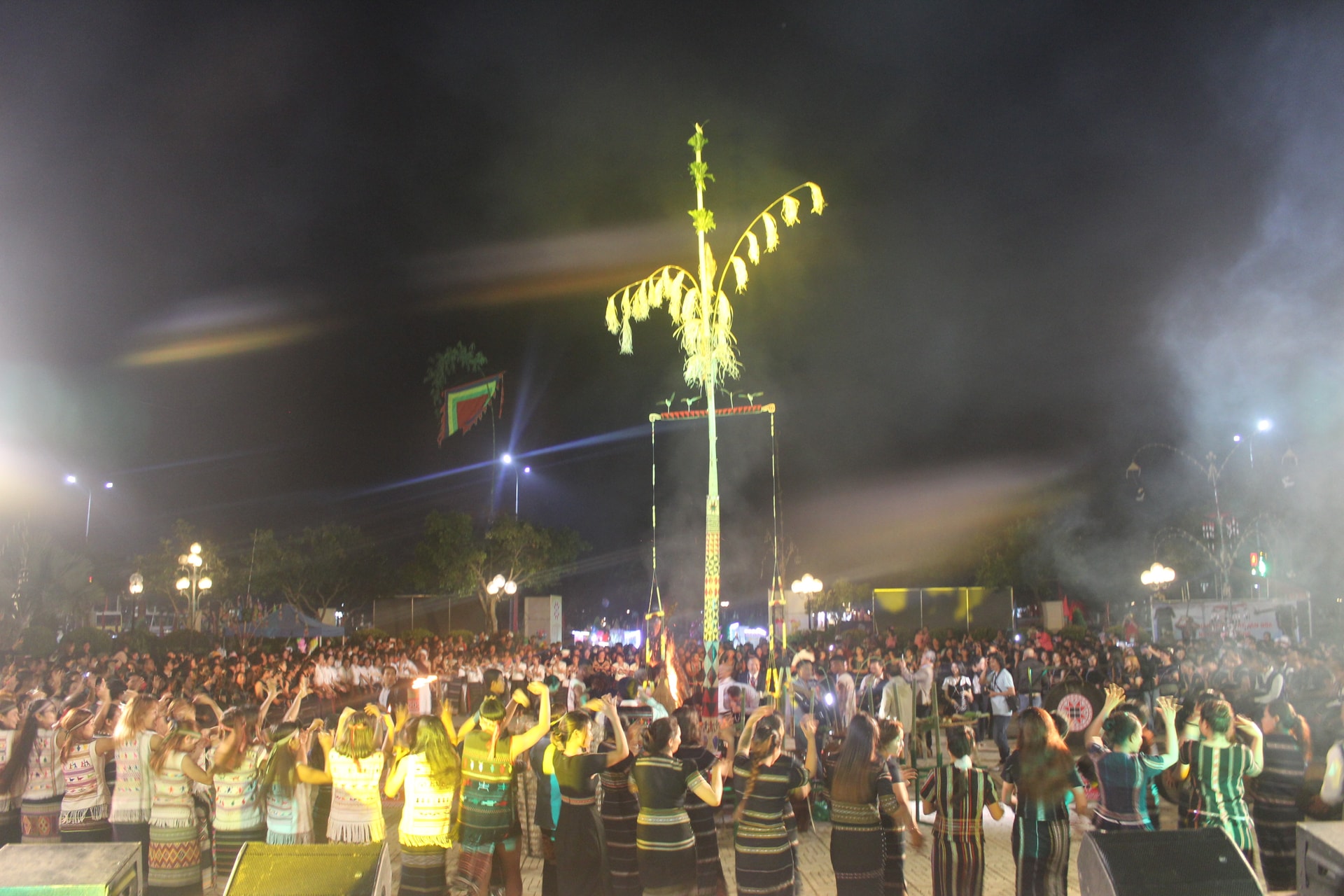
Transforming local culture into tourism products.
Community-based tourism is not simply about bringing tourists to villages; it's about the community using its ethnic cultural heritage and the natural environment to develop its present life without losing sight of the future. In this context, the indigenous cultural space is considered the core of the tourism product.
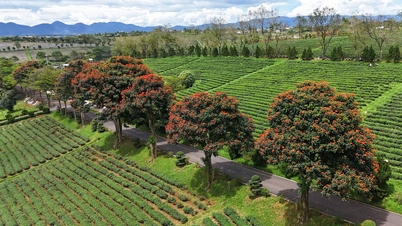
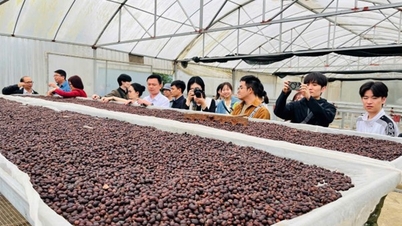
In Ta Nung (Cam Ly ward - Da Lat), a place where the K'ho community has lived for generations, it has become an attractive destination due to its traditional cultural space alongside its characteristic agriculture , including coffee plantations and flower farms. The longhouses, the sounds of gongs, and the meticulously recreated festivals have become experiential products rather than just performances for tourists.
Developing community-based tourism in ethnic minority areas is a crucial step. The people are the main actors, bringing the cultural values of their ethnic group to tourists and directly benefiting from tourism activities. Through this, traditional festivals, customs, and lifestyles will be sustainably preserved.
Ms. Nguyen Thi Bich Ngoc - Deputy Director of the Department of Culture, Sports and Tourism
In villages like Klong Trao (Di Linh commune), Ka Sa (Son Dien commune), and Da Nghich (Ward 3, Bao Loc), the focus is on preserving the traditional villages of the K'ho and Ma ethnic groups. The village space, with its houses, community centers, water sources, and fields, serves as a living museum of indigenous knowledge.
In the western part of the province, there is a series of community-based tourism destinations of the M'nong people such as: Bon Pi Nao (Nhan Co commune), Bon N'Jieng (Dong Gia Nghia ward), Bon N'Jang Lu (Duc An commune), Bon Ja Rah (Nam Nung commune), or Bon Dak Rmoan (Nam Gia Nghia ward), community tourism based on the traditional "bon" settlement unit; Buor and Nui villages (Cu Jut commune) of the Ede people with traditional crafts, traditional stilt houses, and traditional cultural activities. Among them, Bon Pi Nao is being developed into a typical community-based tourism destination of the whole country, meeting ASEAN standards.
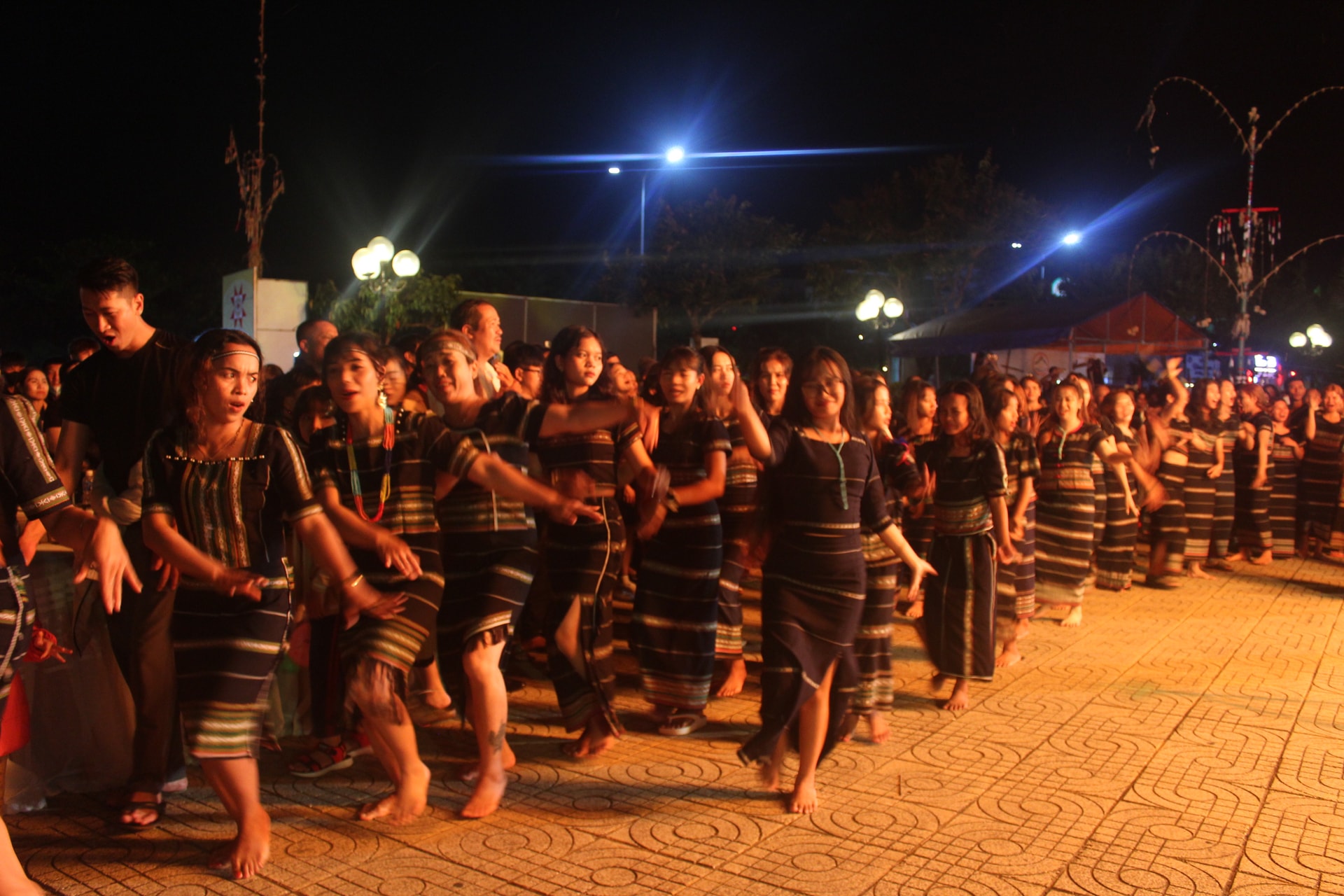
Besides preserving traditional cultural identity, exploiting the advantages of natural resources and scenic spots such as: Nam Kar volcano with its unique topography and rich vegetation; Ta Dung Lake, likened to "Ha Long Bay on the plateau," is becoming an attractive destination for nature-loving tourists. In Dam Rong 4 commune, Da Long hot springs are opening up opportunities for community-based resort tourism linked to health care. The pine hills along the Quang Truc border also have the potential to become a space for ecological experiences, camping, and learning about M'nong culture.
However, nature is a non-renewable asset if overexploited; therefore, destinations need to calculate carrying capacity, control homestay construction, manage waste and wastewater, and prioritize local materials. Through this, ethnic communities will understand that preserving forests, lakes, waterfalls, and streams is essential for long-term livelihoods and sustainable development.
Economic impetus from traditional craft villages
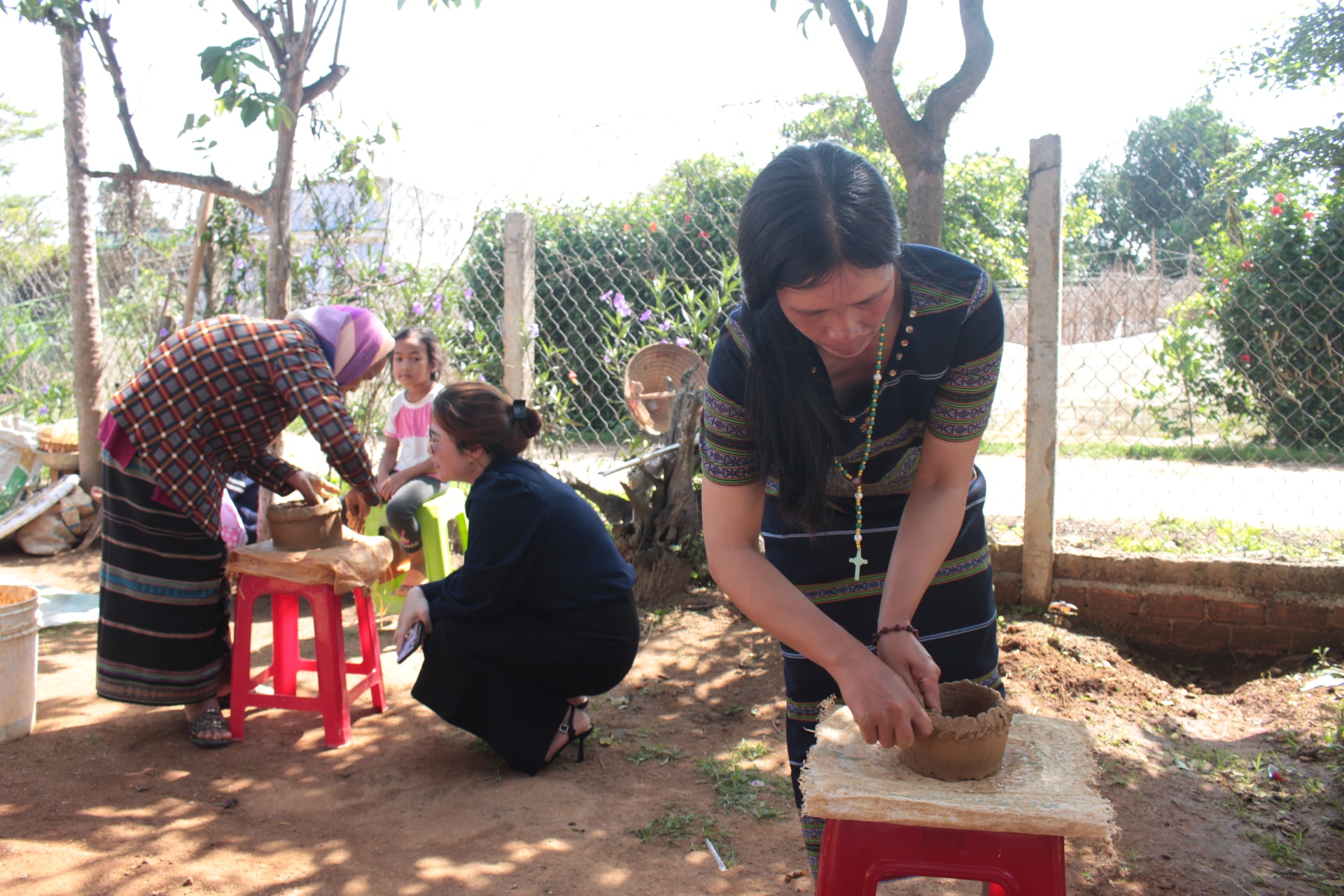
In addition, the brocade weaving villages of K'Long (Hiep Thanh commune), Dam Pao (Phu Son commune, Lam Ha district), B'No C (Lac Duong commune), and the Churu pottery craft in Krang Go and Hamanhai villages (Quang Lap commune) are maintained and developed for community tourism. Particularly noteworthy is the Cham cultural community tourism model in Bac Binh commune, featuring Cham pottery making without a potter's wheel, using open-air firing, with each product bearing the meticulous hands of the artisan and the spiritual aspirations embedded within.
Artisan Luong Thi Hoa, who has nearly 50 years of experience in pottery making, shared: “Previously, we mainly made pottery for daily use and retail sales. Now, tourists come to see, want to try their hand at molding, and hear about the meaning of the patterns, the way the clay is selected, and the firing process. I feel that my craft is more appreciated. My children and grandchildren see that the craft provides income and that people are interested in learning about it, so they want to learn and continue the traditional craft.” When tourists buy a pottery product or a piece of brocade, they are buying the cultural beauty behind the product of the craft village. Community tourism has therefore contributed to passing the torch to the next generation.
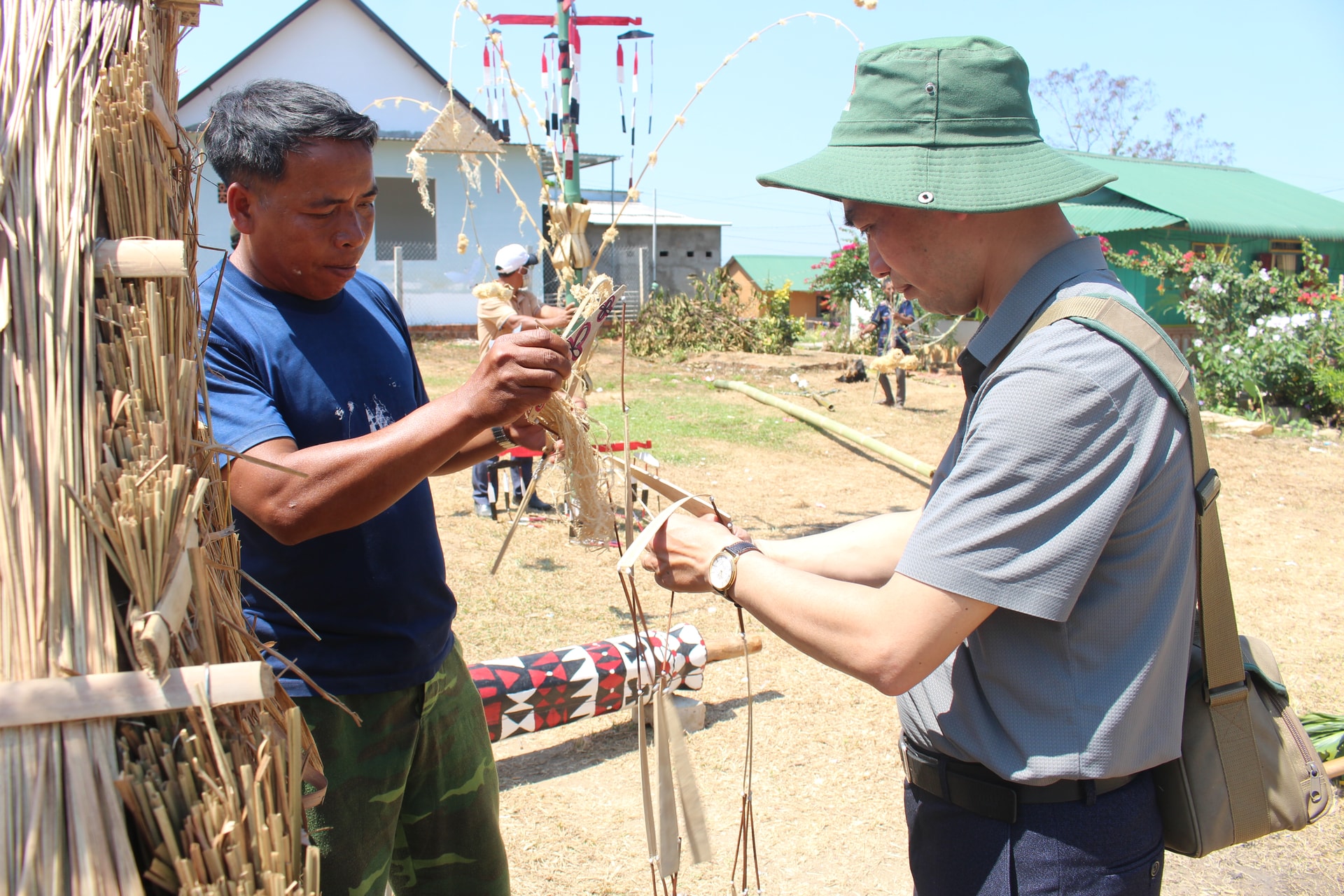
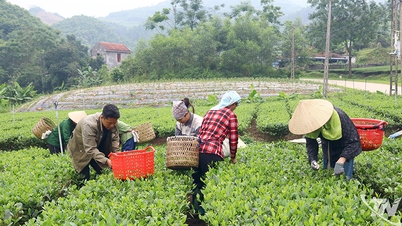
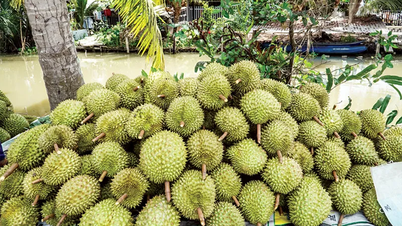
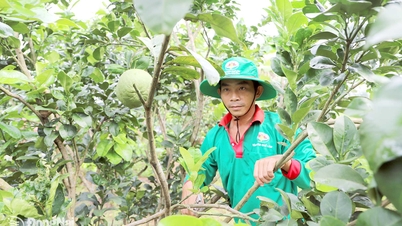
Furthermore, at each community tourism destination, each village of the Ma, K'ho, Churu, M'nong, Ede, and Cham ethnic groups, along with agricultural products such as coffee, vegetables, flowers, and fruits, has become an experiential product. Agricultural tourism, visiting farms directly linked to existing livelihoods, will be suitable for the infrastructure conditions in remote areas.
To ensure that community-based tourism destinations are truly effective, in the coming time, the Lam Dong Department of Culture, Sports and Tourism will implement many solutions such as: training in tourism skills; establishing cooperatives or collaborative groups for the community to work together and share benefits; preserving original cultural elements; linking destinations into routes and clusters to extend the length of stay.
Ms. Nguyen Thi Bich Ngoc further emphasized: "Community tourism will focus on preserving traditional cultural values, therefore it will not chase after the number of tourists, but rather aim for quality experiences and long-term benefits for the people. From there, it will aim to build a unique tourism brand."
One can imagine a vibrant tapestry: the sound of gongs in the Ma ethnic village, the smoke from cooking fires in the M'nong hamlet, the pottery-making hands of Cham and Churu artisans, the colorful brocade fabrics of the K'ho people, the aroma of Ta Nung coffee, the lush green forests at the foot of the Nam Kar volcano... Community tourism not only contributes to increased income and stable livelihoods but also creates a unique tourism brand based on cultural identity. Through this, ethnic communities confidently preserve and showcase the beauty of their traditional culture.
Source: https://baolamdong.vn/phat-trien-du-lich-cong-dong-vung-dan-toc-thieu-so-429158.html
![[Photo] General Secretary and President To Lam receives Amazon's Senior Vice President David Zapolsky](https://vphoto.vietnam.vn/thumb/1200x675/vietnam/resource/IMAGE/2026/05/22/1779466547770_a1-bnd-3513-6601-jpg.webp)


















































































Comment (0)