

The more experiences we have, the more we realize that what remains most firmly rooted in our memories is always linked to emotions. Emotions influence many aspects of life. Especially in travel , emotions largely determine the choice of itinerary.
According to experts, in the face of prolonged global disruptions, tourism is entering a new phase: slower, deeper, and more emotionally enriching. Many travelers are increasingly seeking journeys that are emotionally resonant and healing.
What they desire is not just convenient services, check-in needs, and simple relaxation, but also the value of authentic experiences, a deep connection with the nature, culture, and people of the places they visit.
1. Having visited the ancient Ha Bau church, an ancient religious structure located near the foot of the Chu Dang Ya volcano (Bien Ho commune, Gia Lai province), Ms. Nguyen Thi Viet Huong, a lecturer at the Ho Chi Minh City University of Medicine and Pharmacy, still has vivid memories. After more than a century of existence, the church, once built with materials reportedly painstakingly carried by parishioners through the forest from Tay Son district (formerly Binh Dinh province) to the plateau, has become a ruin, with only the facade and bell tower remaining.
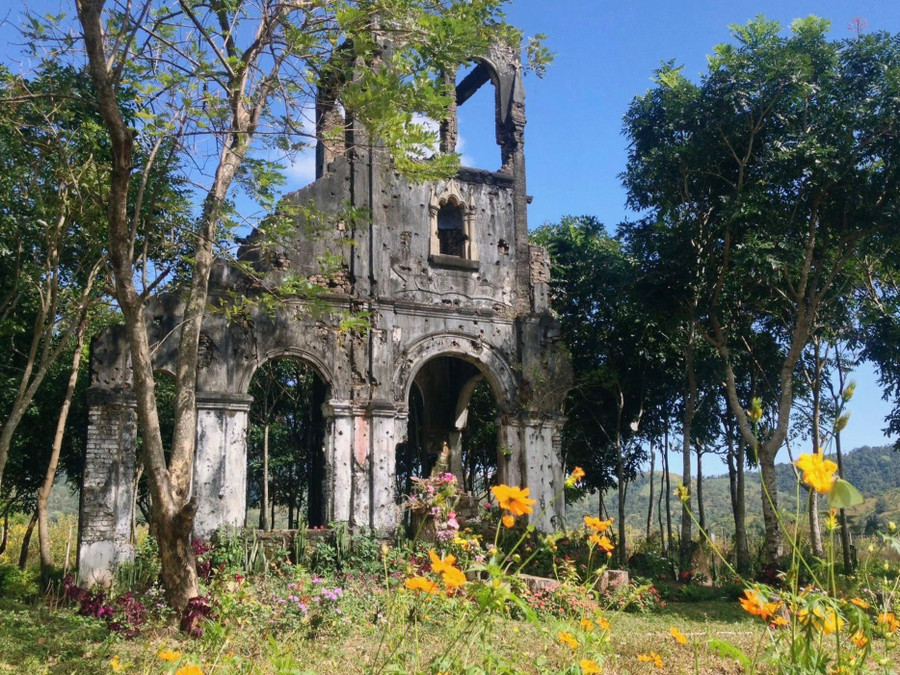
Speaking to the reporter, Ms. Huong expressed: “I’ve traveled to many places, but when I came to the ancient Ha Bau church, I felt something very different. I didn’t come here because of religious impulses, but simply because of what I wanted to find: tranquility and nostalgia.” Slowly enjoying her coffee, silently admiring the solemn, dilapidated appearance of the ancient church amidst the vast natural landscape, Ms. Huong said: “I don’t travel for the purpose of checking in on social media. Therefore, this destination is very interesting to me.”
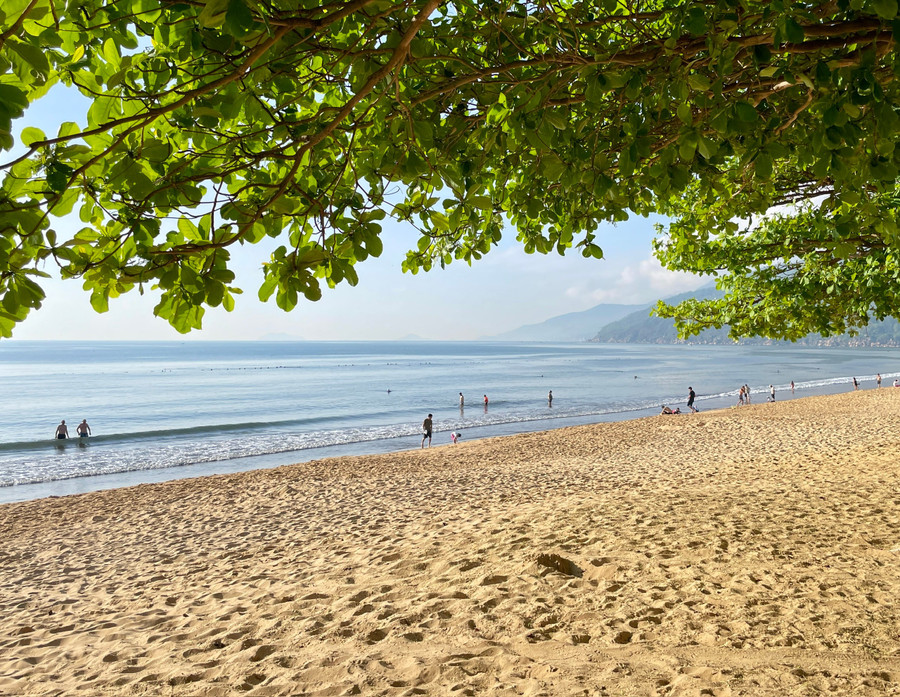
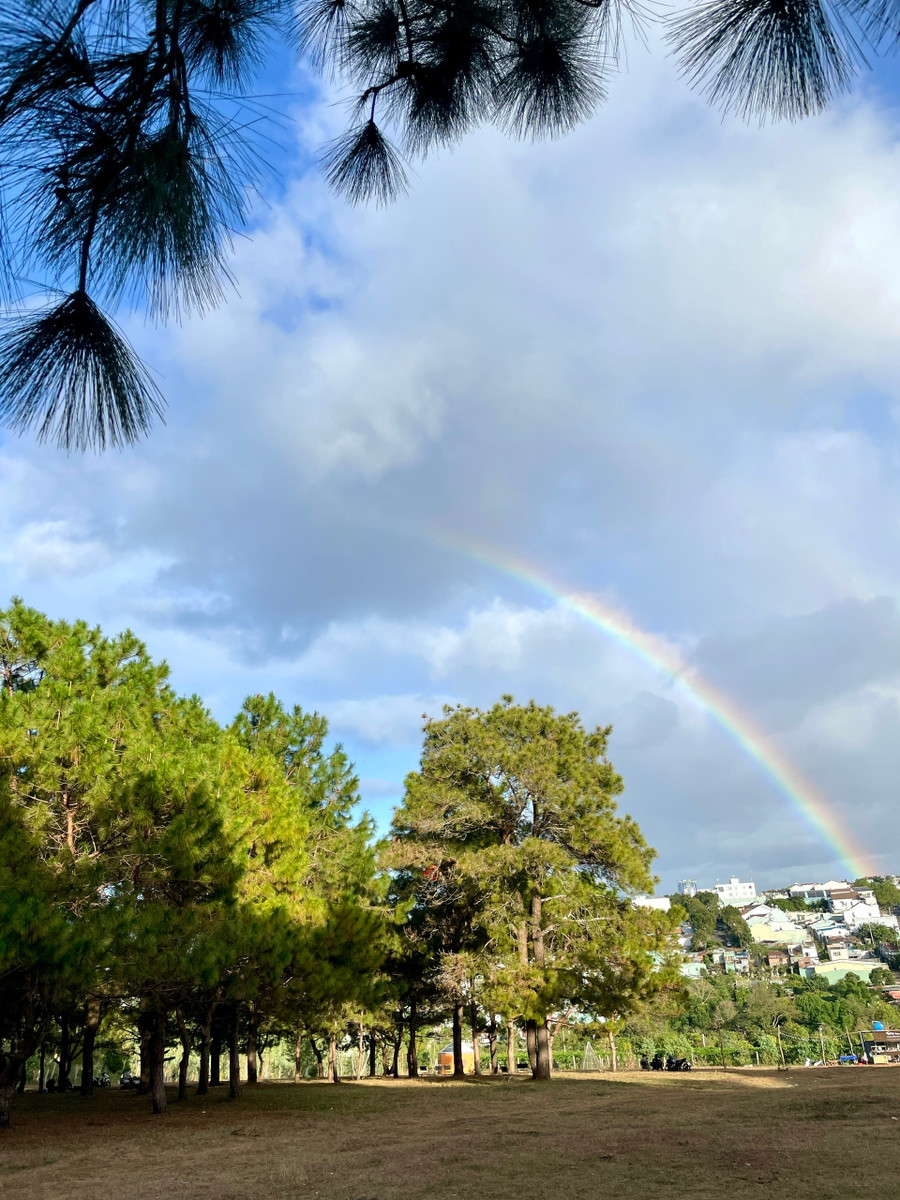
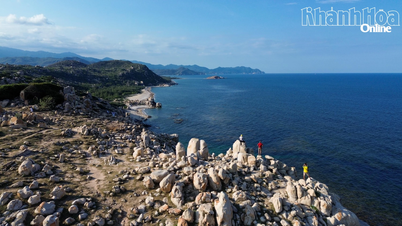
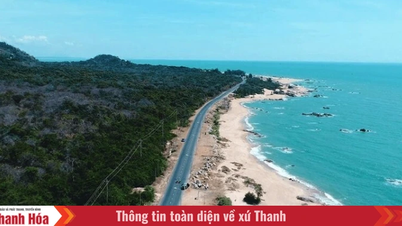
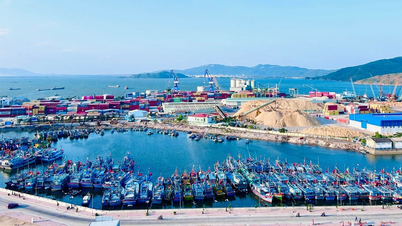
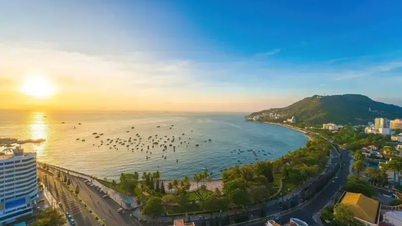
Like Ms. Huong, many tourists share the simple yet profound joy of sitting under the green pine trees in the mountain town, sipping tea, gazing at a corner of the city shining in the sun, and suddenly feeling a sense of peace. Or, towards the coast of Quy Nhon, what could be more delightful than strolling along the gentle waves on the soft, clean sand; or stopping at a small eatery to enjoy local dishes and immerse oneself in the authentic local life.
From these stories, one crucial element in tourism development is the range of emotions a region evokes in visitors.
Recently, in Tuyen Quang , a foreign female tourist posted a video that melted her heart. It showed 97-year-old Mrs. Sung Thi Co, the oldest member of the Lung Tam Linen Weaving Cooperative (formerly in Ha Giang province), smiling and softly saying "hello" to her before diligently continuing to draw beeswax on the linen fabric. The tourist said that Mrs. Co was the most hardworking and lovable elderly woman she had ever met.
Despite its simplicity, her short clip attracted over 12 million views and nearly 2,000 shares, prompting many other tourists to express their desire to meet her on their next trip to Ha Giang. The northernmost region of Vietnam unexpectedly went viral thanks to such an emotional effect.
2. In an article titled "Vietnam's Tourism Industry is Gradually Shifting from a Traditional Economic Model to an Emotional Economy," Dr. Le Thi Thu Phuong (Ho Chi Minh National Academy of Politics) affirms: Emotional economy is a concept that refers to a deeper focus on the role of emotions in the consumption process. This is not only about how to create experiences but also about evoking emotional states in customers throughout their experience. In tourism, where the nature of the product depends heavily on personal perception, the emotional element becomes particularly important.
According to Dr. Thu Phuong, a trip is not just about traveling or using accommodation and food services, but also about the sum total of positive emotions such as excitement, relaxation, surprise, happiness, or even nostalgia. The tourism industry is an ideal field to apply the emotional economy model, because tourists not only seek basic services but also want to immerse themselves in stories, culture, and experience the authenticity and uniqueness of the destination.
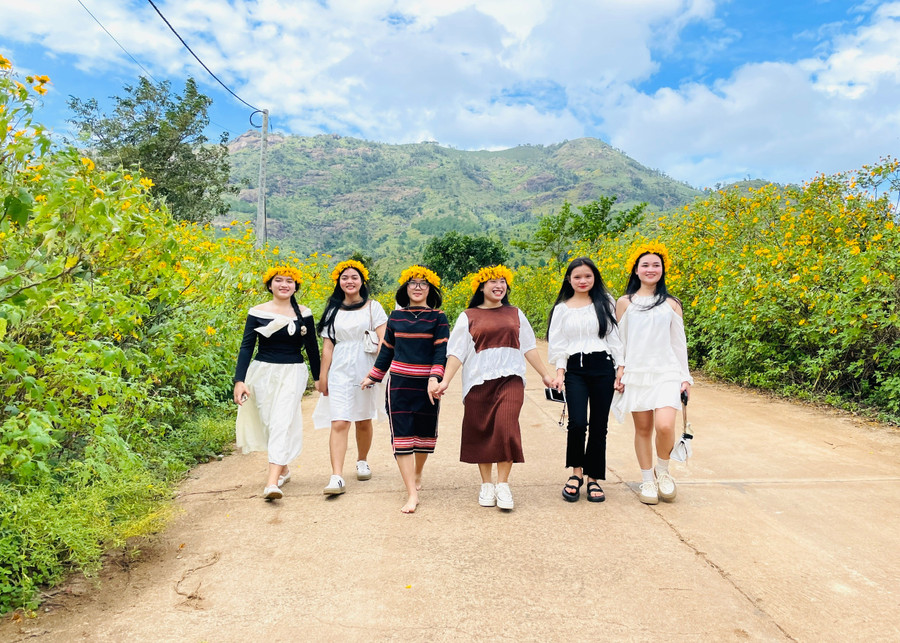
Based on the above analysis, to truly capture the emotions of tourists, perhaps along with investing in product and service quality, special attention should be paid to the human element. This means training and developing a tourism workforce capable of conveying emotions and telling compelling stories about the culture, history, and people of the destination.
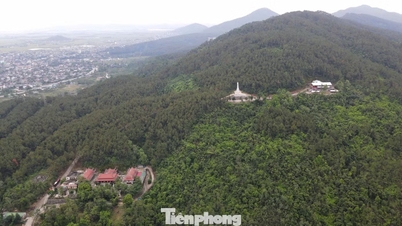
Furthermore, it is necessary to design tourism products based on emotions and cultural stories, so that each destination and each tourism product has its own story connected to the history, culture, and people of the locality. For example, the Chu Dang Ya volcano will become much more attractive when tourists are introduced to a place associated with a Jrai legend.
Many travel forums also show that sometimes tourists' emotions are determined by seemingly small factors such as clear signage, free Wi-Fi, clean restrooms, etc. Therefore, in terms of infrastructure, in addition to investing in transportation and accommodation, destinations need to pay attention to these factors as well.
Gia Lai's administrative boundaries have expanded, and it boasts forests and coastlines, offering significant advantages in connecting tour routes. If Gia Lai skillfully "wins over" tourists and leverages its existing strengths, it will become an increasingly prominent name on the tourism map.
Source: https://baogialai.com.vn/du-lich-cam-xuc-post582529.html
![[Photo] National Assembly Chairman Tran Thanh Man working with the Standing Committee of the Economic and Financial Committee](https://vphoto.vietnam.vn/thumb/1200x675/vietnam/resource/IMAGE/2026/05/20/1779249584387_ndo_br_1-jpg.webp)


![[Photo] General Secretary and President To Lam presides over a meeting on assessing national development resources.](https://vphoto.vietnam.vn/thumb/1200x675/vietnam/resource/IMAGE/2026/05/20/1779253785852_a1-bnd-2943-8519-jpg.webp)

























































Comment (0)