

Hypertension is a common disease and one of the leading causes of death or disability among cardiovascular diseases.
The World Health Organization (WHO) estimates that globally, more than 1.2 billion people aged 30 to 79 suffer from hypertension. Approximately two-thirds of them live in low- or middle-income countries.
What is the highest blood pressure reading?
There is no specific highest blood pressure reading, but dangerously high blood pressure is defined as a systolic blood pressure of 180 mmHg or higher, or a diastolic blood pressure of 120 mmHg or higher, requiring urgent medical intervention to avoid serious complications and reduce the risk of death.
High blood pressure is determined by two main numbers: systolic blood pressure (the top number) and diastolic blood pressure (the bottom number). Systolic blood pressure measures the pressure of blood against the artery walls when the heart contracts. Conversely, diastolic blood pressure measures the pressure of blood when the heart rests between beats. When systolic or diastolic blood pressure is higher than normal, the person may have high blood pressure.
According to the American Heart Association, the ideal blood pressure for a healthy person is approximately 120/80 mmHg. This blood pressure level can vary depending on age or individual health conditions.
What is the maximum blood pressure range that requires medical emergency care?
High blood pressure is divided into two stages with varying degrees of severity, including:
Stage 1 hypertension: Systolic blood pressure between 130 mmHg and 139 mmHg or diastolic blood pressure between 80 mmHg and 89 mmHg. In this case, patients only need to change their lifestyle to stabilize their blood pressure.
Stage 2 hypertension: Systolic blood pressure of 140 mmHg or higher, or diastolic blood pressure of 90 mmHg or higher. At this stage, patients will also be advised to make lifestyle changes, and the doctor may prescribe medication if the patient has co-existing medical conditions.
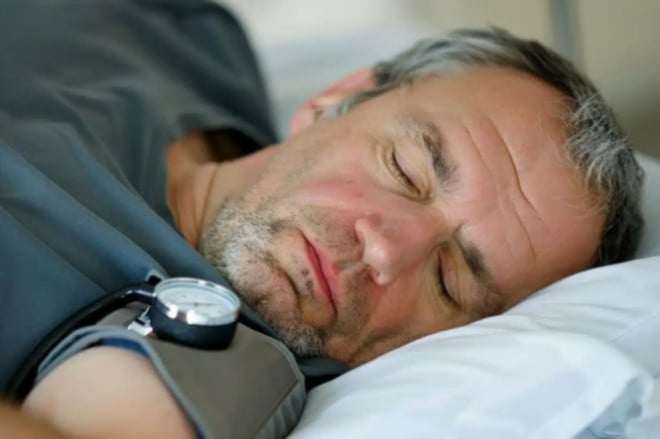
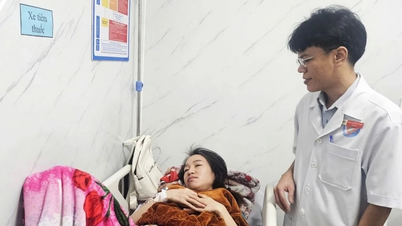
Illustrative image. (Source: Neuroscience)
The maximum blood pressure range requiring medical emergency treatment can occur if blood pressure reaches dangerously high levels, such as 180/120 mmHg. A patient may be experiencing a hypertensive crisis, a medical emergency. Blood pressure at this level can damage blood vessels and increase the risk of stroke. Therefore, the patient should immediately call a doctor or go to the nearest medical facility for monitoring and treatment.
How to handle situations where blood pressure is at its maximum allowable level.
High blood pressure exceeding the maximum acceptable level is a medical emergency requiring immediate intervention. Here are some ways to handle the situation for the patient and those around them if they notice someone experiencing this condition:
For patients
Patients should remain calm, avoid anxiety and stress, and should sit or lie down to rest, refraining from strenuous physical activity at this time.
If you have a blood pressure monitor at home, recheck your blood pressure after 5-10 minutes to confirm the result.
Use blood pressure medication only if prescribed by your doctor.
Drink a glass of warm water and avoid stimulants such as coffee, tea, or alcoholic beverages.
If your blood pressure remains high and you experience symptoms such as severe headache, shortness of breath, or chest pain, go to the nearest medical facility for an accurate assessment of your condition.
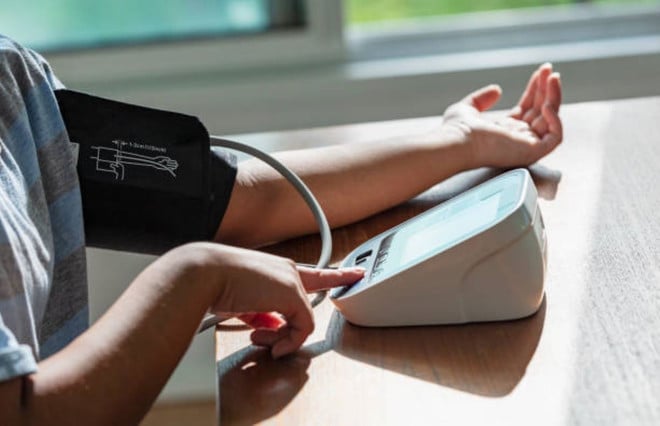
Patients can monitor their blood pressure at home.
Patients can monitor their blood pressure at home.
For those around you
Provide the patient with the most comfortable resting position, whether sitting or lying down.
Observe the patient's symptoms, especially emergency signs such as shortness of breath, chest pain, and loss of consciousness. If you notice these signs, take the patient to the nearest medical facility or hospital, or call for emergency assistance immediately.
Help patients take their medication if they need to take blood pressure medication.
Provide emotional support to patients, avoiding causing further anxiety or fear.
(Photo: Getty Images)
Prompt and proper treatment can minimize the risk of serious complications caused by high blood pressure.
High blood pressure often develops silently but has very serious consequences. Therefore, proper monitoring and treatment can prevent complications and adverse events, preserving the health, working capacity, and lifespan of patients.
Many people with hypertension lack understanding of the disease and its consequences. Therefore, they do not have the right attitude towards the disease, leading to an increasing number of deaths due to hypertension.
Hypertension may have a cause or be idiopathic, but the vast majority are of unknown cause (essential hypertension). If not treated properly, without adhering to a proper diet and exercise regimen, hypertension can lead to complications such as stroke, myocardial infarction, aneurysm, heart failure, kidney damage, vision loss, metabolic syndrome, memory impairment, and dementia.
(Vietnam+)
Source: https://www.vietnamplus.vn/chi-so-the-nao-duoc-coi-la-huyet-ap-cao-va-khi-nao-phai-nhap-vien-post1043265.vnp


![[Photo] Prime Minister Pham Minh Chinh presides over a meeting on private sector economic development.](/_next/image?url=https%3A%2F%2Fvphoto.vietnam.vn%2Fthumb%2F1200x675%2Fvietnam%2Fresource%2FIMAGE%2F2025%2F12%2F20%2F1766237501876_thiet-ke-chua-co-ten-40-png.webp&w=3840&q=75)
















































































Comment (0)