

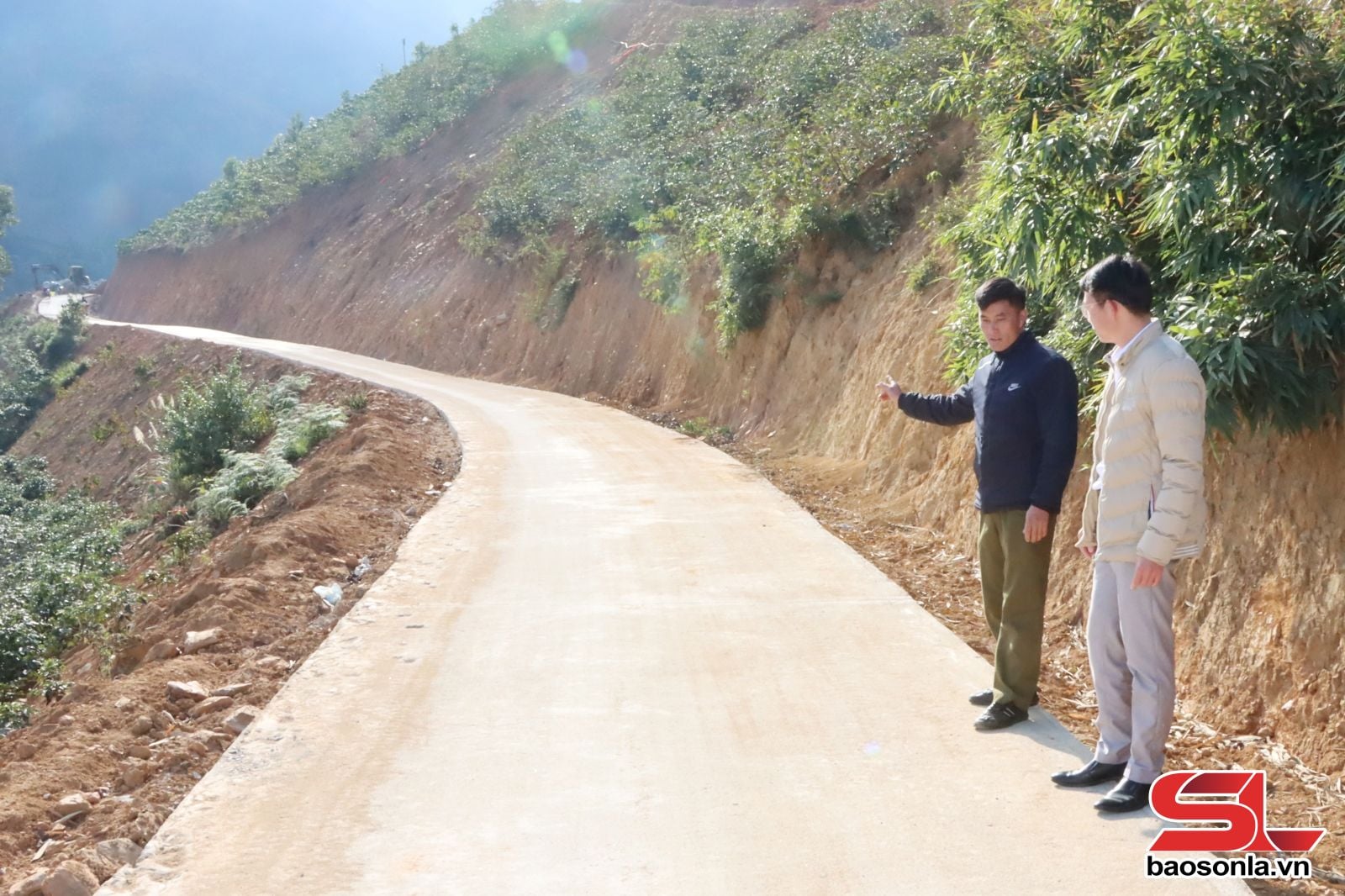
In 2017, the 7-kilometer road connecting Na Vien village to Pang Sang village in Chieng Mai commune was paved with concrete for over 3 kilometers under the New Rural Development Program. By 2025, the village will continue to be maintained and paved with concrete for an additional 1.8 kilometers under the National Target Program 1719, facilitating convenient travel and easy trade with neighboring villages and communes for 47 households and over 200 people in Pang Sang village.
Mr. Mua A Dinh, Party Secretary and Head of Pang Sang village, said: "The village is 100% inhabited by the Mong ethnic group; the main source of income comes from cultivating 95 hectares of coffee. With the road completed, cars can now reach the village and the fields to purchase agricultural products from the villagers, saving them a lot of effort in transportation. By 2025, 19 households in the village will have escaped poverty, contributing to reducing the village's poverty rate to 23%; life is becoming increasingly prosperous."
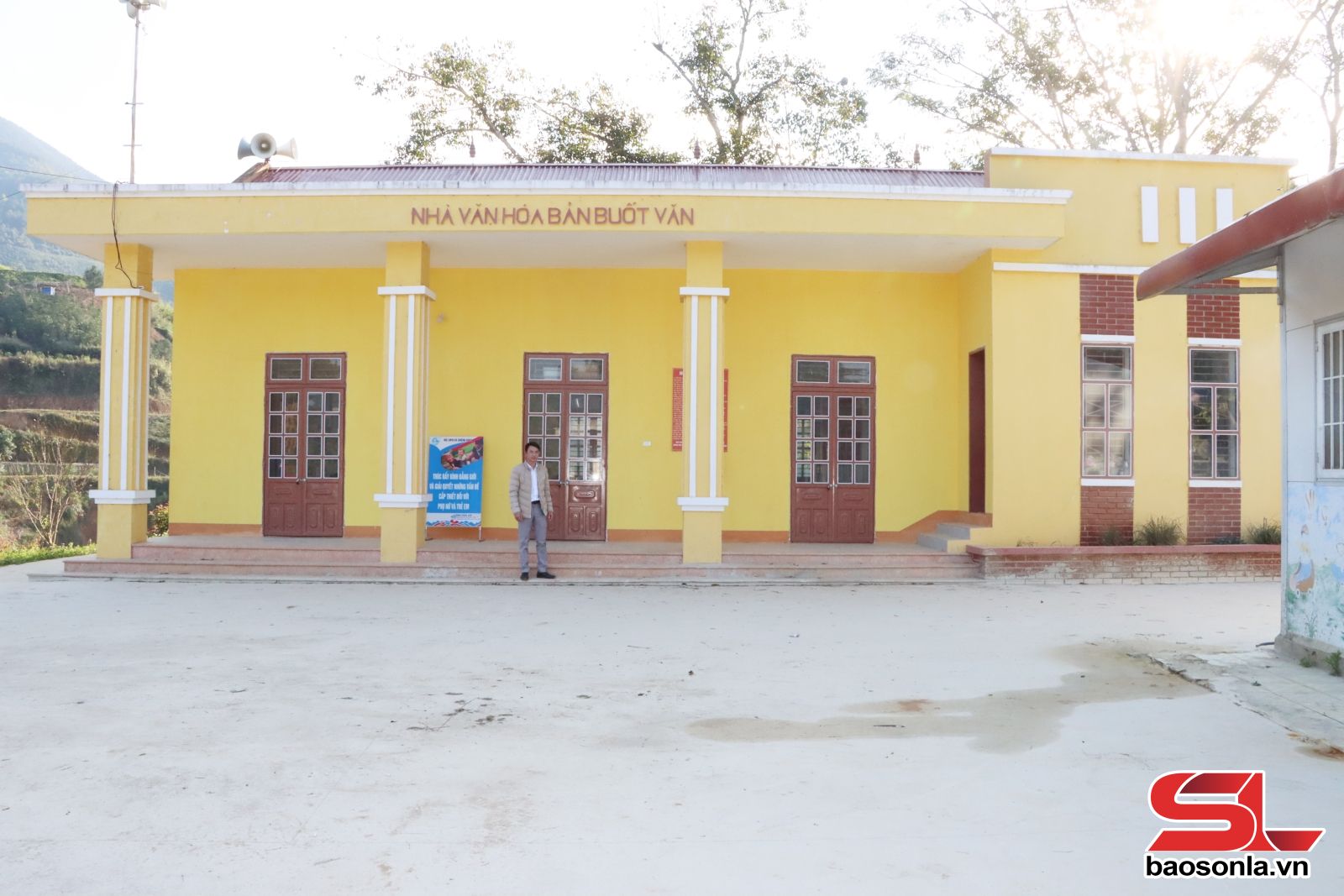
Continuing on to Vut Bon village, stopping in front of the newly built village cultural center, Ms. Lo Thi Soi, Party Secretary and Village Head, shared: "From the National Target Program 1719, the village received 1 billion VND to build a new cultural center, nearly 200 m² in size; it also received investment for a sports field, fence, tables, chairs, and sound system. In addition, the village mobilized the people to contribute labor days to transport construction materials and excavate the land, worth 50 million VND. With the new cultural center, the villagers are very happy; every afternoon they gather to play sports and sing."
Chiềng Mai commune has 50 villages, home to over 1,150 households of ethnic minorities including Thai, Kinh, Mong, Khơ Mú, and Sinh Mun. Over the years, using funds from the National Target Program 1719, the commune has prioritized investment in building transportation systems connecting villages and areas to serve the daily lives and production activities of the people; investing in the construction and repair of cultural centers and water supply facilities; and providing support for production, training, and guidance on farming and livestock techniques for people in particularly difficult areas.
Since implementing the two-tiered local government model, Chiềng Mai commune has received over 8.5 billion VND in investment from the National Target Program 1719 for the maintenance and repair of the water supply system in Vuông Mè village; the cultural house in Buốt Văn village; and the roads from Buốt Văn to Pha Đin village; Nà Viền to Pắng Sẳng village; Puốn Vạy to Khiềng village; and Có Tình to Lon Kéo village. To date, 90% of villages have paved roads; over 98% of households have access to the national power grid; 98% of the rural population uses clean water; and 100% of villages have cultural houses.
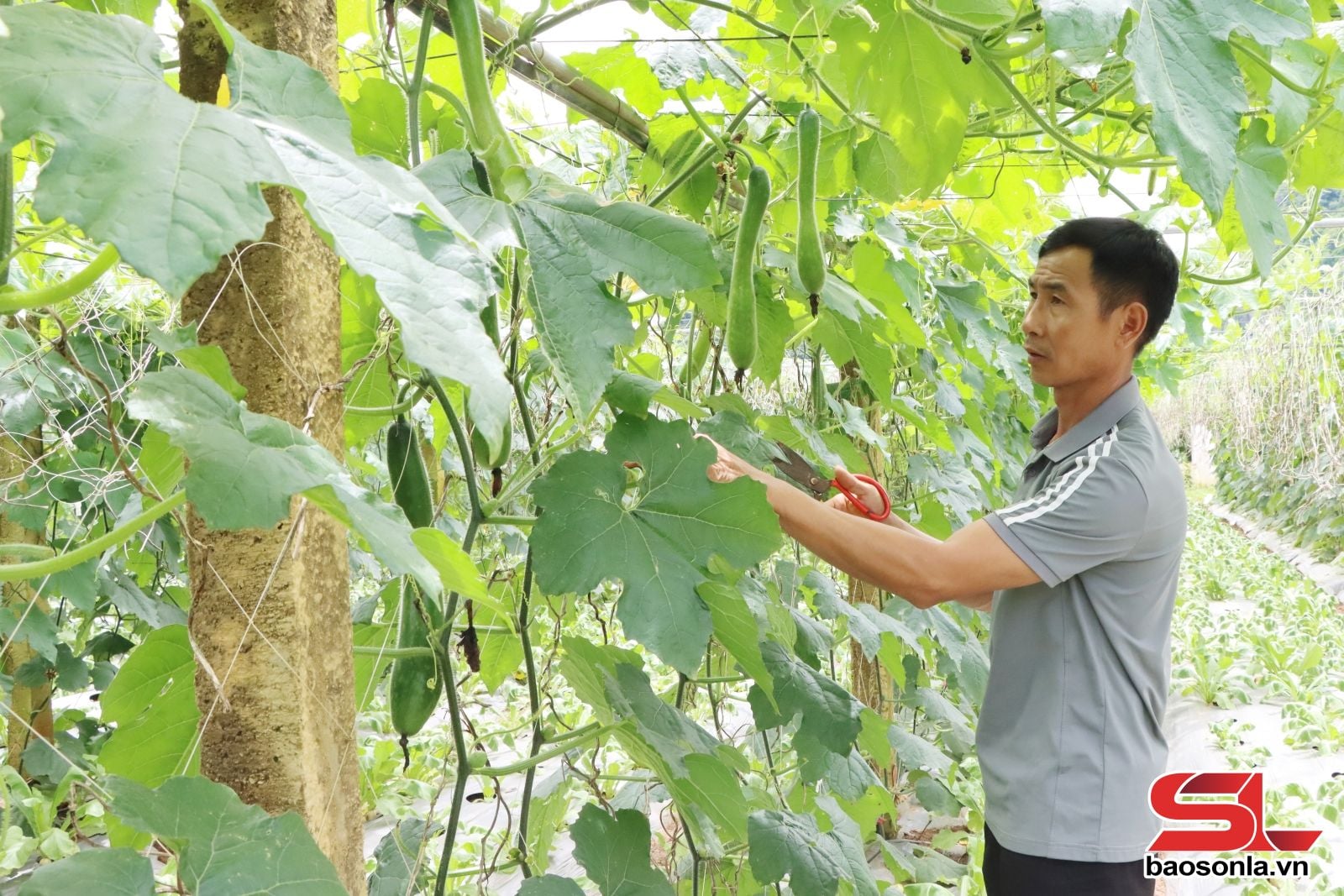
Implementing projects 2 and 3 under the National Target Program 1719, supporting sustainable agricultural production along the value chain, from 2021 to the present, nearly 500 ethnic minority households in the commune have received training, technical guidance, and support with plant and animal breeds, fertilizers, etc. Many households have gained new livelihoods to escape poverty and become wealthy. The people of Chieng Mai are actively transforming their crop structure, introducing high-yield and economically efficient crop varieties and expanding their cultivation in the villages. Currently, the people in the commune cultivate and intensively farm 737 hectares of food crops; 226 hectares of various vegetables; 3,700 hectares of coffee; and develop livestock farming in enclosed pens, with over 5,000 buffaloes and cows; 4,300 goats; 12,800 pigs and 201,000 poultry.
Taking advantage of the National Highway 4G and Provincial Highway 117 passing through it, the people of Chiềng Mai commune focus on developing trade and services. Currently, the commune has 2 traditional markets, 5 gas stations, and 315 households engaged in food and beverage, fashion, construction materials, and agricultural supplies businesses. In addition, the commune has 1 company, 22 cooperatives, and 1 cooperative group in the fields of agriculture and service businesses.
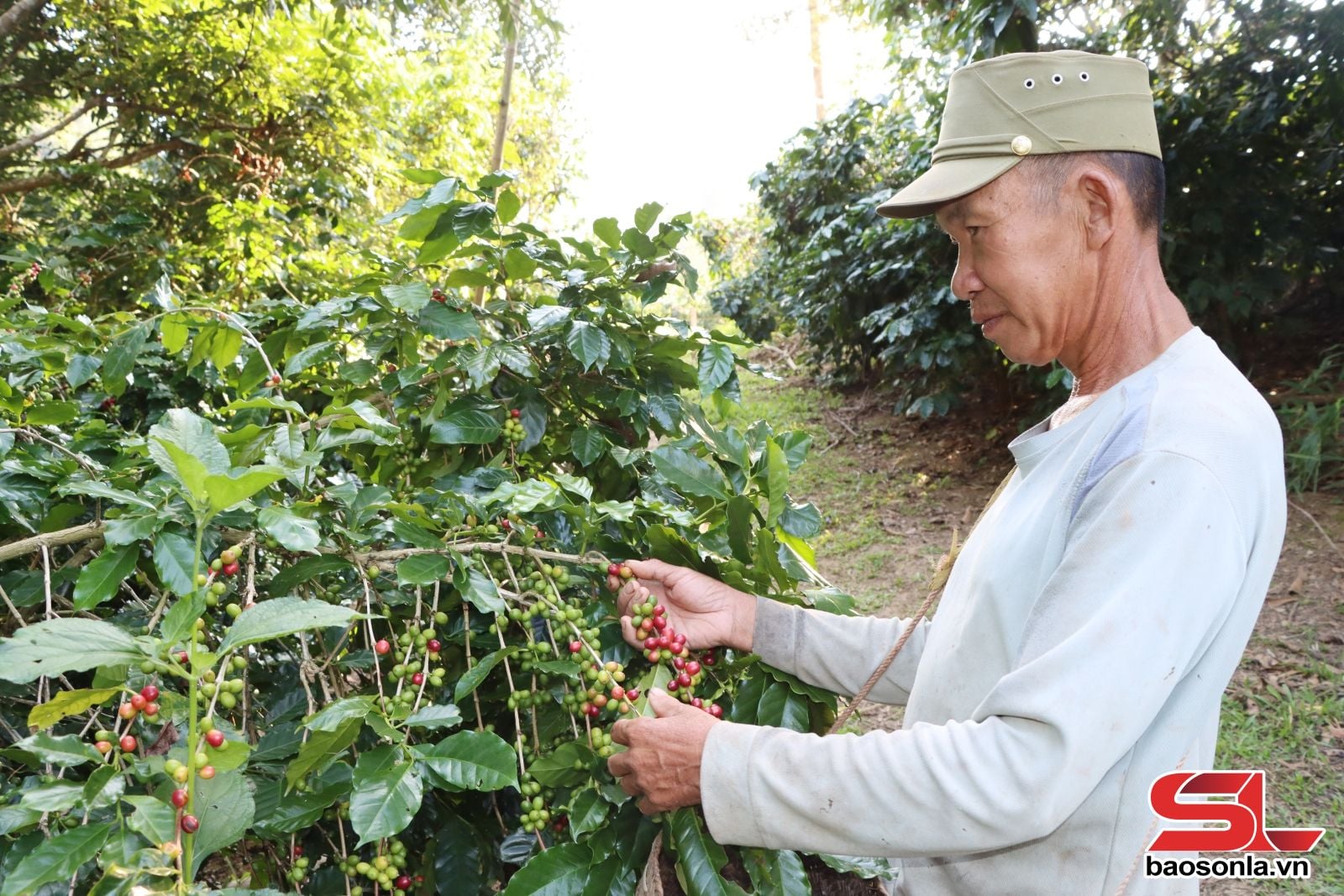
Leading us on a tour of his integrated economic model, Mr. Lo Van Dien from Puon Vay village said: "Previously, my family was very poor, with most of our land used for growing corn and cassava. Thanks to the commune's promotion and encouragement to plant coffee and fruit trees, my family now has 2 hectares of coffee, intercropped with mangoes and longan. We harvest 24 tons of fresh coffee beans and 18 tons of other fruits annually. In addition, we raise 120 goats. Our total income is over 700 million VND per year."
Funding from the National Target Program 1719 has helped Chieng Mai commune gradually improve essential infrastructure serving daily life, production, and creating sustainable livelihoods for the people, resulting in a significant transformation of the ethnic minority area. By 2025, the average income is expected to reach 42.5 million VND/person/year; the poverty rate will decrease to 3.9%, creating a solid foundation for the commune to achieve new rural status by 2030.
Source: https://baosonla.vn/nong-thon-moi/chieng-mai-ngay-moi-BCufsqIvR.html

![[Photo] National Assembly Chairman Tran Thanh Man meets with General Secretary and President of Laos Thongloun Sisoulith](/_next/image?url=https%3A%2F%2Fvphoto.vietnam.vn%2Fthumb%2F1200x675%2Fvietnam%2Fresource%2FIMAGE%2F2026%2F01%2F26%2F1769424443676_ndo_br_bnd-2007-jpg.webp&w=3840&q=75)

![[Photo] President Luong Cuong meets with General Secretary and President of Laos Thongloun Sisoulith](/_next/image?url=https%3A%2F%2Fvphoto.vietnam.vn%2Fthumb%2F1200x675%2Fvietnam%2Fresource%2FIMAGE%2F2026%2F01%2F26%2F1769414839136_ndo_br_01-jpg.webp&w=3840&q=75)

![[Photo] General Secretary To Lam and General Secretary and President of Laos Thongloun Sisoulith attend the announcement of the results of the 12th Congress of the Lao People's Revolutionary Party.](/_next/image?url=https%3A%2F%2Fvphoto.vietnam.vn%2Fthumb%2F1200x675%2Fvietnam%2Fresource%2FIMAGE%2F2026%2F01%2F26%2F1769412435933_ndo_br_bnd-1746-jpg.webp&w=3840&q=75)


![[Image] Prime Minister Pham Minh Chinh presides over the second meeting of the Government's Steering Committee on macroeconomic management and administration.](/_next/image?url=https%3A%2F%2Fvphoto.vietnam.vn%2Fthumb%2F1200x675%2Fvietnam%2Fresource%2FIMAGE%2F2026%2F01%2F26%2F1769402831322_ndo_br_dsc-3583-jpg.webp&w=3840&q=75)


![OCOP during Tet season: [Part 1] Ba Den custard apples in their 'golden season'](/_next/image?url=https%3A%2F%2Fvphoto.vietnam.vn%2Fthumb%2F402x226%2Fvietnam%2Fresource%2FIMAGE%2F2026%2F01%2F26%2F1769417540049_03-174213_554-154843.jpeg&w=3840&q=75)



Comment (0)