

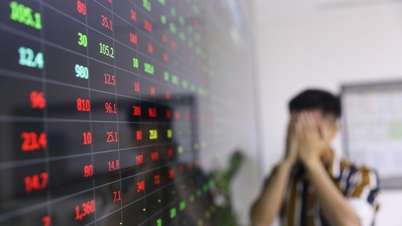
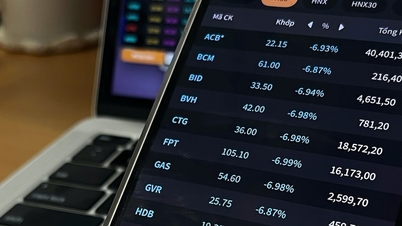
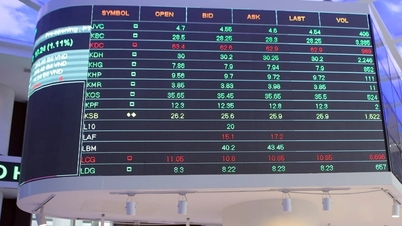
Asian stock markets continued to plummet this morning (April 7) as there were no signs that President Trump would back down from his plans to impose retaliatory tariffs.
Futures markets have quickly priced in nearly five 0.25 percentage point interest rate cuts in the U.S. this year, dragging Treasury yields sharply lower and weakening the dollar against safe-haven assets. Investors are betting that the increased risk of recession could prompt the Federal Reserve to cut interest rates as early as May.
S&P 500 futures fell 3.5% in volatile trading, while Nasdaq futures dropped 4.4%, adding to the market's nearly $6 trillion loss last week.
European markets also plunged, with EUROSTOXX 50 futures falling 3.6%, FTSE futures losing 2.3%, and DAX futures declining 4.0%.
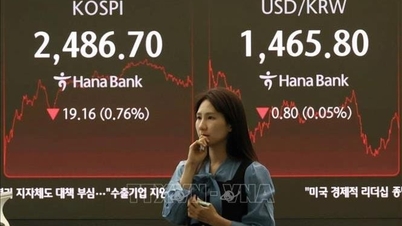
Japan's Nikkei index plunged 6.6%, reaching its lowest level since late 2023, while South Korea's fell 5%. The broadest MSCI index of Asia- Pacific stocks outside of Japan plummeted 7.5%, stunning investors.

Chinese blue-chip stocks fell 6.3% as markets awaited whether Beijing would roll out further stimulus packages. Taiwan's main index, after a two-day trading holiday (Thursday and Friday), plunged nearly 10%, prompting policymakers to intervene to curb short selling.
The entire emerging Asian region also experienced negative sentiment, with India's Nifty 50 index falling 4%.
This turmoil occurred when Trump told reporters that investors would have to accept reality and that he would not make a deal with China until the US trade deficit was resolved. Meanwhile, Beijing claimed that markets had reacted to their retaliatory plans.

Sean Callow, senior FX analyst at ITC Markets in Sydney, said: " The only real trigger is President Trump's iPhone, and he's not showing signs of a market sell-off... enough to warrant a reconsideration of the policy stance he's believed in."
Investors believe that the loss of trillions of dollars in assets and the potential shock to the economy will cause Trump to reconsider his plans.
" The scale and disruptive impact of U.S. trade policies, if maintained, would be enough to push a still-healthy U.S. and global economy into recession, " said Bruce Kasman, chief economist at JPMorgan, forecasting a 65% risk of recession.
" We continue to expect the Fed to ease monetary policy for the first time in June ," he added.
" However, we now believe the Committee will cut interest rates at every meeting through January, bringing the target fund rate to a high of 3.0%."
Source






















































































Comment (0)