

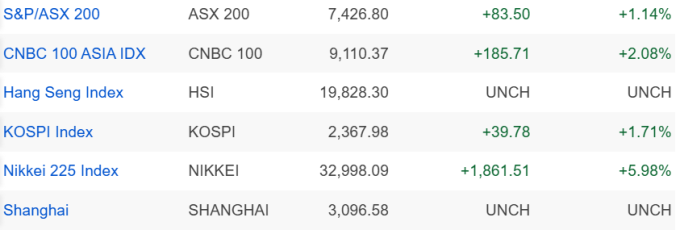
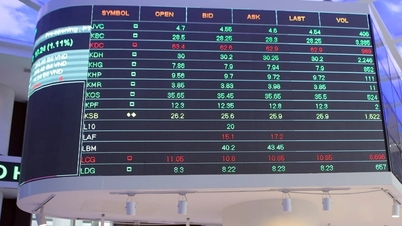
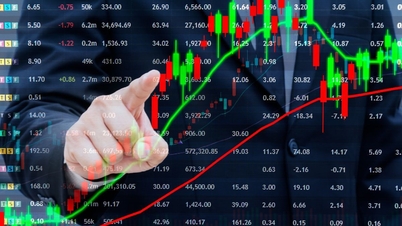
At the opening of trading on April 8th, the Nikkei 225 index on the Japanese stock market rose nearly 6%. The Topix index increased by 5.5%.
In South Korea, the Kospi index is up 1.7%. The Kosdaq index, which tracks small-cap stocks, rose 2.3%.
The S&P/ASX 200 index (Australia) rose 0.2% at the open. The gains later extended to 1.1%.
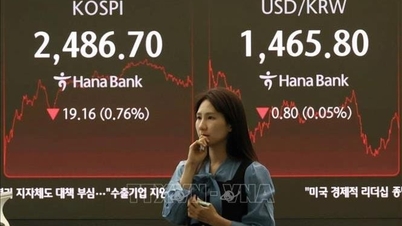
Major Asian stock markets have fallen for several consecutive sessions after US President Donald Trump announced retaliatory tariffs on all trading partners on April 2nd. At the start of this week's trading session, the Nikkei 225 lost nearly 8%, while the Kospi dropped almost 6%.
Market attention this morning is focused on Chinese stocks – which are not yet open. Mr. Trump has threatened to impose an additional 50% tariff on Chinese goods, raising the total additional tariff to 104%, if China does not withdraw its retaliatory tariffs.
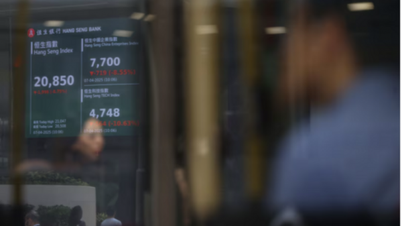
At the start of the week, the Hong Kong (China) market led the decline in Asia, falling by more than 13% – its lowest level since 1997, according to data firm FactSet.
Wall Street closed on April 7th with the Nasdaq Composite up 0.1%. Meanwhile, the S&P 500 and DJIA fell 0.2% and 0.9% respectively, narrowing their gains significantly from earlier in the session. Investors are anticipating progress in US negotiations with other countries before the high retaliatory tariffs take effect on April 9th.
US President Donald Trump has also repeatedly emphasized that he will not postpone the tariffs, but is ready to negotiate. US Treasury Secretary Scott Bessent said that so far, nearly 70 countries have expressed their intention to balance trade with the US.
TB (summary)Source: https://baohaiduong.vn/thi-truong-chung-khoan-chau-a-tang-tro-lai-408925.html


























































Comment (0)