


May 17th is designated as World Hypertension Day each year to raise public awareness about this disease. The message for 2026 is: "Together we can control hypertension."
Hypertension is no longer a disease exclusive to the elderly; it is showing a strong trend of affecting younger people. Work pressure, prolonged stress, a high-salt diet, lack of exercise, and the abuse of alcohol and drugs are leading risk factors contributing to the increasing number of young people suffering from the disease. Alarmingly, many cases are only discovered when severe complications such as stroke and acute heart failure have already occurred. Therefore, regular blood pressure monitoring is considered the simplest yet most effective solution for screening and detecting the disease in its early stages.
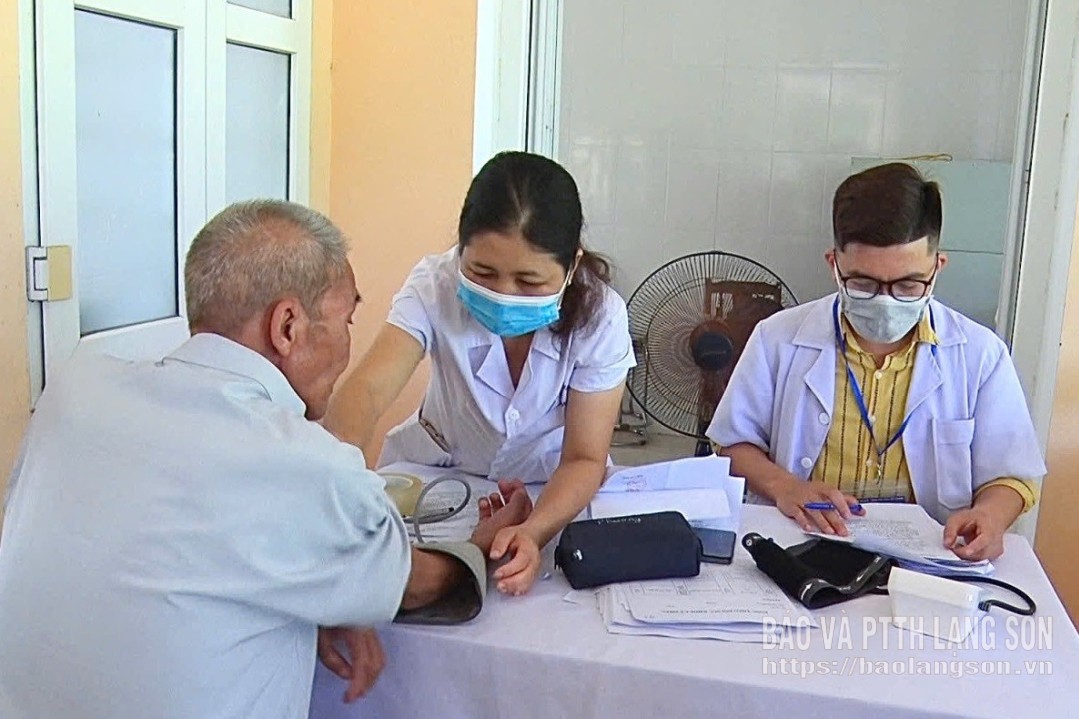
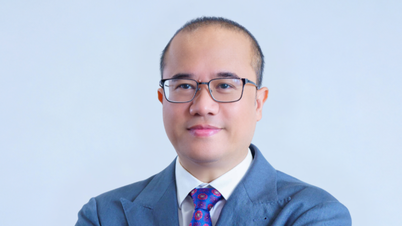
Discussing the role of nutrition in disease control, Master of Nutrition Tran Hoang Kim from the Provincial Center for Disease Control said: “Diet is a key factor in stabilizing blood pressure and minimizing cardiovascular complications. Patients need to proactively reduce salt intake in their daily diet, limit processed foods and fast food; and increase consumption of green vegetables and fresh fruits. In addition, maintaining regular physical activity, controlling weight, quitting smoking, and limiting alcohol consumption will significantly improve blood pressure.”
Besides lifestyle changes, patients should absolutely not stop taking medication or interrupt their medication regimen when they see their blood pressure temporarily stabilize. Treatment for hypertension needs to be long-term, strictly adhering to the specialist's instructions combined with regular self-monitoring of blood pressure at home.
According to the World Health Organization (WHO), more than 1.3 billion people globally are currently living with hypertension, and alarmingly, nearly half of them are undiagnosed or do not have access to adequate treatment. |
Currently, the treatment goal for most patients is to maintain and bring blood pressure below 140/90 mmHg. When blood pressure is effectively controlled, the risk of stroke, heart failure, kidney failure, and memory impairment is significantly reduced, thereby improving quality of life and extending lifespan for patients.
In reality, many strokes in middle-aged individuals are directly related to poorly controlled blood pressure. Many people, even after being diagnosed, remain complacent, discontinue medication on their own, or fail to attend regular check-ups, increasing their risk of complications.
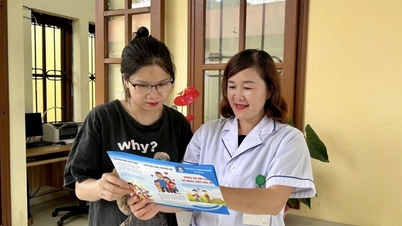
Preventing hypertension is not solely the responsibility of healthcare facilities; it also requires proactive efforts from each individual. Maintaining a healthy diet, reducing salt intake, exercising regularly, getting enough sleep, and keeping a positive mindset are core solutions for protecting cardiovascular health.
World Hypertension Day serves as a profound reminder for everyone to pay more attention to their own health and that of their families. Proactively checking blood pressure early is the most effective way to prevent complications and lead a healthier and more sustainable life.
Source: https://baolangson.vn/chung-tay-kiem-soat-tang-huyet-ap-5092282.html













































































Comment (0)