

The appeal of the Nautilus has given rise to many anecdotes over the past 50 years, and the truth behind those anecdotes is equally fascinating.
Gerald Genta designed the Nautilus in just one meal with Philippe Stern.
This is a popular anecdote among Patek Philippe enthusiasts in general and high-end sports watch collectors in particular, leading to numerous misinterpretations. In reality, Gerald Genta designed the Nautilus during a meal, but not during a private meeting with the then-president of Patek Philippe.
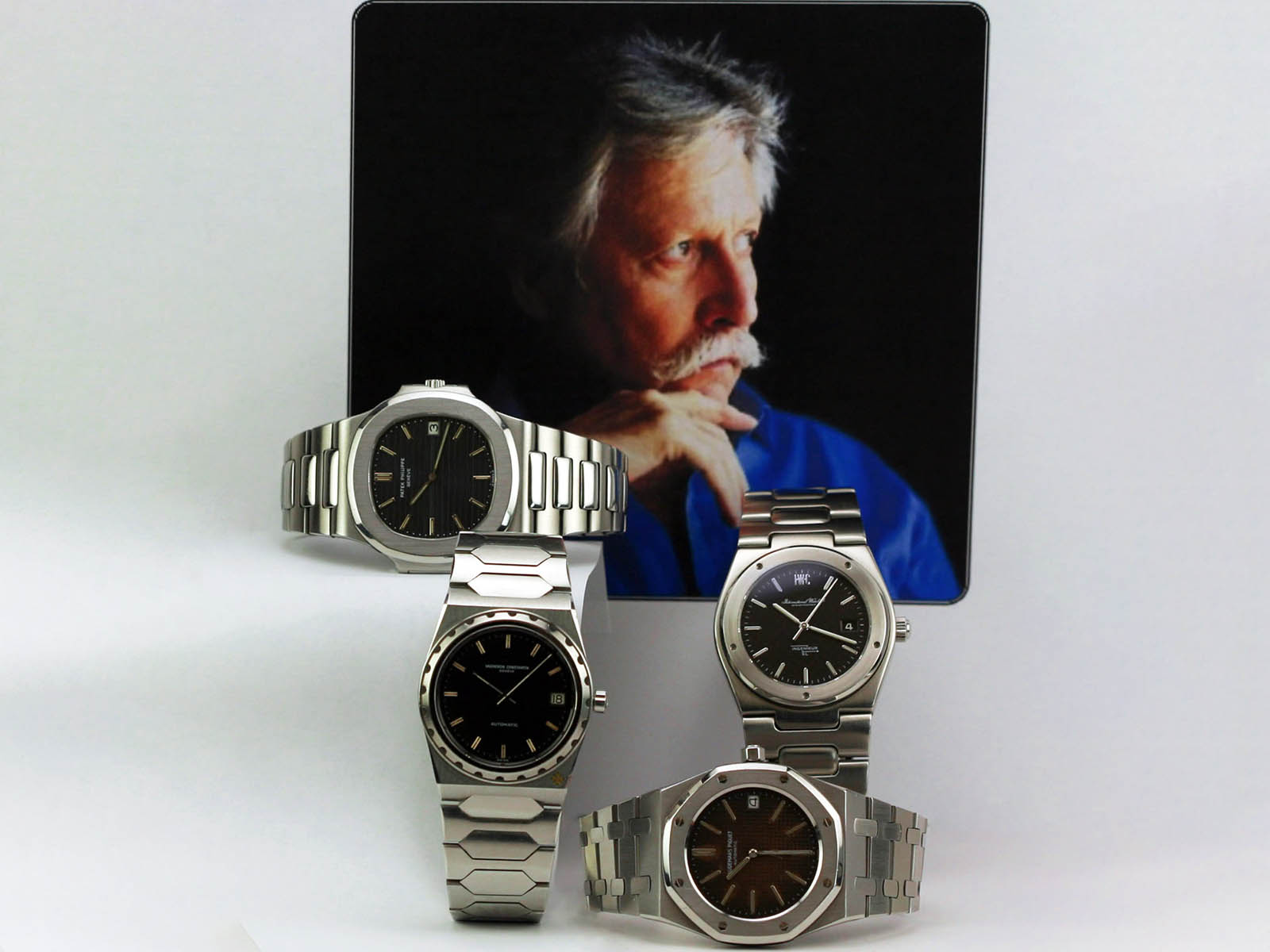 |
The list of famous sports watches always includes the Nautilus designed by Gerald Genta. |
At a Basel International Fair, probably in 1974, he happened to encounter the company's executives dining at another table in the hotel restaurant. Genta immediately grabbed paper and pen to sketch the first Nautilus design. At that time, the race for steel-cased sports watches was in its warm-up phase, with the first shot fired by the Audemars Piguet Royal Oak – also a creation by Gerald Genta. Health and fitness began to gain more attention in the 1970s, leading to a demand for more dynamic and convenient watches for everyday life. As an active person himself, Philippe Stern was looking for ideas for a new sports watch, while Genta had the paper, the pen, the table, and the idea.
Even more remarkably, in an interview with Very Important Watches magazine, he once recounted that it only took him 5 minutes to design the Nautilus.
The two "ears" on the watch case are not the original design.
Comparing the first 3700/1A to the current series with Genta's original drawings, it's clear that the sides of the watch case are much smaller and flatter in the drawings than in reality. This leads to the conclusion that the Nautilus's "lugs" were Patek Philippe's own idea, intended to make the watch resemble ship's portholes more closely.
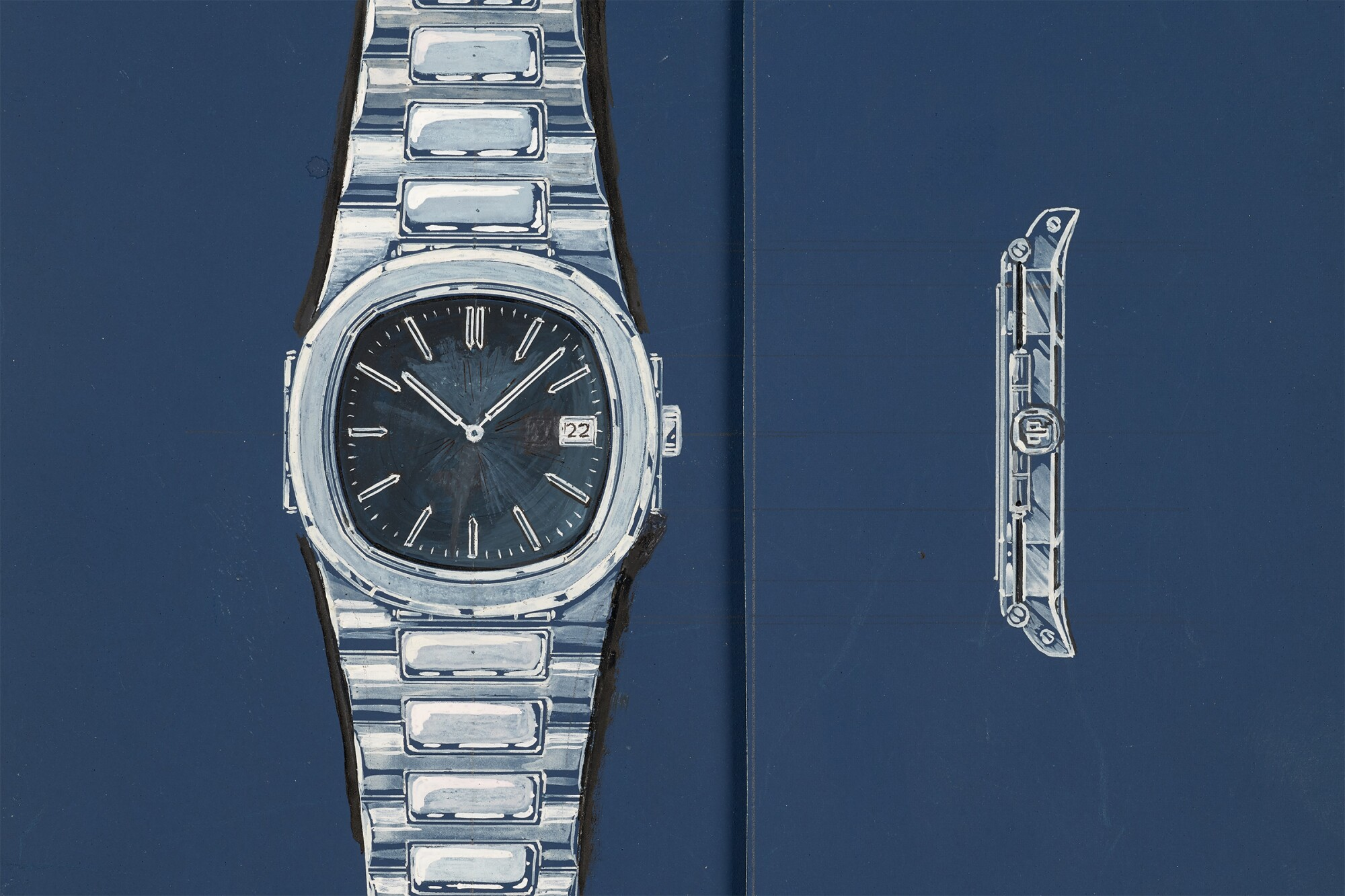 |
A drawing of the Nautilus by Gerald Genta. Photo: Sotheby's . |
This statement is both true and false. Gerald Genta and Patek Philippe actually collaborated closely on this detail of the watch, following that "quick sketch" on the dining table. The integrated design, the flat octagonal bezel, and the two "lugs" (as Patek Philippe calls them) were all developed in consultation with Genta.
However, the Nautilus may not have had this feature from the start due to its technical challenges. Under the supervision of watch case specialist Jean-Pierre Frattini, the Nautilus case design led to much debate between him and the original designer. The watch struggled with water resistance because at the time there were no sophisticated devices to ensure balanced pressure on the lugs. After a series of adjustments, including redesigning the crystal and testing on many different versions, the Nautilus with its current two hinges was finally successfully released and became a distinctive hallmark of the collection.
Cubitus and the "similar yet different" designs of Nautilus
The "ears" on the case, the integrated bracelet with a rounded bracelet shaft, the soft curves on the bezel, and the horizontal grooves on the dial: Patek Philippe's new Cubitus line certainly shares many design similarities with the Nautilus. A hotly debated topic among enthusiasts, this similarity isn't the first time it's appeared in Patek Philippe's history since the Nautilus was created; surprisingly, it has appeared multiple times.
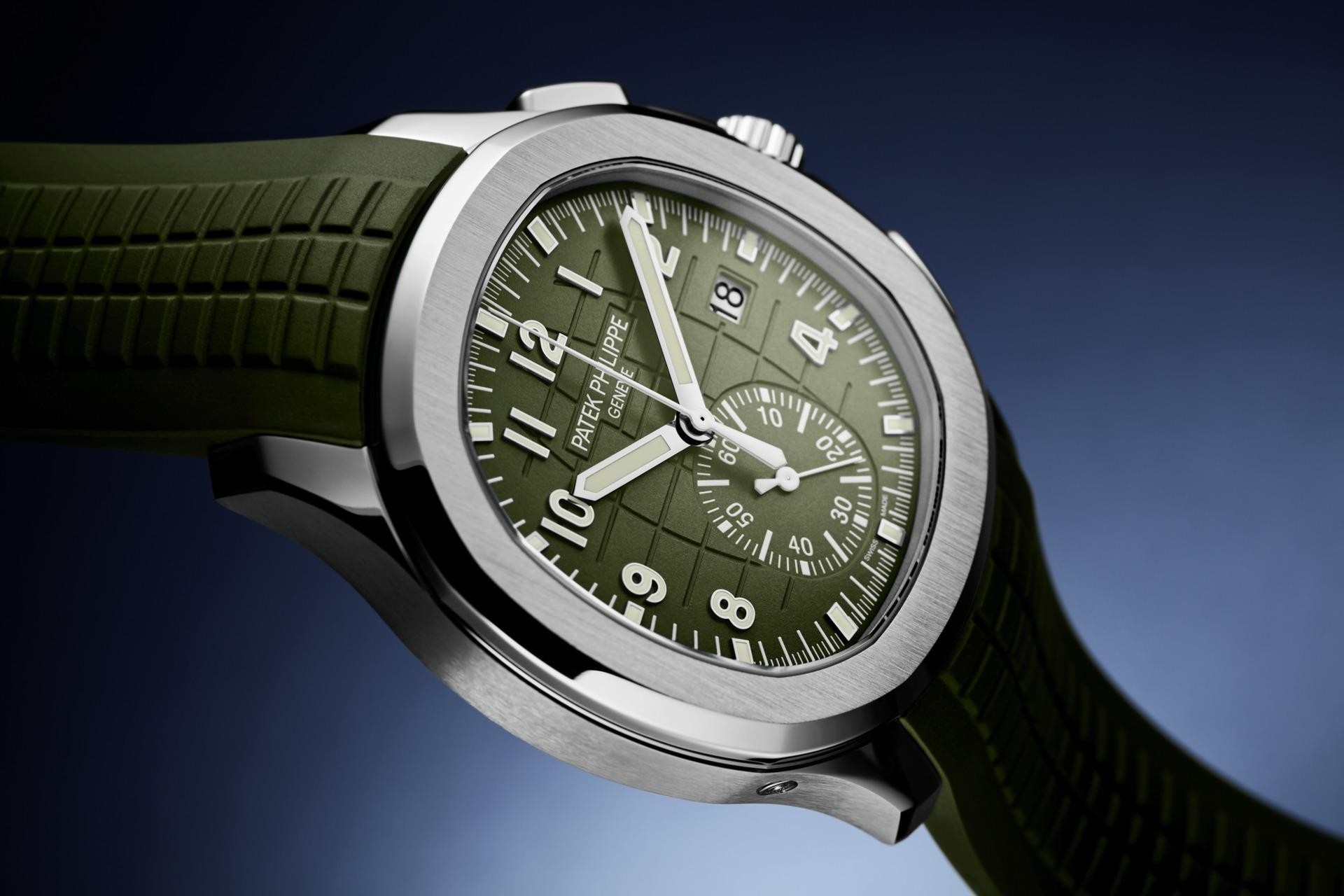 |
The Aquanaut watch in khaki green. Photo: Patek Philippe . |
First, let's talk about the design launched in 1997. Not only does its name evoke a maritime connection to the Nautilus, but the Aquanaut also directly utilizes its famous octagonal case and bezel. Launched 20 years after the Nautilus (and 20 years before the Cubitus), the Aquanaut was positioned as a fresh companion to its sporty "big brother" in the Patek Philippe catalog, offering a more contemporary, youthful, and everyday option, and importantly, helping to alleviate the growing difficulty for enthusiasts who desired the Nautilus.
Aquanaut is a “story you may already know.” The untold story belongs to the mysterious “Nautellipse,” which appeared in the brand’s history in the spring of 1980.
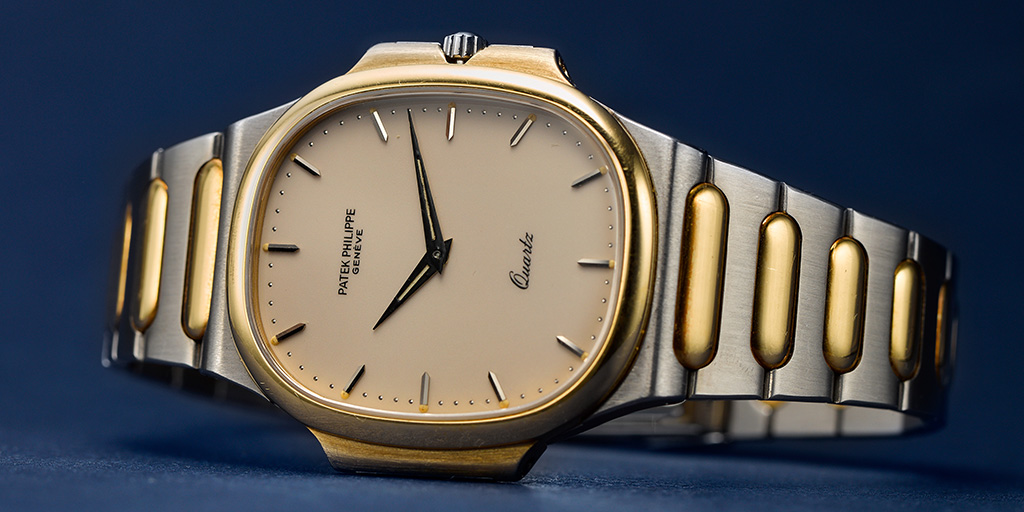 |
A variant of Ref. 3770. Photo: Collectability . |
At that time, the "steel submersible" wasn't Patek Philippe's best-selling model – that title belonged to the Golden Ellipse, with its soft, "golden ratio" case and trendy unisex design, which had already been popular for 12 years. Wanting to introduce a different, more compact, and classically luxurious sporty design, Patek Philippe created the Ref. 3770, a hybrid of the Golden Ellipse and the Nautilus. The model nicknamed the Nautilus used the same techniques and processes for manufacturing the Nautilus's case. The unique feature was the "Golden Ellipse" shaped lugs instead of the rounded rectangular shape found on the more robust sporty model, naturally with matching bezel and dial.
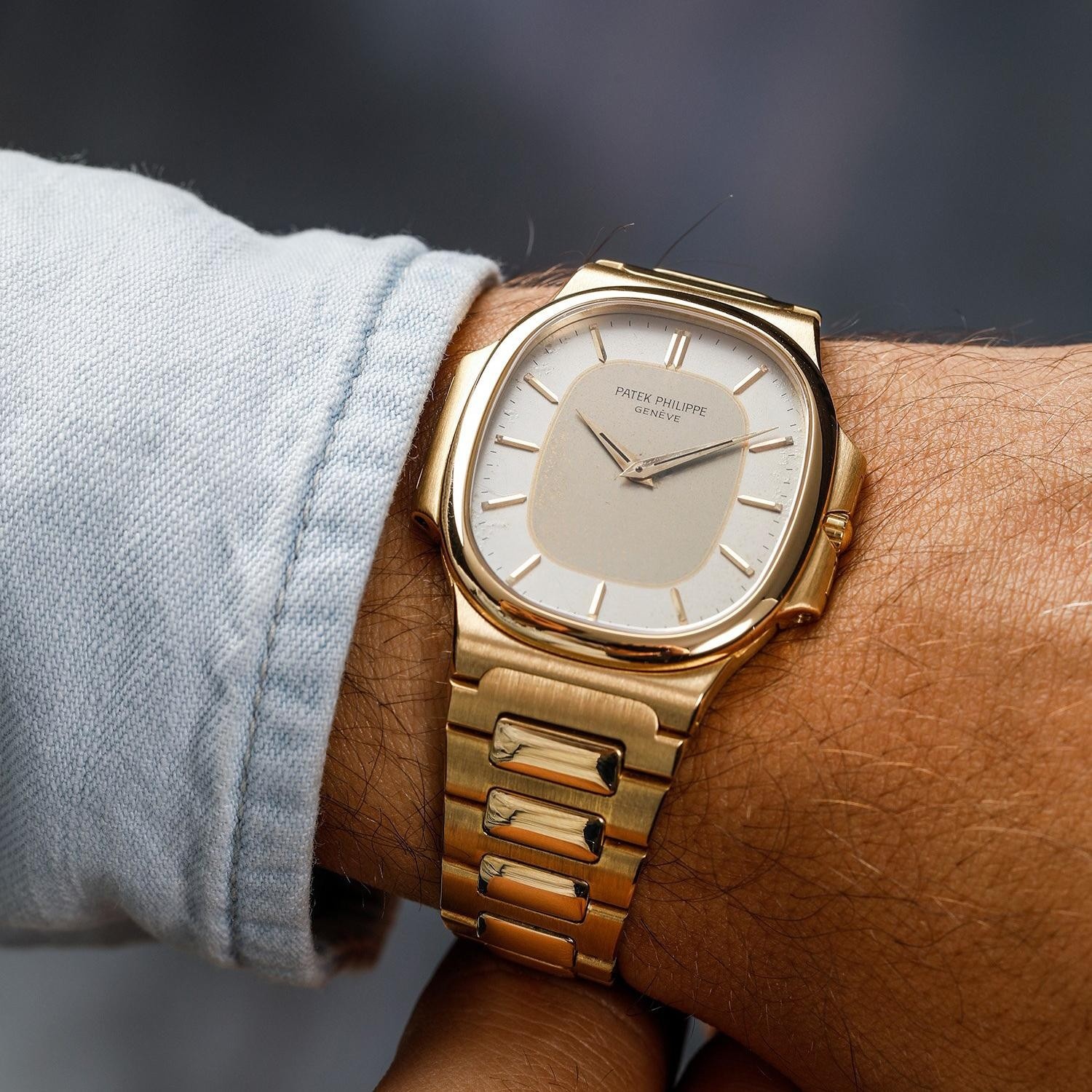 |
The rounded-corner watch design offers a distinctive look. Photo: Phillip’s . |
By the early 1990s, Patek Philippe decided to discontinue this unique watch, simply because "a forest cannot have two tigers," and the title of the most elegant sports watch in the current collection already belonged to the Nautilus. Ref. 3770 became a "silent legend," a forgotten treasure that may one day return to those who admire the calatrava cross.
Source: https://znews.vn/chuyen-chua-ke-ve-chiec-dong-ho-patek-philippe-nautilus-post1645726.html



































































































Comment (0)