

However, in addition to the "named" problems, a series of smaller-scale but equally pressing "bottlenecks" exist in communes and wards, requiring a strong shift in mindset and governance methods at the grassroots level.
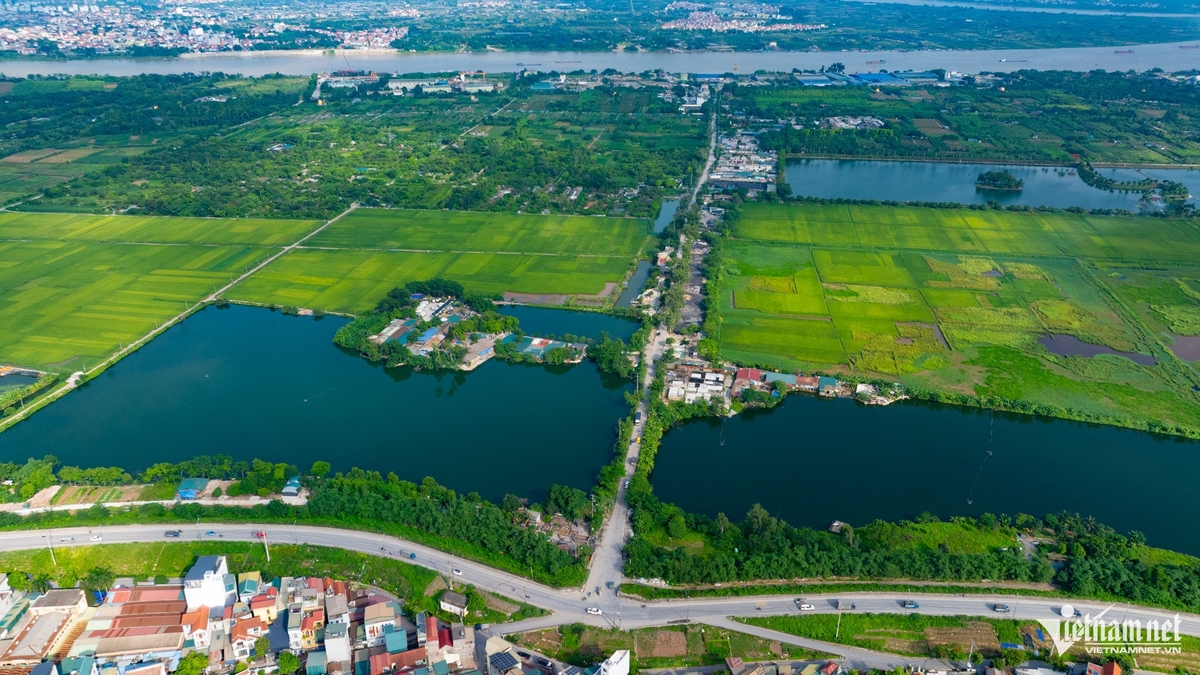
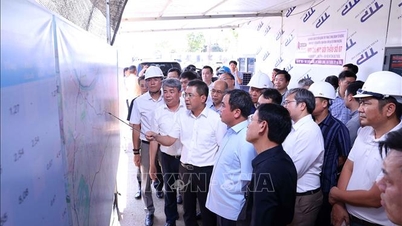
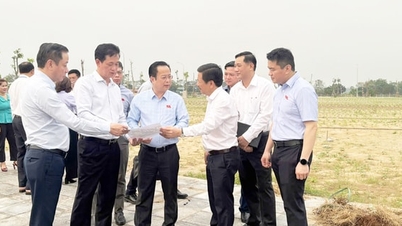
1. A typical example can be seen in Khuong Dinh ward, where the project to invest in the construction of technical infrastructure around Re Quat Lake has been delayed for more than 10 years due to land clearance issues, while Ha Dinh Lake is seriously polluted, directly affecting the living environment of the people. These two stories raise a common problem. If the local Party committee and government do not proactively intervene and address these issues promptly, the accumulated problems will persist and become obstacles to development.
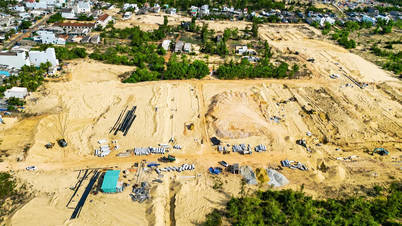
Unlike large-scale projects that are often closely monitored or subject to pressure from higher levels, problems at the commune and ward levels are usually scattered and diverse, ranging from unfinished projects, abandoned interstitial land, construction violations, to environmental pollution of ponds and lakes, and household waste. The common thread among these issues is that they are not large in scale, but are directly linked to the daily lives of the people.
Because they seem "small," many problems are easily overlooked or dealt with slowly. However, the consequences are far from insignificant, leading to wasted land resources, degraded environmental quality, prolonged disputes, and even erosion of public trust in the effectiveness of state management. In practice, many social "hot spots" originate from seemingly specific and localized issues at the grassroots level.
A deeper analysis reveals that many long-standing problems stem not only from objective factors but are also directly related to limitations in thinking and management methods at the grassroots level. First and foremost is a passive mindset, relying on directives from superiors and lacking initiative in identifying and addressing issues from the outset. When problems become complex, resolving them not only wastes time and resources but also easily leads to negative social consequences.
Another problem is that the accountability mechanism is not yet clearly defined. In many cases, responsibility is "diluted" within the collective, not closely linked to the role of the leader. This leads to unresolved issues that drag on for many years.
The capacity for inter-sectoral coordination and collaboration at the commune and ward levels is also a limitation. Issues such as land clearance, environmental pollution control, or construction violations involve many different fields and require close coordination between agencies. Without an effective coordination mechanism, the handling process will be stalled.
2. In the current context, the requirements placed on communes and wards have fundamentally changed. The model of government without intermediate levels has placed the grassroots level in the "front line" in policy implementation. At the same time, the increasingly strong process of decentralization and delegation of authority has given communes and wards more power in land management, construction order, and urban environment.
This also means greater responsibility. Commune and ward levels cannot simply remain in the role of administrative enforcement; they must shift to a model of proactive, flexible, and effective local governance. The pressure of rapid urban development, the demand for improved quality of life, and the increasingly high expectations of the people make timely handling of issues at the grassroots level an indispensable requirement.
Based on the above practical experience, it can be affirmed that the Party committees and local authorities at the commune and ward levels play a decisive role in resolving "bottlenecks." These levels are closest to the people, have the best understanding of the local situation, and are capable of detecting emerging problems early. If they proactively address issues from the outset, many problems will not have the opportunity to accumulate into major issues.
At the same time, the grassroots level is also where dialogues are directly organized, people are mobilized, and social consensus is created – a particularly important factor in issues such as land clearance or handling violations. Furthermore, maintaining daily legal discipline, from controlling construction order to managing the environment, depends primarily on the role of the commune and ward authorities. This is the "first line of defense" in urban governance.
To meet the demands of the new era, communes and wards need to undergo a fundamental transformation in their thinking and governance methods. In particular, they must shift from an "administrative management" mindset to a "proactive governance" mindset. This requires a comprehensive review of outstanding issues in their areas, the creation of specific lists, and the clear identification of timelines and deadlines for resolution. Simultaneously, the responsibility of the head of each locality must be clearly defined and assigned, avoiding vague and ineffective responses. Furthermore, increased transparency and social oversight are necessary. Publicly disclosing the progress of resolution not only creates pressure for action but also strengthens public trust.
It is crucial to enhance implementation capacity, from coordination and conflict resolution skills to the application of technology in local management. The focus is on perfecting the coordination mechanism between communes and wards and specialized agencies to ensure the swift and decisive handling of inter-sectoral issues.
The experience from cases like the one in Khuong Dinh clearly shows that no problem is "small" if it is not addressed promptly. Conversely, every problem that is resolved completely contributes to unlocking resources, improving the living environment, and creating momentum for development.
Source: https://hanoimoi.vn/chuyen-doi-tu-duy-va-phuong-thuc-quan-tri-o-co-so-748216.html































































































Comment (0)