

President Joe Biden said on May 28 that the budget control and debt ceiling agreement reached with House Speaker Kevin McCarthy had averted the threat of a catastrophic default, according to AP.
"The agreement is a compromise, meaning neither side gets everything they want. But that's the duty of running the country. The agreement averted the worst potential crisis and the first default in our history," President Biden said.

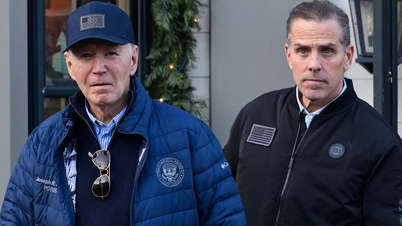
President Joe Biden speaks at the White House on May 28th about reaching an agreement to raise the debt ceiling.
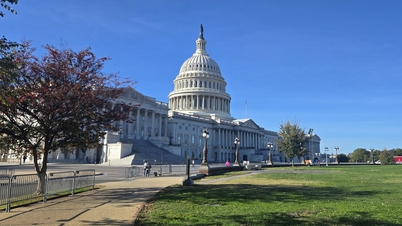
The agreement was reached just days before the deadline for the U.S. to run out of money to pay its maturing debt, as warned by the Treasury Department on June 5th. The debt ceiling bill needs to be passed by both houses of Congress before President Biden can sign it into law.
The lawmakers are on holiday and are expected to return to parliament as early as May 30th. They will have 72 hours to read through the bill before voting.
What's in the agreement?
According to AP, government spending, excluding defense, will remain unchanged in fiscal year 2024 and increase by 1% in the following year. Both sides agreed to raise the debt ceiling for two years, meaning they will not face a similar situation until after the 2024 presidential election.
The agreement covers the full cost of medical care for veterans at the level proposed in President Biden's 2024 budget, including a $20.3 billion allocation for veterans exposed to toxic substances or hazardous environments.
The agreement increases some employment requirements for adults applying for benefits under the Supplemental Nutrition Assistance Program (SNAP), formerly known as the food stamp program.
According to The Conversation , previously, those eligible for benefits had to be employed, undergoing vocational training, or volunteering, and have no dependents. The age range for eligibility was from adulthood to 49 years old. Individuals over 49 years old did not need to meet these conditions to receive benefits.
However, the new agreement raises the age of those required to comply with the regulation from 49 to 54, as proposed by the Republican party. This change will expire in 2030. Vulnerable groups such as veterans and the homeless are exempt from the regulation.
The Republican argument is that stricter regulations on employment would encourage adults to work and earn more money, becoming self-sufficient, paying their own taxes, and no longer relying on welfare, thereby increasing employment rates and incomes.
Individuals receiving health insurance benefits from the Medicaid program are not subject to any new employment conditions as per the agreement between the two parties.
The US reaches an agreement on the debt ceiling.
The agreement also helps recover approximately $30 billion in unused Covid-19 relief funds previously approved by Parliament, excluding allocations for healthcare for veterans, housing support, the Indian Health Service, and approximately $5 billion for the rapid development program of Covid-19 vaccines and next-generation treatments.
Under the agreement, changes will be made to the National Environmental Policy Act for the first time in nearly four decades. Under the new law, an agency will be designated to conduct environmental assessments.
Additionally, President Biden agreed to resume student loan repayments. Previously, the leader had made efforts to provide millions of dollars in loan assistance and grants to students during the Covid-19 pandemic, while temporarily suspending repayments.
This moratorium will end 60 days after President Biden signs the bill on the new agreement. Republicans had proposed canceling the White House plan to forgive $10,000-$20,000 in student debt for nearly all students, but this proposal was not included in the agreement.
Source link



































































































Comment (0)