The low-cost "personal AI mentor" model is gaining popularity, but behind the promise of 24/7 access to knowledge lie a host of reliability and ethical risks.
Báo Khoa học và Đời sống•24/04/2026
A startup called Onix is gaining attention for introducing a "personal AI mentoring" model, allowing users to chat with digital versions of experts for less than $1 per day. This idea is likened to a "substack of chatbots," where personal knowledge can be packaged, replicated, and commercialized using the power of artificial intelligence.
The chatbots on the platform are trained using data, knowledge, and communication styles from the experts themselves, aiming to create a feeling similar to a real consultation.
The biggest selling point lies in the cost, as users only need to pay a few hundred dollars per year instead of hundreds of dollars per hour for an in-person consultation.
However, testing has revealed that the system still has many limitations, including providing inaccurate or fabricated answers when asked questions outside its area of expertise. Furthermore, the risk of conflicts of interest also arises when some chatbots tend to suggest products developed by experts themselves, raising concerns about objectivity. Experts like Robert Wachter argue that this model has potential in the context of manpower shortages, but it needs close monitoring to avoid exceeding the limits of the consulting service.
While opening up opportunities for easier access to knowledge, "AI advisors" still raise big questions about trust, because when mistakes occur, the consequences can be amplified on a much larger scale than with humans.









 Báo Khoa học và Đời sống•24/04/2026


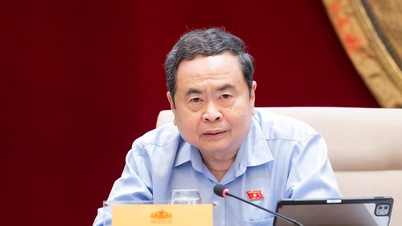
![[Photo] National Assembly Chairman Tran Thanh Man working with the Standing Committee of the Law and Justice Committee](https://vphoto.vietnam.vn/thumb/1200x675/vietnam/resource/IMAGE/2026/05/21/1779378929214_ndo_br_1-4610-jpg.webp)




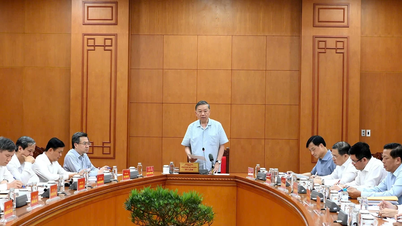
![[Photo] General Secretary and President To Lam presides over a working session with the Central Policy and Strategy Committee on the development of the materials industry.](https://vphoto.vietnam.vn/thumb/1200x675/vietnam/resource/IMAGE/2026/05/21/1779359935432_a3-bnd-3129-1412-jpg.webp)



































































Comment (0)