


Mr. Vu Anh Tu, CTO ofFPT, believes that humans will need to learn how to work with AI.
* Recently, AI (artificial intelligence) has been a very "hot" topic and frequently discussed. We all know that AI was created to serve humanity, but this technology is becoming so intelligent that not all users can access and master the operation of artificial intelligence. What is your assessment of this reality?
- Mr. Vu Anh Tu : Artificial intelligence is the next technology after many existing technologies. For example, before the invention of the weaving machine, textile workers were an extremely important workforce, but when machines helped with the work, the workers themselves had to upgrade their skills to a higher level. Instead of weaving, they could be involved in management, design, or other jobs.
Now that AI has emerged, it can replace many jobs previously done by humans, especially repetitive tasks. I believe that the emergence of AI, like previous technologies, will replace humans in certain roles. Therefore, everyone must learn how to work with AI. Just as we work with computers, we will now be working with both AI and computers. In other words, people will have to learn how to upgrade themselves to use AI in various tasks, thereby focusing on solving other problems and becoming more productive and efficient.
* In your opinion, when and how can AI be popularized for the average user to help them "upgrade themselves" in this new era of development?
- Current collaborations between international AI businesses, organizations, and research institutes in Vietnam aim to introduce a series of AI programs to different user groups, from elementary school to university, to help them access and learn how to work with artificial intelligence. FPT itself also has a strategy focused on AI training, for example, a program for leaders of member units to help them independently learn and explore the potential AI can bring to the businesses they manage, thereby optimizing processes and operations and increasing internal labor productivity. AI is an important topic that both leaders and employees must learn about to work with AI because artificial intelligence is entering and accompanying everyone's lives, sometimes without them even realizing it.
* At the recently concluded FPT Techday 2023, AI was one of the hottest topics. So, what specific goals has FPT set for its AI strategy, sir?
- Regarding AI, FPT identifies it as a key area of technology for the group. A recent important event was the launch of an AI model for generating Vietnamese language, built by FPT Smart Cloud - one of FPT's member companies. This will be the foundation for building AI in many different fields such as finance and banking, economics , education, healthcare, and commerce. Following that, at FPT Techday 2023, the group signed a cooperation agreement with Landing AI, a company founded by Andrew Ng, a leader in the AI industry in the field of computer vision, a promising area with a much larger scale than natural language processing. In the future, we will dedicate resources to developing computer vision. In fact, FPT and Landing AI have already provided solutions to several automotive manufacturing plants in the North American market.
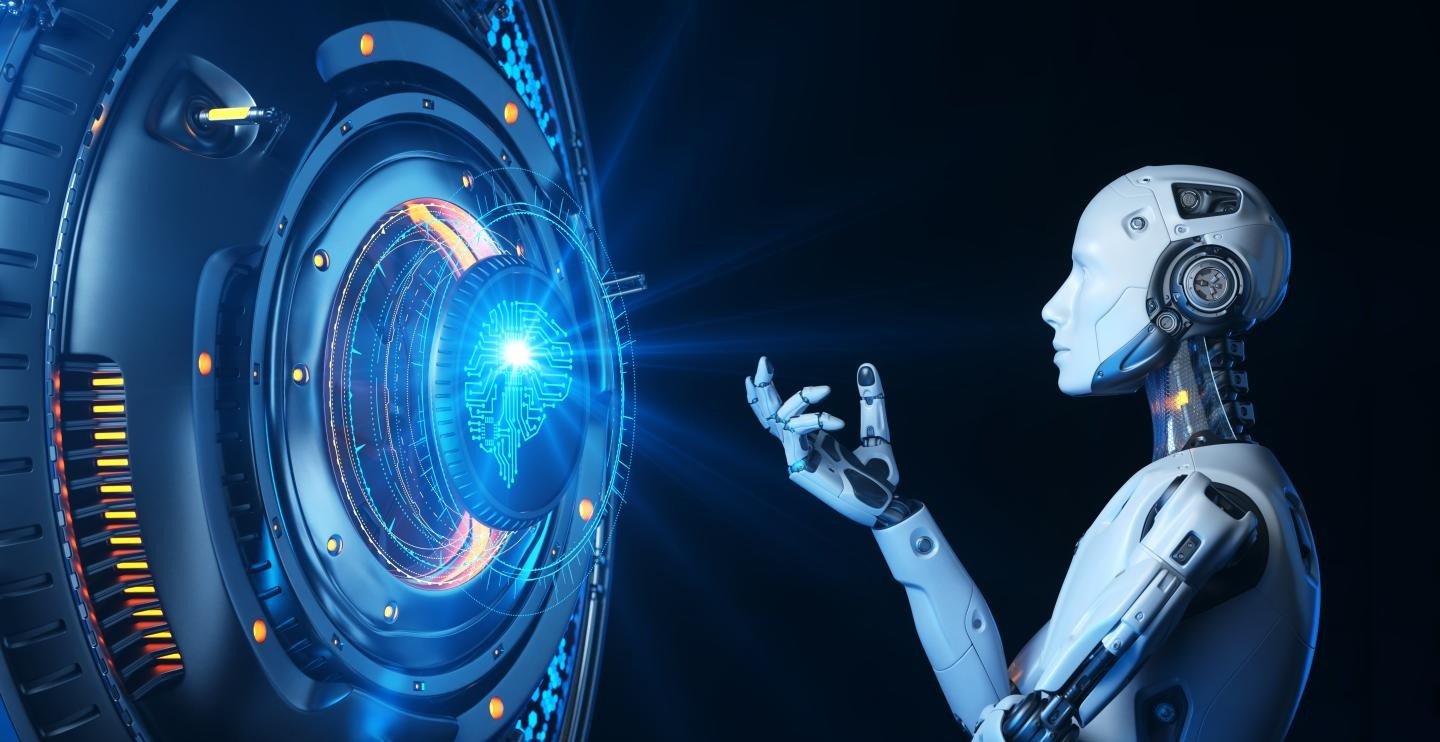
AI is infiltrating every aspect of life, and not everyone realizes the presence of this technology.
We've talked a lot about the benefits of artificial intelligence. As a technology expert, how do you view the downsides and potential risks of this technology?
Of course, everything has two sides, creating various problems. For example, technological development brings many benefits, but it also brings about the reality of children spending too much time on computers, phones, and social media – things that are not good, the negative side of technology. Among these negative aspects, a relatively serious problem is the AI-generated content that AI automatically selects as most relevant to humans. This content is trained based on user preferences or by content creators who want to promote a particular issue. From there, people can fall into the trap of one-sided, biased content, leading to erroneous and distorted viewpoints.
Source link


































































































Comment (0)