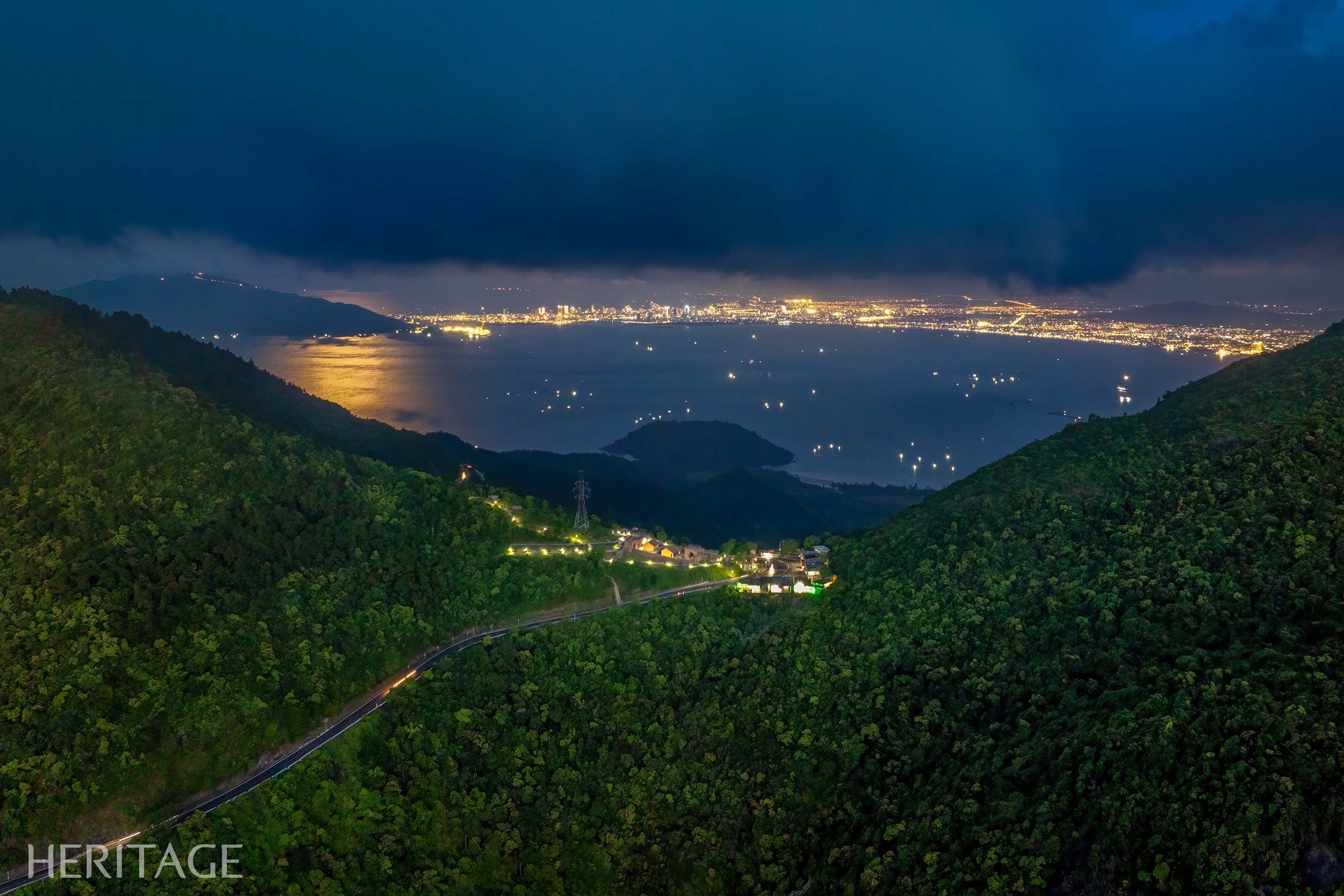
As its name suggests, Hai Van: sea and clouds, or Ai Van: pass in the clouds, the ancients implied that this pass is situated between the sea and the mountains, or that this pass is always shrouded in clouds. This place name is associated with a once-popular folk song of the people of Central Vietnam:
Walking across Hai Van Pass is terrifying.
Going by boat to Bat Cave is terrifying because of the tsunami waves.
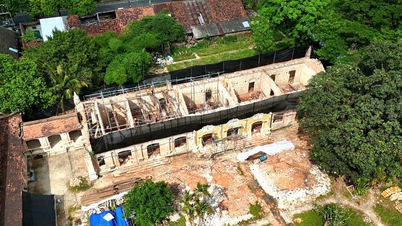
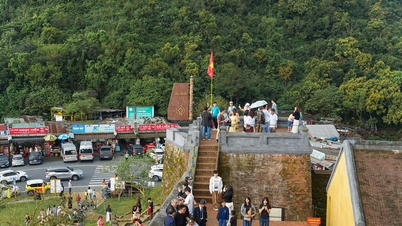
In August 2024, after a long period of damage caused by war and harsh weather, the Hai Van Pass historical site was restored to its original state and opened to tourists free of charge. This large-scale restoration was the result of a historic collaboration between Thua Thien Hue province and Da Nang city, two localities that share the same historical site, as Hai Van Pass is located on the administrative border of Thua Thien Hue and Da Nang.
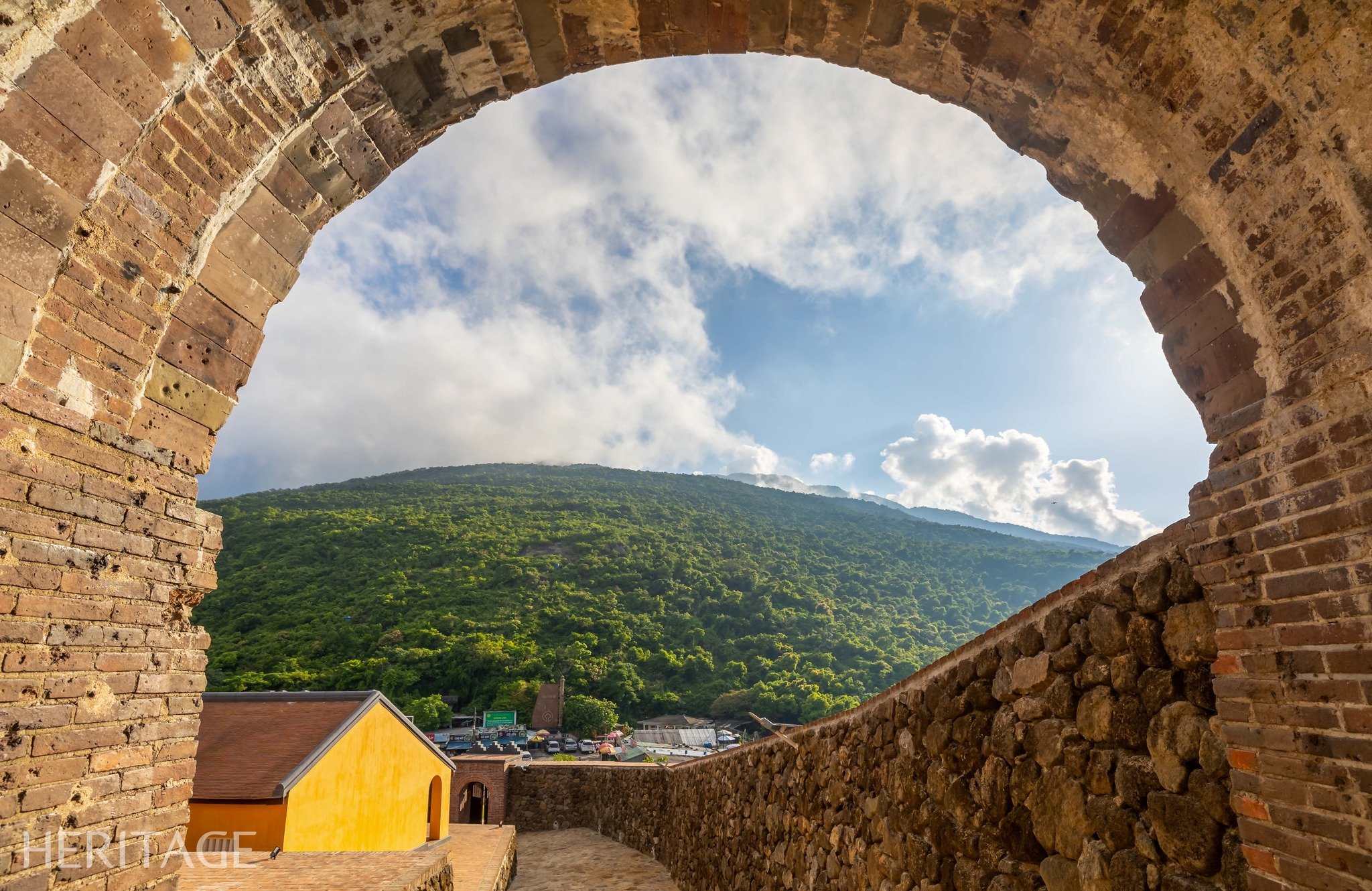
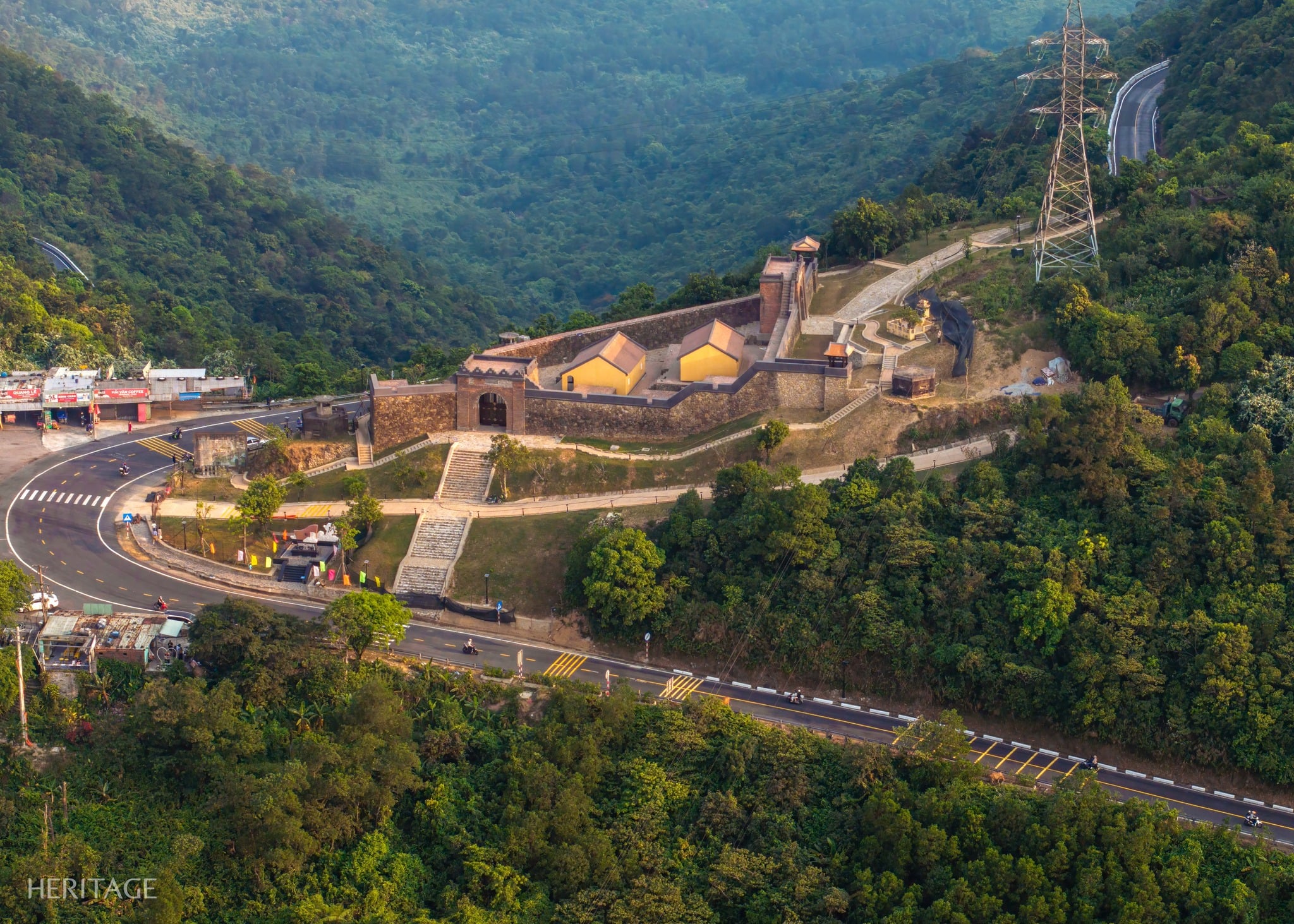
The restoration project for this historical site began in 2021. After three years of implementation, the current appearance of Hai Van Pass is a complete and original complex, including the gate, the barracks (where the garrison commanders ate and rested), the weapons depot (where weapons were stored), the city walls, the gun emplacements, the side gates, the watchtowers, etc., all bearing the distinctive architectural features of the Nguyen Dynasty.
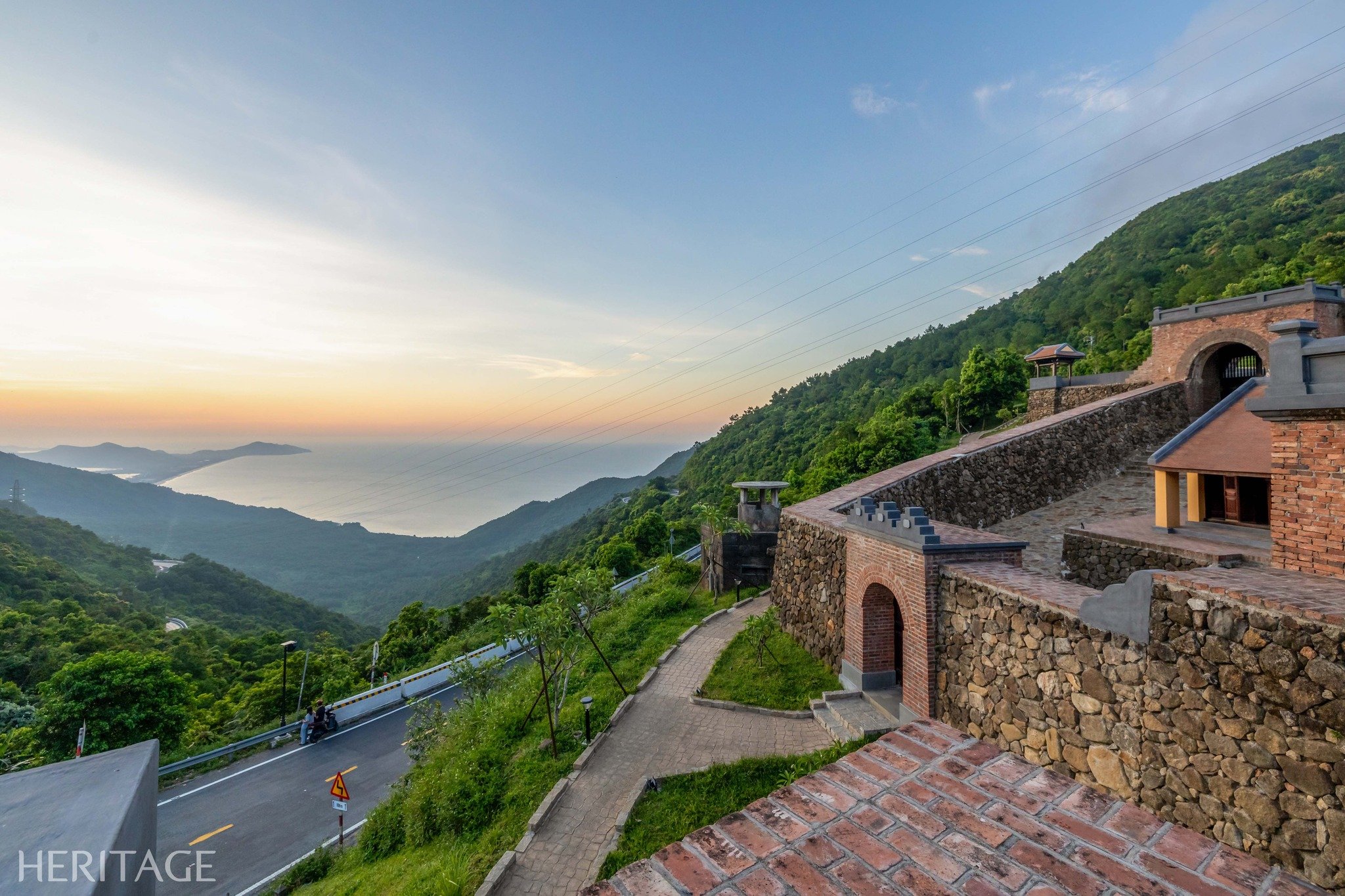
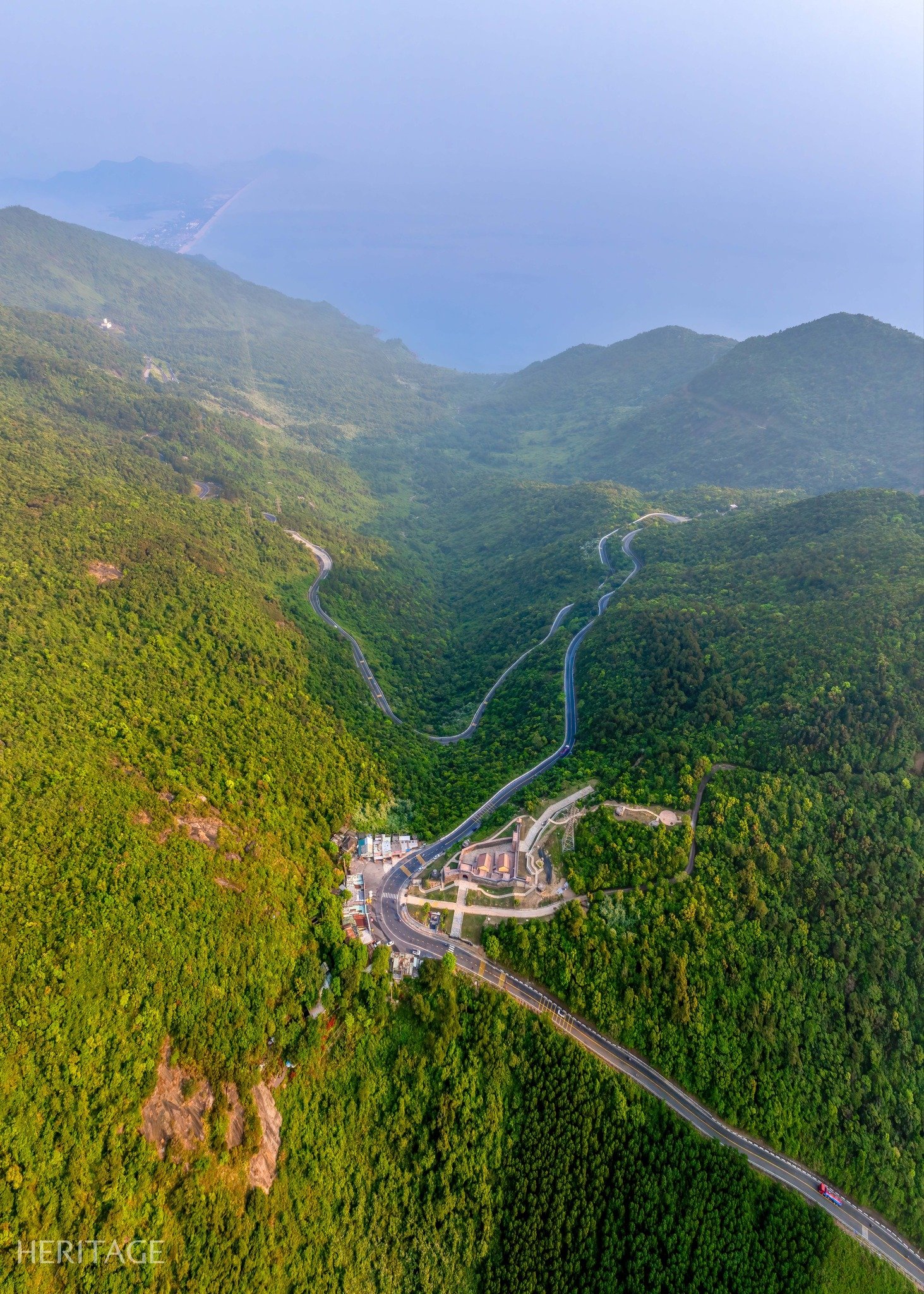
Located at an altitude of nearly 500 meters above sea level, a trip to Hai Van Pass allows visitors to immerse themselves in the vast expanse of sea and sky, feeling as if they are standing amidst the clouds, atop a military architectural structure that holds significant historical and cultural value from the monarchical era; to see Lang Co Bay – one of the 30 most beautiful bays in the world, or to gaze towards Da Nang – a young and dynamic city. And above all, from any vantage point at Hai Van Pass, you can become part of a picturesque landscape or a masterpiece of nature.
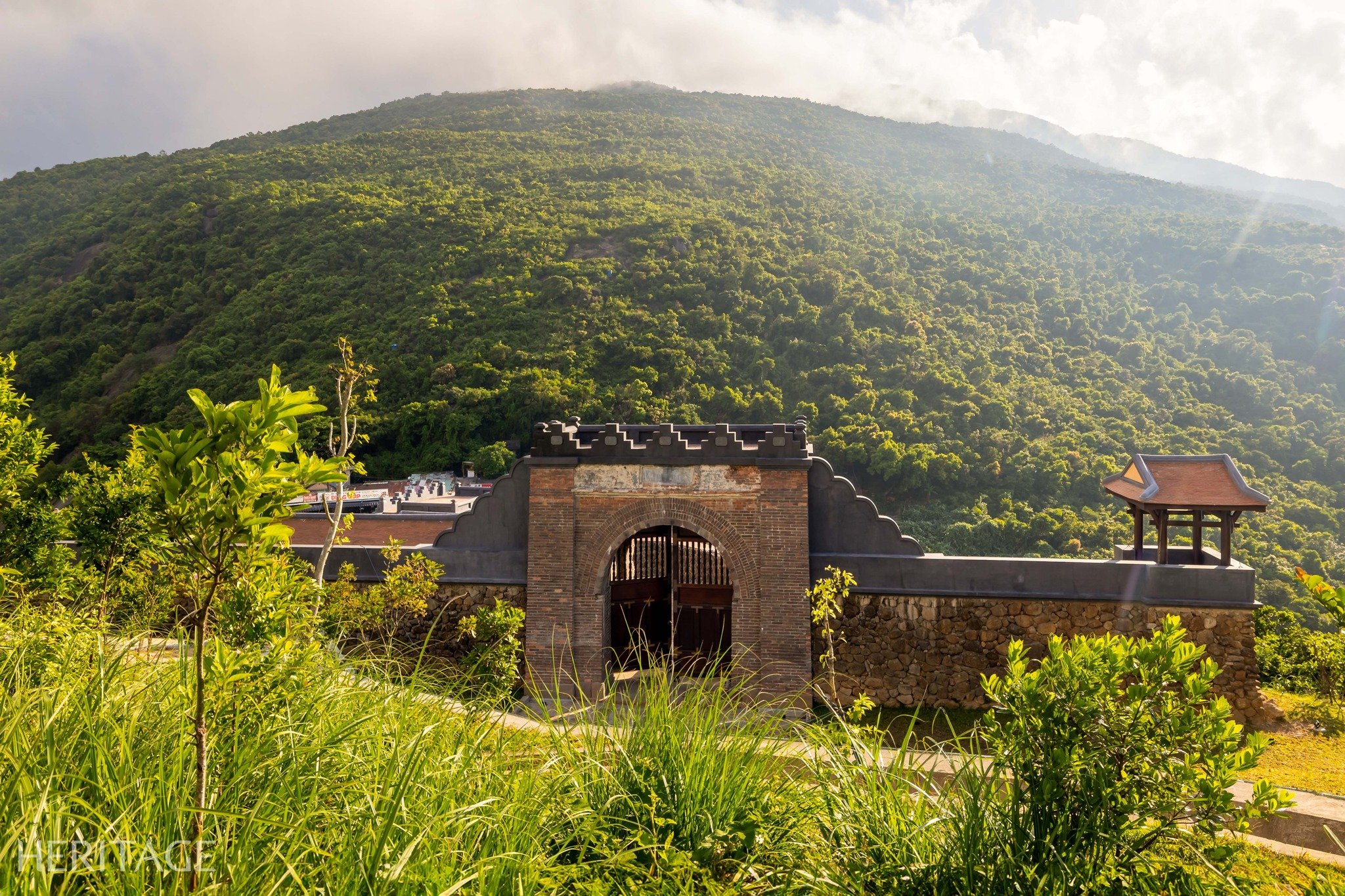
From a geographical perspective, Hai Van is part of the Bach Ma mountain range – one of the "mischievous legs of the Truong Son mountain system" jutting out towards the sea. The Bach Ma range acts as a climatic barrier separating the northern and southern Truong Son regions.
According to historical records, from 1306, after the marriage of Princess Huyền Trân of the Trần dynasty to King Chế Mân of Champa (Jaya Simhavarman 3), the two provinces of Ô and Lý became the southern frontier of Đại Việt under the name Thuận Hóa.
Due to its strategic location, a military outpost was soon established on the summit of Hai Van Pass. This location was inherited by the Ho, Later Le, and especially the Nguyen dynasties. In 1471, King Le Thanh Tong, during a southern campaign, stopped here to admire the scenery. Impressed by the picturesque landscape and its crucial strategic position, the king declared it the "most magnificent pass in the world." Later, during the reign of Lord Nguyen Hoang, in 1602, while surveying the terrain and planning for a lasting dynasty, he visited Hai Van Pass. Seeing a mountain range stretching hundreds of miles to the coast, the Lord praised it as the strategic gateway of Thuan Quang region.
Afterward, he crossed the mountains to survey the terrain, ordered the construction of a garrison in Can Huc commune (now in Duy Xuyen district, Quang Nam province), built warehouses to store food supplies, and appointed his sixth son, Nguyen Phuc Nguyen, to guard it.
After unifying the country from Nam Quan Pass to Ca Mau Cape, King Gia Long ordered the construction of a system of post stations along the Hai Van mountain pass, and appointed officials to guard Hai Van Pass. During the reign of King Minh Mang, in the 7th year of Minh Mang (1826), on an auspicious day, the king ordered the construction of Hai Van Pass.
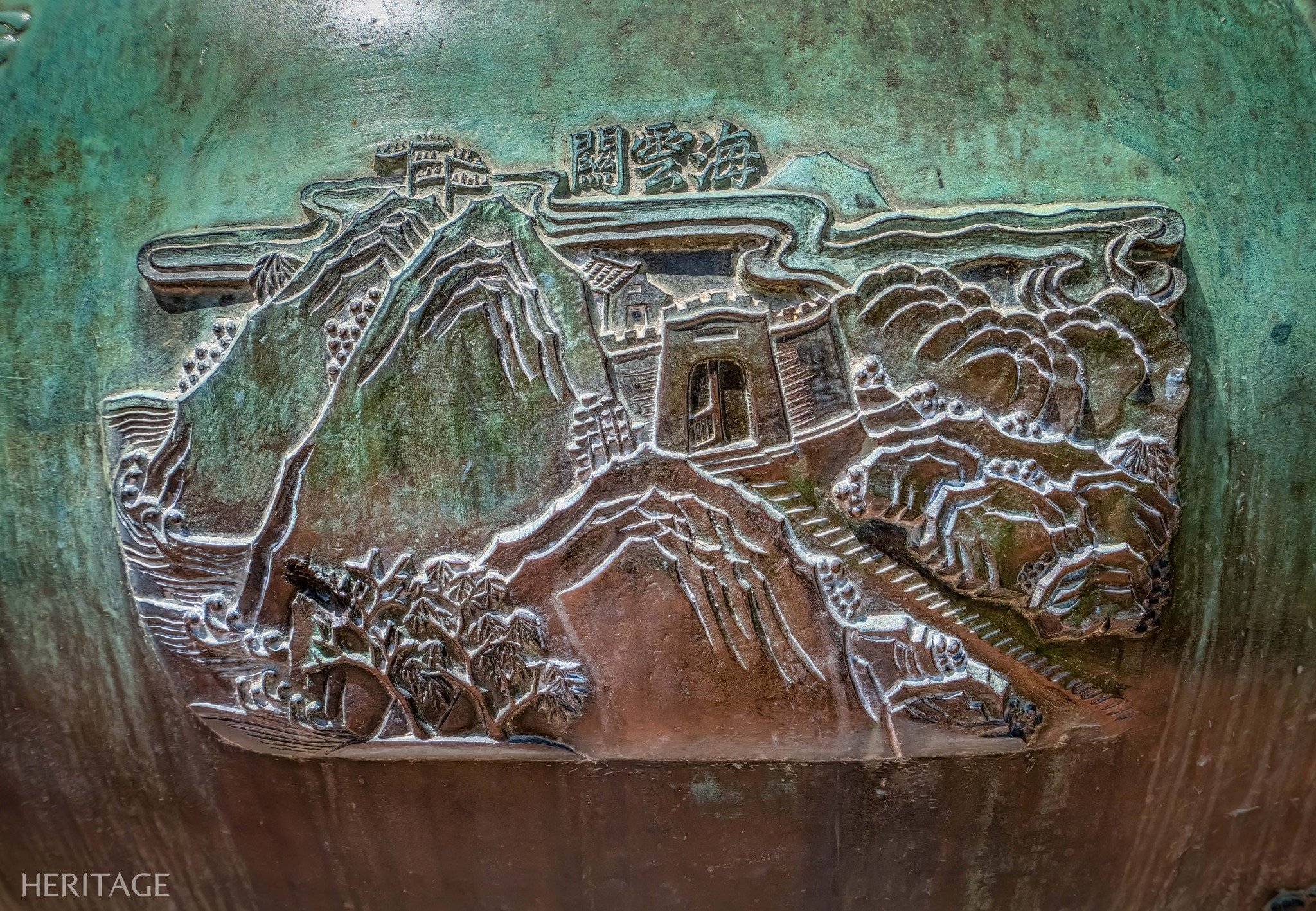
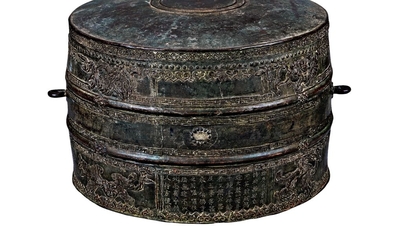
The book Dai Nam Thuc Luc (Chronicles of Dai Nam) records that the Hai Van Gate was built on the summit of Hai Van Mountain, with a gate at both the front and back. The front lintel bore the three characters "Hai Van Quan" (Hai Van Gate), and the back lintel bore the six characters "Thien Ha De Nhat Hung Quan" (The Most Magnificent Gate in the World). In the 17th year of Minh Mang's reign (1836), a telescope was provided to observe the sea; any foreign ships entering the Da Nang harbor had to notify this gate beforehand. Also in 1836, when casting the Nine Tripods, the king had the image of Hai Van Quan engraved on the Du Dinh - the eighth tripod placed in front of the The Mieu courtyard in the Hue Imperial Citadel.
Heritage Magazine




![[Photo] General Secretary and President To Lam presides over a working session with the Central Policy and Strategy Committee on the development of the materials industry.](https://vphoto.vietnam.vn/thumb/1200x675/vietnam/resource/IMAGE/2026/05/21/1779359935432_a3-bnd-3129-1412-jpg.webp)
![[Photo] National Assembly Chairman Tran Thanh Man working with the Standing Committee of the Law and Justice Committee](https://vphoto.vietnam.vn/thumb/1200x675/vietnam/resource/IMAGE/2026/05/21/1779378929214_ndo_br_1-4610-jpg.webp)









![[Photo] National Assembly Chairman Tran Thanh Man working with the Standing Committee of the Law and Justice Committee](https://vphoto.vietnam.vn/thumb/402x226/vietnam/resource/IMAGE/2026/05/21/1779378929214_ndo_br_1-4610-jpg.webp)
















































![[Infographics] Things you need to know about E10 gasoline](https://vphoto.vietnam.vn/thumb/402x226/vietnam/resource/IMAGE/2026/05/22/1779412728632_fb_gemini-generated-image-50vwse50vwse50vw-1-jpg.webp)

















Comment (0)