

In the digital age, as the boundaries between reality and virtuality blur, cyberspace has become the primary "front" for ideological attacks. Hostile forces are using culture as a kind of "soft weapon" to carry out their scheme of "peaceful evolution."
Identifying and preventing new forms of "cultural invasion" is an urgent task to firmly protect the Party's ideological foundation.
Sophisticated tactics
While in the past, erroneous ideologies often appeared directly through reactionary articles and news reports, now they are cleverly "disguised" under the guise of cultural and entertainment products.
According to an analysis of press and media data from 2024-2025, hostile forces have shifted significantly towards producing short videos on TikTok, YouTube, and private Facebook groups to spread their ideologies…
The most common tactic is to exploit sensitive historical events to create "fictional" documentaries or podcasts that "decipher" history with a distorted perspective. These types of content prey on the curiosity of young people – a demographic that tends to absorb information quickly but lacks the maturity to verify its source.
More than 70% of fake news and malicious information today is embedded in everyday life and entertainment stories to undermine trust in cultural icons and Party leaders.
This is a clear manifestation of "cultural invasion"—a silent process of encroachment that erodes the identity and value orientation of the Vietnamese people. When national pride is wounded and a hybrid lifestyle prevails, the political and ideological foundation becomes weak and vulnerable to internal attacks.
Recognizing this issue, Mr. Vo Thanh My, Chairman of the Southern Branch of the Digital Media Association, shared that in today's online space, the boundary between purely cultural products and ideological attacks is very thin.
Hostile forces are no longer using dry, rigid slogans, but are instead embedding "ideological viruses" into content that capitalizes on trends or hedonistic lifestyles.
The phenomenon of "cultural invasion" today is very sophisticated. The tactic involves using the influence of celebrities and online idols to spread "harmful" content, which is not as simple as traditional methods.
This is a silent but dangerous form of invasion, because it undermines the roots of national identity before attacking political consciousness.
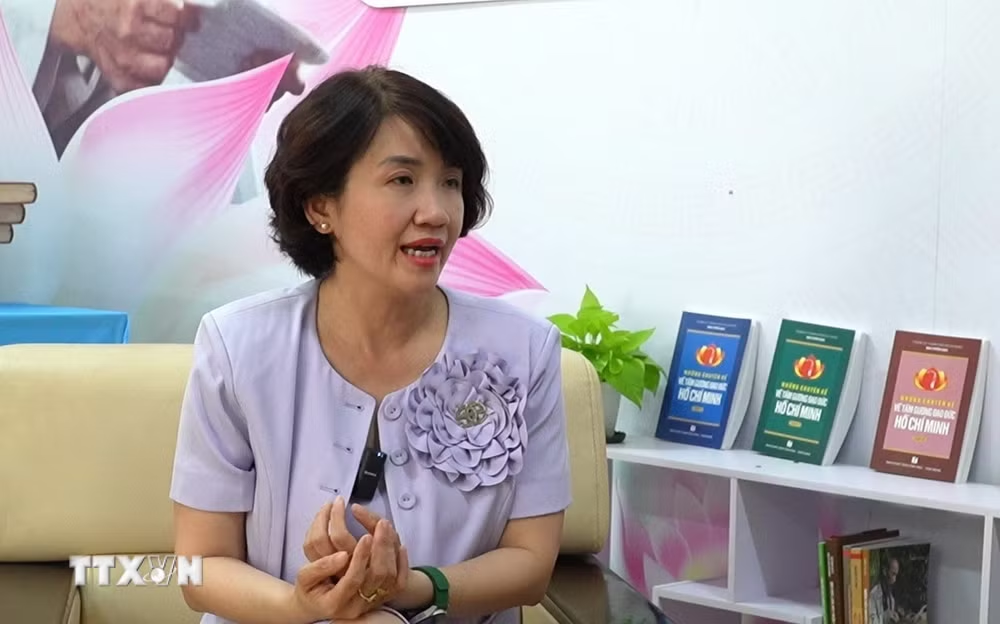
Dr. Dinh Thi Thanh Nga, Head of the Department of Administrative and Criminal Law, Faculty of Law, Saigon University, stated that we are facing the risk of "self-evolution" stemming from cultural loopholes in cyberspace.
In Ho Chi Minh City, even during major festivals, mainstream information is sometimes "diluted" by sensational entertainment content. Without digital literacy, young people can easily be swept away by counter-cultural trends, leading to distorted political thinking.
The power of mainstream information flows
Faced with this challenge, the spirit of the resolutions, especially Resolution 80-NQ/TW, has identified the central solution as using the power of culture to counterattack. The motto "using beauty to overcome ugliness" is no longer just a slogan but has become concrete action in cyberspace.
In fact, large-scale propaganda campaigns through events like A50, A80… have created a “positive green wave of information,” pushing back against distorted narratives.
Cultural expert and Doctor Duong Duc Minh explains: A "green wave" doesn't appear randomly; it's created by the synergy between content value and social emotion.
When the public perceives content as providing positive value, they are no longer passive viewers but become new "broadcasting points." Each share is not just about conveying information, but also a way for individuals to demonstrate social responsibility and personal values in the digital environment.
In recent times, the collaboration between media outlets and online communities has created many impressive cultural communication campaigns. Trends such as "Proud of the National Flag," videos about "Red Addresses" on digital platforms, and inspiring stories about good people and good deeds have attracted millions of interactions, overshadowing negative information.
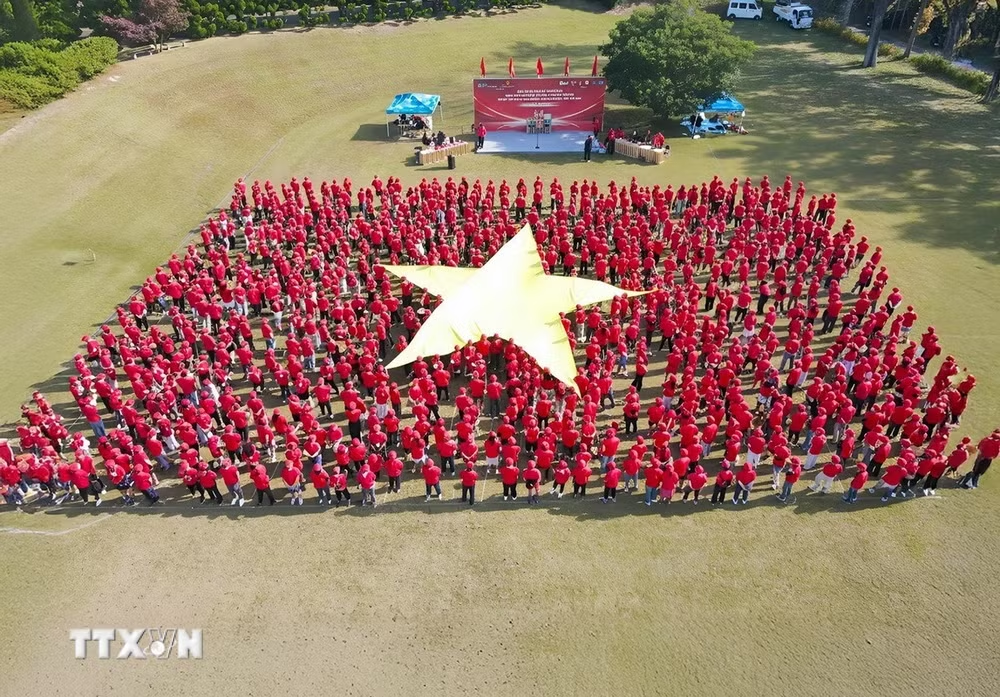
Mainstream media's active penetration into cross-border platforms has helped re-establish "cultural order" on social media.
Journalist Le The Chu, Editor-in-Chief of Tuoi Tre newspaper, believes that through articles, photo reports, and videos, the press helps the younger generation better understand their roots, thereby fostering national pride and awareness of preserving cultural heritage.
Over the years, Tuoi Tre newspaper has regularly organized and promoted major cultural events. In particular, the "Pho Day" program (initiated in 2017) has not only attracted a large audience domestically but has also made a significant impact internationally, with successful events held in many major cities and countries such as Tokyo (Japan), Seoul (South Korea), and Singapore.
Press agencies must effectively perform their function of providing accurate, timely, engaging, and incisive information and propaganda, playing a pioneering and pivotal role on the ideological and cultural front. Especially in the context of digital transformation, the press must proactively apply modern technology to reach the younger generation – the core force in protecting the Party's ideological foundation and preserving and developing Vietnamese culture.
For mainstream information to truly prevail, experts agree that journalism cannot afford to be left out of the algorithmic "game."
Journalist Nguyen Duc Loi, Permanent Vice President of the Vietnam Journalists Association, affirmed that journalism is a core force in spreading values and creating a digital cultural space, especially in forming positive "green waves" of information on the internet.
We cannot simply wait for events to create content; instead, we must proactively tell cultural stories as a sustained flow across cross-border platforms, re-establishing "cultural order" through works that are profound and rich in humanistic values.
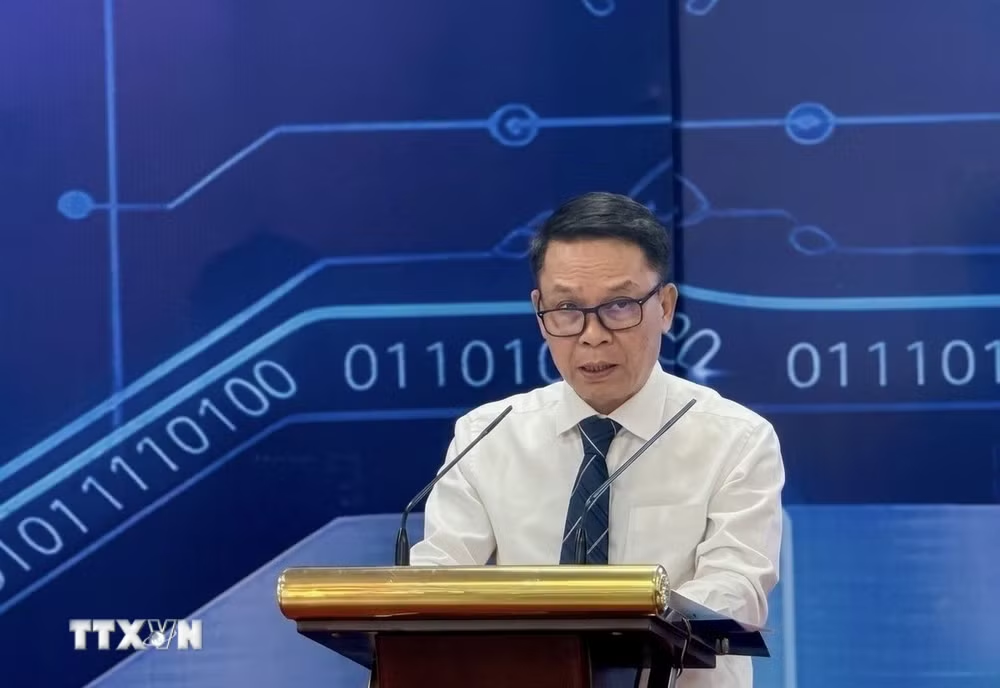
Digital media expert Vo Thanh My believes that state-owned media outlets need to improve their communication methods through podcasts, storytelling, and the application of artificial intelligence to master algorithms. We need to know what readers truly want in order to provide positive content in the most engaging way. People always have a tendency towards goodness; if the content is good enough, the emotional connection will push back against harmful news.
Each party member is a "fortress".
The fight to protect the Party's ideological foundation in cyberspace requires the participation of every Party branch and every Party member at the grassroots level. The spirit of setting an example in the virtual world has been concretized by our Party.
Sharing her practical experience at the grassroots level, Ms. Nguyen Thi Thanh, Secretary of the Party Branch of Ward 33, Dien Hong Commune, stated that building interactive digital spaces is a key solution to prevent harmful information.
Through social media forums, the Party branch promptly suppressed malicious rumors and thoroughly resolved people's concerns. Each Party member in the branch acts as an intelligent and exemplary "filter" in receiving and sharing information, serving as a reliable support for the people.
In accordance with Resolution 80-NQ/TW, each Party member participating in social media needs to become a distinct cultural "fortress." The political culture of a cadre must be demonstrated through alertness, astuteness, and exemplary conduct when engaging in online dialogue.
Instead of reacting negatively, each party member should actively share humanitarian values and national development achievements in line with the "green driving force" orientation, considering this the most effective shield to protect the Party's ideological foundation.
Ms. Ngo Thi Thanh, Secretary of the Party Branch of Ward 30, Dien Hong Commune, shared the three-step process that the branch is effectively applying to combat "ideological viruses on social media," which includes: assessment - carefully checking the source of information before interacting and spreading it - prioritizing visual and vivid information about real people and real events; and transformation - seamlessly combining "construction" and "combat" so that positive values inherently push back against evil, protecting the Party in a humane and unified way.
To effectively "set an example" on social media, the proactive spirit of young Party members also brings a breath of fresh air, transforming political theory into engaging digital content to combat harmful information.
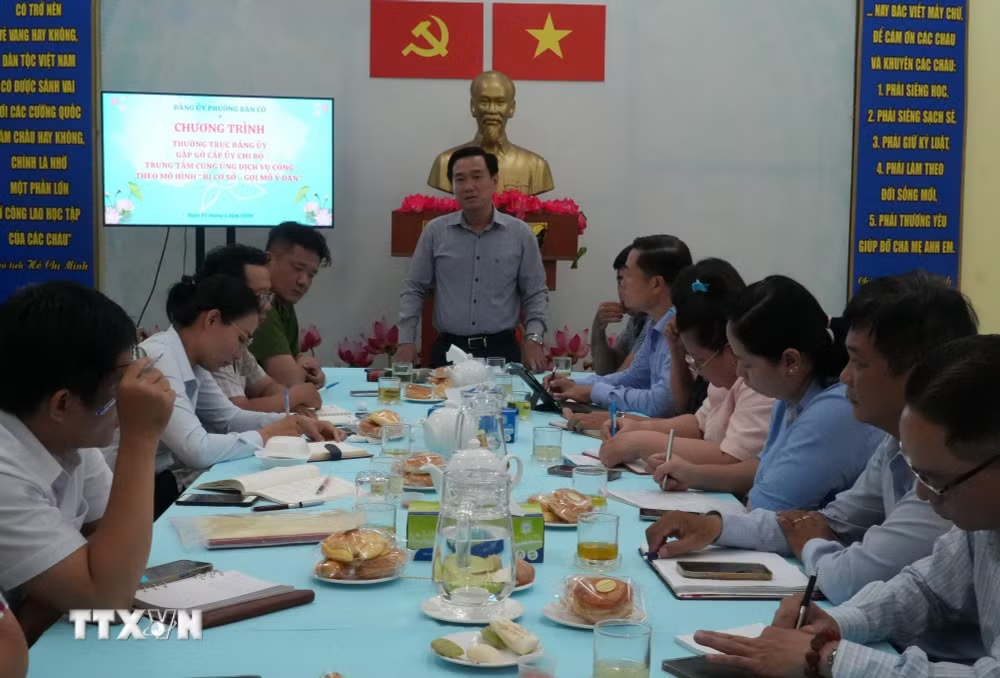
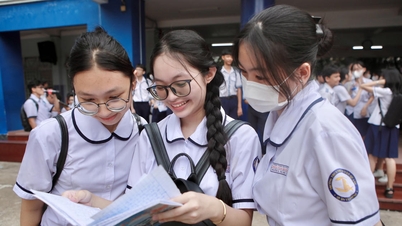
Ms. Nguyen Thi Ngoc Tram, a Party member of the Office of the People's Council and People's Committee of Ban Co Ward, believes that young people participating in social media must first and foremost have a sense of responsibility and vigilance. As intelligent users, we must equip ourselves with sufficient knowledge and skills to resist harmful information; proactively create vivid videos and images to spread positive information, becoming a "propagandist" on social media.
Sharing the same view on "social media propagandists," Ms. Vo Thi My Huyen, Deputy Secretary of the Ban Co Ward Youth Union, said that the unit is implementing the model "Each Youth Union member is a propagandist on social media."
Social media is vast, and young people have access to a lot of content that is inappropriate for their age. The unit regularly organizes political activities to help them understand the policies so that when they encounter false information, they have the courage to identify and refute it immediately.
Master's degree holder Nguyen Tuan Anh, a public administration expert, pointed out that in the digital age, Party members must not only set an example in real life but also on social media. Every post, comment, and share reflects character, culture, and responsibility.
Party members must uphold three principles: being vigilant when receiving information, speaking appropriately, and sharing responsibly.
First and foremost, avoid sharing unverified information, making extremist statements, or using derogatory language.
Secondly, we must take responsibility for defending what is right and refuting distorted arguments with civilized and persuasive reasoning.
Ultimately, party members' accounts should be places to spread positivity, inspiring stories, and kind attitudes. When this is achieved, each account will become a small "fortress" protecting political culture.
The war in cyberspace is a protracted, silent struggle. By holding firm to our cultural defenses, we not only repel ideological attacks but also build a safe and humane online environment, contributing to making culture a true force in the digital age.
We invite readers to follow this series of articles:
Source: https://www.vietnamplus.vn/cuoc-chien-tren-khong-gian-mang-post1110367.vnp

![[Photo] General Secretary and President To Lam presides over a meeting on assessing national development resources.](https://vphoto.vietnam.vn/thumb/1200x675/vietnam/resource/IMAGE/2026/05/20/1779253785852_a1-bnd-2943-8519-jpg.webp)
























































Comment (0)