

Policy choices in some cases are still heavily qualitative.
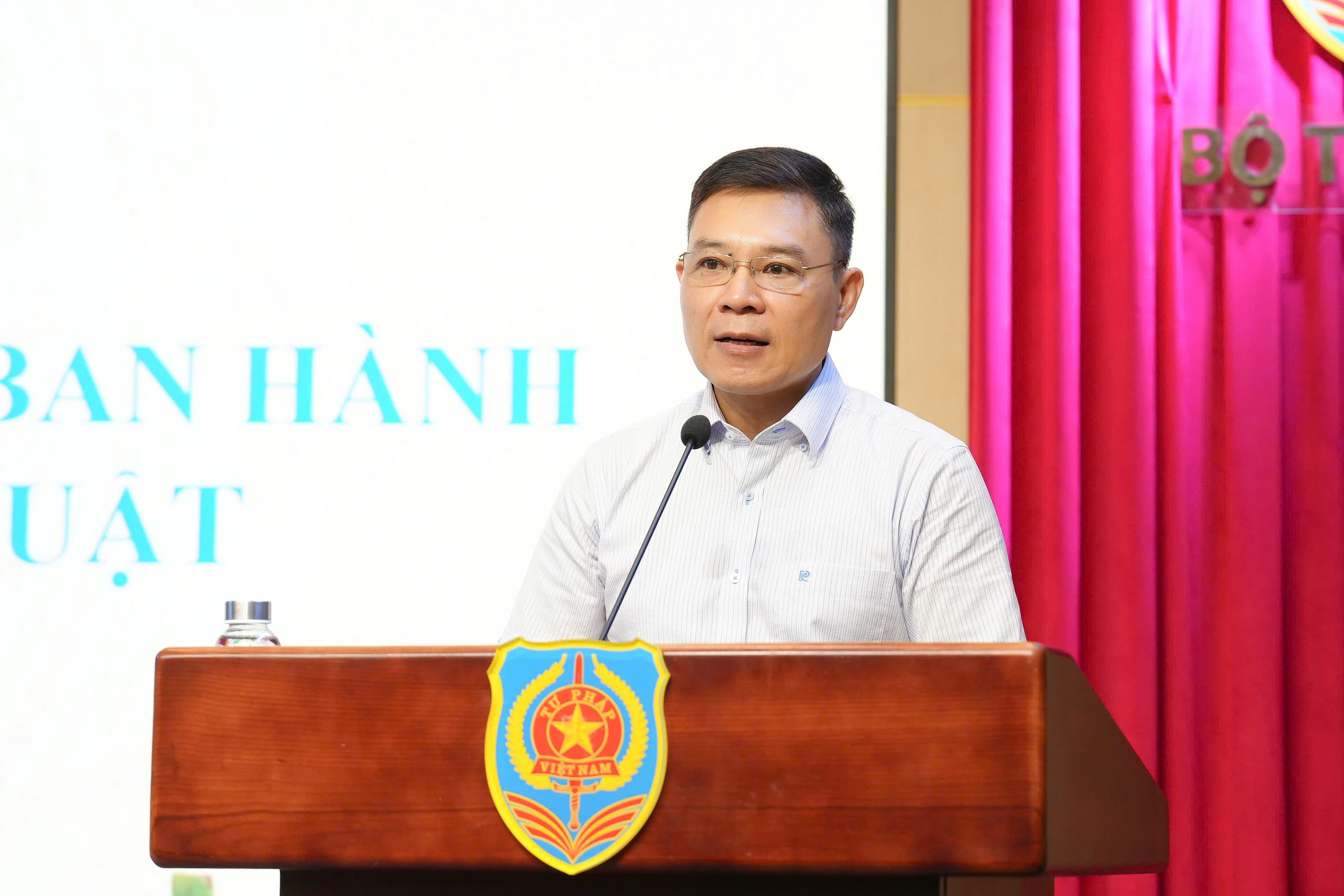
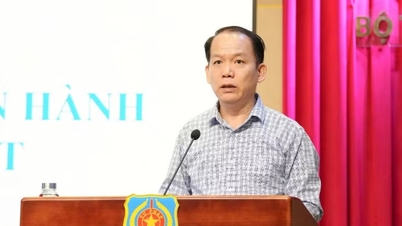
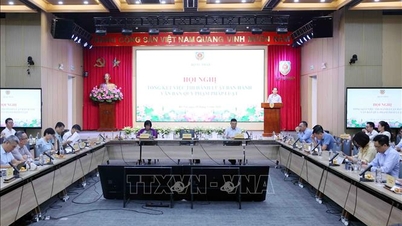
A review of the implementation of the Law on the Promulgation of Legal Normative Documents shows that, in localities, the process of drafting and promulgating legal normative documents has undergone many positive changes and is gradually becoming more systematic. Alongside these achievements, Mr. Nguyen Quoc Hoan, Director of the Department of Legal Normative Document Drafting ( Ministry of Justice ), also pointed out that policy development in some agencies has not truly met the requirements of the law's evolving thinking. Policy content remains general, failing to clearly distinguish between objectives and policy content; implementation plans are not specific, lack feasibility, and do not ensure a solid basis for policy selection. Policy impact assessment has not been quantified using specific criteria. The explanation of policy normation is unclear and lacks focus.
In addition, while attention has been paid to organizing consultations, policy advice, and feedback sessions, the implementation remains inconsistent. Failure to submit feedback within the deadline still occurs, impacting the progress of document drafting.
"The mechanism for receiving and responding to feedback has not been fully and consistently implemented, leading to consultation activities that are merely 형식적인 (formalistic) and ineffective; the quality of feedback from some agencies and organizations is limited, untimely, or superficial," Mr. Nguyen Quoc Hoan pointed out.
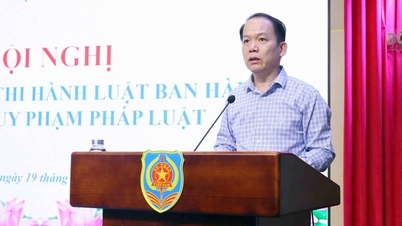
Sharing this view, National Assembly representative Dong Ngoc Ba, a full-time member of the Law and Justice Committee, argued that the policy-making process in many cases is not implemented consistently or effectively, and in some places is merely a formality. The lack of genuine importance placed on the policy-making stage persists, leading to a reluctance to follow the policy-making process and a desire to skip directly to the drafting process to expedite the submission of draft laws, while many major and complex issues have not been fully assessed in terms of their political , legal, practical basis and socio-economic impact.
Meanwhile, for projects that have implemented policy processes, the analysis and selection of policies in some cases are still heavily qualitative, not based on sufficient evidence, data, and practical experience; they have not clarified different policy options, as well as the advantages, limitations, and consequences of each option, to serve as a basis for selecting the optimal option.
It needs to be quantified using specific criteria.
Policy consultation is a new element in the legislative process in general and the policy process in particular, reflecting the need for innovation towards democracy, transparency, increased critical feedback, especially from the lead agency responsible for review, and improved policy quality from the initial stages. However, in practice, this mechanism has not yet achieved the effectiveness commensurate with its intended role and significance.
According to Mr. Dong Ngoc Ba, in many cases, consultations are still largely ceremonial and have not truly become forums for in-depth exchange and critique of policies. In many instances, consultation sessions are fundamentally indistinguishable from conferences, seminars, and forums for providing feedback on draft documents, failing to establish a substantive, multi-faceted, and highly critical policy dialogue mechanism. The role of the lead agency responsible for verification and other National Assembly agencies in the policy consultation phase has not been fully utilized; participation remains primarily at the level of general feedback, lacking deep involvement in the process of analyzing, critiquing, screening, and guiding policies from an early stage. The process of receiving and responding to consultation opinions on policies has not been as effective as desired, failing to ensure transparency and full accountability.
Significantly, the process of handling consultation opinions has not been widely publicized, preventing participating agencies, organizations, and individuals from monitoring and supervising the research and incorporation of feedback. It has also failed to clarify which opinions were accepted and which were not, and whether the reasons and basis for rejection were truly reasonable and convincing. "This leads to a situation where draft laws, even during the review, discussion, and revision stages, still have policy issues that have not reached a high level of consensus. The pressure to address these issues within a short timeframe affects the quality and progress of the draft law," Mr. Dong Ngoc Ba pointed out.
To improve the effectiveness of policy consultation and the quality of legal documents, Nguyen Quoc Hoan, Director of the Department of Legal Document Drafting (Ministry of Justice), believes that it is necessary to fully and strictly regulate the implementation of each stage and step in the process of drafting and promulgating legal documents. Accordingly, policy content must be specific and clear, clearly distinguishing between policy objectives and policy content. Policy impact assessment should be quantified using specific criteria; the explanation of policy codification must be clear. The process of soliciting opinions, policy consultation, acceptance, and explanation must be carried out fully, consistently, and effectively. Specific regulations should be established regarding the mechanism for appraisal and verification, the value of appraisal and verification reports, the activities of the drafting team, the acceptance and revision process, and the technical review of legal documents before approval and signing.
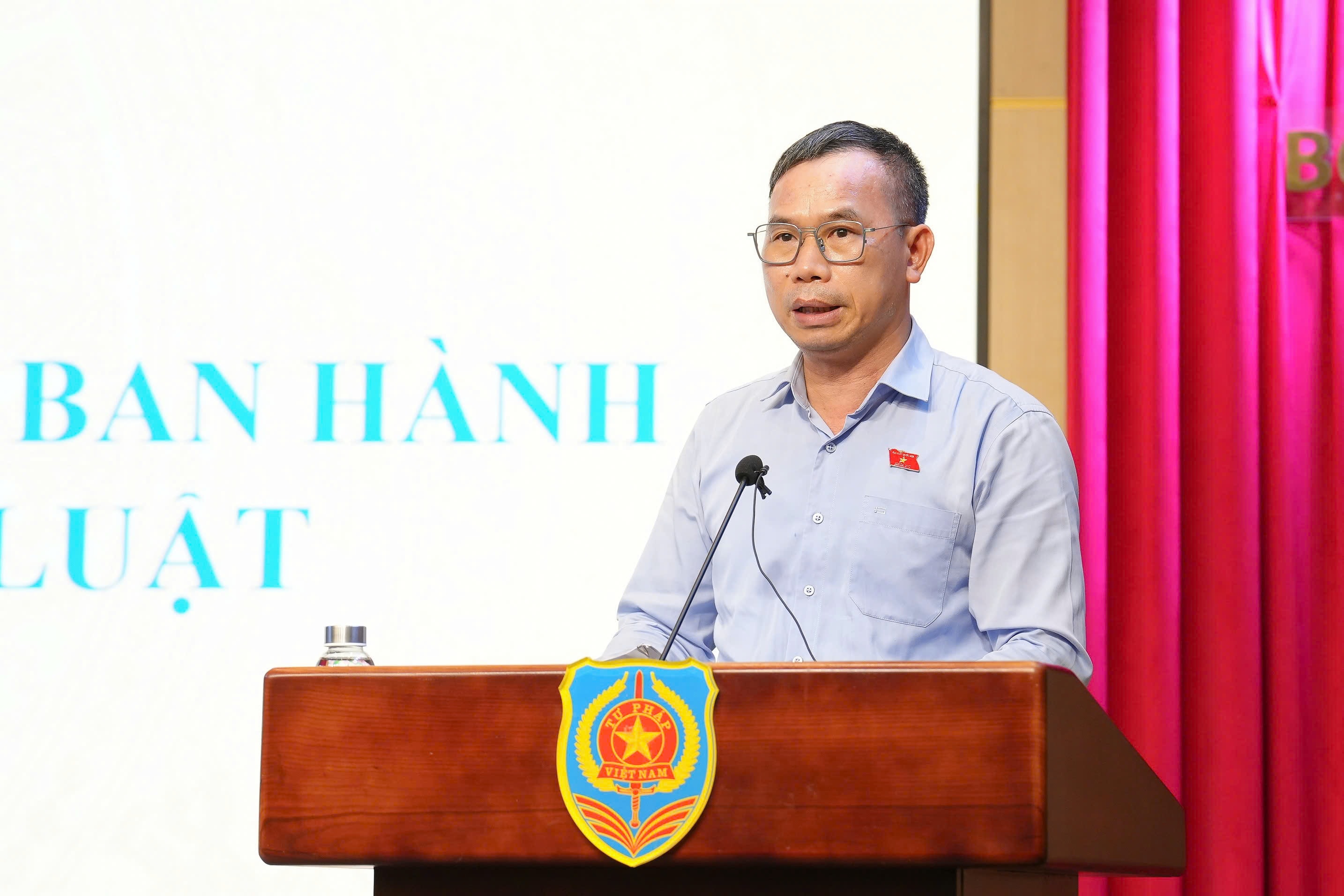
Emphasizing the need for continued innovation and improvement in the policy-making process, Mr. Dong Ngoc Ba suggested enhancing policy quality from the outset as a basis for policy standardization; and researching innovations in the consultation process. Accordingly, it is necessary to continue implementing the policy process effectively, fully adhering to all prescribed steps, from policy identification, policy impact assessment, consultation, policy appraisal, and policy adoption, ensuring objectivity, transparency, feasibility, effectiveness, and efficiency. The policy impact assessment must be substantive and thorough, objectively and truthfully reflecting the policy's impact on the economy, society, environment, compliance costs, administrative procedures, etc., absolutely avoiding formality and offering options for the sake of appearances; resolutely preventing any manifestations of profiteering or "policy manipulation." The scope of those seeking opinions should be expanded but focused, concentrating on those directly affected by the policy; Openness and transparency are essential, along with expanding channels for gathering feedback, especially in the digital environment, and applying technology to receive, synthesize, and address feedback and suggestions.
Furthermore, research should be conducted to innovate the policy consultation process, with a focus on having agencies of the National Assembly preside over it. The agency proposing the policy would be responsible for presenting and explaining the opinions raised at the consultation meeting in a satisfactory and persuasive manner, gaining strong agreement and support from the National Assembly agency in charge of that field. Simultaneously, the agency proposing the policy would be responsible for compiling a consultation report to submit to the agency submitting the project, serving as a basis for consideration and decision-making regarding project submission.
“This innovation will make policy consultation more substantive and effective, allowing National Assembly agencies to access draft laws earlier, without waiting until the drafting agency submits the documents for review to know what the draft contains. At the same time, National Assembly agencies will participate more deeply in the policy process and provide early feedback on policy-related issues; these opinions must be studied, considered, and fully and convincingly explained,” Mr. Dong Ngoc Ba stated.
Source: https://daibieunhandan.vn/danh-gia-tac-dong-chinh-sach-phai-thuc-chat-10417992.html
































































































Comment (0)