


The overall goal set by Hanoi is to create a comprehensive development of cultural industries in terms of scale, product and service quality, and market. At the same time, the Resolution emphasizes focusing investment on developing several promising and advantageous sectors of the capital city, such as cultural tourism , performing arts, handicrafts, design, advertising, fine arts, photography and exhibitions, etc.
The launching pad and methods for propelling the capital's cultural industry to take off is a topic that has been discussed in detail by many experts, scientists , and cultural managers. Many proposals are specific, systematic, drawn from practical models, and accurately assess the potential and strengths of the capital.
 |
The cultural industry has been boosted, partly dispelling the stereotype that the cultural sector is only about flags, trumpets, and drums, and that it's an industry that spends money without generating any. Associate Professor Dr. Nguyen Thi Thu Phuong, Director of the Vietnam National Institute of Culture and Arts, affirmed that developing the cultural industry must begin with a change in mindset. In reality, culture both spends money and generates money.
Preserving historical sites involves spending money, but without their beauty, the layers of history and history will not create tourist attractions or provide material for films and creative design products.
“Hanoi has a strong advantage in cultural heritage, and it must be closely linked to the development of the cultural industry so that this heritage can be accessed and disseminated. When visiting historical sites and heritage areas, tourists should not only buy entrance tickets but also experience services such as cultural tourism products based on the existing heritage values. Based on these heritages, creators will create different versions so that the public can easily enjoy, experience, and explore the heritage,” Associate Professor Dr. Nguyen Thi Thu Phuong analyzed.
The "menu" of cultural industry products and cultural services needs to reflect the cultural identity of Hanoi and meet the needs of consumers.
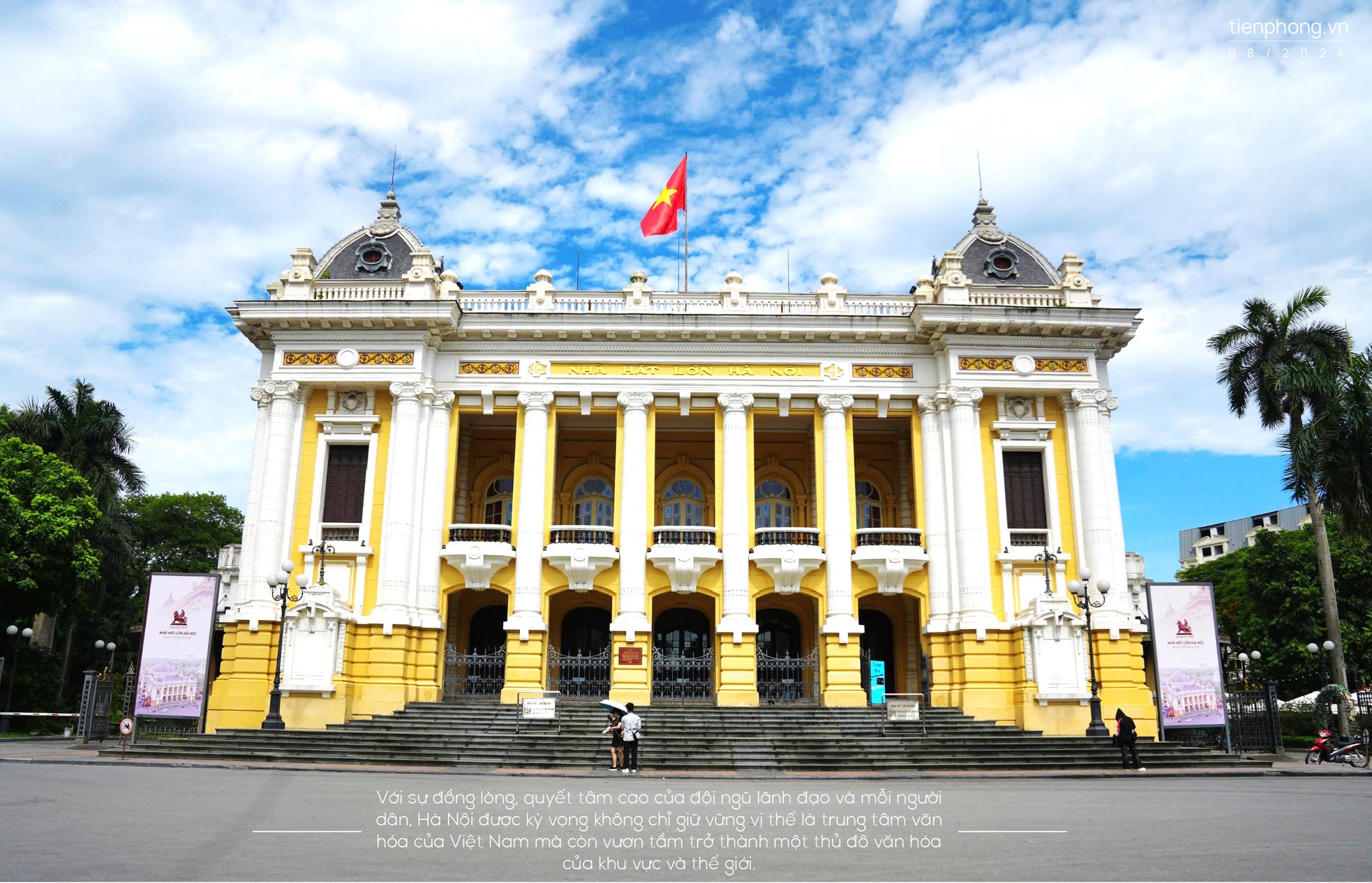
Experts cited examples from small, charming products like unique souvenirs such as creatively designed phone cases featuring images of the Turtle Tower, Thang Long Imperial Citadel, or ice cream cones shaped like the Grand Cathedral, the Grand Opera House, Long Bien Bridge, O Quan Chuong Gate, etc.
Creative products serve as both a source of revenue and an effective promotional channel. “Preserving and promoting heritage values is linked to spending money and making money. Preservation involves spending money, but promoting heritage values through cultural products and services means creating economic value. That revenue is then reinvested, creating a continuous cycle,” Ms. Nguyen Thi Thu Phuong stated.
 |
The models for developing cultural industries in developed countries in the region and continent also offer valuable lessons. Associate Professor Dr. Do Thi Thanh Thuy (Vietnam National Institute of Culture and Arts) mentioned the model and projects for developing cultural industries in Kobe - a creative city in the field of design in Japan.
This city devotes significant effort to nurturing the creativity of local children through experiential projects that allow children to work with artists and creative designers, envision their "dream town," and create their own artwork from recycled materials collected from shops and factories, etc.
Since the 1990s, many young Koreans have studied abroad to learn about filmmaking, cinema, museums, theaters, and other elite cultural and artistic institutions of the West. From this, they learned how to build a thriving Korean cultural industry, culminating in the development of film.
Artist and curator Nguyen The Son affirmed that this is the culmination of the cultural industry, an effective way to promote the soft power of culture by combining traditional culture, indigenous culture, and modern products.
  |
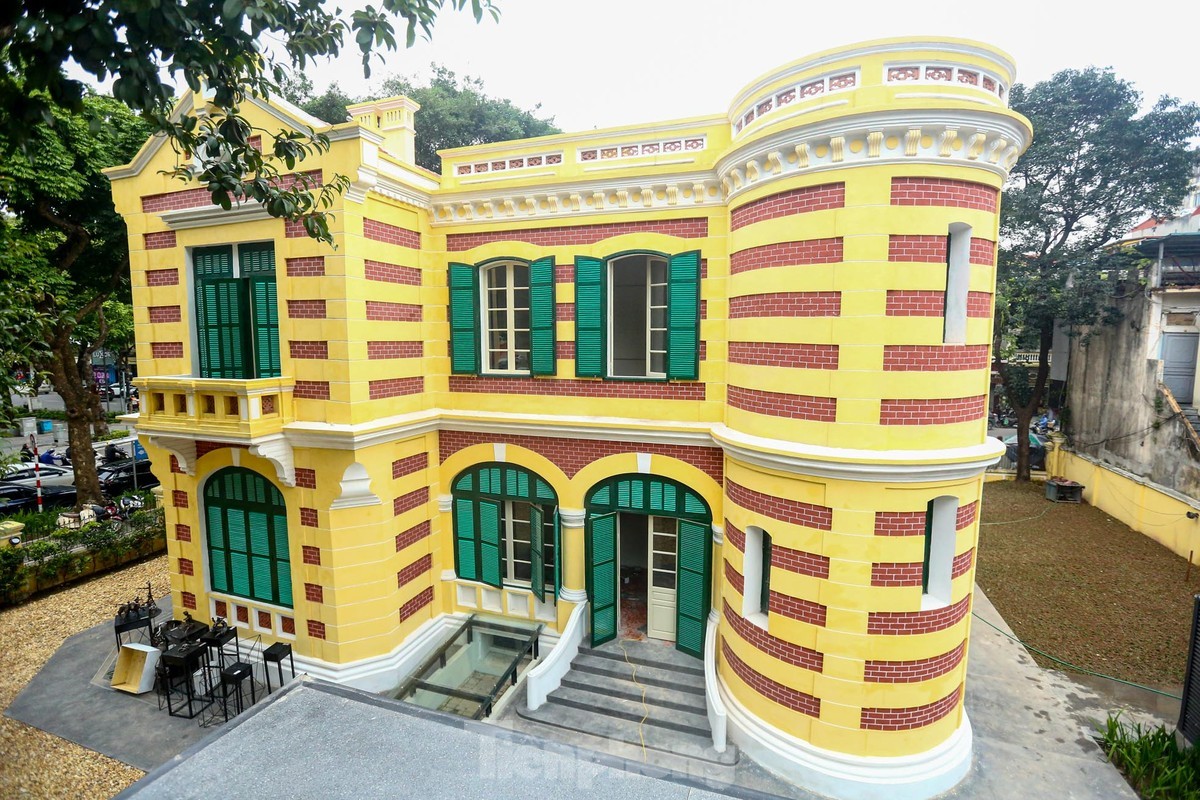 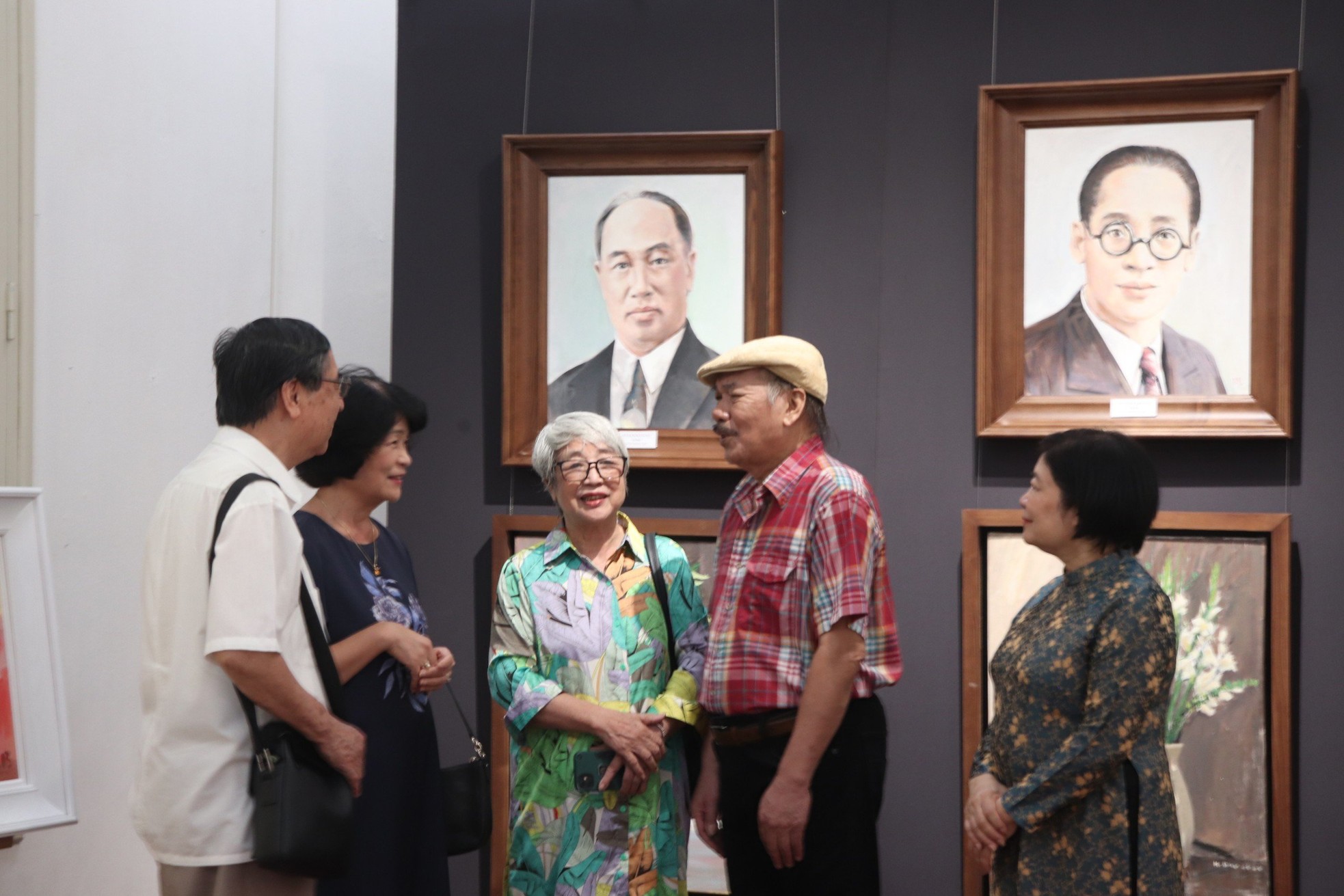 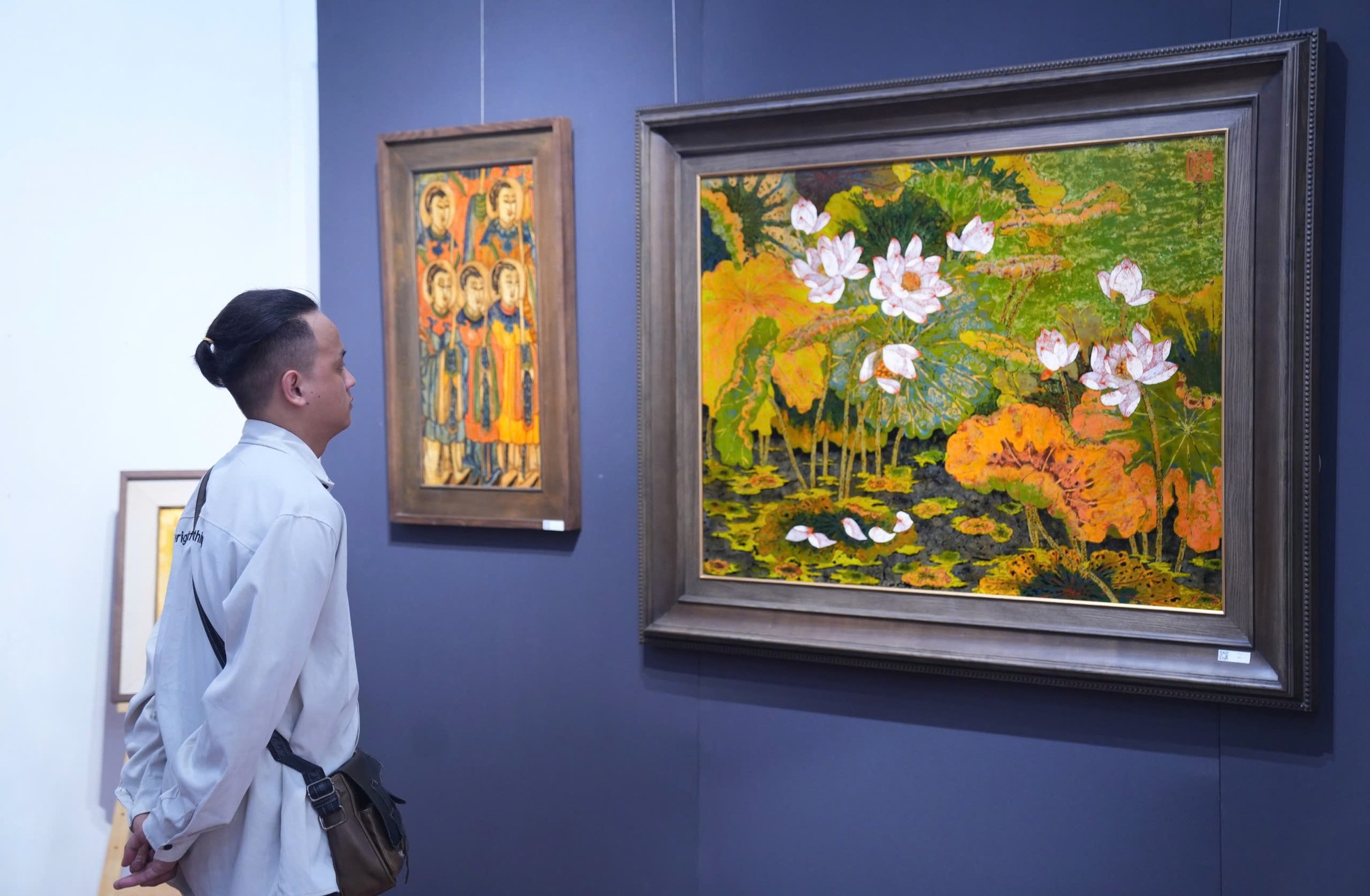 |
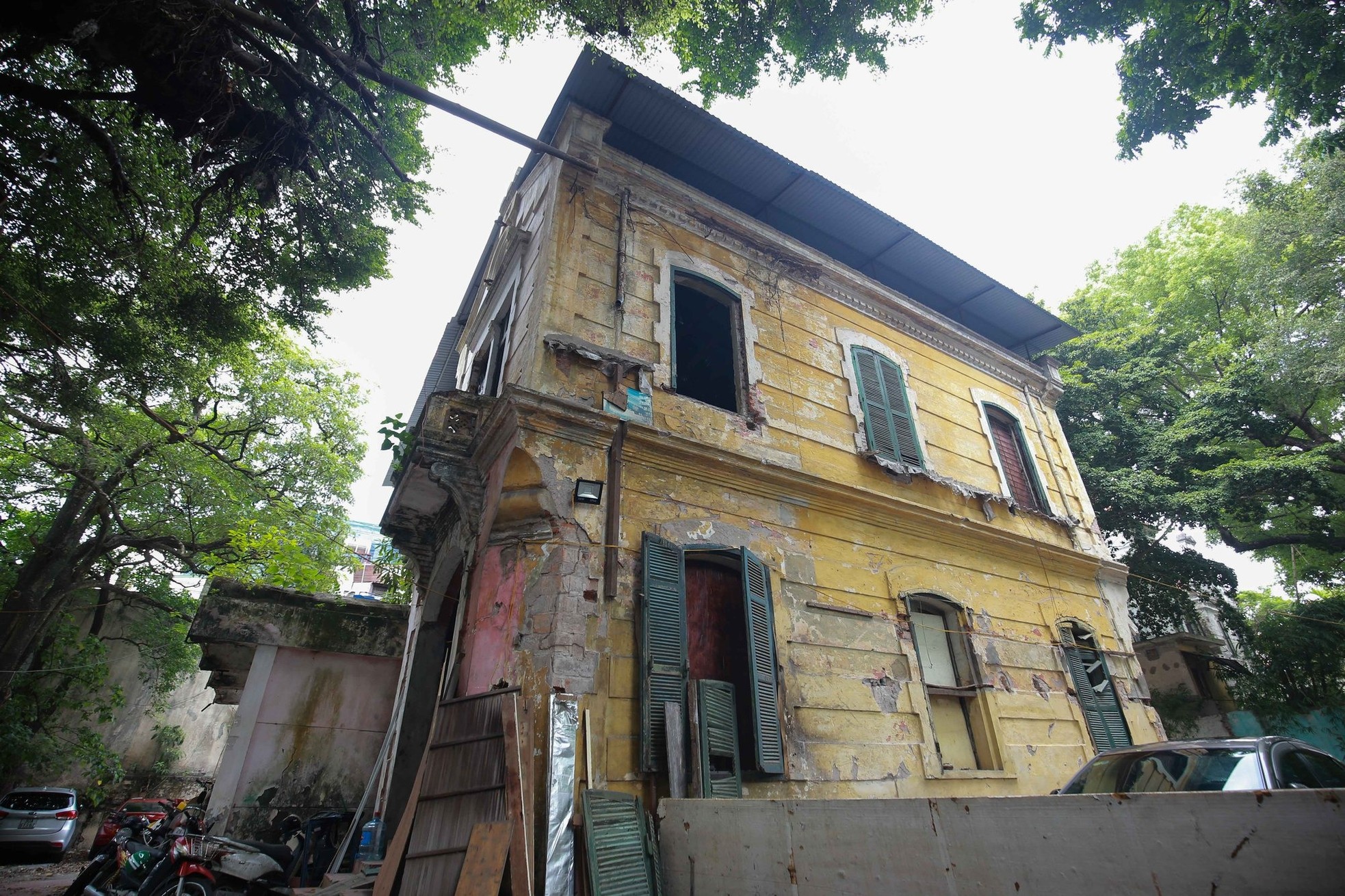
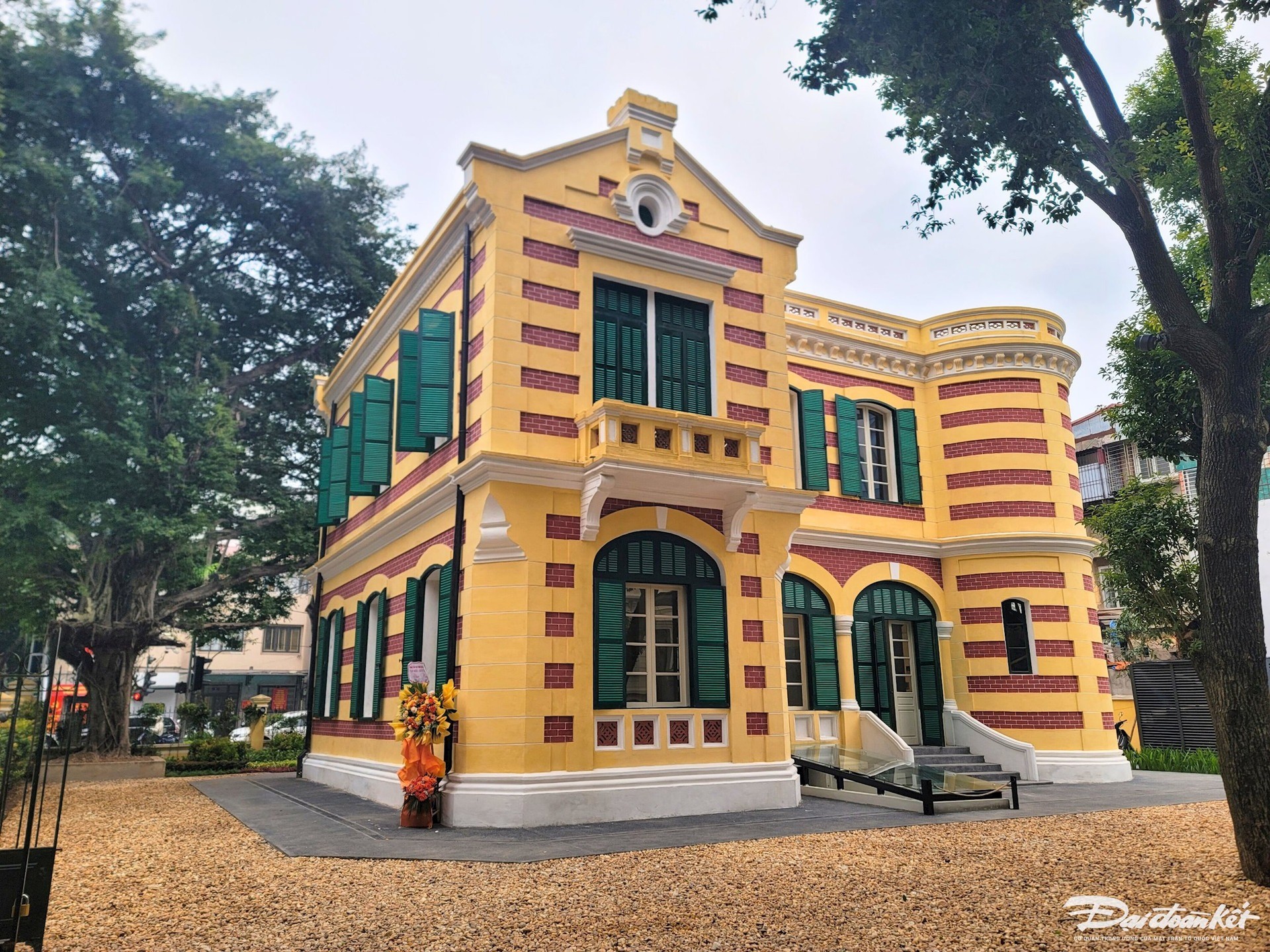
After restoration, the villa at 49 Tran Hung Dao Street has become a new art meeting place in the capital. |
In the modern context, film serves as a bridge for promoting culture and is positively received. Ms. Tran Thai Thuy, Director of the Hanoi Film and Television Center, shared her thoughts on the decision to produce the film series "For the Love of Hanoi" starting in mid-2024.
“Hanoi Radio and Television Station is a cultural institution, part of the cultural institutions of the Capital. There is no reason why it shouldn't become a part of Hanoi's cultural development, contributing to the development of the cultural industry, including the film industry, which still has much untapped potential. Hanoi is the first locality in the country to issue a thematic resolution on the development of the cultural industry. This is an important prerequisite for the cultural institutions of the Capital, including Hanoi Radio and Television Station. We strive to develop and build more programs with profound and sustainable cultural value. The film project 'For the Love of Hanoi' is no exception to this goal,” Ms. Tran Thai Thuy affirmed.
 |
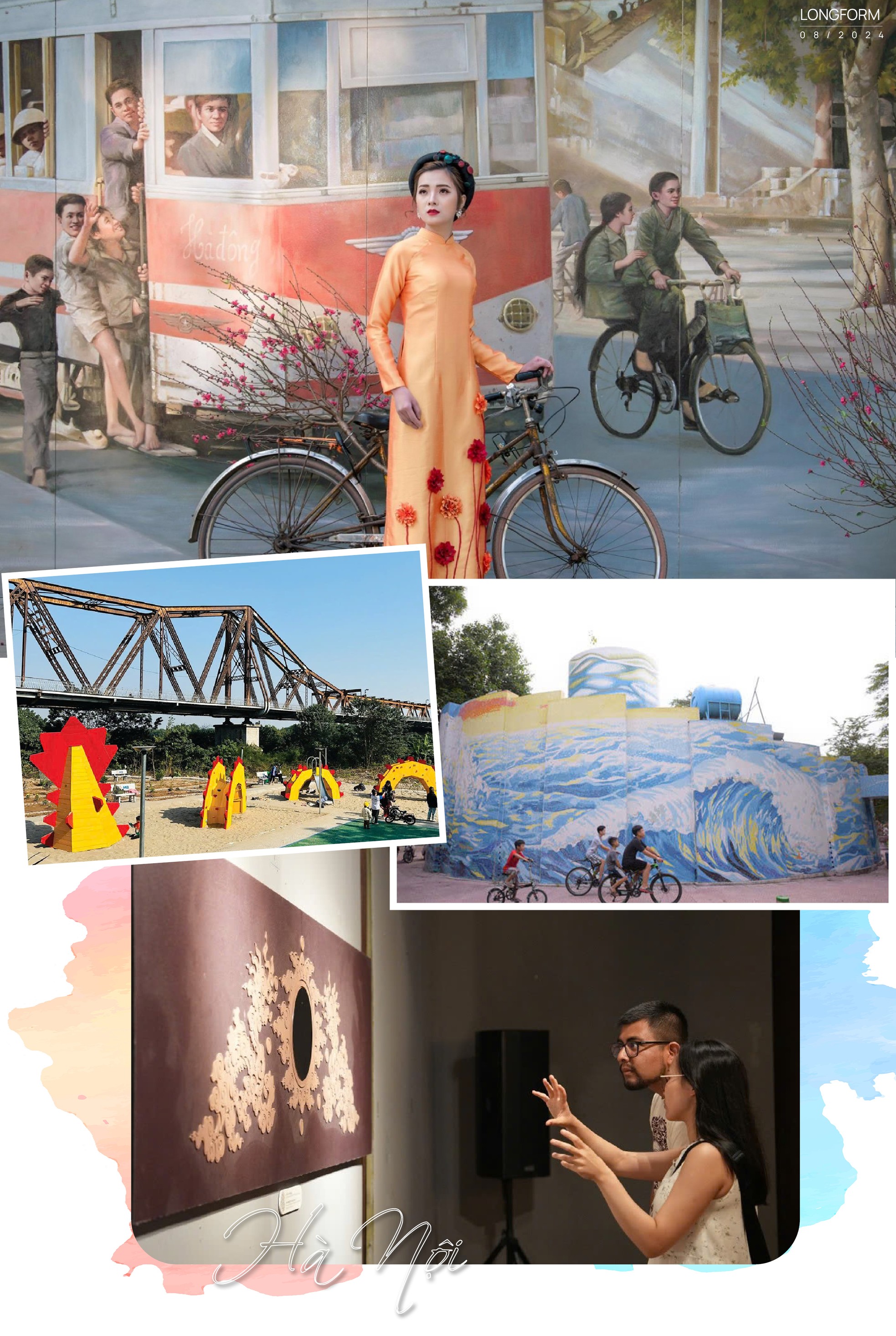
Hoan Kiem District (Hanoi) is an urban heritage complex encompassing the Old Quarter, national-level historical sites, Hoan Kiem Lake, and its surrounding areas. The Old Quarter holds significant value, demonstrating the formation and development of Hanoi in the late 19th and early 20th centuries.
Hoan Kiem district boasts dedicated spaces for artists and art professionals to develop their ideas and projects, while also serving the community. It also features many prominent cultural landmarks and spaces, such as the Cultural and Arts Center at 22 Hang Buom Street and the Heritage House (87 Ma May Street)...
Mr. Pham Tuan Long, Chairman of the Hoan Kiem District People's Committee, acknowledged that resources from the community play a very significant role in the development of the cultural industry. That is why it is necessary to pay attention to supporting and creating favorable conditions for artists and those working in the arts.
“It’s not necessary to create new spaces; we can utilize existing spaces and conditions specifically for artists and writers. Each locality has its own approach, creating unique characteristics for cultural development. This contributes to creating a distinct identity for each region and locality. Activities within the city have created a unique identity; each Hanoi resident is a guardian of heritage. We don’t necessarily need a specific space; what’s important is a lifestyle and behavior that is appropriate to the heritage, while simultaneously showcasing urban life to international friends,” Mr. Pham Tuan Long shared with Tien Phong newspaper .
 |
Associate Professor Bui Hoai Son, Standing Member of the National Assembly's Committee on Culture and Education, also suggested that Hanoi should invest in training high-quality human resources in the fields of culture, arts, cultural management, and cultural business.
“Interdisciplinary training programs, combining art and technology, business and culture, will create new generations of human resources to meet the development needs of the cultural industry. We should also encourage and facilitate the attraction of international experts and artists to work in Hanoi, while promoting multilateral cooperation projects in the cultural field to help improve the quality of cultural products and services,” said Associate Professor Bui Hoai Son.
Hanoi's cultural brand already exists, but a comprehensive promotional strategy is essential to building and strengthening it. Major cultural events, international festivals, and creative media campaigns will help Hanoi assert its position as a global cultural capital. We need to create iconic cultural products that are characteristic of Hanoi, such as films, music, fashion, and contemporary art.
 |
In an interview with Tien Phong newspaper , Professor Nguyen Quang Ngoc, Vice President of the Vietnam Historical Science Association and former Director of the Hanoi Studies and Capital Development Center, assessed Hanoi's achievements in developing cultural industries . Professor Nguyen Quang Ngoc expressed his confidence that the capital's cultural industries will progress rapidly and significantly thanks to its existing potential and the determination of the entire political system.
 |
The role and position of culture were defined by our Party very early on. This position was confirmed in the 1943 Outline on Culture and the 1946 National Cultural Conference. From 1945 to the present, our Party has always emphasized the role of culture, but at that time, resources were limited, so culture did not receive the investment it deserved.
In reality, culture hasn't had the conditions to develop as many people would like. However, after the reforms, especially after the 13th National Congress of the Party, we have adopted the policy of placing culture on par with other key sectors of the country. I consider that a breakthrough.
At that time, culture was no longer considered merely a "follower" but rather a foundation and basis for economic development. Culture could even become a key economic sector. This policy reflects a complete shift in the perception of culture.
Following the announcement of the Resolution of the 13th National Party Congress and the successful organization of the 2021 National Cultural Conference, Hanoi has become a leading locality in building a cultural industry. Hanoi is also a pioneer in developing cultural tourism.
Hanoi is also a leader in developing the heritage economy. The heritage economy can be understood as the economy based on cultural heritage resources, using cultural heritage resources as the most fundamental foundation for economic development.
 |
 |
To implement all of the above, Hanoi has issued numerous guidelines, policies, and resolutions, such as Program 06 and Resolution 09-NQ/TU of the Hanoi City Party Committee, which identify eight key tasks and solutions for developing the cultural industry in the capital city during the 2021-2025 period, with orientations to 2030 and a vision to 2045.
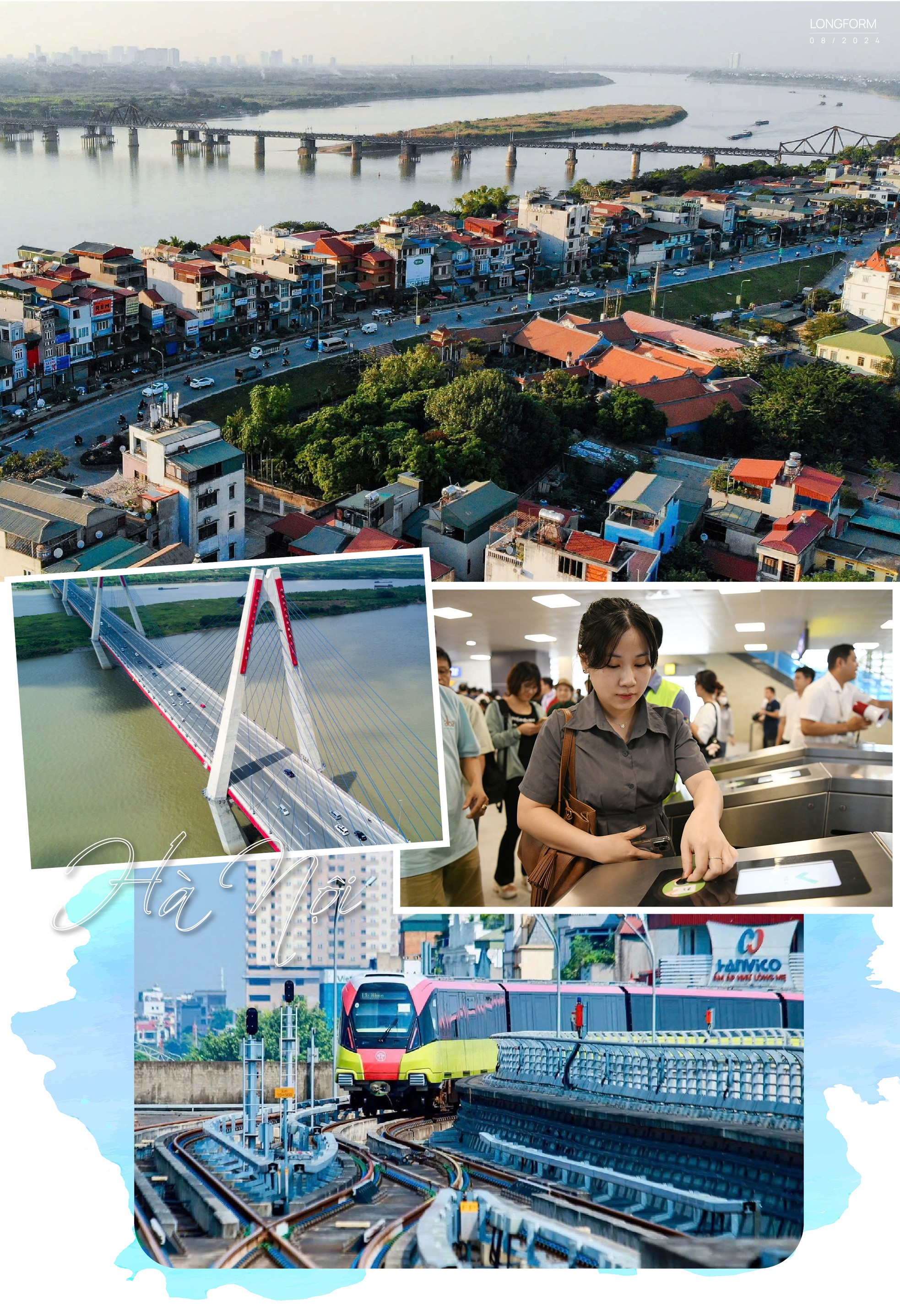
Hanoi plays a pioneering role, being one of the localities that prioritizes cultural development, even placing it above other fields. This is also why the latest urban planning of the capital city has designated the Red River as the central axis and expanded development to both banks. This is considered a major cultural renaissance of Hanoi in the early 21st century.
 |
These changes are not only reflected in awareness, ideology, policies, and strategies, but also in concrete and clear actions. I hope that with the achievements we have today, Hanoi has a solid foundation to realize its goal of building a cultured, civilized, and modern capital city.
 |
Previously, we saw that Hanoi had many cumbersome and overlapping procedures. However, recently, we have seen Hanoi's clear determination. Recently, Hanoi passed the amended Capital City Law and is about to announce the Capital City master plan.
In particular, the amended Capital City Law emphasizes the role of culture, and the Hanoi Capital City planning also takes culture as its foundation, developing the capital city on the basis of its culture and cultural heritage. We also clearly see that all sectors have not only undergone a transformation in awareness but also in concrete actions. With such determination and effort, the goal of becoming a leading locality can be realized.
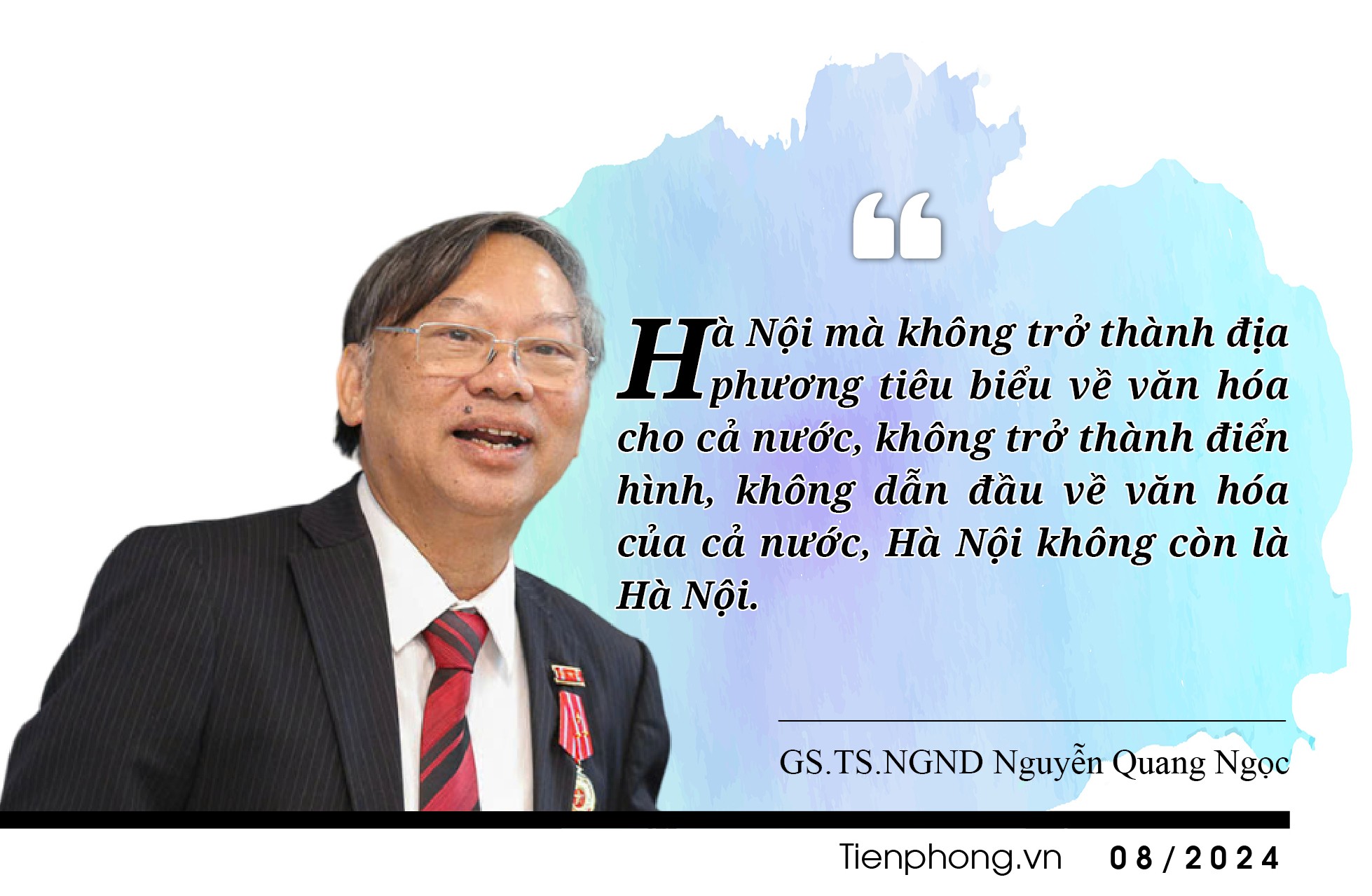
However, whether or not these goals can be achieved depends on the self-awareness of the leaders and the entire population. If the leadership only talks but does not act, those policies will become a threat.
In fact, Hanoi is demonstrating a very high level of determination in placing culture at the forefront. The biggest change is that culture is becoming a key economic sector of Hanoi.
 |
Source: https://tienphong.vn/de-cong-nghiep-van-hoa-thu-do-cat-canh-bai-cuoi-tien-phong-quyet-tam-dua-van-hoa-len-hang-dau-post1662931.tpo























































Comment (0)