

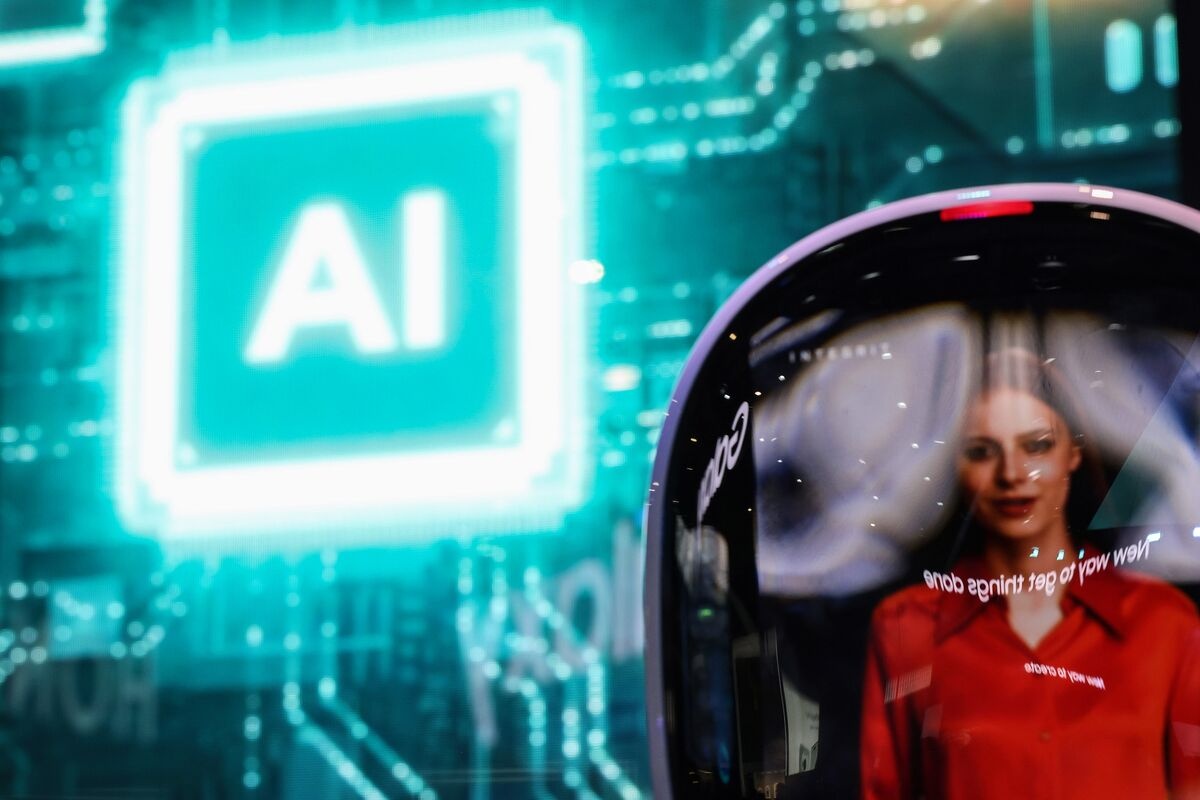
With artificial intelligence (AI) becoming a global investment focus, major technology companies like Meta, Google, OpenAI, and Microsoft are entering a fierce race to recruit top researchers. Beyond competing on technology, they are also willing to offer compensation packages worth hundreds of millions of dollars – salaries typically only seen in professional sports .
One of the most notable recent deals is Meta CEO Mark Zuckerberg personally negotiating with 24-year-old AI researcher Matt Deitke to invite him to join their "superintelligence" development project. The developments in these negotiations, along with the broader picture of the AI talent recruitment market, are showing how Silicon Valley is increasingly resembling the NBA player transfer market.
Not long after, in late July, Mira Murati, former CTO of OpenAI, reportedly rejected a $1 billion offer to work at Meta. In early August, Andrew Tulloch, co-founder of the AI startup Thinking Machines Lab, surprised everyone by rejecting a direct offer from Meta CEO Mark Zuckerberg totaling $1.5 billion over six years.
NBA superstar salary package
According to the New York Times , CEO Mark Zuckerberg wants Matt Deitke, co-founder of an AI startup, to join Meta's team developing "superintelligence," a technology poised to surpass human intelligence. To persuade Deitke, the social media giant offered a compensation package worth approximately $125 million in cash and stock over four years.
However, according to two sources familiar with the negotiations, the offer was not attractive enough for Deitke. He declined and chose to continue developing his startup. CEO Mark Zuckerberg then personally met with Deitke to discuss further. As a result, Meta increased its offer to approximately $250 million , with up to $100 million potentially paid out in the first year.
 |
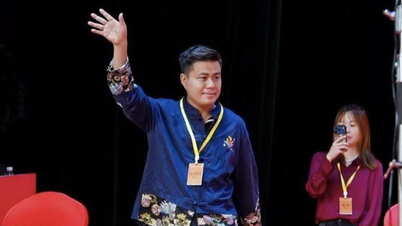
Matt Deitke was attracted by Meta's lucrative salary package. Photo: Matt Deitke . |
Before accepting the new offer, Deitke consulted with friends and colleagues. After much discussion, some advised him to accept. Ultimately, Deitke accepted Meta's offer. This event was considered a high-profile transfer in professional sports.
The battle for AI talent in Silicon Valley is becoming increasingly fierce. Young researchers are being sought after like NBA stars, with lucrative compensation packages worth hundreds of millions of dollars over several years. Tech companies are not hesitating to spend heavily to attract talent, in a context where there are no salary caps like in sports.
Meta, Google, Microsoft, and OpenAI are now directly involved in the “AI trade war.” They post job openings on social media with graphics simulating sports deals. Some programs, like TBPN, even create content similar to ESPN to report on headhunting in the tech industry.
Superstar recruitment model
Jordi Hays, co-host of TBPN, noted that the public is increasingly interested in the technology industry, much like they used to follow sports. Hiring, personalities, and financial deals have become hot topics this year. Zuckerberg also affirmed that Meta will continue to invest heavily in AI, believing that "superintelligence" can improve entire jobs and usher in a new era of empowering individuals.
A Meta spokesperson declined to comment on the matter. Deitke also did not provide an official response. However, the negotiations highlighted the fact that the AI recruitment market has long resembled professional sports. Since 2012, following a groundbreaking study at the University of Toronto, three AI scientists valued themselves and were acquired by Google for $44 million .
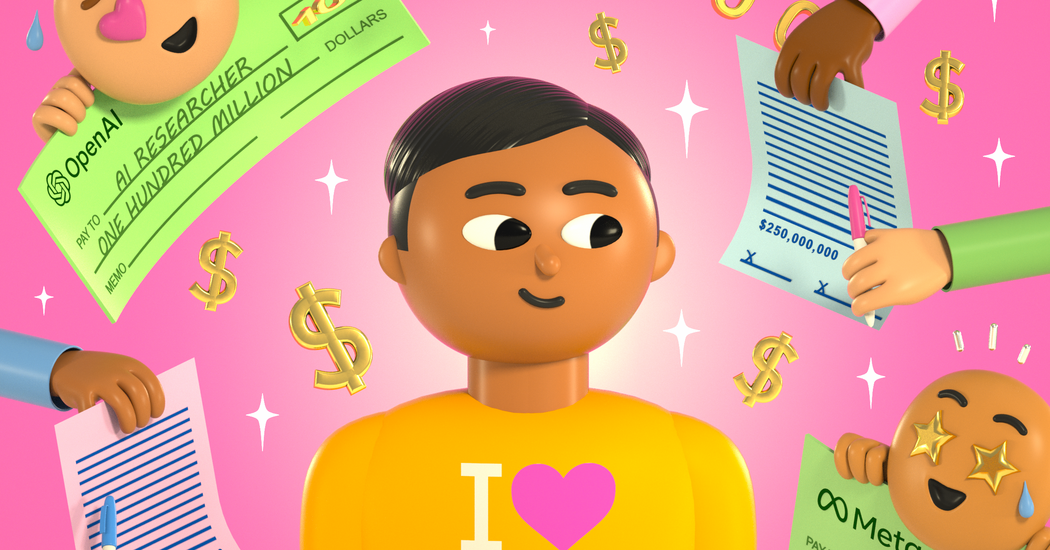 |
The race to recruit AI experts is being compared to the transfer of NBA superstars. Photo: New York Times . |
The race for AI talent exploded from then on. By 2014, Microsoft's research director estimated that the cost of hiring the world's top machine learning experts was nearly equivalent to that of a top NFL quarterback. This comparison became even more plausible when OpenAI launched ChatGPT in 2022, causing a surge in demand for AI professionals globally.
The AI industry differs from traditional software development in that machine learning systems require enormous amounts of data and computing power. Very few people have experience with the most advanced models. This makes individuals like Deitke rare and highly valuable. Therefore, companies are willing to pay millions to hundreds of millions of dollars annually for this technological advantage.
Zuckerberg, who was facing challenges in advancing AI at Meta, proactively sent personal messages to top researchers. He approached them with seemingly impossible offers if they could help Meta increase revenue by even just 1%. For a company nearing a market capitalization of $2 trillion , such an investment was considered reasonable.
A systematic strategy
According to three sources familiar with the recruitment process, Meta's offers for AI engineers range from tens to hundreds of millions of dollars. Besides cash, Facebook's parent company also provides access to tens of thousands of GPUs, computing resources considered essential for large-scale AI research. Some candidates are promised up to 30,000 GPUs to develop their personal projects.
Zuckerberg also uses an internal document called a "list," which includes top AI researchers who meet three criteria: a PhD in a related field, experience at leading laboratories, and a track record of contributions to AI research. The Wall Street Journal previously reported on this list, highlighting the systematic nature of Meta's talent recruitment strategy.
 |
Meta continues to focus all its efforts on developing AI superintelligence. Photo: Bloomberg . |
Some researchers on the "list" have created private chat groups on Slack and Discord to discuss job offers. They share contract information, strategies for increasing bargaining power, and receive feedback from colleagues. AI is a highly collaborative field, where researchers often know each other beforehand.
Collaboration is just as important as salary. After joining a new company, AI researchers often try to bring former teammates onto the same project. This helps improve work efficiency and maintain a familiar research environment. In a highly competitive environment, retaining a cohesive team is becoming an increasingly important priority.
However, not all of Meta's proposals were successful. Some researchers rejected them because they didn't trust Zuckerberg's vision for AI. Nevertheless, Deitke's case shows a new wave where young, lesser-known individuals can also achieve high levels of power through talent and timing.
Source: https://znews.vn/trao-luu-tuyen-dung-sieu-sao-ai-bung-no-post1574292.html




![[Photo] Trial run of the election process at polling stations in Dong Da ward (Hanoi)](https://vphoto.vietnam.vn/thumb/1200x675/vietnam/resource/IMAGE/2026/03/12/1773306146728_ndo_br_van-hanh-thu-to-bau-cu-4070-755-jpg.webp)
![[Photo] Hanoi is ready for the "National Festival"](https://vphoto.vietnam.vn/thumb/1200x675/vietnam/resource/IMAGE/2026/03/12/1773305846167_ndo_br_z7612336508628-14627dc7d18cc27532ffea5d4089713b-4105-jpg.webp)

































































Comment (0)