

Walking along the sprawling plantations, I found my way to a fairly large and spacious civet coffee production facility. Upon entering the farm, my sense of smell was immediately captivated by the rich, lingering aroma, stimulating my curiosity and easily detecting the fragrant scent of coffee.
I had the opportunity to chat with and listen to a seasoned professional who enthusiastically shared and answered my questions about the elaborate process of producing civet coffee. From carefully harvesting and selecting high-quality coffee beans; then feeding and raising them naturally in optimal growing conditions; to processing their droppings, collecting, cleaning, processing, and drying them. Each stage must be carried out meticulously, safely, and scientifically to ensure the quality of the final product.
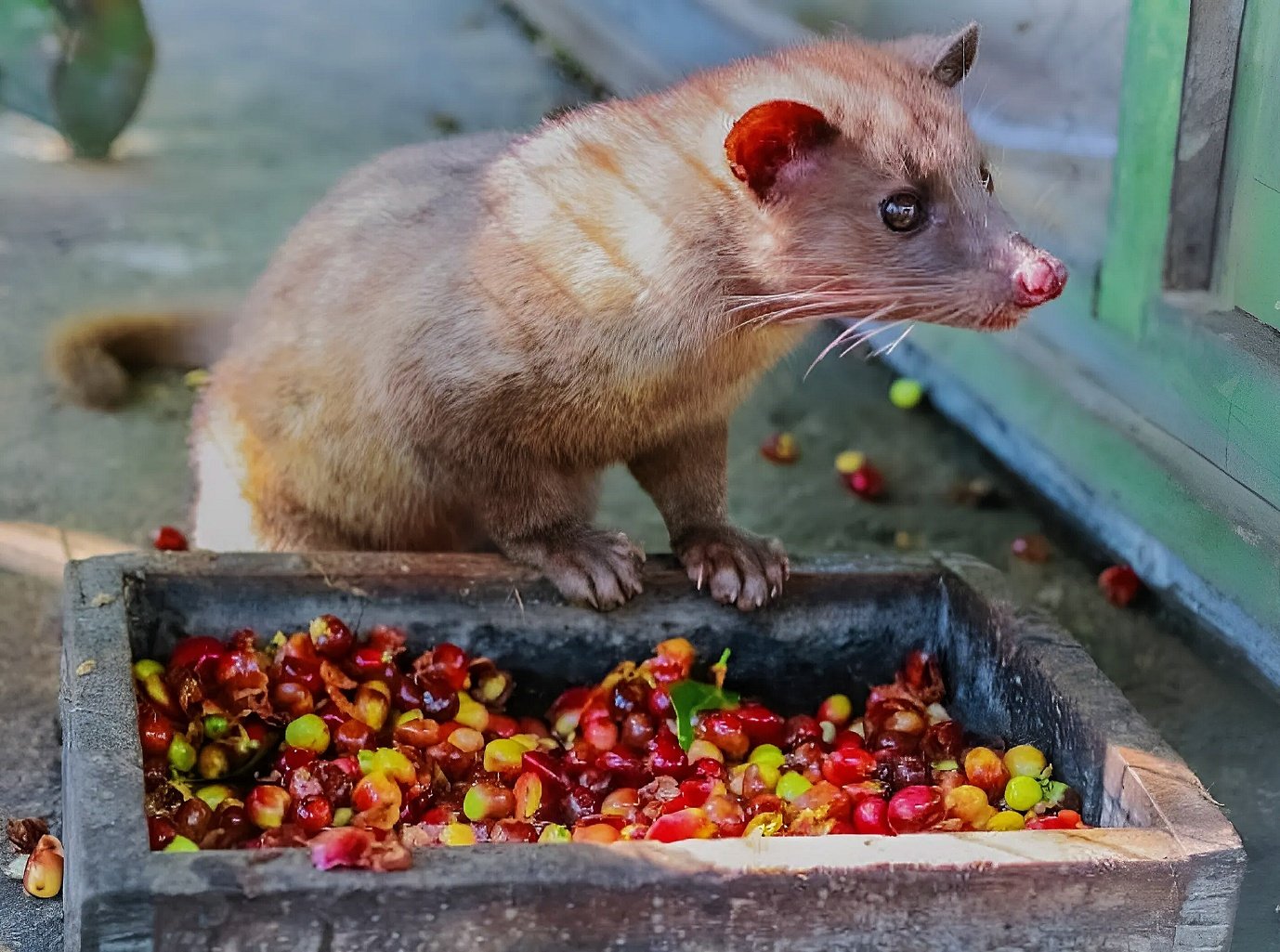
The civets are fed high-quality coffee beans.
What surprised me was that when civets eat coffee beans, they undergo natural fermentation. The digestive system of these animals contains enzymes that act on and transform the coffee beans (making them softer and less bitter), creating a highly prized version of coffee with a refined and distinctive flavor that is unique and different.
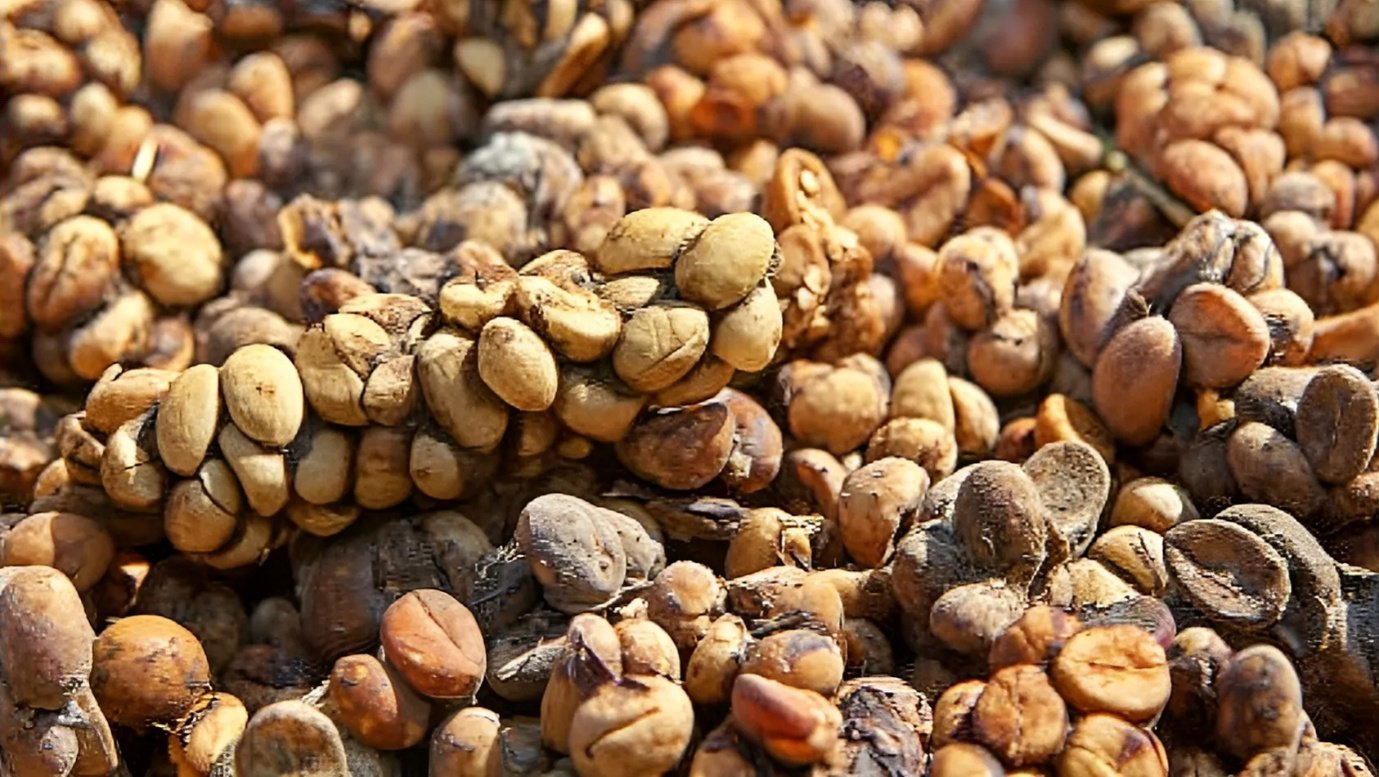
These coffee beans undergo a natural fermentation process in the civet's stomach.
Offered a taste, each exquisite drop of coffee awakened my senses, evoking a feeling of alertness and invigorating the soul. I savored it, appreciating the sweet flavor blended with a hint of acidity and subtle bitterness, leaving a smooth, lingering aftertaste.

A delicious cup of civet coffee awakens all the senses.
It's no exaggeration to say that civet coffee truly deserves its reputation as an icon in Vietnamese coffee culture.
(Entry for the "Impressions on Vietnamese Coffee and Tea" contest, part of the "Celebrating Vietnamese Coffee and Tea" program, 2nd edition, 2024, organized by Nguoi Lao Dong Newspaper).
Graphics: CHI PHAN
Source

![[Photo] Prime Minister Pham Minh Chinh presides over a meeting on private sector economic development.](/_next/image?url=https%3A%2F%2Fvphoto.vietnam.vn%2Fthumb%2F1200x675%2Fvietnam%2Fresource%2FIMAGE%2F2025%2F12%2F20%2F1766237501876_thiet-ke-chua-co-ten-40-png.webp&w=3840&q=75)


![[Photo] Prime Minister Pham Minh Chinh presides over the conference announcing the establishment of the International Finance Centre in Vietnam.](/_next/image?url=https%3A%2F%2Fvphoto.vietnam.vn%2Fthumb%2F1200x675%2Fvietnam%2Fresource%2FIMAGE%2F2025%2F12%2F21%2F1766309817714_ndo_br_dsc-3400-jpg.webp&w=3840&q=75)























































Comment (0)