

The New Rural Development Program has brought about significant transformations to many localities, especially ethnic minority areas. This is a driving force for socio -economic development in Dak Lak province.
Agricultural mechanization has been intensified.
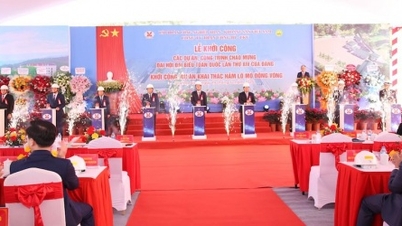
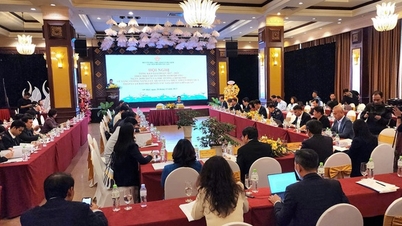
On the morning of October 25th, Dak Lak province held the 4th Congress of Ethnic Minority Representatives of Dak Lak Province, 2024.
According to the report of the Congress Steering Committee, in recent years, Dak Lak province has always received attention from the Party and the State. With the leadership of the Provincial Party Committee, the Standing Committee of the Provincial Party Committee, and Party committees at all levels, and the management and administration of the government at all levels, the province's socio-economic situation has gradually stabilized and developed. Infrastructure has received significant investment and has seen many noticeable improvements, and the material and spiritual lives of ethnic minority people have continuously improved.
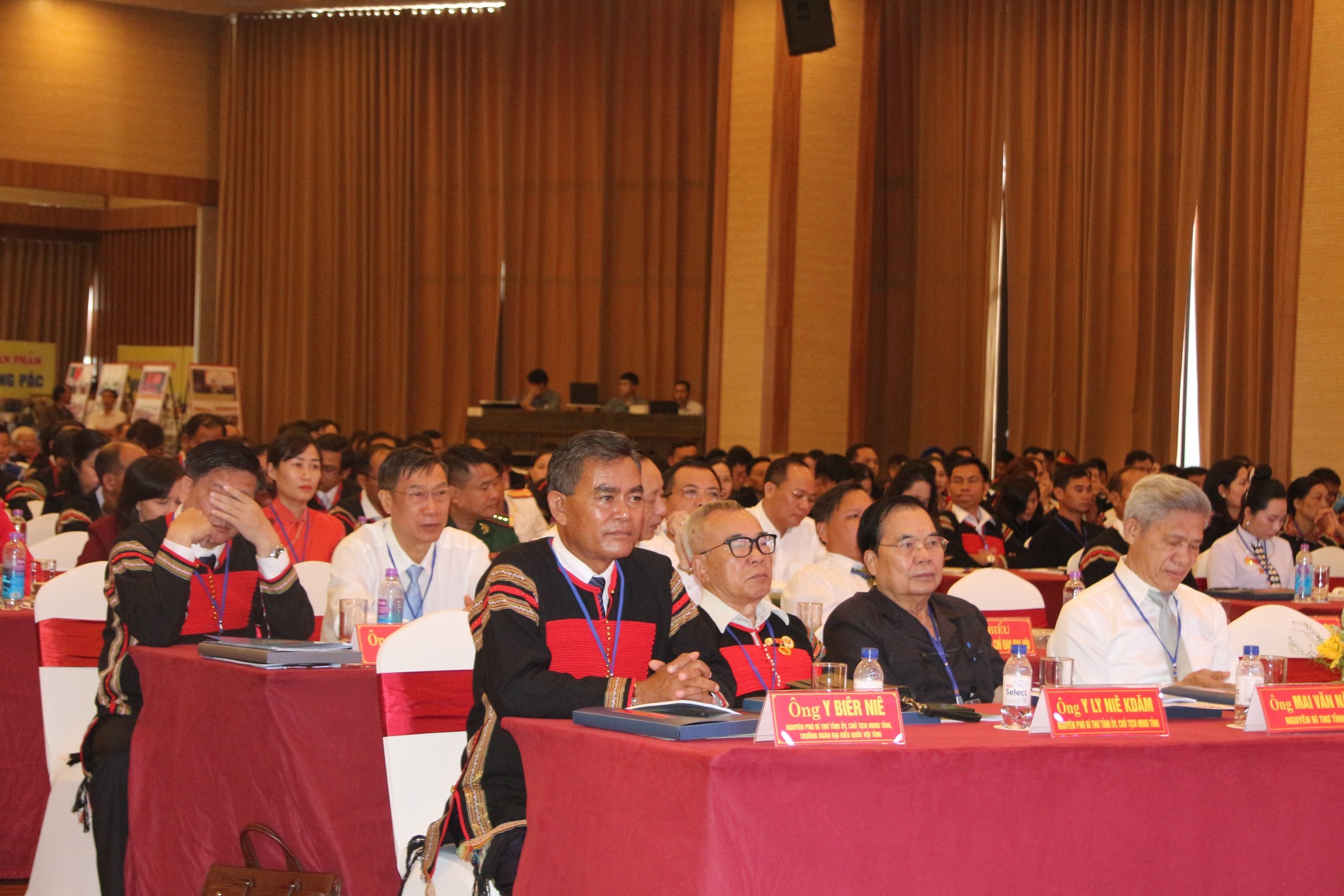
The 4th Congress of Ethnic Minority Representatives of Dak Lak Province, 2024.
During the 2019-2020 period, the province provided housing land to 107 households with an area of over 5 hectares; provided production land to 468 households with an area of over 194 hectares; and provided 2,335 500-liter plastic water tanks to households in the districts of Lak, Buon Don, Ea Sup, Krong Bong, and Krong Pak.
Initially, this involves establishing large-scale, concentrated raw material areas linked to preliminary processing and manufacturing facilities; innovating and developing appropriate and efficient forms of production organization; and promoting production linkages along the value chain with certification. The quantity and proportion of chemical fertilizer use will decrease, while organic fertilizer use will increase accordingly.
Attracting business investment into agriculture and rural areas has seen many positive changes; the application of scientific and technological advancements and advanced production processes, especially high-tech agriculture and agricultural mechanization, has been strengthened. Several high-tech and organic agricultural zones have been established in the province, with investments totaling hundreds of billions of VND.
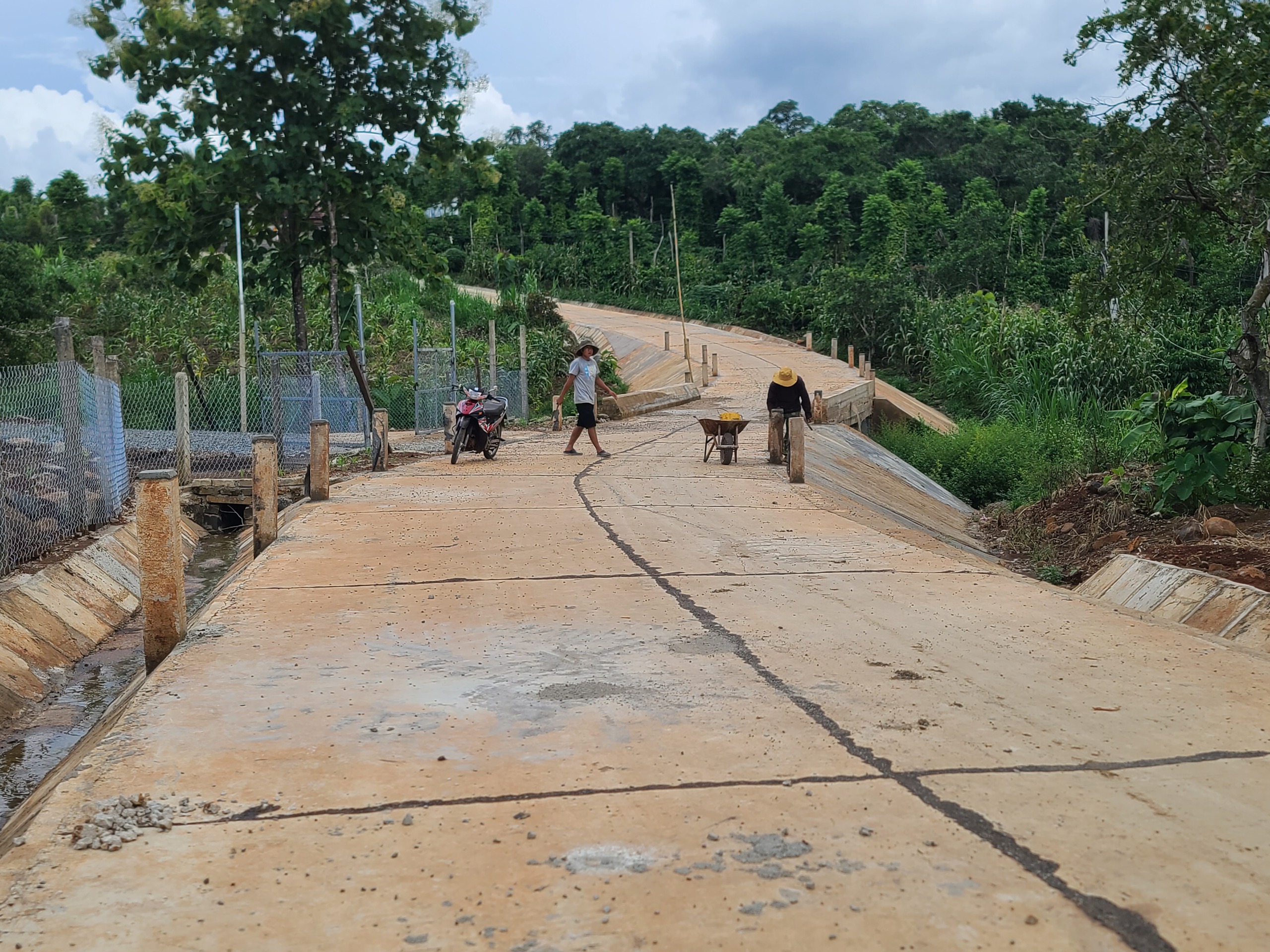
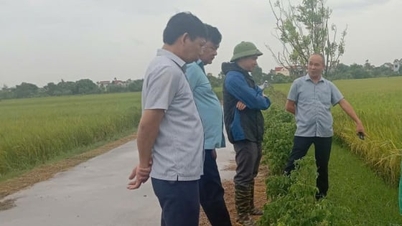
Many new rural roads in localities throughout Dak Lak province have been built to a high standard.
In the province, there are approximately 176 agricultural cooperatives that have production and product consumption linkages with businesses; about 34 businesses and 276 farms and family farms participate in linkages with businesses; promoting the development of 8 rural industries in the province with a total of 13,969 establishments and 36,813 workers participating...
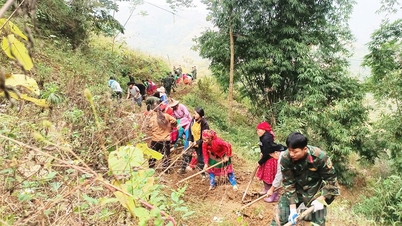
The New Rural Development program is helping remote villages undergo a dramatic transformation.
Implementing Sub-project 1 of Project 4 of National Target Program 1719, Dak Lak province has allocated over 1,340 billion VND to invest in and construct 157 essential infrastructure projects serving production and daily life, and to maintain and repair 174 projects in ethnic minority and mountainous areas, integrating with the two National Target Programs on building new rural areas and sustainable poverty reduction.
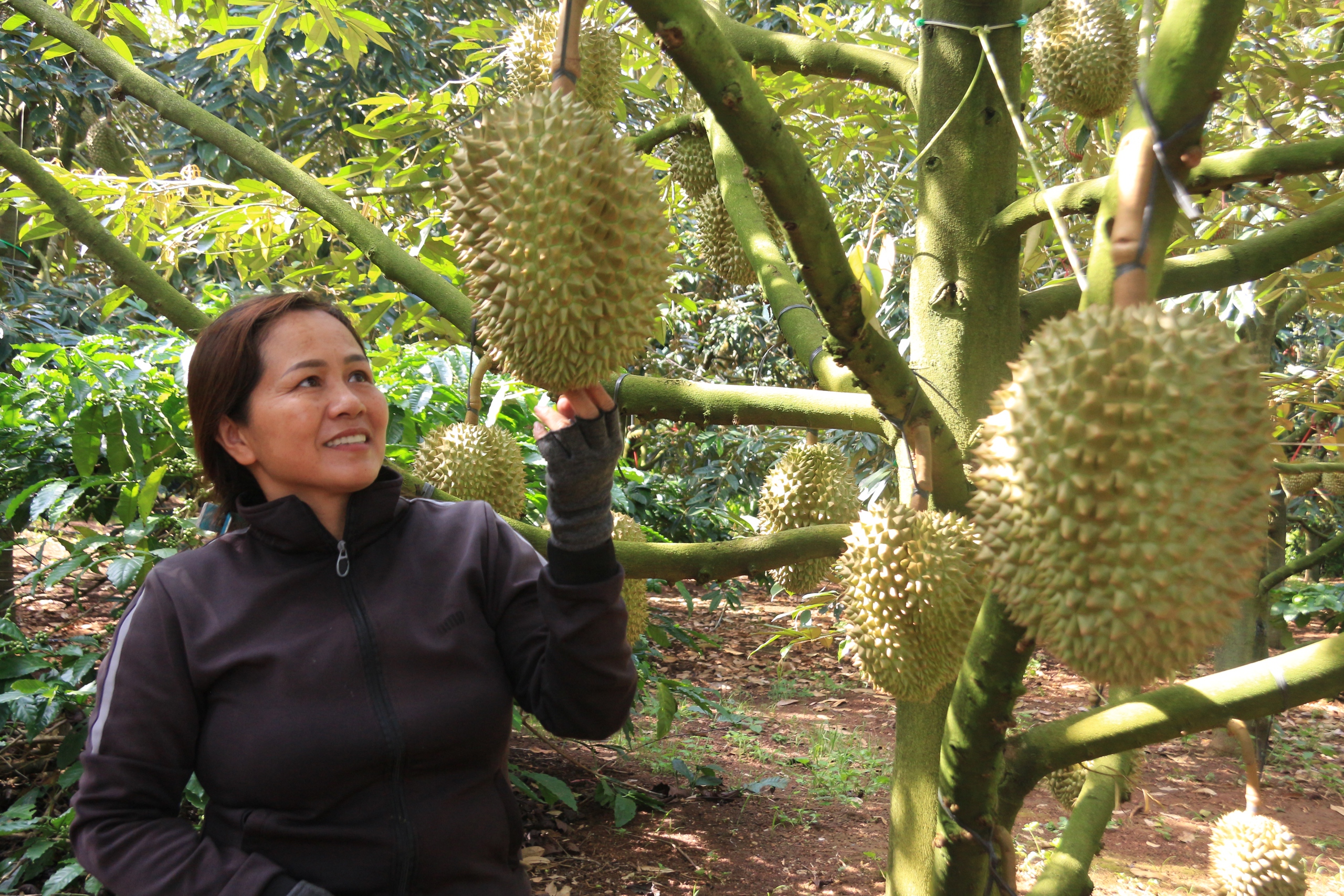
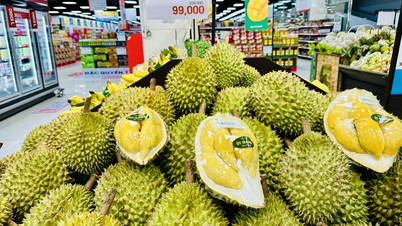
Many specialized durian-growing areas have been established in Dak Lak province.
To date, 74.96% of commune roads have been asphalted or concreted; 65.97% of village and hamlet roads and inter-village roads have been hardened; and 58.9% of alleyways are clean and ensure convenient year-round travel.
The entire province has 78 communes that have met all 19 criteria for new rural areas, achieving 79% of the plan for the 2021-2025 period. Currently, there are 5 communes that have met all 19 criteria for advanced new rural areas, achieving 25% of the plan...
The achievements of the new rural development program have helped many localities, especially ethnic minority areas, to make increasingly positive changes. For example, Ea M'đroh commune (Cư Mgar district) is located in a remote area with hilly terrain. The commune has 1,818 households with a total of 8,502 people, of which ethnic minorities account for more than 76%.
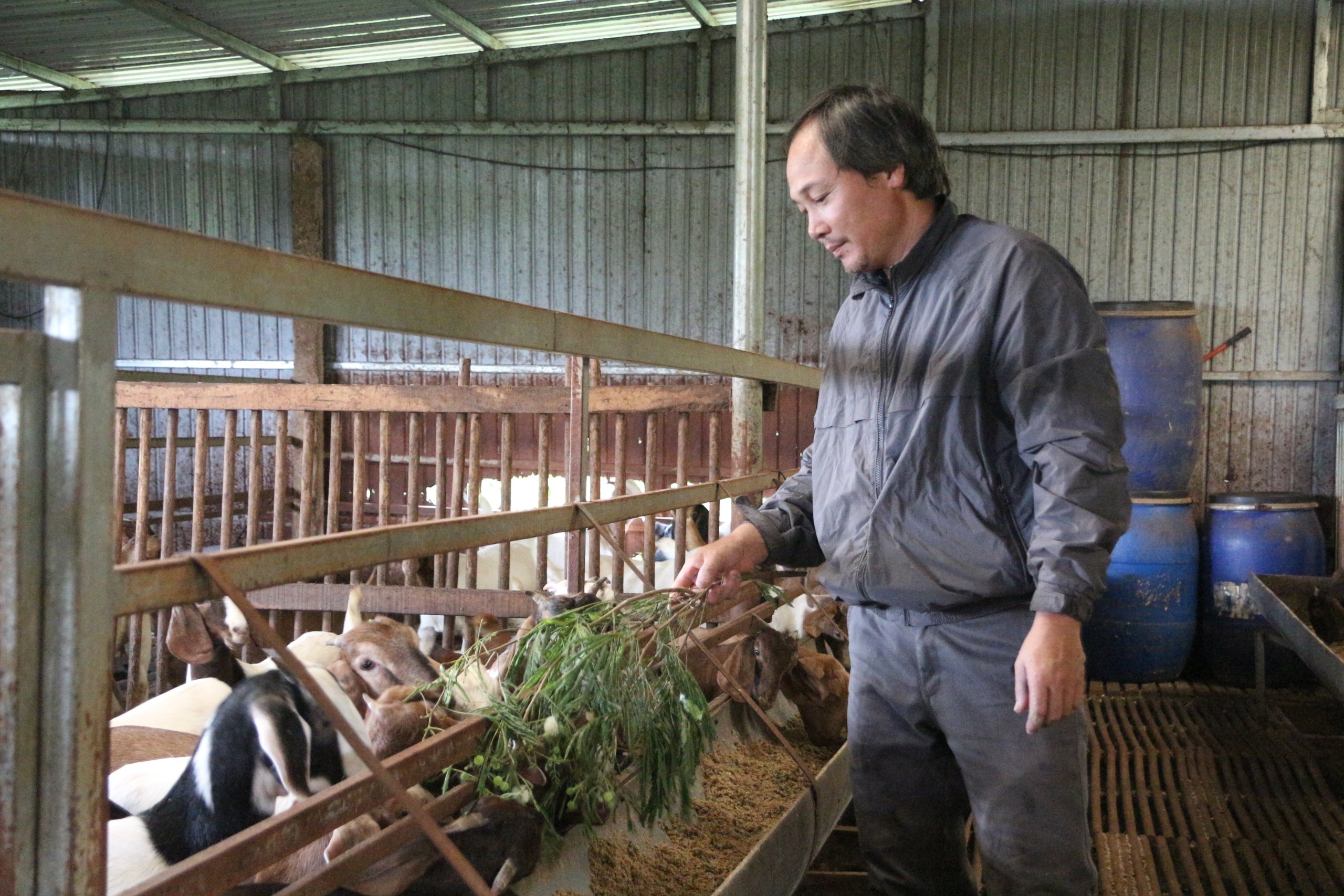
A large-scale goat farm in Ea Kpam commune, Cu Mgar district.
According to Mr. Trieu Sinh Minh, head of Dai Thanh village, Ea M'droh commune, rural roads in the area used to be mostly dirt roads. During the rainy season, these roads became slippery and muddy, making travel extremely difficult for people and vehicles. Selling agricultural products was also a major challenge for local people. Many families traveled 6-7km to transport their produce to other areas, only to find they could sell it at a meager price, just over 3,000 VND/kg for corn.
Road inconveniences also directly affect students' access to education in the area. Many days, children go to school and return home covered in mud from falls. Many children frequently miss school, especially on rainy days.
Today, the narrow, dusty roads of the past have been replaced by concrete roads. The face of the local countryside is increasingly undergoing a transformation.
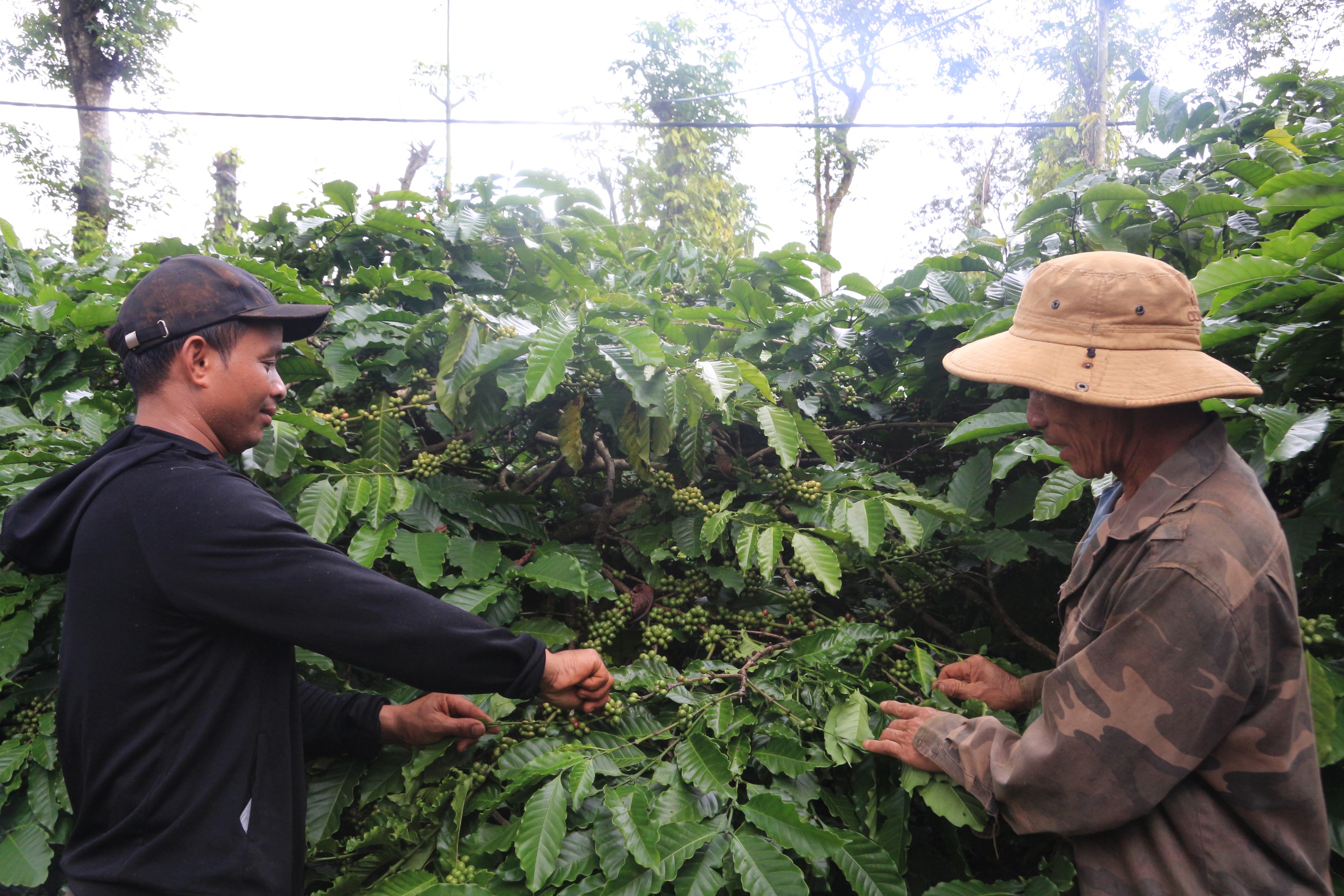
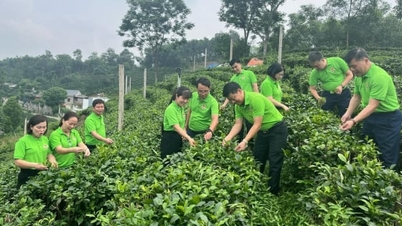
People in ethnic minority areas of Dak Lak province focus on developing key crops.
Mr. Minh explained: "When the new rural roads are paved with concrete, it not only makes travel more convenient for people, but also opens up many new opportunities for local residents. People no longer have to transport agricultural products to other localities to sell as before, but can sell them right in their gardens at higher prices. As a result, the lives of the people are increasingly improving. Being able to travel on these well-paved concrete roads, students in the area are more enthusiastic about going to school every day, competing with each other in their studies, and there is no longer the problem of students skipping school as before."
Source: https://danviet.vn/dai-hoi-db-cac-dan-toc-thieu-so-tinh-dak-lak-diem-sang-tu-chuong-trinh-xay-dung-nong-thon-moi-20241025105654812.htm

![[Photo] Prime Minister Pham Minh Chinh presides over a meeting on private sector economic development.](/_next/image?url=https%3A%2F%2Fvphoto.vietnam.vn%2Fthumb%2F1200x675%2Fvietnam%2Fresource%2FIMAGE%2F2025%2F12%2F20%2F1766237501876_thiet-ke-chua-co-ten-40-png.webp&w=3840&q=75)













































































Comment (0)