

How much protein does the body need each day?
High-protein diets are increasingly popular due to their ability to support weight loss and increase satiety . However, overdoing it with high-protein foods or using too much whey protein can be counterproductive. For optimal results, pay attention to proper protein supplementation and nutritional balance .
Protein requirements vary depending on age, gender, activity level, and health status. Accordingly, common nutritional recommendations are:
- Healthy adults typically need about 0.8 - 1 g of protein per kg of body weight per day.
- Athletes or those looking to build muscle may need around 1.2 - 2 g/kg/day depending on the intensity of their exercise.
- Pregnant women , older adults, or people recovering from illness may need higher amounts of protein.
Consuming excessive amounts of protein beyond your actual needs does not necessarily lead to faster muscle gain or more effective weight loss.
Possible effects of excessive protein intake.
Increased pressure on the kidneys
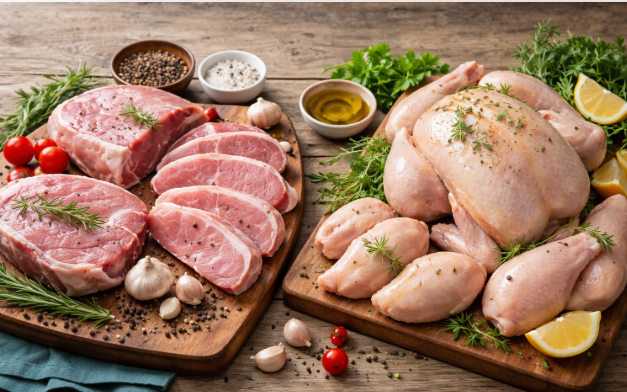
When the body metabolizes protein, the kidneys have to work harder to excrete nitrogen-containing metabolic products through urine. For healthy individuals, a high-protein diet for a short period usually doesn't cause serious problems. However, maintaining excessively high protein intake over a long period can increase the burden on the kidneys, especially in people with underlying kidney disease.
People with chronic kidney disease, hypertension, or diabetes need to be especially cautious with diets that are too high in protein.
It's easy to become nutritionally unbalanced.
Many high-protein diets often involve drastic cuts in carbohydrates and vegetables. This can lead to deficiencies in essential fiber, vitamins, and minerals. A prolonged lack of fiber can easily cause:
- Constipation
- Full stomach
- Digestive disorders
Meanwhile, excessively restricting carbohydrates can lead to fatigue, reduced concentration, and decreased athletic performance.
Increased risk of dehydration
A high-protein diet can cause the body to excrete more water through the kidneys. If not adequately hydrated, people who eat a lot of protein are more likely to experience the following:
- Dry skin
- Tired
- Headache
- Constipation
This is also why many people who adopt a high-protein diet still feel lethargic or their skin becomes less smooth.
May cause weight gain
Protein doesn't directly cause weight gain, but any nutrient consumed in excess of energy needs can lead to the accumulation of excess fat.
Some protein-rich foods like fatty red meat, sausages, processed meats, or fast food also contain high amounts of saturated fat and sodium, easily increasing overall calorie intake.
Effects on the skin
Some people who supplement with whey protein or eat too much animal protein may experience acne breakouts, especially on their face and back. The cause may be related to:
- Changes in IGF-1 hormone
- Lack of green vegetables and antioxidants
Additionally, if your diet lacks vitamins and water, your skin is more likely to become dull and dry.
Increased risk of cardiovascular disease if you choose the wrong protein source.
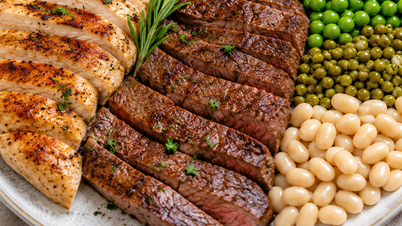
Not all protein sources are created equal. Consuming too much red meat, processed meat, or foods high in saturated fat can increase LDL cholesterol and the risk of cardiovascular disease.

This supplement provides a balanced intake of protein along with other nutrient groups.
Therefore, experts recommend prioritizing protein sources such as:
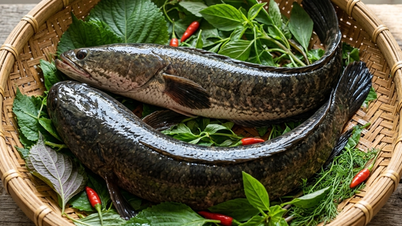
- Fish
- Skinless poultry
- Egg
- Tofu
- Beans
- Low-fat milk
How can we supplement protein properly?
Prioritize natural foods.
Protein from natural foods is often accompanied by vitamins, minerals, and other beneficial nutrients. Adults should diversify their protein sources instead of relying entirely on supplements.
Distribute evenly throughout the day.
Instead of concentrating too much protein in one meal, it's better to distribute it evenly across main meals for more efficient absorption by the body.
Combine green vegetables and starches well.
A balanced diet is still necessary:
- green vegetables
- Fruit
- Whole grains
- Healthy fats
This helps the body maintain energy, supports digestion, and is good for skin health.
Drink enough water.
People who consume a lot of protein need to pay attention to drinking enough water to support kidney function and prevent dehydration. In the following cases, it is advisable to consult a doctor or nutritionist for advice on appropriate protein intake:
- Want to lose weight quickly?
- High-intensity training
- Use whey protein regularly.
- Having liver, kidney, or cardiovascular disease.
Protein plays a crucial role in maintaining health and fitness, but more isn't necessarily better. A balanced, varied diet tailored to your body's needs remains the foundation for long-term health and a healthy appearance.
Readers are invited to watch the video :
Source: https://suckhoedoisong.vn/dieu-gi-xay-ra-khi-bo-sung-protein-qua-nhieu-169260515195932804.htm




































































































Comment (0)