

What blood pressure levels are considered high?
For a healthy body, normal blood pressure is 120/80 mmHg. If systolic blood pressure is > 140 mmHg or diastolic blood pressure is > 90 mmHg, it is considered hypertension.
The severity of hypertension depends on changes in both diastolic and systolic blood pressure readings. When blood pressure is higher than normal, patients may experience symptoms such as dizziness, nausea, headache, and unsteadiness.
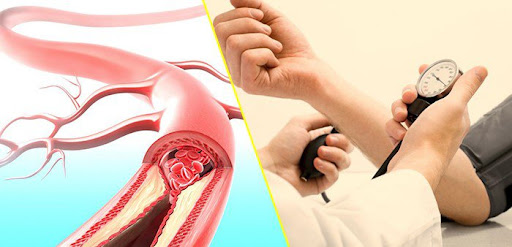
Illustrative image
At what blood pressure level do you need to take medication?
When experiencing symptoms of high blood pressure, patients should visit a reputable medical facility for accurate diagnosis. A specialist will then provide appropriate advice on whether or not medication is necessary.
Regarding the basic knowledge of when to take blood pressure medication, you need to understand the following:
Pre-hypertension stage
Systolic blood pressure is between 130-139 mmHg, and diastolic blood pressure is between 80-89 mmHg. This is the pre-hypertension stage, where patients mainly focus on their health, changing their diet and exercising, monitoring their blood pressure daily, and controlling risk factors. Medication is rarely prescribed in these cases. Medication is only considered when there is a risk of complications.
Phase of taking blood pressure medication and making lifestyle changes.
Systolic blood pressure is >140 mmHg, diastolic blood pressure is >90 mmHg. In this case, in addition to lifestyle changes, the patient will be prescribed blood pressure medication if they have underlying medical conditions.
Patients with no underlying medical conditions or low risk of complications may require less medication. However, regular blood pressure monitoring is still necessary to address any issues promptly if needed.

Illustrative image
The stage where blood pressure medication is mandatory.
For cases where systolic blood pressure is ≥160 mmHg and diastolic blood pressure is ≥100 mmHg, patients must take blood pressure medication as prescribed by a specialist to prevent dangerous complications. At the same time, patients also need to monitor their blood pressure regularly, even after it has returned to normal levels.
What should people with high blood pressure do to stabilize their blood pressure?
Take your medication exactly as prescribed.
Take your medication exactly as prescribed, including the dosage, the time of day to take it, and the duration of the prescription.
Monitor your blood pressure at home.
During treatment, patients need to monitor their blood pressure daily. This helps doctors assess whether the medication is effective. It's best to write down your blood pressure readings to avoid forgetting them.
Maintain a balanced lifestyle.
During treatment, patients should exercise regularly and maintain a healthy diet. Avoid staying up late, refrain from eating fried or salty foods, and avoid sugary drinks and alcoholic beverages. A healthy diet will lead to better results from the medication.
Be aware of the side effects of blood pressure medication.

Illustrative image
During treatment with blood pressure medication, patients may experience some side effects such as: cough, diarrhea, constipation, dizziness, headache, nausea, itchy skin, fatigue, etc.
These reactions usually disappear after taking the medication, so there's no need to worry too much. However, if the condition persists and affects the patient's health and daily life, they should discuss it further with their doctor.
Source


![[Photo] Closing Ceremony of the 15th Conference of the Central Committee of the 13th Party Congress](/_next/image?url=https%3A%2F%2Fvphoto.vietnam.vn%2Fthumb%2F1200x675%2Fvietnam%2Fresource%2FIMAGE%2F2025%2F12%2F23%2F1766462841764_a1-bnd-3731-1647-jpg.webp&w=3840&q=75)































































































Comment (0)