

1. High blood pressure – a health problem that should not be taken lightly.
Content
- 1. High blood pressure – a health problem that should not be taken lightly.
- 2. Some of the best morning drinks for people with high blood pressure.
- 3. Important notes when using drinks to help control blood pressure.
According to the World Health Organization (WHO), hypertension is the leading cause of premature death globally, directly linked to stroke, myocardial infarction, heart failure, and kidney failure. Alarmingly, many people with hypertension have no obvious symptoms and are only diagnosed when complications have already developed.
Besides taking medication as prescribed by your doctor, diet, lifestyle, and small daily habits play a crucial role in controlling blood pressure. Among these, a well-chosen morning beverage can help dilate blood vessels, improve circulation, reduce inflammation, and contribute to safe blood pressure control.
2. Some of the best morning drinks for people with high blood pressure.
2.1. Warm water with lemon: A gentle start for the cardiovascular system.
Drinking a glass of warm water with fresh lemon juice in the morning is a simple habit that offers many benefits to overall health. According to the Mayo Clinic, drinking warm water helps rehydrate the body after a long night, supports blood circulation, and improves digestive function. Lemons are a source of vitamin C and antioxidants, which help protect blood vessel walls from damage caused by free radicals.
Vitamin C has been shown to play a role in improving the elasticity of blood vessels, thereby helping blood flow better and supporting a mild reduction in blood pressure in people at risk of hypertension.
Note: Do not add too much lemon to avoid stomach irritation. People with a history of stomach ulcers should drink it after breakfast. Lemon water is not a substitute for blood pressure medication; it is only a supportive treatment.
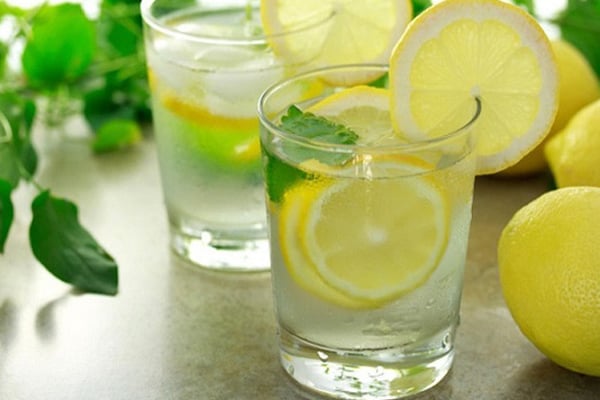
Warm water with lemon is a gentle start for the cardiovascular system.
2.2. Hibiscus tea helps lower blood pressure.
Hibiscus tea (Hibiscus sabdariffa) has long been used in natural medicine in many countries. Drinking hibiscus tea can help lower both systolic and diastolic blood pressure when consumed regularly. The mechanism is believed to be due to the polyphenol and anthocyanin compounds in hibiscus flowers, which have antioxidant effects, dilate blood vessels, and help eliminate sodium – a factor that contributes to high blood pressure.
A major advantage of hibiscus tea is that it's caffeine-free, making it suitable for people sensitive to caffeine or those who need a gentle, non-nerving morning drink.
Note, Avoid drinking overly strong or excessive amounts of alcohol throughout the day. Individuals taking blood pressure medication should consult their doctor to avoid potential interactions.
2.3. Green tea protects blood vessels and helps control blood pressure.
Green tea is a familiar beverage in Asia and is highly regarded in the nutritional recommendations of many health organizations. According to the Mayo Clinic, green tea contains many catechins – a group of powerful antioxidants that help improve vascular endothelial function, increase blood flow, and reduce the risk of cardiovascular disease. Some studies show that regularly drinking green tea may help control blood pressure at more stable levels.
Compared to coffee, green tea contains less caffeine, providing a gentle alertness without causing restlessness or palpitations – factors that can lead to a sudden increase in blood pressure in some people.
Note that you shouldn't drink green tea on a completely empty stomach to avoid stomach upset; you shouldn't drink it too strong or too late in the day.
2.4. Beetroot juice supports natural vasodilation.
Beetroot juice is highly regarded in many medical studies due to its abundant natural nitrate content. Once in the body, nitrates are converted into nitric oxide – a substance that plays a crucial role in dilating blood vessels and improving circulation.
Supplementing nitrates from foods like beets may help lower blood pressure, especially in people with mild to moderate hypertension. Drinking a small glass of beet juice in the morning may help improve circulation, increase oxygen transport efficiency, and support long-term cardiovascular health.
Please note that you should not overuse it; only drink in moderation. Your urine or stool may turn pinkish-red after drinking, which is normal.
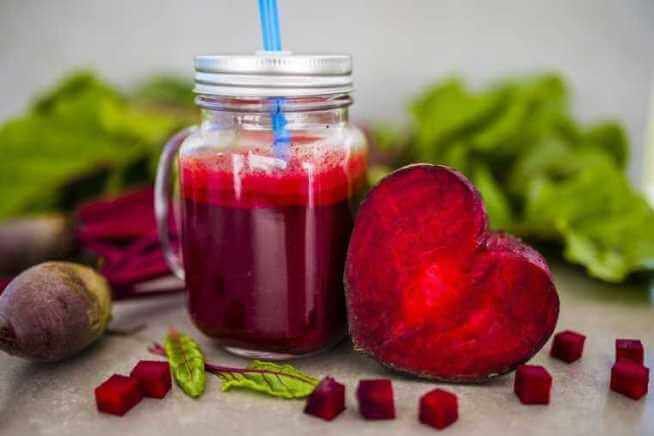
Beetroot juice may help lower blood pressure.
2.5. Pomegranate juice is a powerful antioxidant for the heart.
Pomegranates are rich in potassium, polyphenols, and antioxidants, and their cardiovascular benefits have been recognized by numerous international studies. The compounds in pomegranate juice may help reduce inflammation, improve blood vessel function, and support lower blood pressure when consumed in moderation. A small glass of fresh pomegranate juice in the morning can contribute to relaxing blood vessels and improving blood circulation.
Note that you should only drink small amounts because pomegranate juice contains natural sugars. People with diabetes need to control their intake.
3. Important notes when using drinks to help control blood pressure.
No beverage or food can completely replace medication for high blood pressure. These drinks only offer supportive benefits; their effectiveness depends on a low-salt diet, maintaining a healthy weight, regular exercise, and adherence to medical treatment.
People with high blood pressure should:
- Measure your blood pressure regularly, especially in the morning.
Consult your doctor before making any changes to your diet.
- Do not stop taking medication on your own when you see that your blood pressure is "stable"...
Controlling blood pressure doesn't start with complicated solutions, but with small, correct choices every day. A glass of warm water with lemon, a cup of hibiscus tea, or a glass of beetroot juice in the morning, if used appropriately, can become a "silent ally" for a healthy heart. The most important thing is to understand correctly, do correctly, persevere, and always base all health-related decisions on legitimate medical advice.
Please note that this article is for informational purposes only and does not replace the advice of a medical professional.
Please watch the video for more information:
Source: https://suckhoedoisong.vn/5-do-uong-buoi-sang-tot-nhat-giup-kiem-soat-huyet-ap-bao-ve-trai-tim-169251214152551038.htm

![[Image] Leaked images ahead of the 2025 Community Action Awards gala.](/_next/image?url=https%3A%2F%2Fvphoto.vietnam.vn%2Fthumb%2F1200x675%2Fvietnam%2Fresource%2FIMAGE%2F2025%2F12%2F16%2F1765882828720_ndo_br_thiet-ke-chua-co-ten-45-png.webp&w=3840&q=75)

![[Live] 2025 Community Action Awards Gala](/_next/image?url=https%3A%2F%2Fvphoto.vietnam.vn%2Fthumb%2F1200x675%2Fvietnam%2Fresource%2FIMAGE%2F2025%2F12%2F16%2F1765899631650_ndo_tr_z7334013144784-9f9fe10a6d63584c85aff40f2957c250-jpg.webp&w=3840&q=75)
![[Photo] Prime Minister Pham Minh Chinh receives Lao Minister of Education and Sports Thongsalith Mangnormek](/_next/image?url=https%3A%2F%2Fvphoto.vietnam.vn%2Fthumb%2F1200x675%2Fvietnam%2Fresource%2FIMAGE%2F2025%2F12%2F16%2F1765876834721_dsc-7519-jpg.webp&w=3840&q=75)
![[Photo] Prime Minister Pham Minh Chinh receives the Governor of Tochigi Province (Japan)](/_next/image?url=https%3A%2F%2Fvphoto.vietnam.vn%2Fthumb%2F1200x675%2Fvietnam%2Fresource%2FIMAGE%2F2025%2F12%2F16%2F1765892133176_dsc-8082-6425-jpg.webp&w=3840&q=75)




















































![[Live] Closing Ceremony and Award Presentation for the "Impressive Vietnam Tourism" Video/Clip Creation Contest 2025](https://vphoto.vietnam.vn/thumb/402x226/vietnam/resource/IMAGE/2025/12/17/1765974650260_z7273498850699-00d2fd6b0972cb39494cfa2559bf85ac-1765959338756946072104-627-0-1338-1138-crop-1765959347256801551121.jpeg)

























Comment (0)