

The image of the sandy plains in To Huu's poem "Mother Suot" is deeply ingrained in the minds of generations whenever this region is mentioned. The sand dunes begin at the Nhat Le estuary and stretch endlessly, from Bao Ninh to Hai Ninh—everywhere is sand, golden and scorching hot...
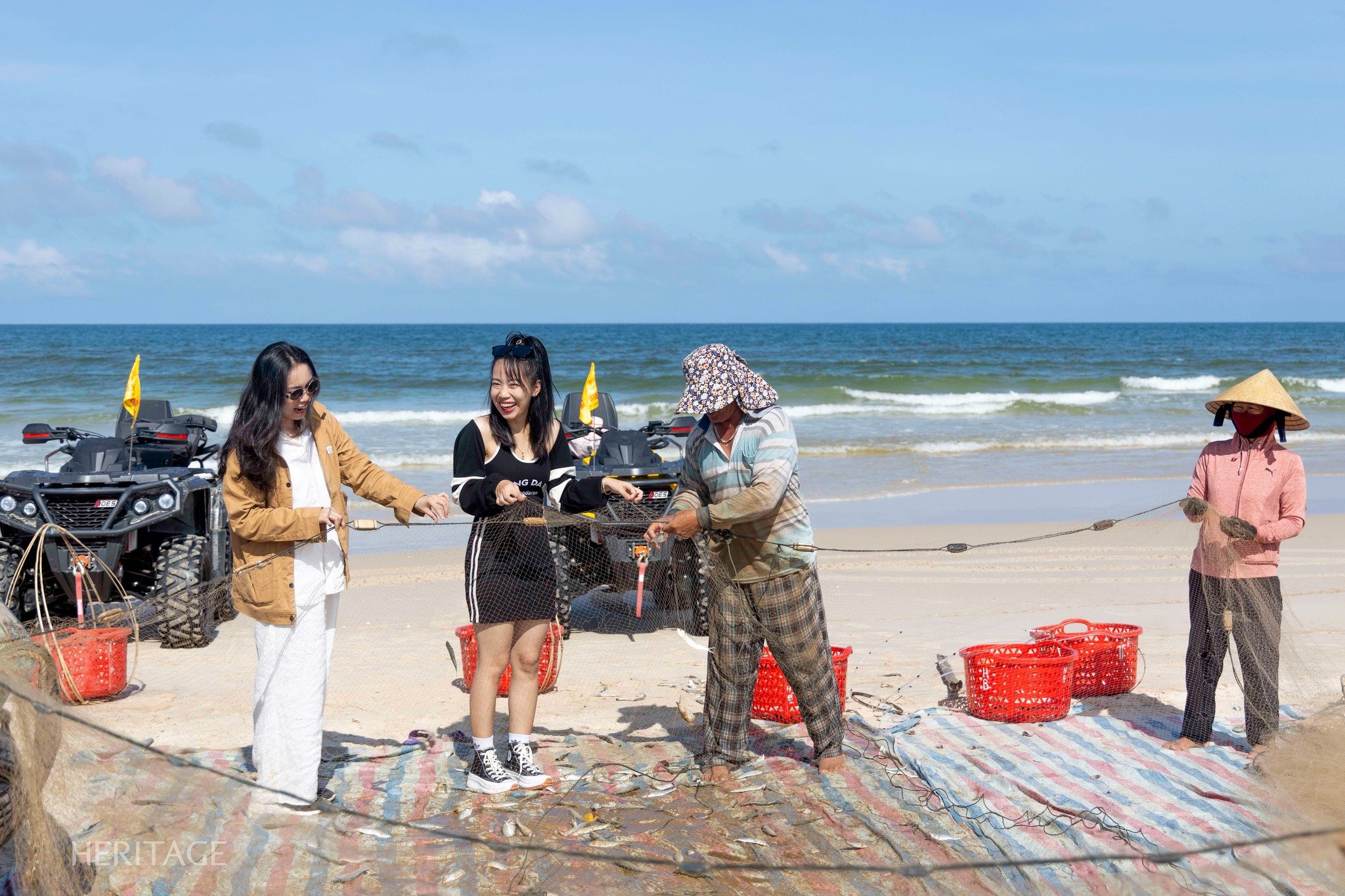 But that was many years ago, and now that sand dune has changed a lot. From Bao Ninh to Hai Ninh today, it's no longer just "golden sand dunes and dusty red hills," but the sandy area has truly transformed.
 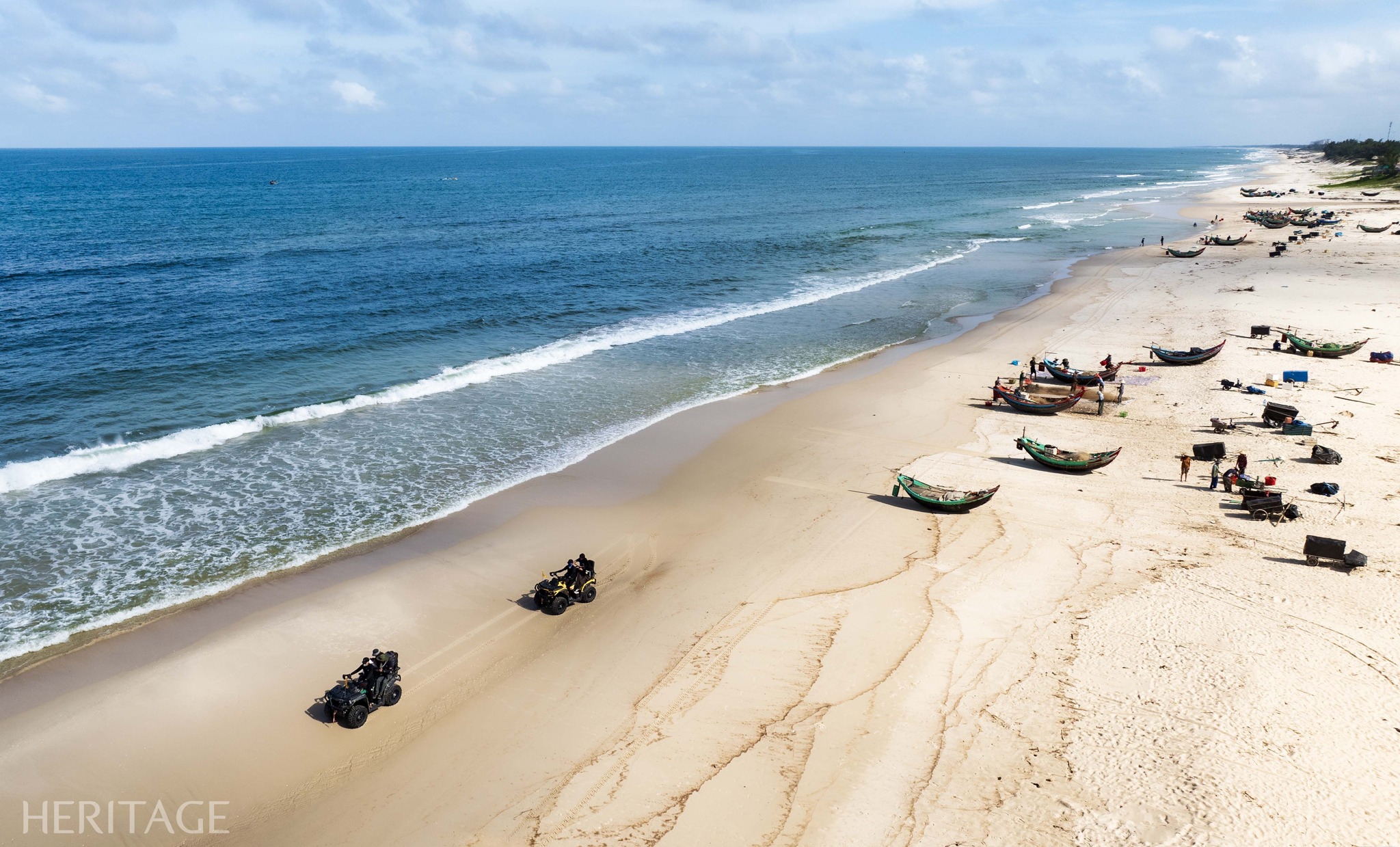 The entire sandy area is vibrant, youthful, and dynamic, with new constructions, spacious houses, bright lights inside and outside, illuminating even boats and the sea...
  Everything is brimming with life, bustling with a positive pace, and people are actively moving forward to keep up with the new life.
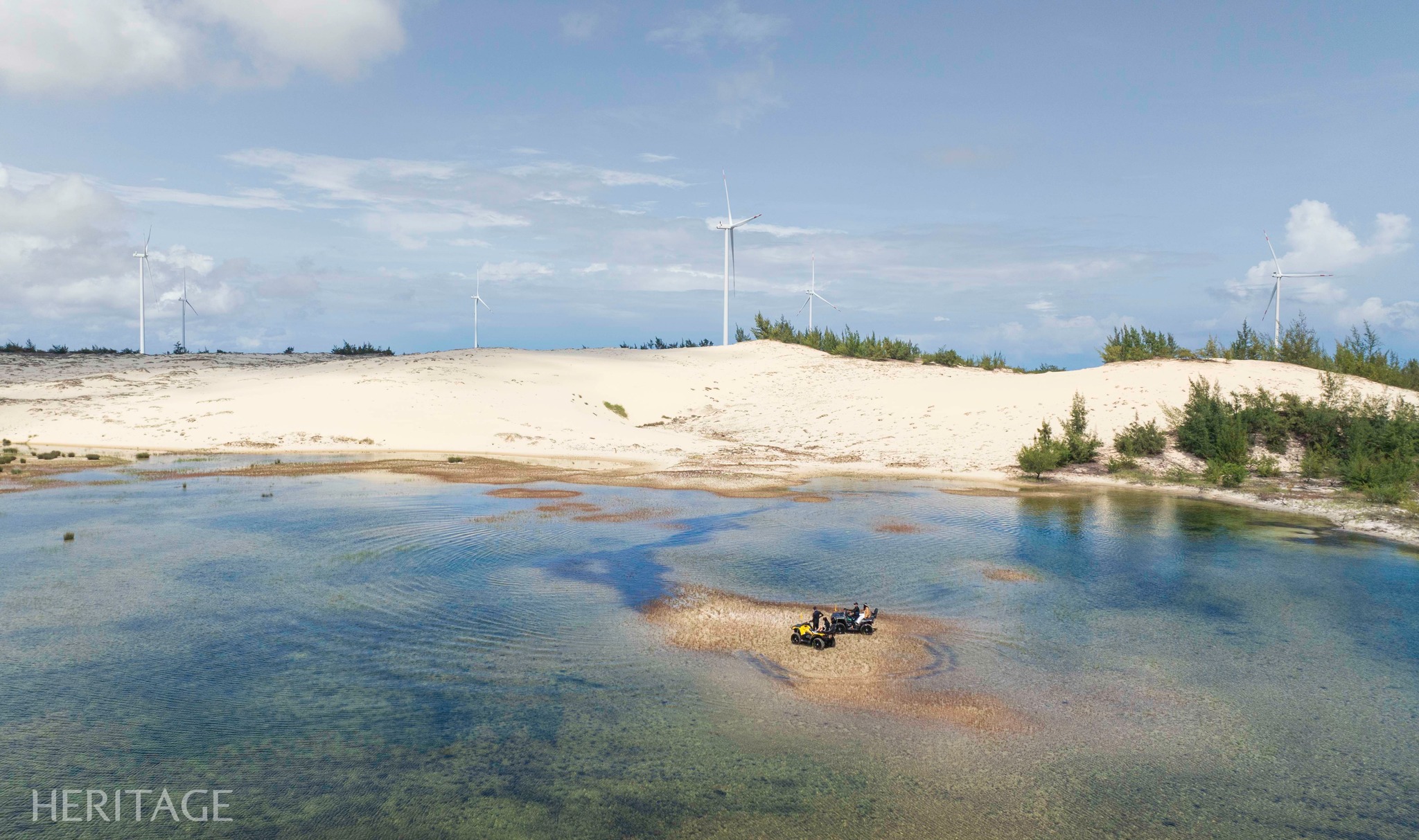
 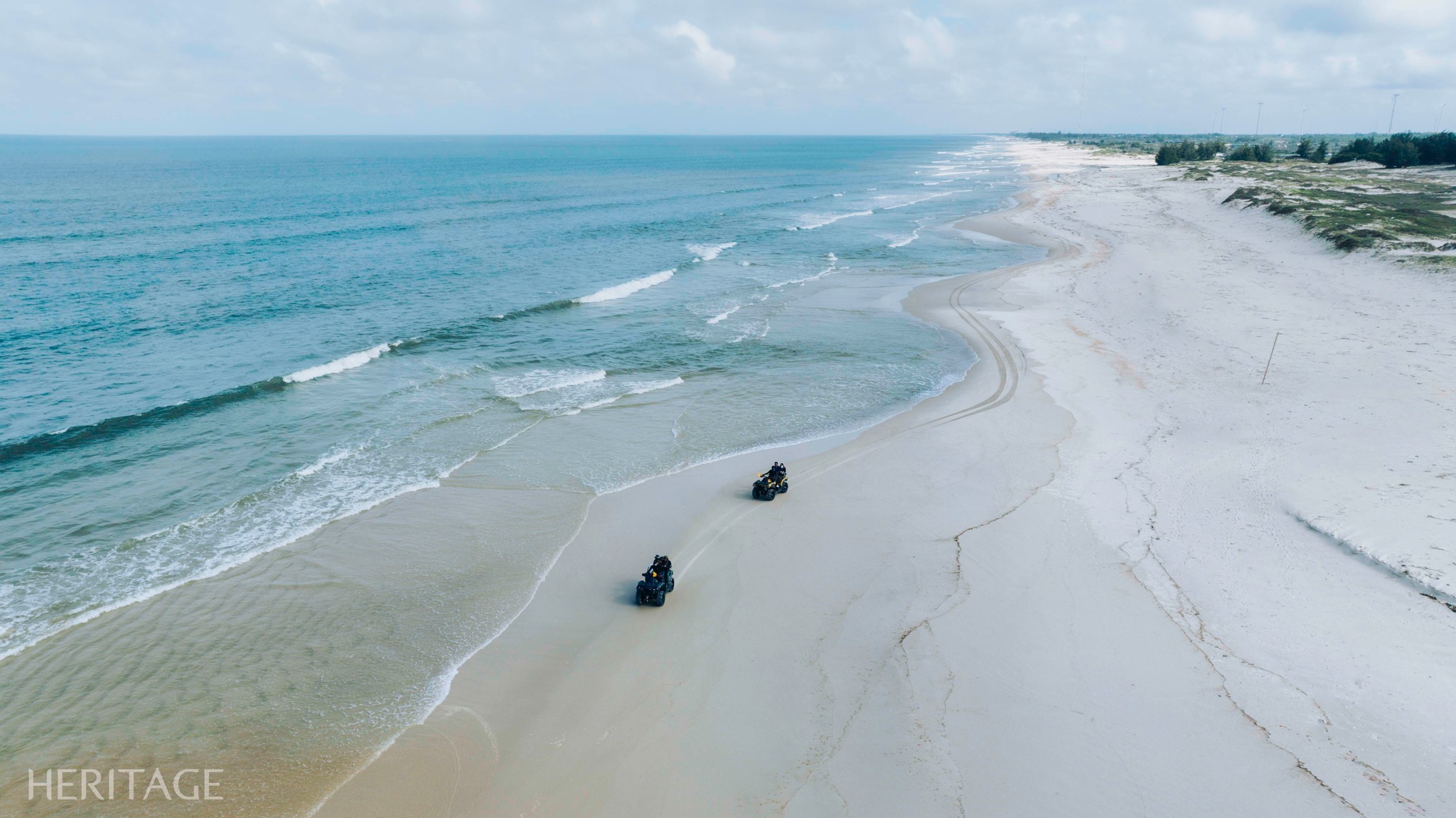 On a beautiful morning, the sun shone like shimmering silver on the sea. My friends and I decided to explore the sandy area in our own unique way using ATVs.
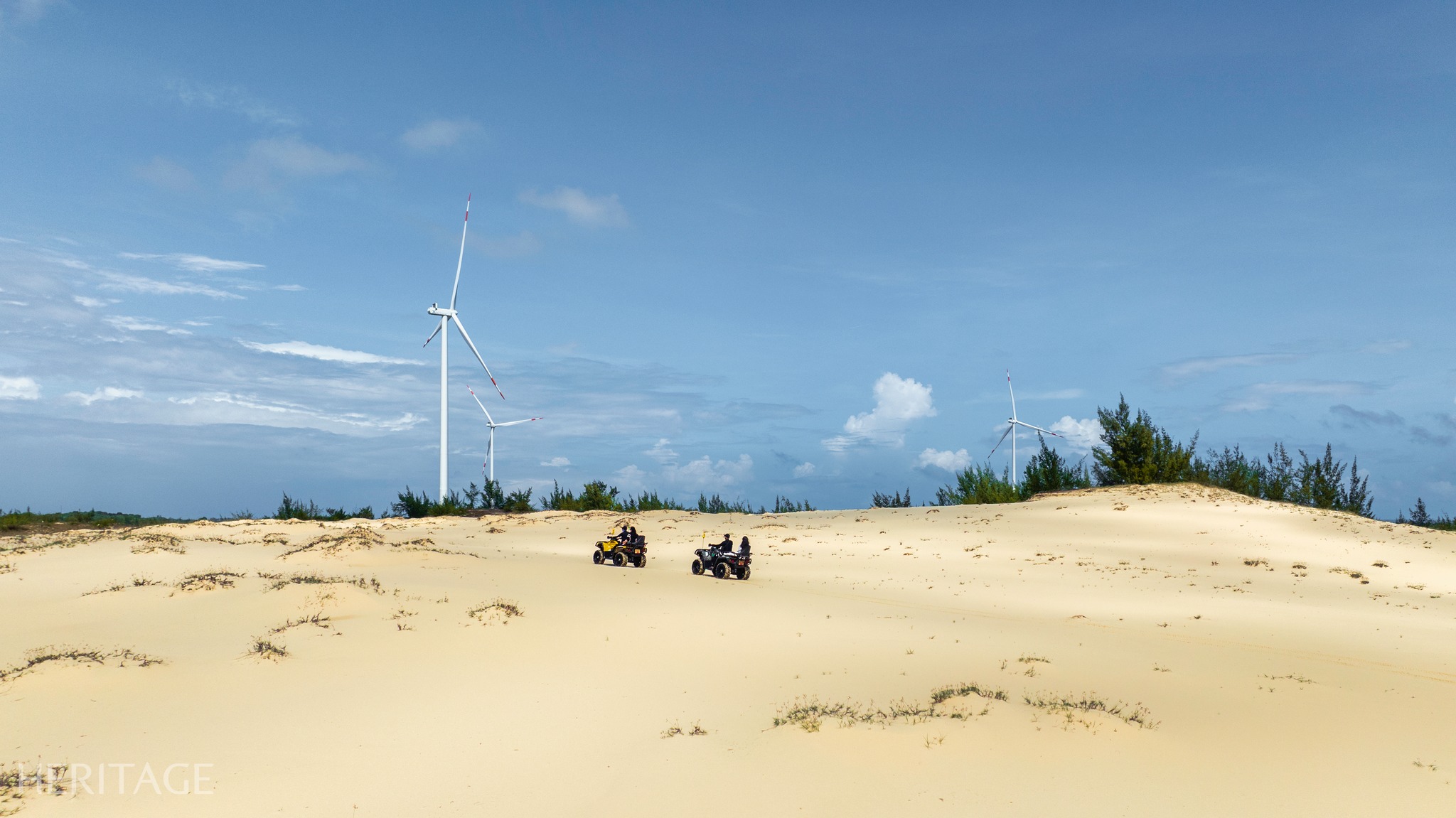
 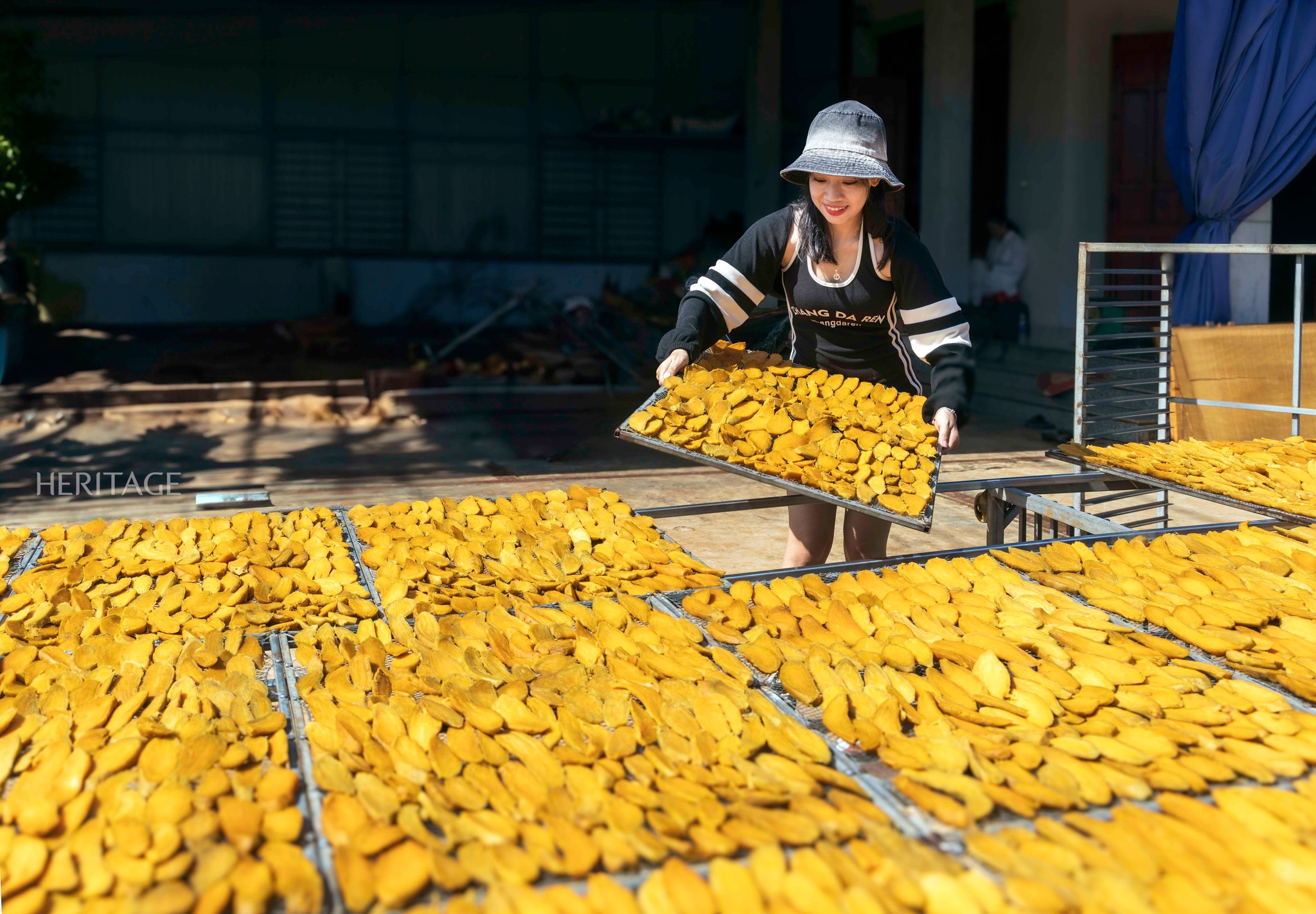 From Bao Ninh beach square, following the thousands of waves, the off-road vehicle took us to Hai Ninh village. The endless sea breeze, carrying the salty scent, ruffled our hair.
  Along the sandy slopes, there's a wild plant, its flowers full of spiny, spiky blossoms; people call them "spiky flowers." With the wind, these flowers roll and twirl as if racing alongside the convoy of vehicles stretching along the sand. Several bewildered crabs, hearing the sound of the engines, hastily dart towards the small holes in the sand. Ancient, gnarled casuarina trees sway in the breeze.
  After driving for more than 30 minutes, small coastal villages began to appear. At the first turn, we followed the concrete road to Hai Ninh village. Originally a poor sandy village, the people had learned to "turn stones and rocks into cassava and rice." When the rainy season came, the villagers competed with each other to dig the sand and plant crops.
  Surprisingly, the cassava and sweet potatoes grown in the sand have a unique, earthy flavor unlike anywhere else. Villagers recount that in the past, sweet potatoes replaced rice, and gourds and pumpkins were the staple foods. Mashed sweet potatoes in a bowl, topped with gourd soup cooked with sea crabs, still taste sweet to this day.
  "January and February, sweet potatoes and gourds" - this proverb reflects the culinary traditions of the sandy village, a historical mark of a time of famine. Today, sweet potatoes from the sandy village have become a rustic specialty, often given as gifts to tourists from near and far. Let's stop at the largest sweet potato processing facility in the village.
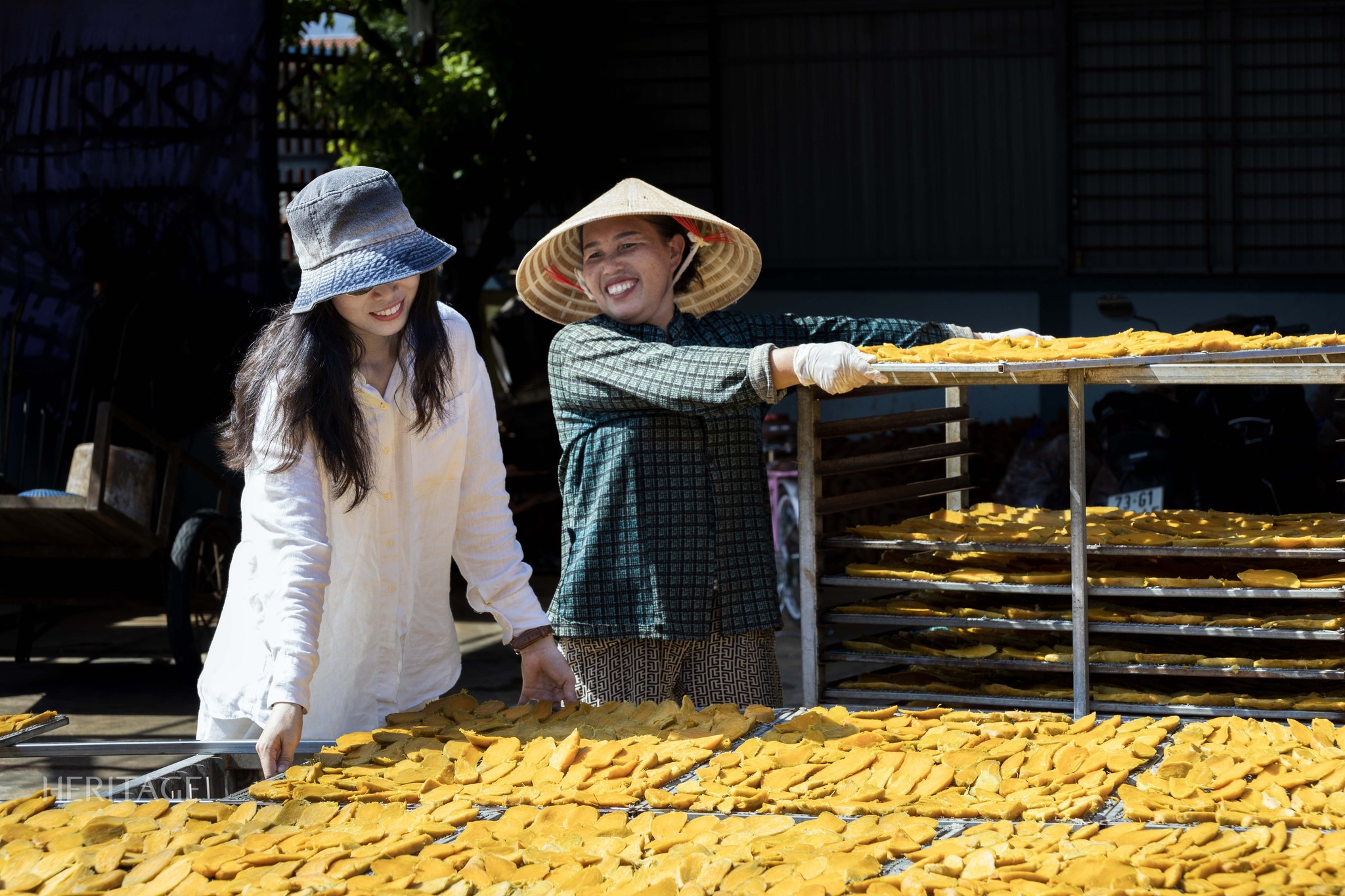
  We were surprised by the bustling atmosphere of the villagers' work. Striking up a conversation, I learned from the simple, honest people about their trade. After harvesting, sweet potatoes must be wrapped in cloth for about 3-5 days to allow the sap to develop before being washed, cooked, peeled, sliced, and sun-dried to ensure they are chewy and sweet.
  It sounds simple, but only by observing can you truly appreciate the deliciousness and hygiene of those sweet potato slices, which are undoubtedly the result of meticulous care and the sweat and hard work of the producers over many months. These chewy sweet potatoes are now packaged attractively and travel with tourists to all corners of the country. To meet market demand, many sweet potato processing facilities in Hai Ninh have invested in drying machines, ensuring processing even during periods without sunshine. Source: https://www.facebook.com/photo/?fbid=766181492289676&set=pcb.766181602289665



























































































Comment (0)