

Located along the Red River, Dong Cuong Temple has long been a sacred spiritual anchor for the ethnic communities of the Northwest region. Not only is it a national historical and cultural relic, but it is also considered the cradle of the worship of the Mother Goddess Thuong Ngan – one of the distinctive folk beliefs of the Vietnamese people.
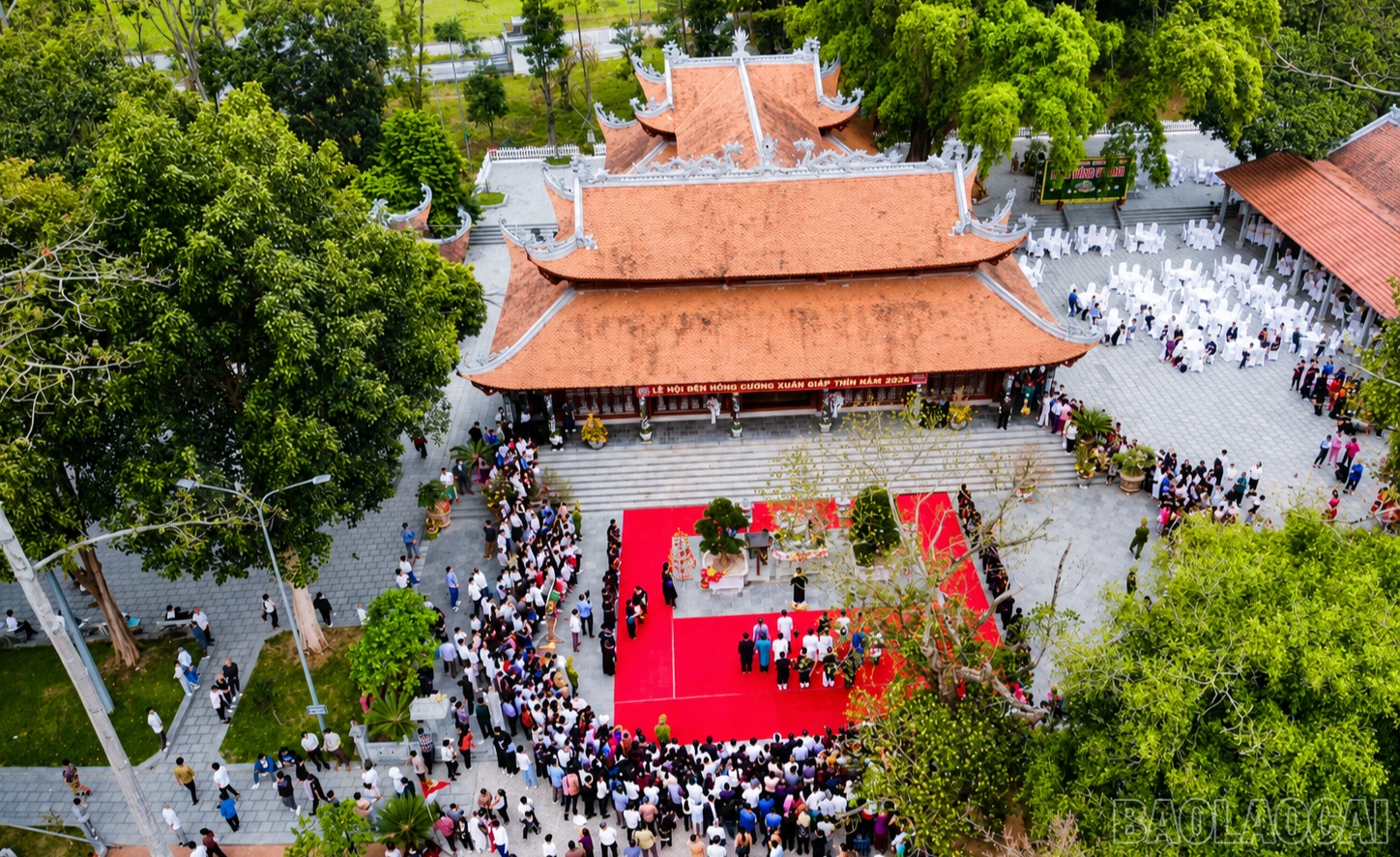
The main temple is dedicated to the Mother Goddess Thượng Ngàn - the Second Mother Goddess in the Three Realms system, the Holy Mother who governs 81 forest gates in Vietnam. In folk beliefs, the Mother Goddess is a symbol of protection and safeguarding the lives and work of the mountain dwellers. This cultural and religious depth has made Đông Cuông Temple a famous pilgrimage site, attracting numerous visitors from all over during festivals and summer holidays.
This place also bears the strong imprint of cultural exchange between the Kinh people and the ethnic minorities of the highlands. The ringing of bells amidst the mountains and forests, the lingering incense smoke by the Red River, and the peaceful scenery create a sense of tranquility and relaxation for anyone who sets foot in Dong Cuong.
Along with Dong Cuong Temple, the commune also has two other provincial-level historical relics: Doi Co Temple and Trai Hut Temple, forming a unique spiritual tourism complex along the Red River.
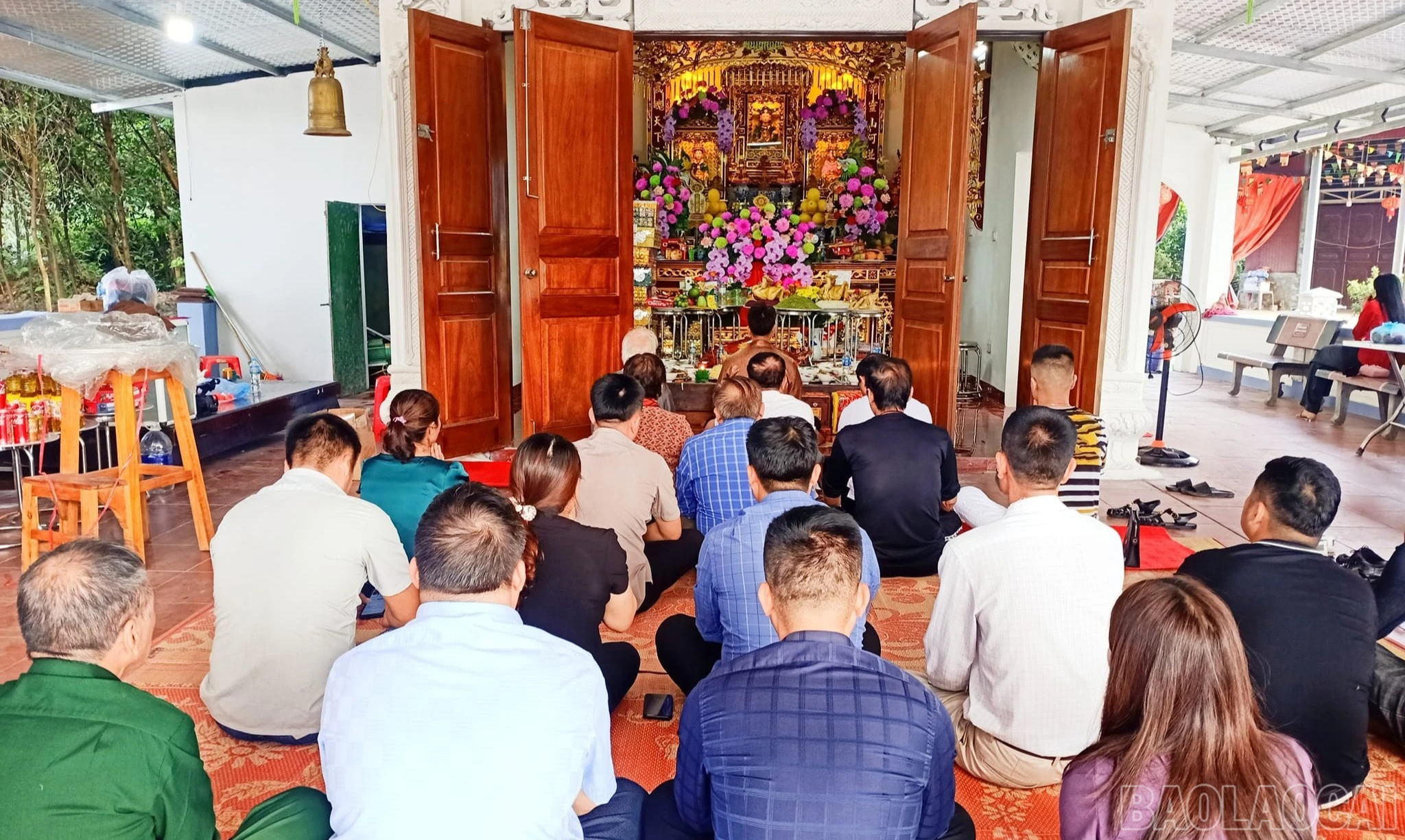
The Doi Co Temple, built in the early 20th century, is located about 10 km from the Dong Cuong Temple. It is a place of worship for the Heavenly Mother and the Second Mother of the Mountains. Despite numerous historical changes, the temple remains a place of religious activity closely intertwined with the lives of the local people. Its unique traditional rituals and sacred atmosphere make Doi Co Temple a popular destination for visitors seeking peace and prosperity.
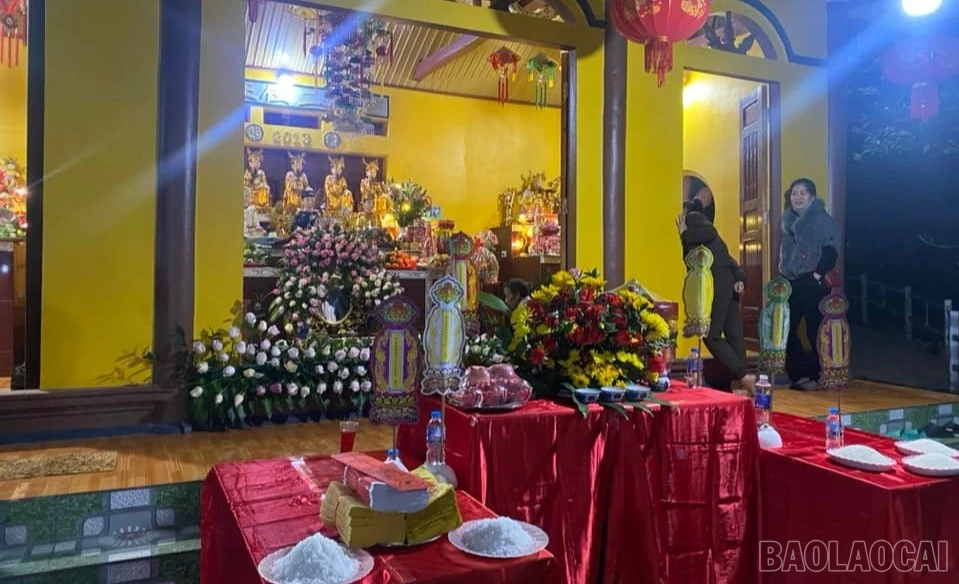
Meanwhile, Trai Hut Temple possesses a serene and picturesque beauty. Located beside the Red River, with its back against the mountain, the temple was built in the late 19th and early 20th centuries and is a place of worship for the Mother Goddess of Dong Cuong Temple.
The traditional architecture of the Northern Midlands blends harmoniously with the natural mountain and forest landscape, creating a sacred and tranquil space. Every year, many traditional ceremonies take place here, such as the Thượng Nguyên Festival, the Mother Goddess Feast, the Trung Nguyên Festival, and the New Rice Harvest Festival, vividly reflecting the Vietnamese people's principle of "drinking water, remembering the source."
While ancient temples offer a sense of tranquility and serenity, the natural waterfalls in Dong Cuong open up a vibrant journey of discovery amidst pristine nature. Prominent among them is the Khe Rong community-based ecotourism area in Khe Rong village.
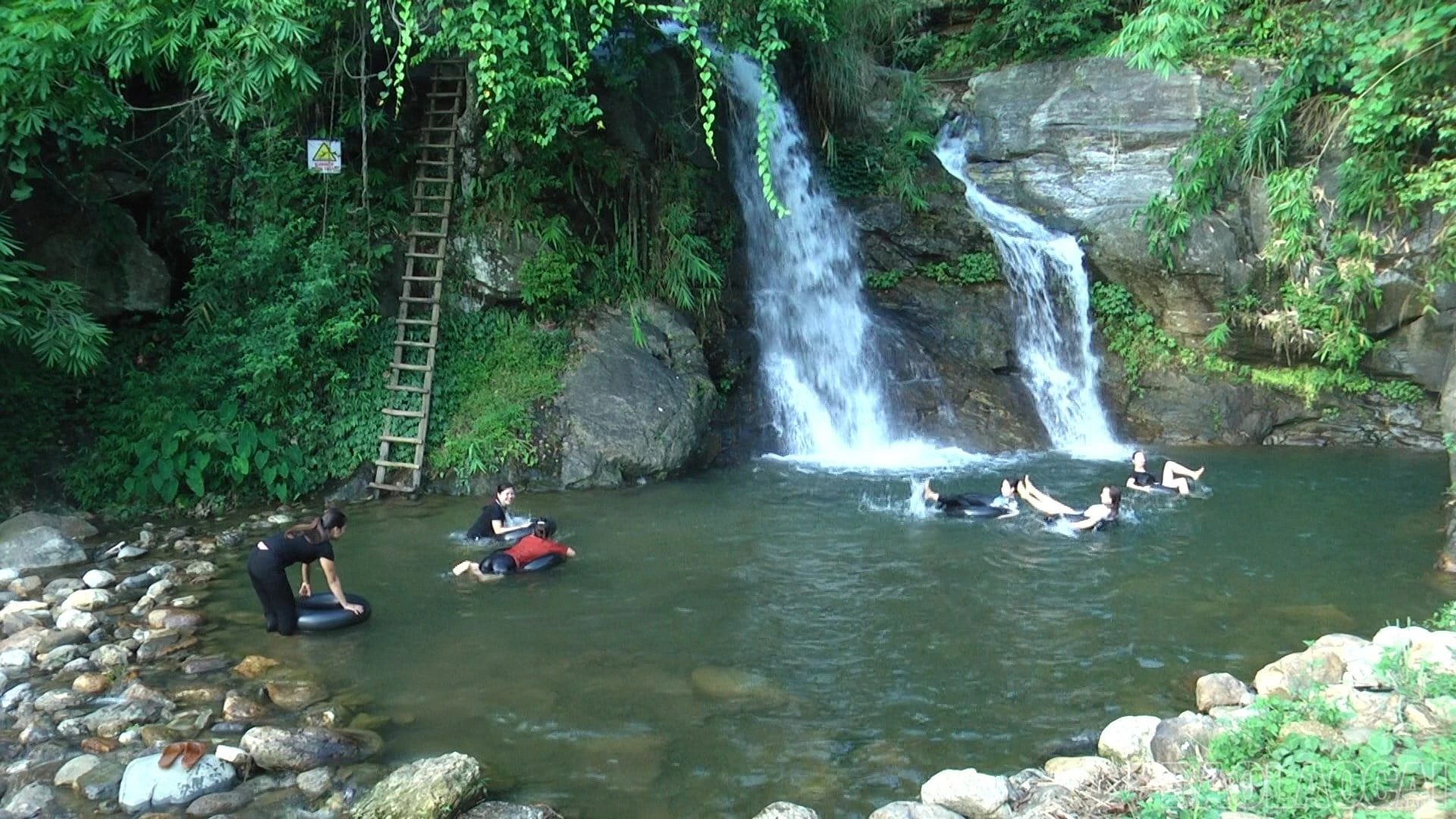
Blessed with a clean, cool climate year-round, this place boasts a multi-tiered waterfall cascading down amidst the vast forest. The successive layers of water form natural, crystal-clear pools, like "natural swimming pools" in the heart of the mountains.
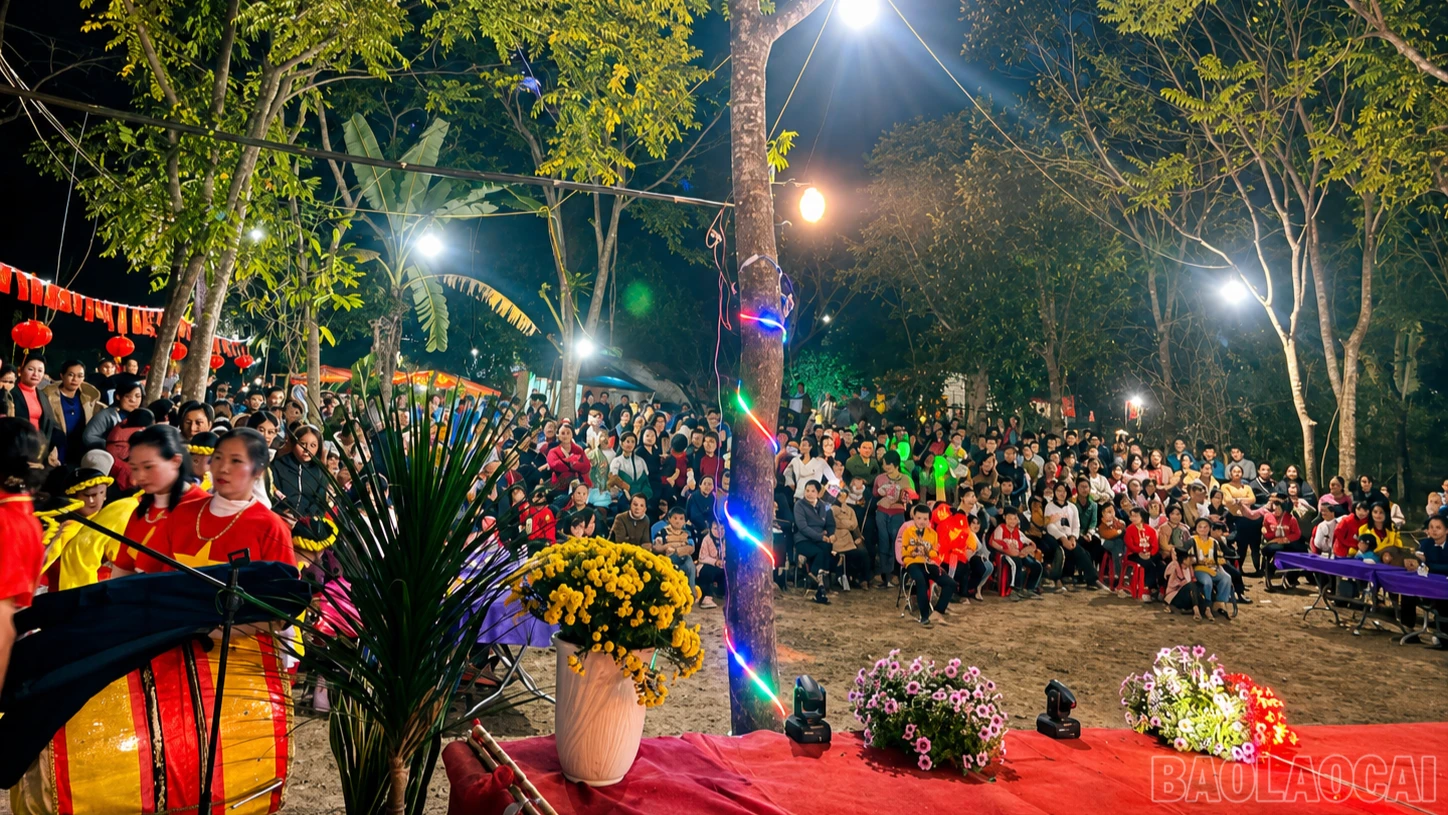
Visiting Khe Rong, tourists not only get to immerse themselves in the cool, refreshing water but also have the opportunity to explore the unique cultural life of the Red Dao people. The Páo Dung melodies, bell dances, gong dances, and love songs are regularly revived and performed, along with the image of Dao girls in their vibrant traditional costumes, campfire nights amidst the mountains and forests, and the genuine hospitality of the local people, creating a unique highlight for community tourism here.
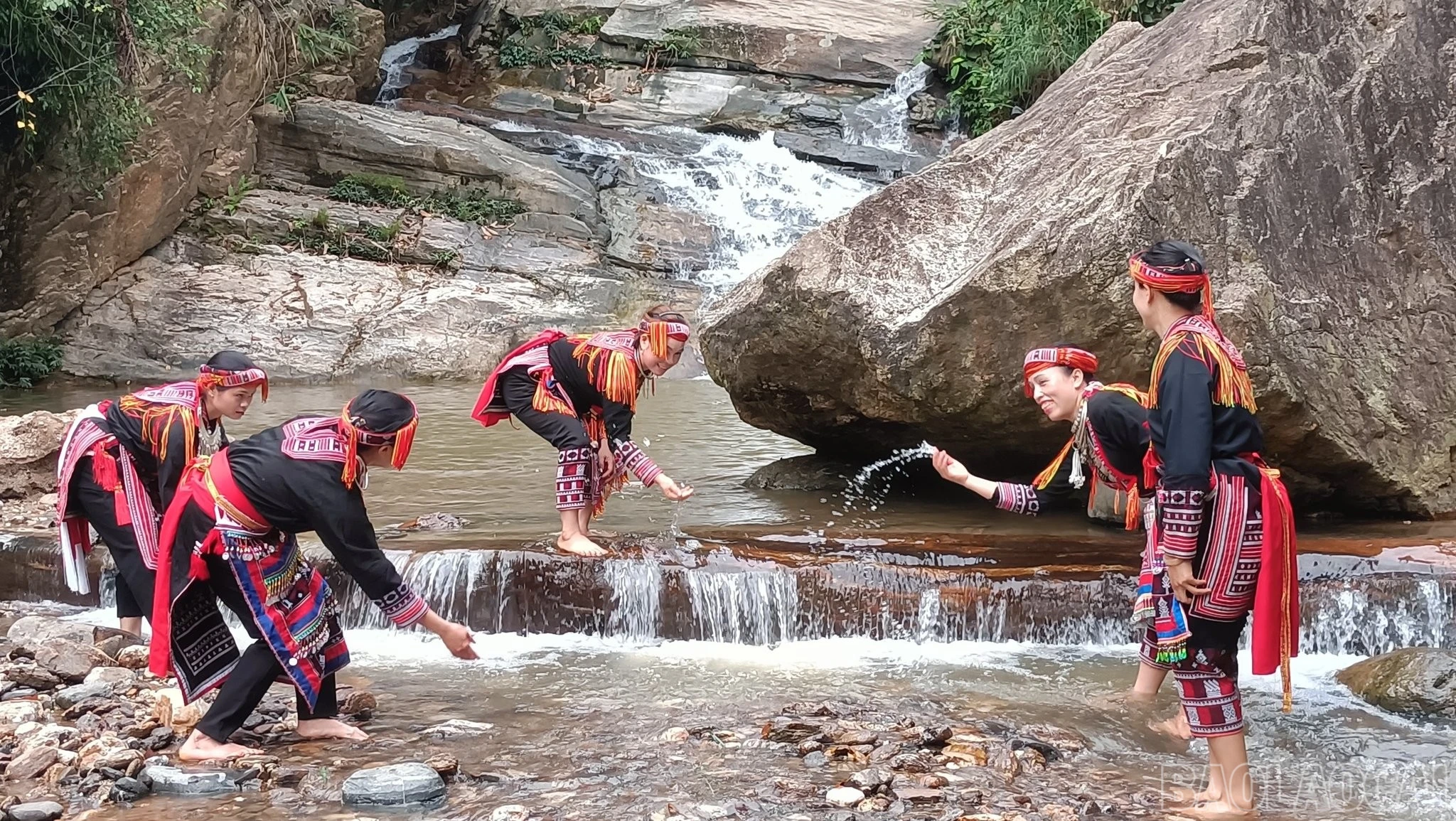
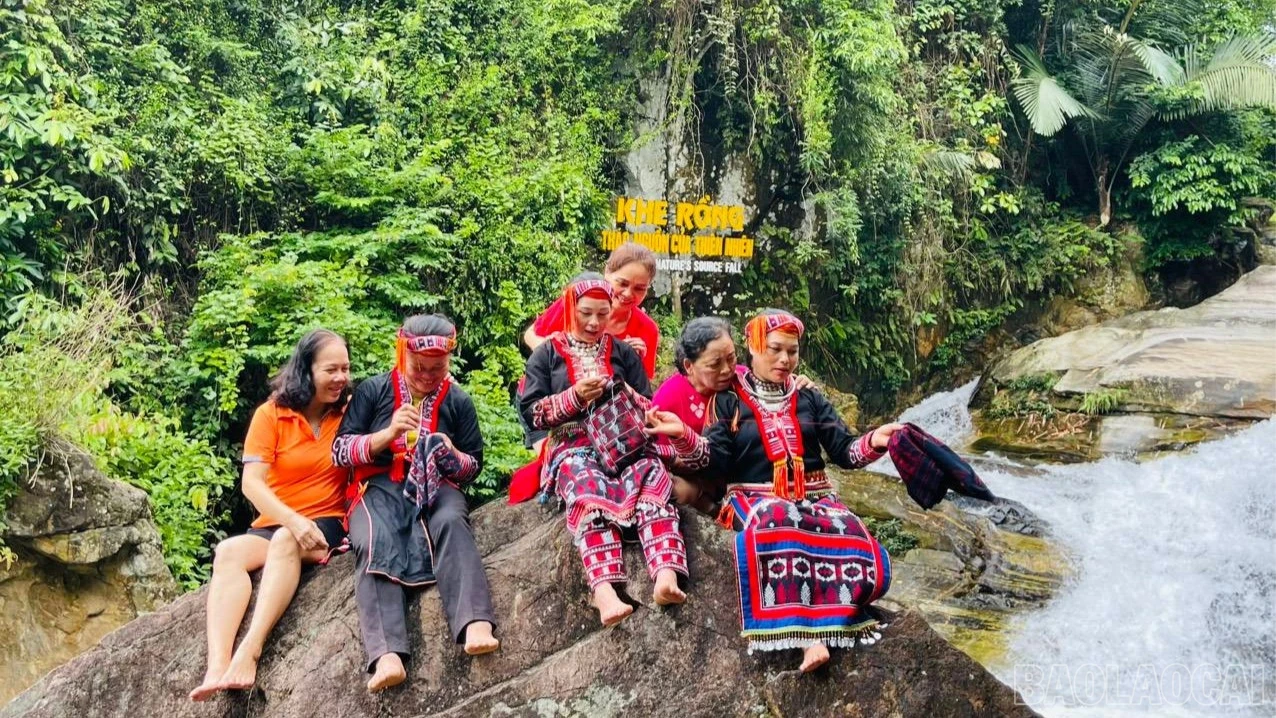
In particular, the Dao ethnic folk art troupe in Khe Rong, with 18 members, all Red Dao women, is diligently preserving and spreading traditional cultural values. Their dances and songs, imbued with the spirit of the highlands, not only attract tourists but also contribute to the preservation of ethnic identity amidst modern life.
Beyond experiencing nature, visitors can also catch stream fish, pick wild vegetables, harvest bamboo shoots, go fishing, or enjoy local specialties with the flavors of the mountains and forests, such as: native chicken, stream fish, stream snails, dried buffalo meat, bitter bamboo shoots, sticky rice, fern shoots, and upland cabbage…
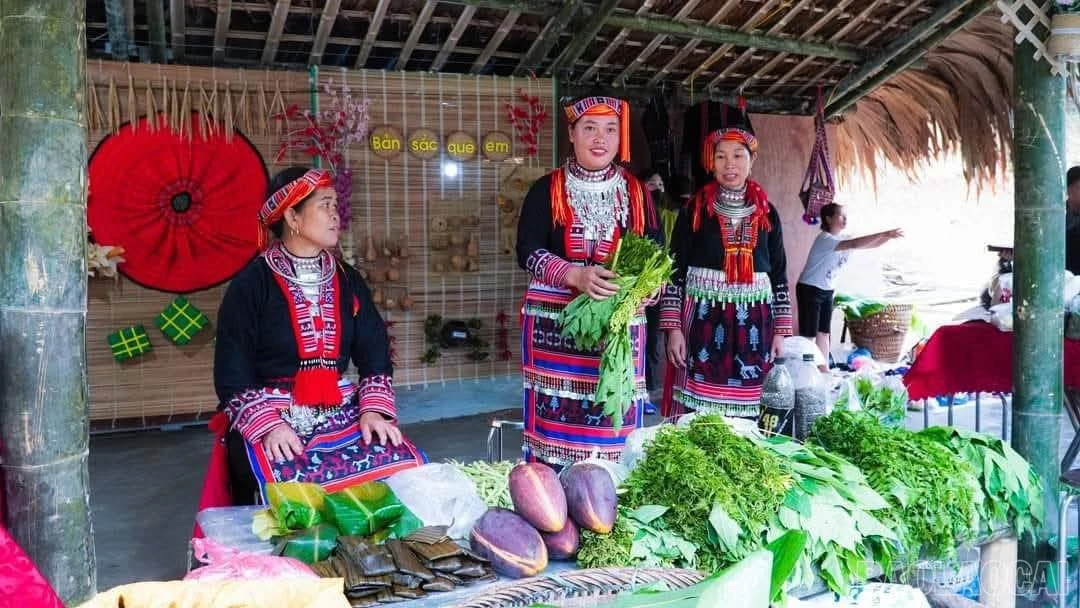
Along with Khe Rong, Minh Khai Waterfall in Quang Minh village is also becoming an attractive destination this summer. Amidst the majestic mountains and cool climate, Minh Khai Waterfall resembles a "symphony of water and the forest." The clear, cool water and the echoing sound of the waterfall in the mountains create a relaxing and pleasant feeling for visitors. It is also an ideal location for outdoor activities, nature exploration, or picnics with family and friends.
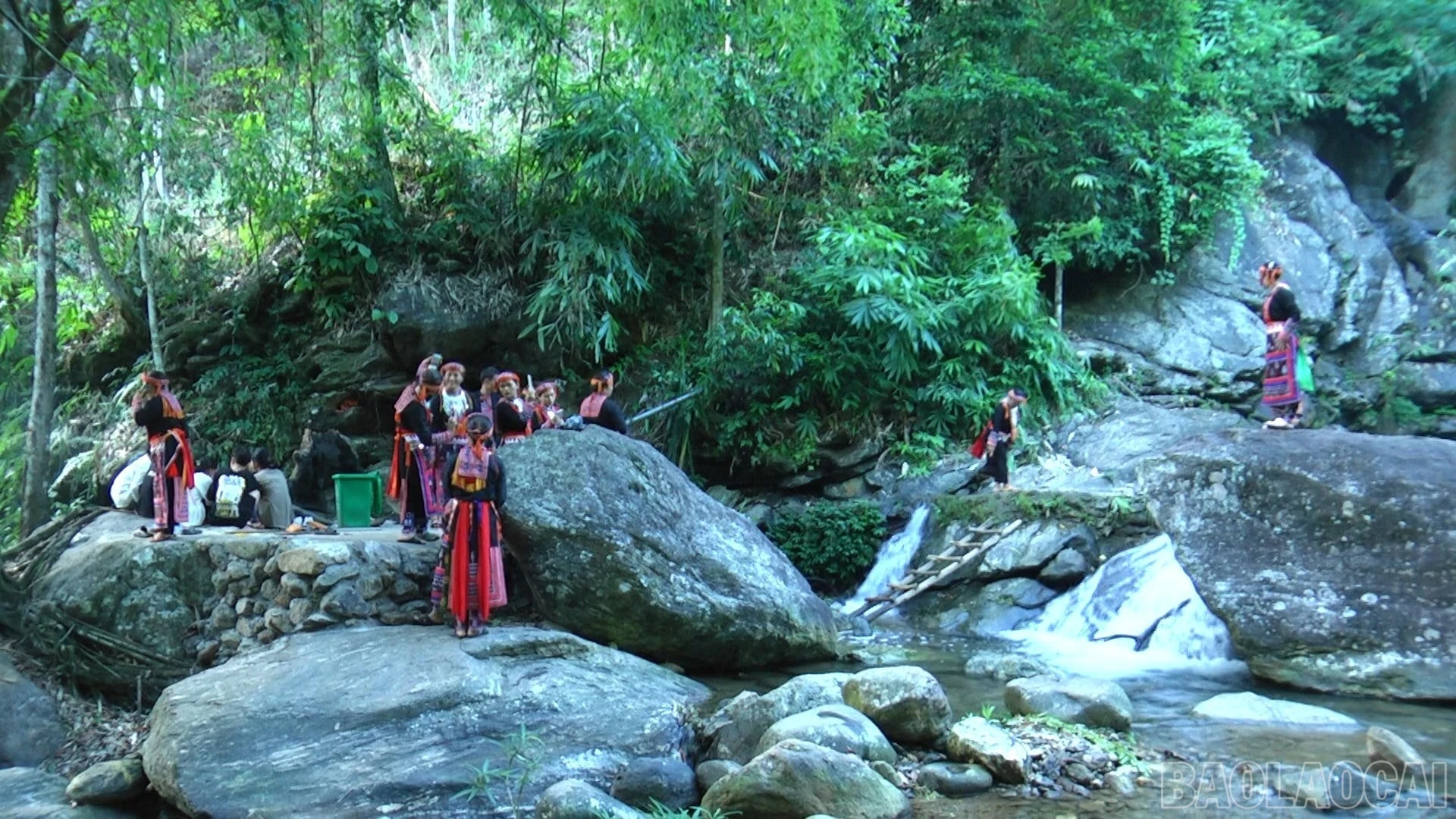
To unlock tourism potential, local authorities have actively supported cooperatives and households in developing community-based tourism and ecotourism models linked to the preservation of traditional culture.
Mr. Tran Thong Nhat, Vice Chairman of the People's Committee of Dong Cuong commune, said: The locality has identified the development of community tourism and experiential tourism associated with the preservation of cultural identity as an important direction to promote socio-economic development. The commune always creates favorable conditions for cooperatives and households to invest in infrastructure and improve the quality of services.
The harmonious combination of spiritual tourism and eco-tourism is opening up promising development opportunities for Dong Cuong. Visitors here can not only admire sacred relics but also immerse themselves in nature, explore local culture, and experience the life of the highland community.
A journey to Dong Cuong is like a return to pristine nature and rich traditional cultural values. From the sacred spaces of Dong Cuong Temple, Doi Co Temple, and Trai Hut Temple to the majestic beauty of Khe Rong and Minh Khai Waterfall, all combine to create a colorful and poetic tourist landscape, full of cultural depth, leaving many memorable experiences for visitors in the summer of 2026.
Source: https://baolaocai.vn/dong-cuong-diem-hen-hap-dan-mua-he-post899957.html
![[Photo] General Secretary and President To Lam presides over a working session with the Central Policy and Strategy Committee on the development of the materials industry.](https://vphoto.vietnam.vn/thumb/1200x675/vietnam/resource/IMAGE/2026/05/21/1779359935432_a3-bnd-3129-1412-jpg.webp)
![[Photo] National Assembly Chairman Tran Thanh Man working with the Standing Committee of the Law and Justice Committee](https://vphoto.vietnam.vn/thumb/1200x675/vietnam/resource/IMAGE/2026/05/21/1779378929214_ndo_br_1-4610-jpg.webp)





















































Comment (0)