Behind the "good" children
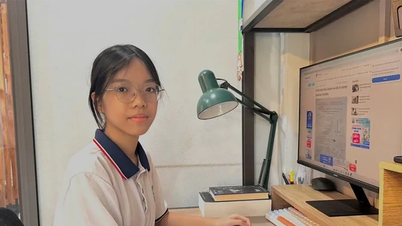
An eighth-grade student in Hanoi has always been the pride of her family because of her excellent academic performance, politeness, and rarely causing her parents any trouble. However, when her homeroom teacher spoke with her privately, she admitted that she was frequently stressed due to academic pressure but didn't want to share it for fear of worrying her parents.
That story is not an isolated case. In many families, children are taught from a young age to be obedient, study hard, and not disappoint their parents. However, sometimes overemphasizing obedience can lead to children's true feelings being overlooked.
Many adults are still accustomed to saying things like, "There's nothing to cry about," "Be strong," "Don't overthink it," or "Don't disappoint your parents." Over time, many children develop the habit of hiding their emotions, choosing silence when facing academic pressure, conflicts with friends, or difficulties in life.
In the context of the rapid development of social media, today's students also face many pressures from invisible comparisons regarding achievements, appearance, or success. Many feel exhausted but don't know how to express their feelings.
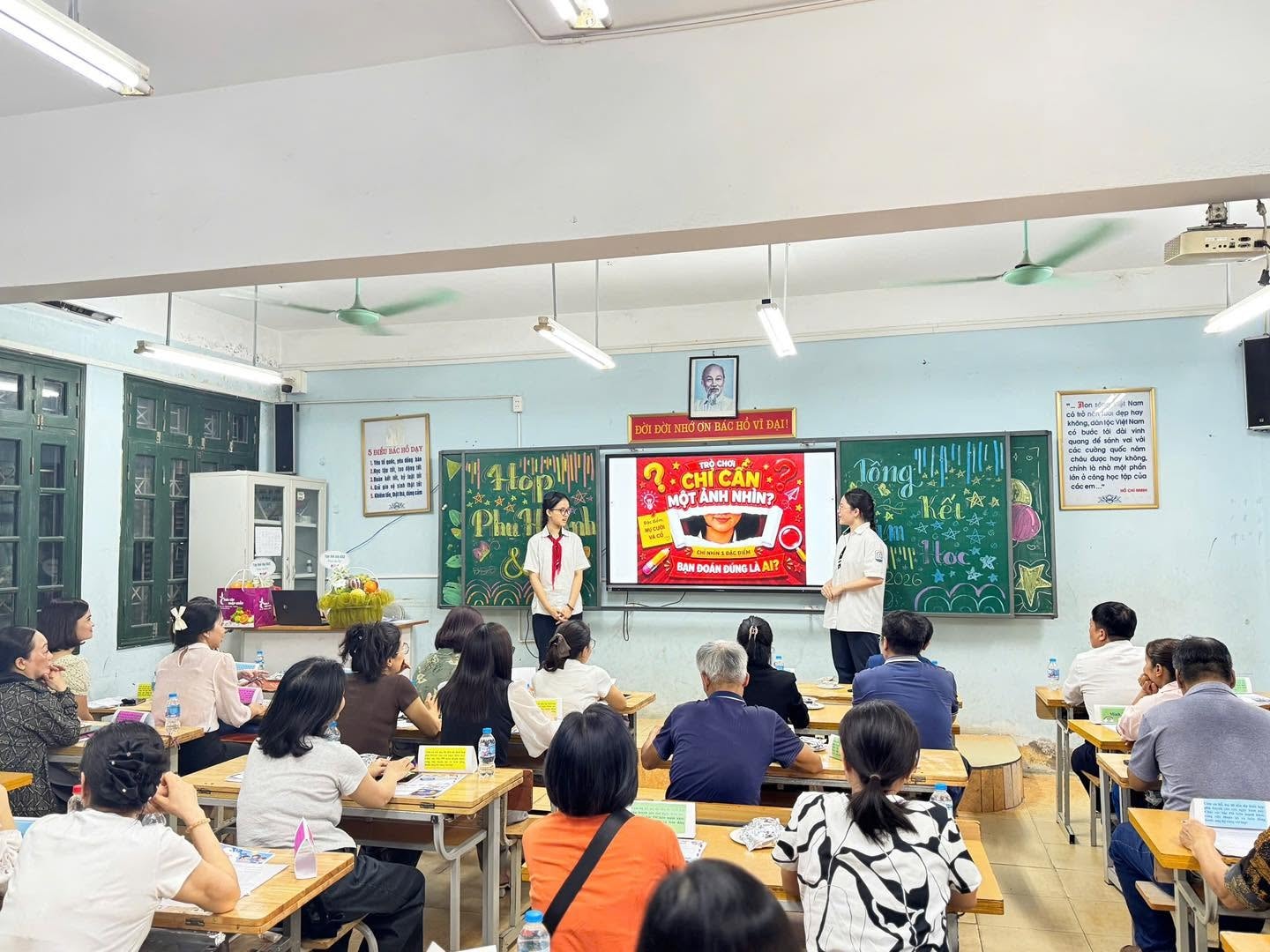
Recognizing this, many schools have begun to pay more attention to the mental well-being of their students. At Phuc Dien Secondary School in Phu Dien Ward, the GENZ lesson is organized as a space for students to share their thoughts, express their feelings, and better understand themselves. Such activities not only help students become more confident but also contribute to building a happy learning environment where they are listened to and respected.


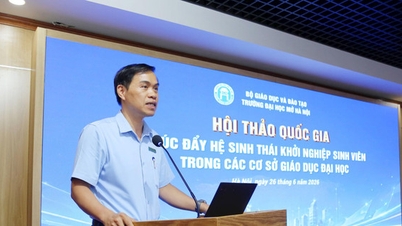
Not only students, but many parents are also gradually realizing that what their children need is not constant control or advice, but the presence and understanding of their parents. At the "Proper Parenting" program organized by the Institute of School Psychology, attended by up to 500 parents, many reflected on their parenting journeys and realized that the gap between parents and children sometimes stems not from a lack of love, but from adults not truly knowing how to listen to and support their children.
We need to view children as independent individuals.
Many education experts believe that children are sometimes a mirror reflecting back to adults. This is because many of parents' expectations, anxieties, or uncontrolled reactions don't actually originate from the child, but rather from the experiences, traumas, or patterns accumulated in the adults' own lives.
In the journey of raising children, many parents hope their children will be more successful than themselves, accomplish things they haven't been able to do, or avoid repeating the mistakes they've made. These desires stem from love. However, when expectations become pressure, parents tend to view their children through the lens of their own personal desires instead of seeing them as independent individuals with their own abilities, interests, and emotions. In that case, the child easily becomes a target for expectations rather than a person who deserves to be listened to and understood.

Sharing the same view on the role of empathy in raising children, Dr. Nguyen Thi Ngoc Minh, Lecturer in the Faculty of Literature, Hanoi Pedagogical University, believes that many parents today are living too much in the information world and forgetting the real world. Many spend time researching educational methods or success stories on social media but lack the time to observe, talk to, and listen to their children.
According to Dr. Ngoc Minh, when parents view their children through the lens of expectations and stereotypes of success, they easily overlook their children's unique characteristics. Many parents don't truly understand their children's strengths or interests, yet they hastily choose a path for them, hoping their children will succeed like the role models they admire. Learning to let go of expectations and see children as unique individuals is a significant challenge, but it is also a crucial condition for building understanding and connection within the family.



From an emotional education perspective, Ms. To Thuy Diem Quyen, Microsoft's Outstanding Creative Education Specialist, believes that many students today struggle to share their feelings with family and teachers because they are always afraid of disappointing their parents. When they want to express fatigue or stress, they often choose to suffer alone. According to this expert, instead of hastily judging right or wrong or offering advice, parents need to learn to listen and support their children. When children feel safe and respected, they will be more open to sharing their feelings and the difficulties they are facing.
In every child's journey to adulthood, learning knowledge and developing skills are both important. But first and foremost, children need to be recognized as independent individuals with their own emotions, thoughts, and needs. Only when they are listened to and understood can children develop healthily, confidently, and happily. And that is also the starting point of a truly meaningful partnership between parents and children.
Source: https://hanoimoi.vn/dong-hanh-cung-con-tu-su-thau-hieu-1207827.html